Skip to content
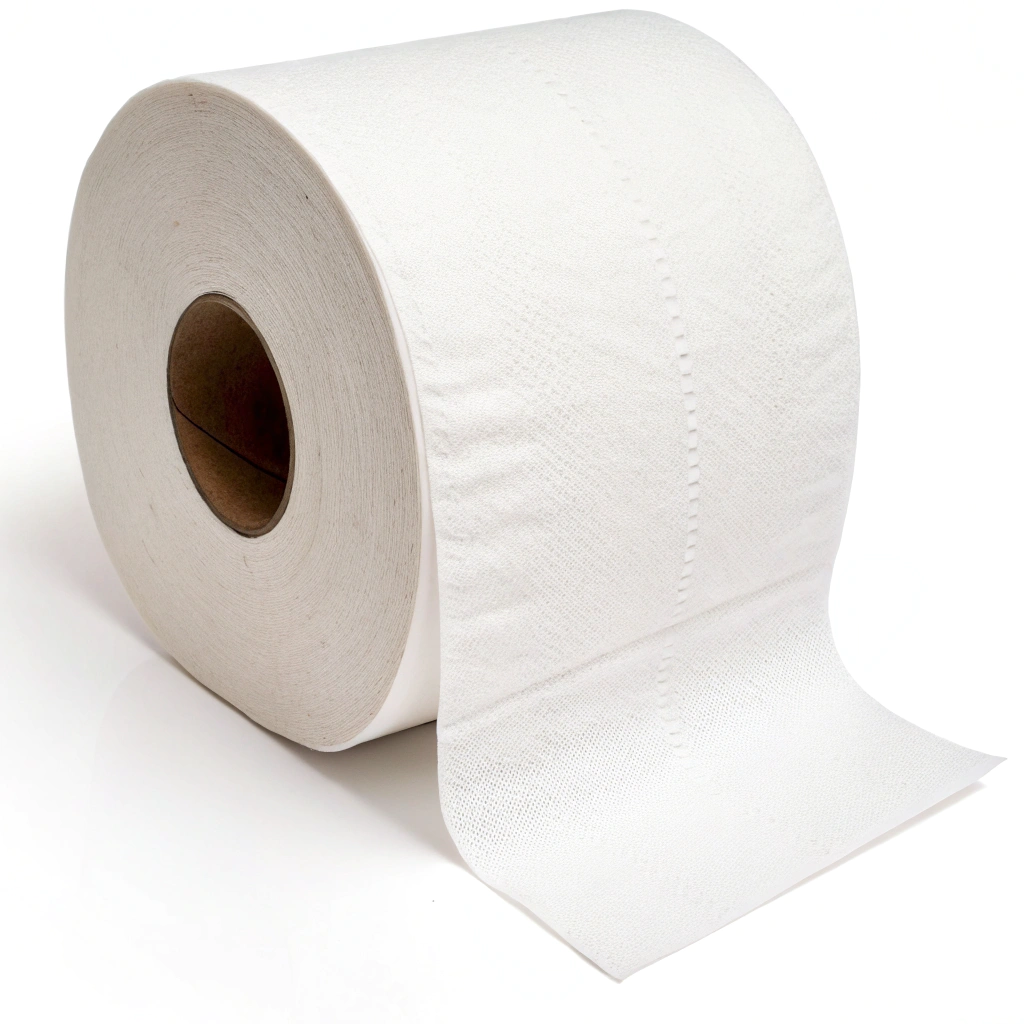
Using toilet paper feels simple, but many people still feel unsure. Too little feels unsafe. Too much feels wasteful. This daily habit causes hidden cost and trouble.
There is no single perfect amount for everyone, but smart use depends on hygiene needs, paper quality, and local habits.
Many readers stay because this topic is more complex than it looks. Small changes here can save money, avoid plumbing issues, and reduce waste over time.
Is There a Recommended Number of Sheets per Use?
Many people guess the amount. Some grab a handful. Others count sheets. This habit forms early and rarely changes, even when better options exist.
Most hygiene experts suggest 4 to 6 sheets per wipe for standard 2-ply toilet paper, adjusted by strength and absorbency.
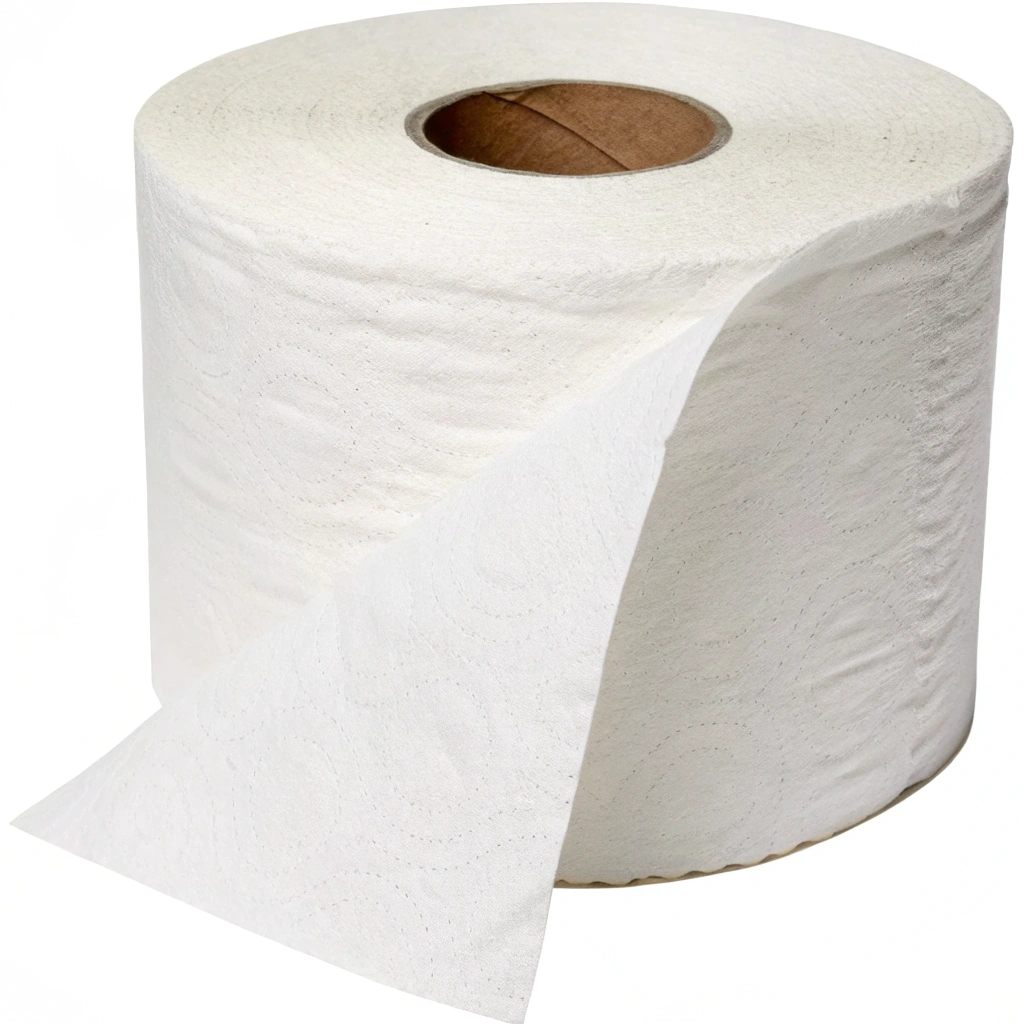
Why sheet count is only a starting point
Sheet count alone does not tell the full story. Paper quality matters more than numbers. Thick paper cleans better with fewer sheets. Thin paper needs more layers. Counting without feeling the paper leads to waste or discomfort.
In many factories, toilet paper is measured by GSM, ply, and embossing depth. Higher GSM and deeper embossing increase absorption. This means fewer sheets are needed for the same result.
Another factor is moisture. Dry paper needs more sheets. Slightly damp paper, or paper used with water cleaning, reduces sheet use fast. Many regions already rely on this method.
Personal hygiene needs matter
Not all users are the same. Diet, health, and daily activity affect cleaning needs. After certain meals, more wiping is normal. During illness, usage rises. These cases are not overuse. They are basic hygiene.
What matters is habit during normal use. Many people grab more paper than needed because they fear tearing or leaks. This fear often comes from low-quality paper experience in the past.
Sheet usage by paper type
| Paper Type | Typical Ply | Avg Sheets per Wipe | Notes |
|---|---|---|---|
| Economy roll | 1–2 ply | 6–10 | Low strength, more layers needed |
| Standard household | 2 ply | 4–6 | Balanced cost and comfort |
| Premium embossed | 3 ply | 2–4 | High absorbency |
| Jumbo commercial roll | 2 ply | 3–5 | Designed for public use |
When people switch to stronger paper, they often reduce sheet use without trying. The body adjusts fast.
A simple test to find your number
A basic test helps. Use one sheet and pull gently. If it breaks, add one sheet. Repeat until it holds. That number becomes your base layer. Most users end between 3 and 5 sheets.
The goal is confidence, not excess. When paper feels reliable, overuse drops naturally.
Do Usage Habits Differ by Region?
Toilet paper use changes a lot by region. Culture, plumbing, water access, and price all shape behavior.
Yes, toilet paper usage habits differ widely by region, with water-based cleaning common in many parts of the world and higher paper use in Western countries.
Water-first regions
In many Asian, Middle Eastern, and African countries, water is the main cleaning method. Toilet paper is used only for drying. This reduces sheet use sharply.
In these regions, people often use 2 to 4 sheets per visit. The paper does not need high strength. Softness and fast dissolve matter more.
Water cleaning also lowers plumbing risk. Less paper enters the system. Blockages are rare.
Paper-first regions
In North America and parts of Europe, toilet paper is the main cleaning tool. Water use is limited or absent. This raises sheet count per visit.
Many users in these regions use 8 to 12 sheets or more. Some wrap paper around the hand multiple times. This habit starts young and stays for decades.
Marketing also plays a role. Large rolls and “luxury softness” push users toward heavier use. Bigger bathrooms hide the cost.
Commercial vs home behavior
People use more paper in public restrooms than at home. This happens everywhere. The reasons are simple:
- No direct cost feeling
- Fear of thin paper
- Lower trust in hygiene
Jumbo roll systems exist to manage this behavior. They control sheet length and reduce waste per pull.
Regional comparison table
| Region | Primary Cleaning Method | Avg Sheets per Visit | Key Driver |
|---|---|---|---|
| North America | Paper only | 8–12 | Habit, comfort |
| Western Europe | Paper + some water | 6–10 | Mixed systems |
| East Asia | Water + paper | 2–4 | Bidet use |
| Middle East | Water first | 2–3 | Cultural practice |
| Africa | Water + paper | 2–5 | Cost and access |
These differences show one thing clearly. High hygiene does not require high paper use. Method matters more than quantity.
Can Overuse of Toilet Paper Cause Plumbing Issues?
Many people think pipes can handle anything labeled “flushable.” This belief causes real damage.
Yes, overuse of toilet paper can block pipes, damage septic systems, and raise maintenance costs over time.
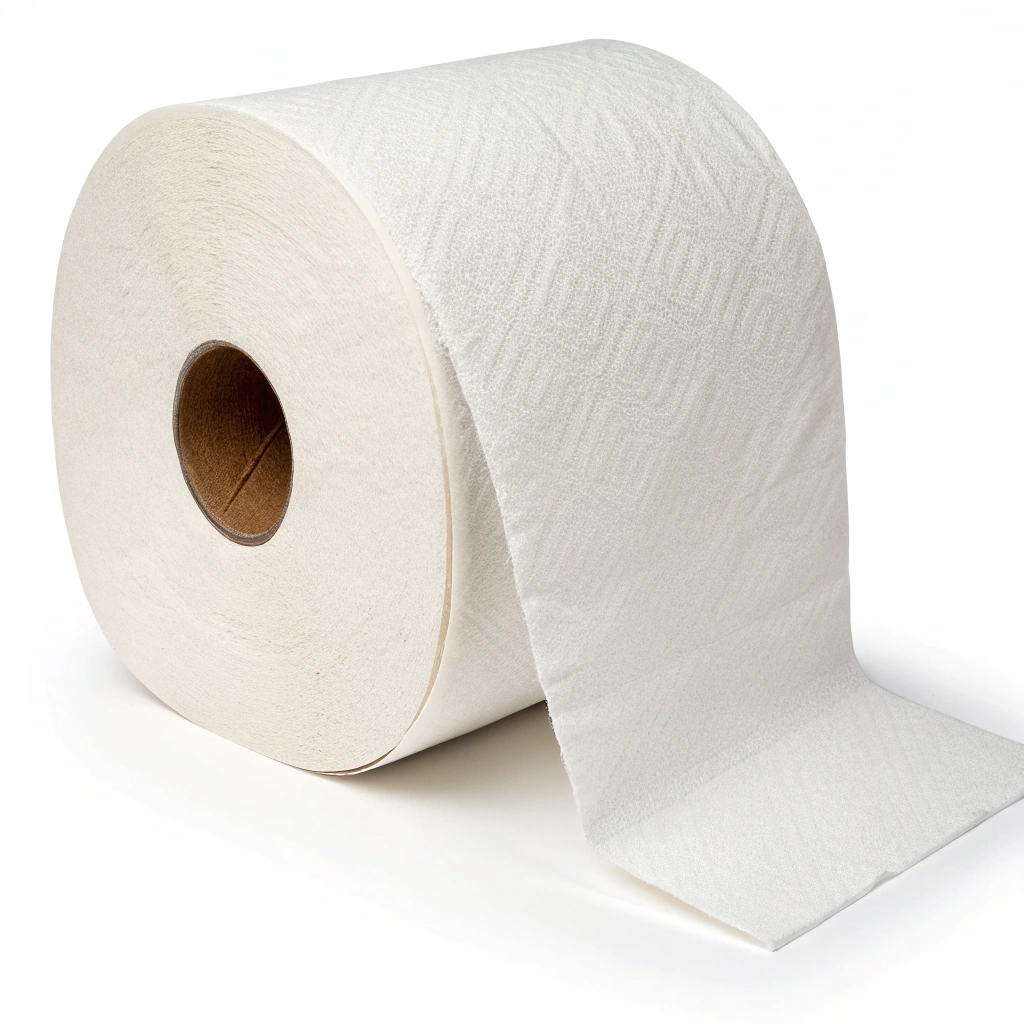
How blockages actually form
Toilet paper dissolves in water, but not instantly. When too much paper enters at once, it clumps. In older pipes, rough surfaces catch these clumps.
Low-flow toilets worsen the issue. They use less water per flush. Less water means less force to move paper through the pipe.
In buildings with long horizontal pipes, the risk rises again. Gravity works less in flat sections.
Septic systems face higher risk
Septic tanks rely on balance. Too much paper fills the tank faster. This leads to more pumping. In severe cases, paper escapes into the drain field and causes failure.
Septic-safe paper dissolves faster, but quantity still matters. No paper can save a system from constant overload.
Commercial buildings and public toilets
In hotels, malls, and offices, paper overuse is a top cause of restroom downtime. One blocked toilet can shut down several stalls.
Facility managers often respond by switching to thinner paper. This seems logical but often backfires. Users pull more sheets, not fewer.
Controlled-dispense systems work better. They limit access without reducing quality.
Signs of paper-related plumbing stress
- Slow flushing
- Rising water level
- Gurgling sounds
- Frequent clogs without foreign objects
These signs usually appear long before a full blockage. Reducing paper use early prevents expensive repairs.
The hidden cost of “just one more pull”
One extra flush per day seems harmless. Over a year, it adds up. More water, more paper, more stress on pipes.
Small habits create large system load. Plumbing is designed for average use, not constant excess.
How to Reduce Toilet Paper Waste?
Reducing waste does not mean feeling uncomfortable. It means using paper in a smarter way.
To reduce toilet paper waste, focus on paper quality, water assistance, controlled dispensing, and habit awareness.
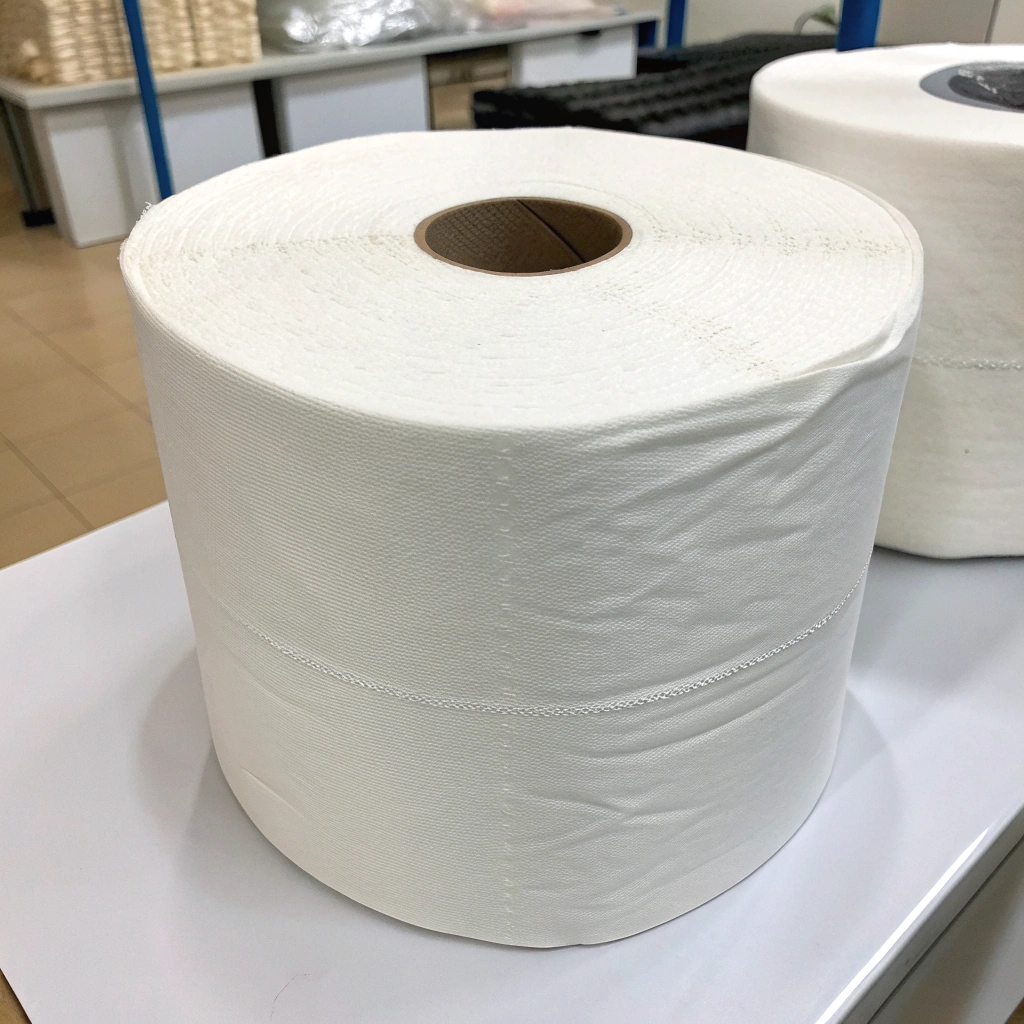
Choose paper that works better
Strong paper saves more paper. This sounds strange but holds true in real use. When users trust the paper, they stop over-pulling.
Key features that reduce waste:
- Higher absorbency
- Proper embossing
- Stable ply bonding
Cheap paper often costs more over time because usage doubles.
Add water where possible
Using water before paper reduces wiping need fast. Even a simple spray bottle works in places without bidets.
Paper then acts as a drying tool. Sheet use drops by more than half for many users.
This method also improves comfort and hygiene.
Change how paper is dispensed
At home, free-roll holders encourage excess. In shared spaces, this effect multiplies.
Better options include:
- Sheet-by-sheet dispensers
- Smaller roll width
- Tension-controlled holders
These tools do not feel restrictive but gently guide behavior.
Build awareness without pressure
People rarely think about paper use. Simple reminders help. A small note or sign near shared toilets can cut usage without complaints.
Examples of soft reminders:
- “Please use what you need”
- “Our pipes thank you”
- “Strong paper, fewer sheets”
Tone matters. Respect works better than rules.
Waste reduction impact table
| Change | Avg Paper Reduction | Extra Benefit |
|---|---|---|
| Switch to stronger paper | 20–35% | Better comfort |
| Add water cleaning | 40–60% | Higher hygiene |
| Controlled dispenser | 25–45% | Fewer clogs |
| User awareness | 10–20% | Cost savings |
Each step alone helps. Combined, they transform usage patterns.
Conclusion
Toilet paper use looks small, but it shapes cost, comfort, and plumbing health. The right amount depends on quality, method, and habit. When paper works better and users stay aware, waste drops without effort.