Skip to content
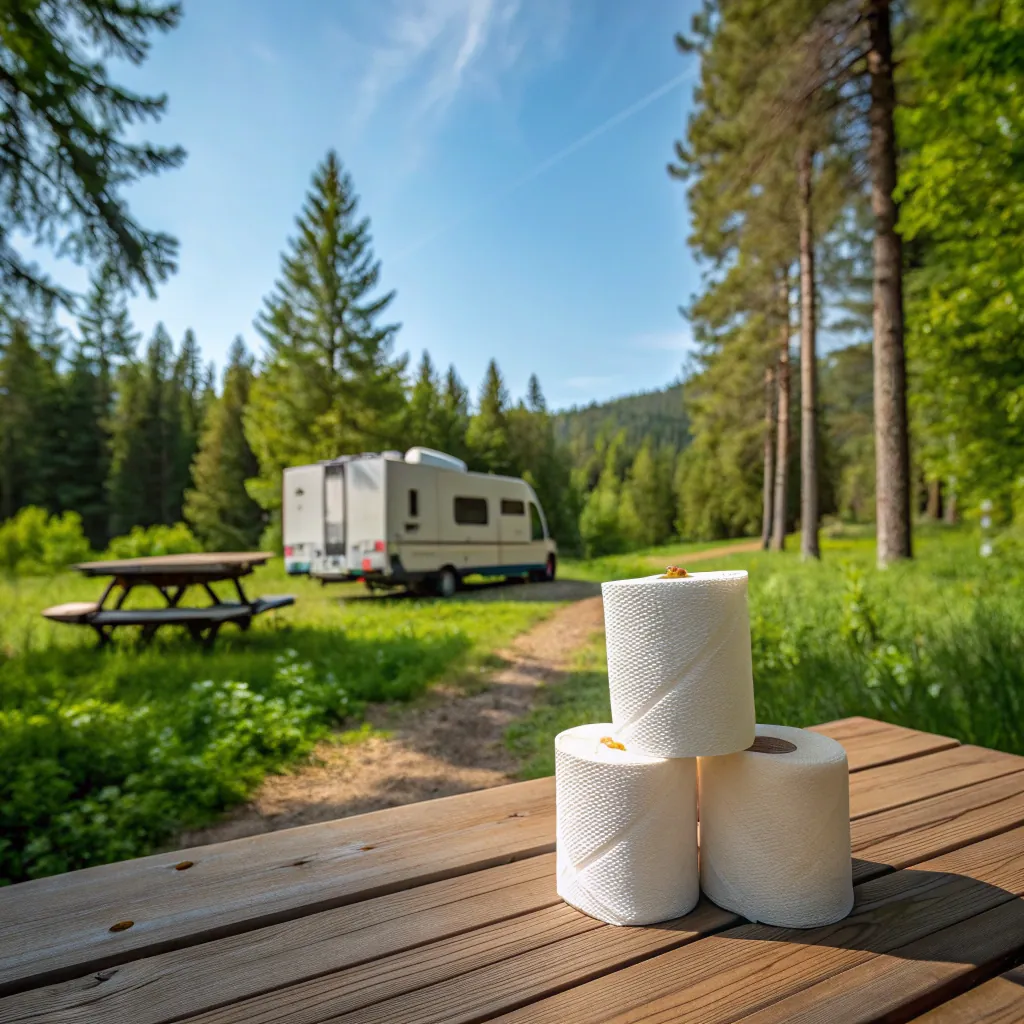
Using the wrong toilet paper in an RV can turn a relaxing trip into a messy repair job. Many people ignore this small detail and later face smells, clogs, and costly tank issues.
Yes, in most cases you should use RV toilet paper, because it breaks down faster in limited water systems and helps protect your holding tank, valves, and sensors.
Once this point is clear, it becomes easier to understand what really happens inside an RV toilet system and why paper choice matters more than most people expect.
What happens if regular toilet paper is used in RVs?
Regular toilet paper looks harmless, but inside an RV system it can create problems that are slow, hidden, and expensive to fix.
When regular toilet paper is used in RVs, it often breaks down too slowly, which can cause clogs, false tank readings, and buildup in the black tank.

Why RV plumbing is different from home plumbing
An RV toilet system does not work like a home toilet. At home, waste drops into a sewer line with strong water flow. In an RV, waste falls directly into a holding tank.
Key differences include:
- Very little water per flush
- No long pipe runs to move waste away
- Waste stays in the tank until dumping
- Gravity does most of the work
Because of this, anything that does not break down fast will sit in the tank.
How regular toilet paper behaves in a black tank
Most household toilet paper is designed to feel soft and strong. To achieve this, manufacturers use longer fibers and bonding agents. These features are good at home, but bad in RV tanks.
Inside a black tank, regular paper can:
- Float instead of sinking
- Stick to tank walls
- Wrap around sensors
- Form paper mats at the bottom
Over time, these mats trap waste and reduce tank capacity.
Common problems RV owners report
From years of feedback and factory-side testing, these are the most common issues caused by regular toilet paper:
| Problem | What it causes |
|---|---|
| Paper buildup | Reduced tank volume |
| Sensor coating | Wrong full or empty readings |
| Valve blockage | Hard-to-open dump valves |
| Odor retention | Strong smells even after dumping |
These problems rarely appear after one use. They build slowly, which makes them harder to trace back to toilet paper.
Why problems often appear months later
Many RV owners say, “I used regular paper and nothing happened.” That is often true at first. The issue grows over time.
Paper layers compress. Waste dries. Bacteria slow down. After many trips, the tank no longer cleans itself during dumping. At that stage, even switching paper may not fully fix the issue.
How does RV toilet paper differ from standard types?
RV toilet paper is not just a marketing trick. Its structure and behavior are designed for low-water, closed systems.
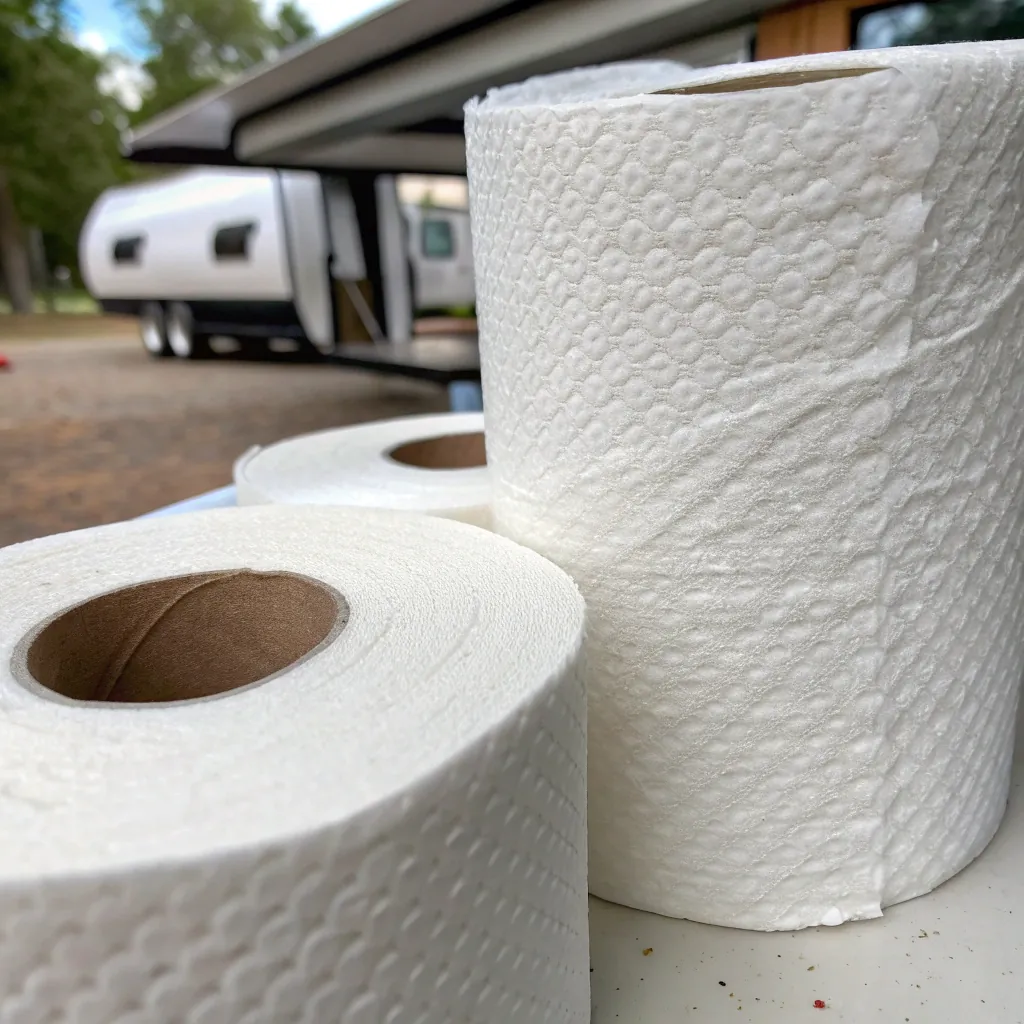
RV toilet paper is made to dissolve quickly with minimal water, using shorter fibers that separate fast inside holding tanks.
Fiber length and bonding matter
The biggest difference is fiber length. RV paper uses shorter fibers that separate easily when wet.
Standard paper uses longer fibers that stay linked. This gives strength, but slows breakdown.
Bonding agents are also lighter in RV paper. This reduces residue in tanks.
Water usage and breakdown speed
RV systems use very little water per flush. RV paper is tested to break apart with just a small amount of agitation.
A simple jar test often shows this clearly:
- RV paper falls apart in seconds
- Regular paper stays in sheets or clumps
This difference matters when water is limited.
Feel vs function
Many people worry that RV toilet paper feels thin or rough. Modern RV paper has improved a lot.
While it may still feel lighter than premium home paper, the trade-off is system safety.
The real function of toilet paper in an RV is not comfort alone. It must also:
- Move easily through waste
- Avoid sticking to surfaces
- Leave minimal residue
Comparison table: RV vs regular toilet paper
| Feature | RV Toilet Paper | Regular Toilet Paper |
|---|---|---|
| Fiber length | Short | Long |
| Breakdown speed | Very fast | Slow to medium |
| Water needed | Low | Medium to high |
| Risk of clogs | Low | High |
| Tank residue | Minimal | Common |
This table shows why RV paper is built for a different job, not just a different market.
Can RV toilet paper prevent clogs in tanks?
No toilet paper can guarantee zero clogs, but the right paper lowers the risk in a major way.
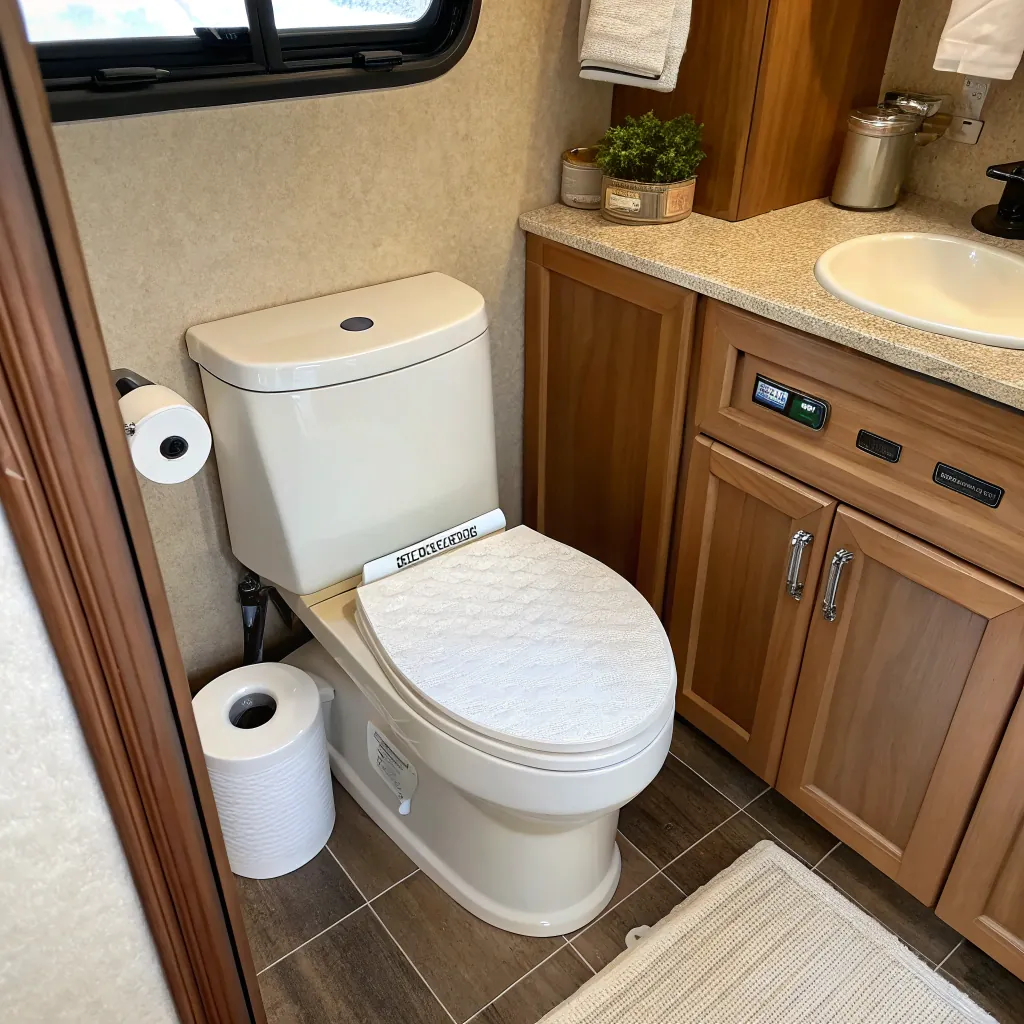
RV toilet paper helps prevent clogs by breaking down quickly, reducing paper buildup, and allowing waste to move freely during dumping.
Clogs are usually a system issue
Most RV tank clogs come from a mix of factors, not one mistake. These include:
- Too little water
- Infrequent dumping
- Wrong toilet paper
- Poor tank rinsing habits
RV toilet paper addresses one of the biggest factors.
The role of water and paper together
Even the best RV paper needs water. Dry flushing is a common cause of problems.
Good practice includes:
- Adding water before first use
- Using enough water per flush
- Keeping waste submerged
RV paper works best when water supports it.
Sensor accuracy and paper choice
Tank sensors often fail because paper sticks to them. Once coated, sensors show “full” even when empty.
RV toilet paper reduces this risk because it does not cling as easily.
This helps:
- More accurate readings
- Better dump timing
- Less guesswork on the road
Long-term tank health
Over many months, RV toilet paper helps maintain smoother tank walls and cleaner valves.
This leads to:
- Easier dumping
- Fewer chemical treatments
- Lower maintenance costs
While it is not a cure-all, it is one of the simplest preventive steps an RV owner can take.
Are there eco-friendly RV toilet paper options?
Environmental impact matters, especially for people who travel and camp close to nature.
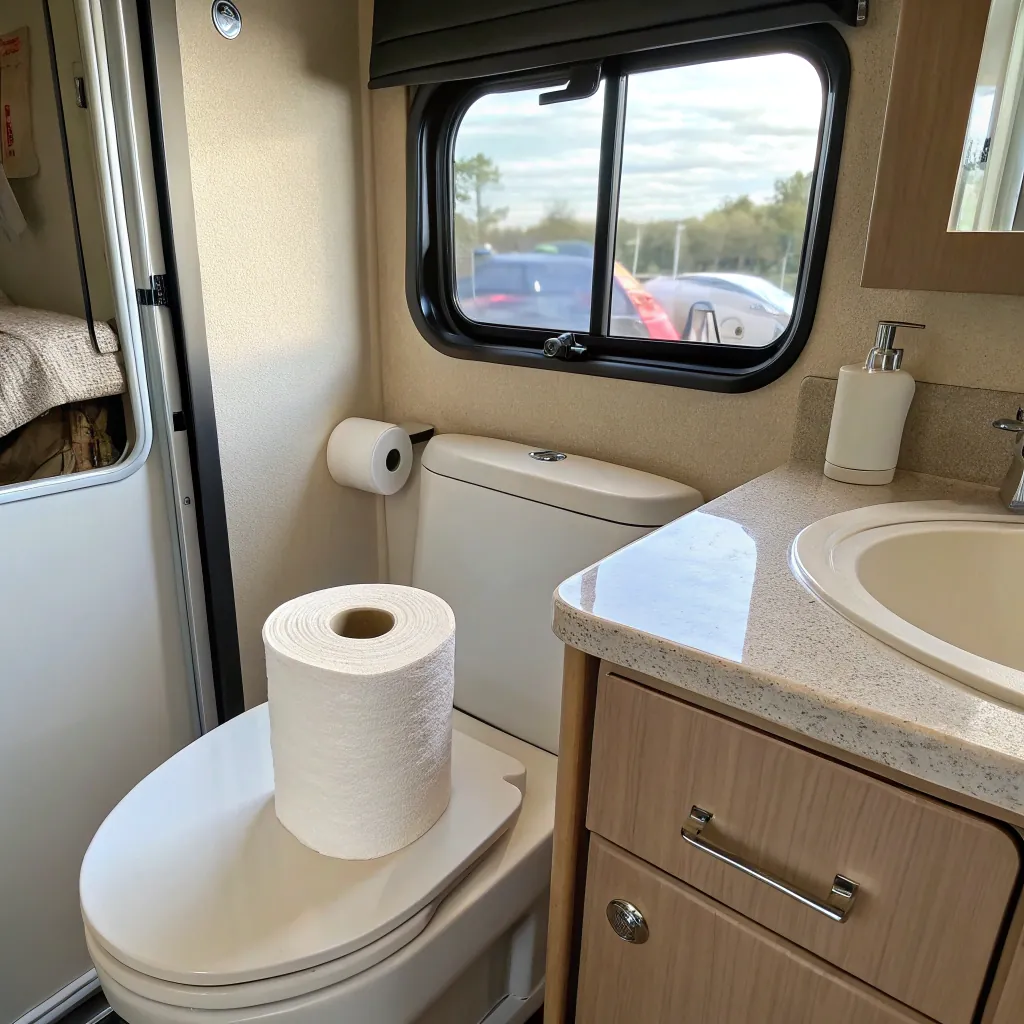
Yes, many eco-friendly RV toilet paper options exist, including recycled paper and bamboo-based products that dissolve quickly and reduce environmental impact.
Why eco-friendly matters in RV use
RV waste often ends up in treatment systems that are sensitive to chemicals and slow-breaking materials.
Eco-friendly paper helps by:
- Breaking down faster
- Reducing chemical load
- Lowering fiber residue
This benefits both tanks and treatment plants.
Bamboo pulp and recycled fibers
Two popular eco-friendly materials are:
- Recycled paper pulp
- Bamboo pulp
Bamboo grows fast and needs less water. Its fibers are naturally short, which makes it suitable for RV systems.
Recycled pulp reduces waste but must still be tested for fast breakdown.
What to check before buying eco RV paper
Not all “green” labels mean RV-safe. Before buying, it helps to check:
- Dissolve speed in water
- Fiber softness vs strength
- Packaging claims
A quick water test at home can reveal a lot.
Balancing comfort, safety, and sustainability
Eco-friendly RV paper today can meet all three needs:
- Safe for tanks
- Gentle on skin
- Lower environmental impact
This balance is improving as manufacturing methods advance.
Cost and availability
Eco RV toilet paper may cost slightly more per roll, but it often reduces spending in other areas.
Fewer clogs and treatments mean:
- Less money on chemicals
- Fewer repair costs
- Less time fixing problems
In the long run, many RV users find the cost difference small compared to the benefits.
Conclusion
Choosing RV toilet paper is not about rules, but about system care. Fast breakdown, low residue, and eco-friendly options help protect tanks, reduce clogs, and keep RV travel simple and stress-free.