
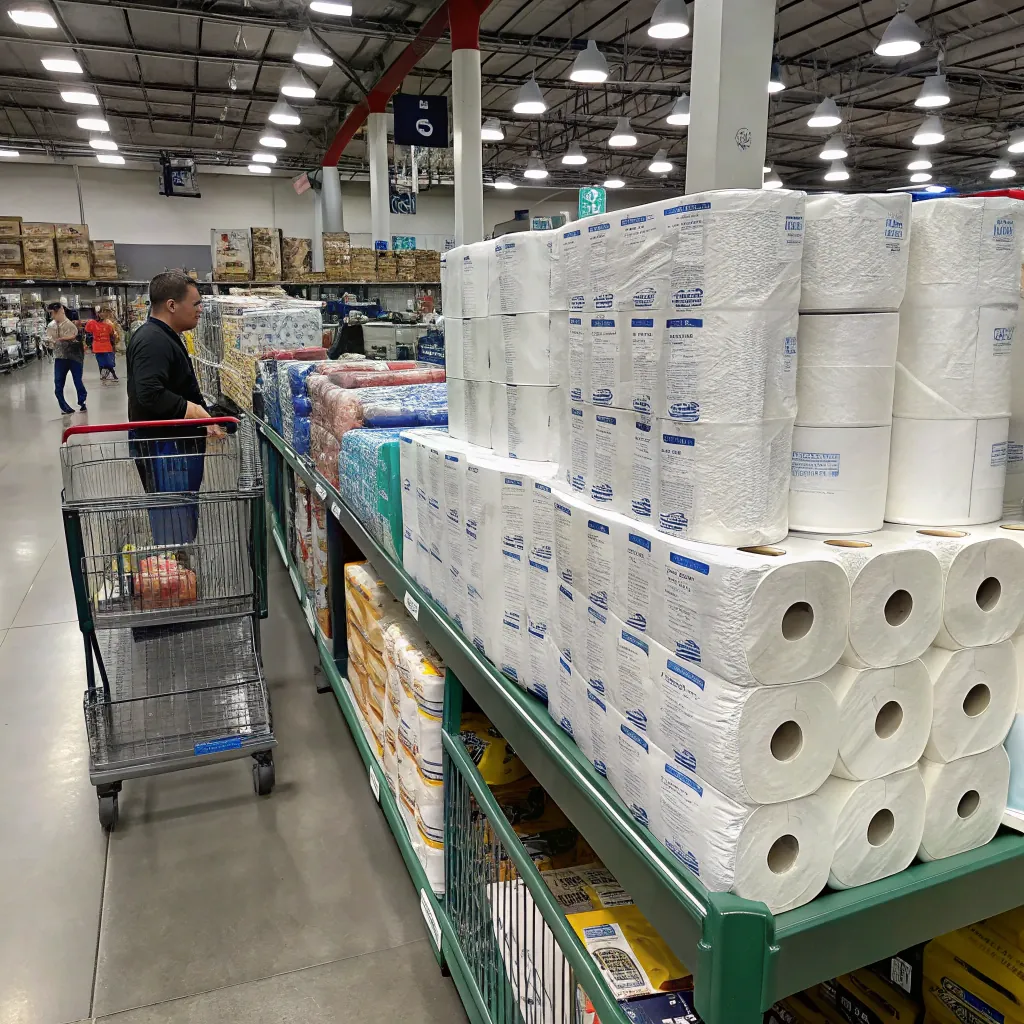
Buying toilet paper feels simple, but the price of a 48-roll pack often creates doubt. The number looks big, the shelf price looks high, and it is hard to know if it is really a good deal.
In most markets, a 48-roll pack of toilet paper usually costs between USD 20 and USD 45, depending on quality, brand, and where it is purchased. The real value is not the total price, but the cost per roll and how long it lasts.
Many buyers stop at the sticker price and miss the deeper logic behind bulk pricing. That is why it helps to break the question down and look at the real factors that shape the cost.
What factors affect the price of bulk toilet paper?
The price of a 48-roll pack does not come from one simple rule. It is built from many small decisions made during production, packing, shipping, and selling.
Bulk toilet paper pricing is mainly affected by raw material type, roll size, ply count, packaging method, brand position, and logistics costs. When these change, the final price changes quickly.
Raw material and pulp source
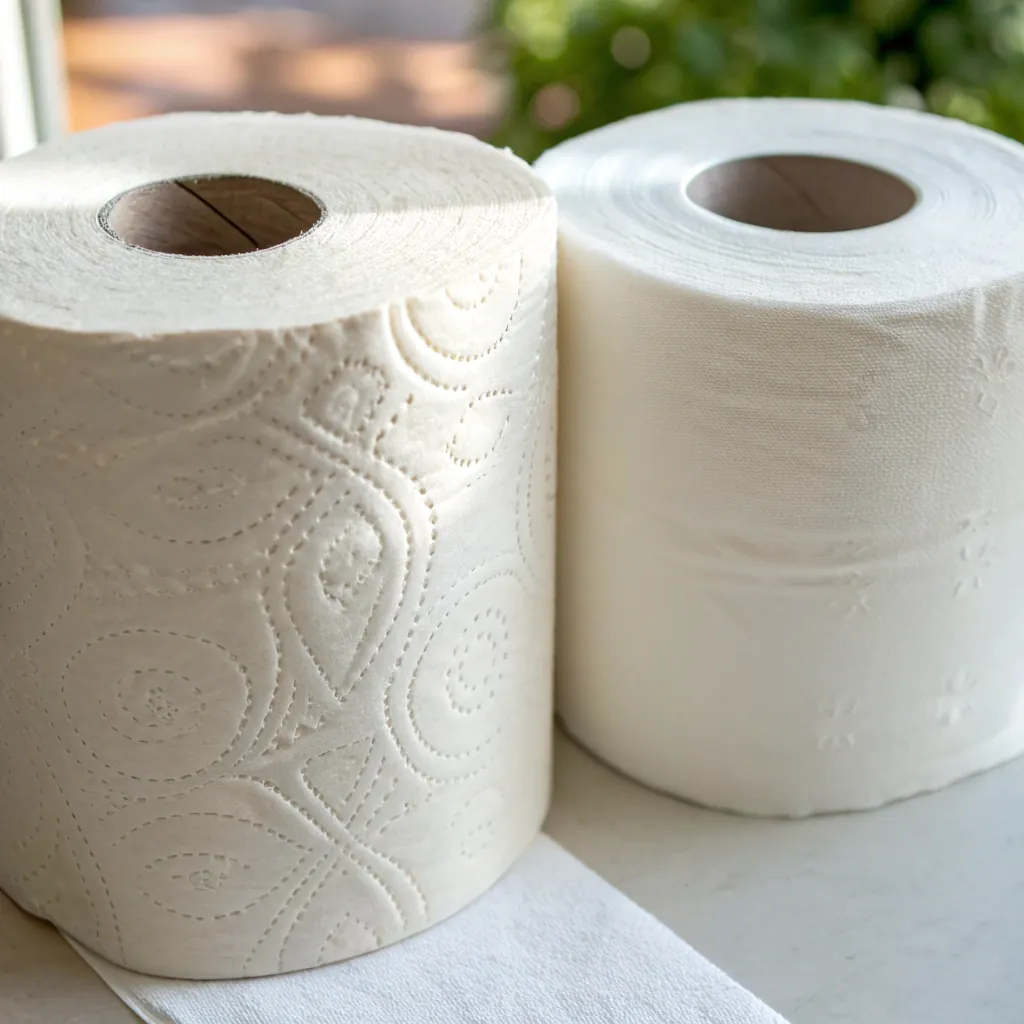
Paper starts with pulp. This is where cost differences begin. Virgin wood pulp costs more than recycled pulp. Bamboo pulp often sits between the two.
Virgin pulp feels softer and looks whiter. Recycled pulp lowers cost but may feel rougher. Bamboo pulp adds an eco label, which raises price in some markets.
When buying 48 rolls, even a small change in pulp quality can add several dollars to the total price.
Roll size and sheet count
Not all rolls are equal. Some brands sell smaller rolls with fewer sheets. Others offer long rolls designed to last longer.
A cheap 48-roll pack may contain short rolls. A more expensive pack may have fewer roll changes and less waste. The price difference often hides here.
The table below shows how roll size changes real value.
| Roll Type | Sheets per Roll | Total Sheets (48 Rolls) | Perceived Value |
|---|---|---|---|
| Small roll | 150 | 7,200 | Low |
| Standard roll | 250 | 12,000 | Medium |
| Large roll | 400 | 19,200 | High |
Looking only at the number of rolls can be misleading.
Ply count and thickness
Single-ply paper costs less. Two-ply and three-ply cost more. Thicker paper uses more pulp and slows production speed.
Many low-priced bulk packs use single-ply paper. They look cheap but are used faster. Two-ply paper often balances comfort and cost.
Higher ply count increases price but can reduce total usage over time.
Packaging and branding
Plain plastic wrap costs less than printed retail packaging. Strong branding, color printing, and retail-ready packs all increase cost.
Bulk packs sold for wholesale or commercial use often skip fancy packaging. Retail packs focus on shelf appeal and marketing.
This explains why the same paper can cost more in a supermarket than in a warehouse club.
Shipping and storage costs
Toilet paper is bulky and light. It takes space but does not weigh much. This makes shipping expensive per unit.
Long-distance shipping, fuel prices, and container availability all affect final price. Local production often lowers cost.
Large 48-roll packs also need more storage space, which adds cost for retailers.
Is buying 48 rolls more cost-effective?
Many buyers wonder if a 48-roll pack is truly cheaper or just feels bigger. The answer depends on how price per roll compares to smaller packs.
In most cases, buying 48 rolls is more cost-effective because the price per roll is lower and packaging costs are spread across more units.
Price per roll comparison
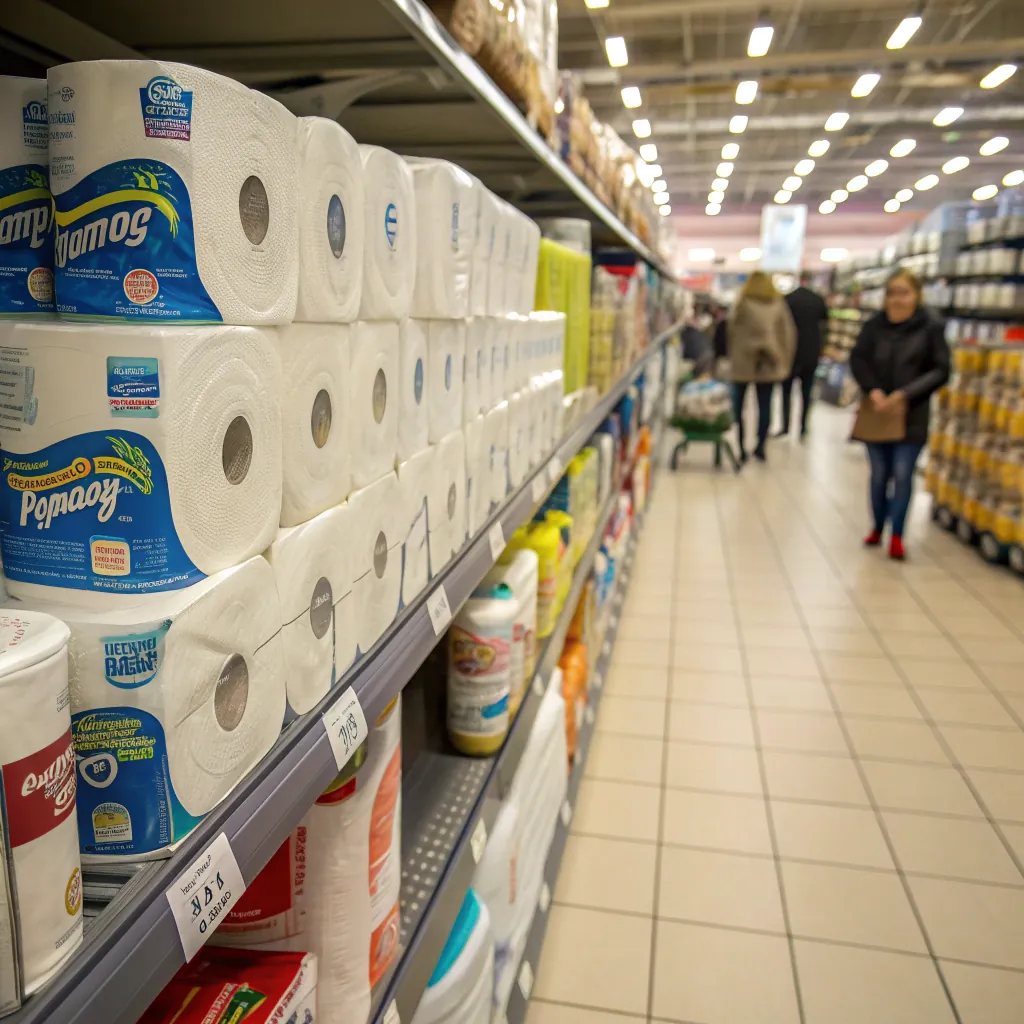
The best way to judge value is to divide total price by number of rolls.
For example:
- 6-roll pack at USD 6 equals USD 1.00 per roll
- 12-roll pack at USD 10 equals USD 0.83 per roll
- 48-roll pack at USD 32 equals USD 0.67 per roll
Even if the total price feels high, the unit cost often drops as pack size grows.
Reduced shopping frequency
Buying 48 rolls means fewer trips to the store. This saves time and transport costs. For families or offices, this matters.
Less frequent buying also reduces the risk of running out. This has value that does not show on the price tag.
Best fit for households and businesses
Large packs suit big households, shared apartments, offices, hotels, and public facilities. Usage is steady and predictable.
For single users with small storage space, a 48-roll pack may not make sense. Cost savings disappear if storage becomes a problem.
When bulk buying may not help
Bulk buying loses value when quality is poor. Thin paper may require double usage. Rolls may finish faster.
If the paper breaks easily, users compensate by using more sheets. This cancels the lower unit price.
Buying bulk only works when quality meets basic needs.
Cost comparison example
The table below shows a simple cost comparison.
| Pack Size | Total Price | Cost per Roll | Estimated Usage Time |
|---|---|---|---|
| 12 rolls | USD 10 | USD 0.83 | 2–3 weeks |
| 24 rolls | USD 18 | USD 0.75 | 1 month |
| 48 rolls | USD 32 | USD 0.67 | 2 months |
The larger pack offers better value for long-term use.
Where can I find deals on large toilet paper packs?
Finding a good price for a 48-roll pack depends on where and how you buy. The same product can have very different prices across channels.
The best deals on 48-roll toilet paper packs are usually found in warehouse clubs, online bulk platforms, factory-direct sellers, and during seasonal promotions.
Warehouse clubs and wholesale stores
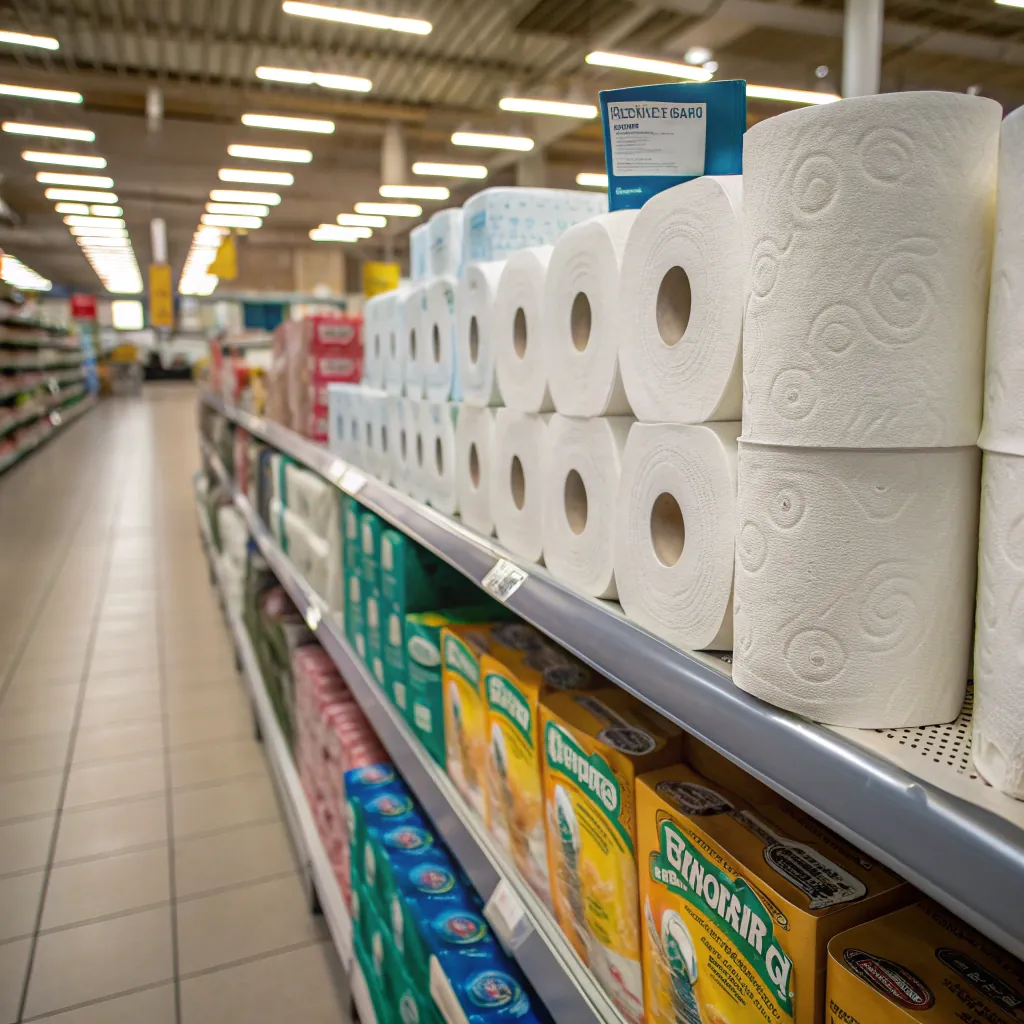
Warehouse clubs focus on bulk sales. They move high volume with low margins.
Prices are often lower because packaging is simple and turnover is fast. Membership fees offset thin margins.
These stores are ideal for families and small businesses.
Online bulk platforms
Online platforms allow price comparison. Sellers compete directly, which pushes prices down.
Many platforms offer subscription discounts or bundle deals. Delivery costs should always be checked.
Online reviews also help avoid low-quality products.
Factory-direct and OEM suppliers
Buying directly from manufacturers removes middle layers. This is common for businesses, importers, and wholesalers.
Minimum order quantities apply, but unit price drops sharply. Custom packaging and branding become possible.
This route suits buyers who need stable long-term supply rather than one-time purchases.
Seasonal and promotional timing
Prices drop during sales seasons, clearance events, or end-of-year stock cycles.
Retailers reduce bulky inventory to free warehouse space. Toilet paper often joins these promotions.
Watching price history helps identify real deals.
Local distributors and cash-and-carry stores
Local distributors sometimes offer better prices than big retail chains, especially in developing markets.
They work with lower overhead and focus on fast turnover.
Negotiation is often possible when buying multiple packs.
How does quality affect toilet paper pricing?
Quality is the silent factor behind toilet paper pricing. Two packs may look similar but feel very different in use.
Higher quality toilet paper costs more because it uses better pulp, higher ply count, stronger bonding, and stricter quality control. These features improve comfort and reduce waste.
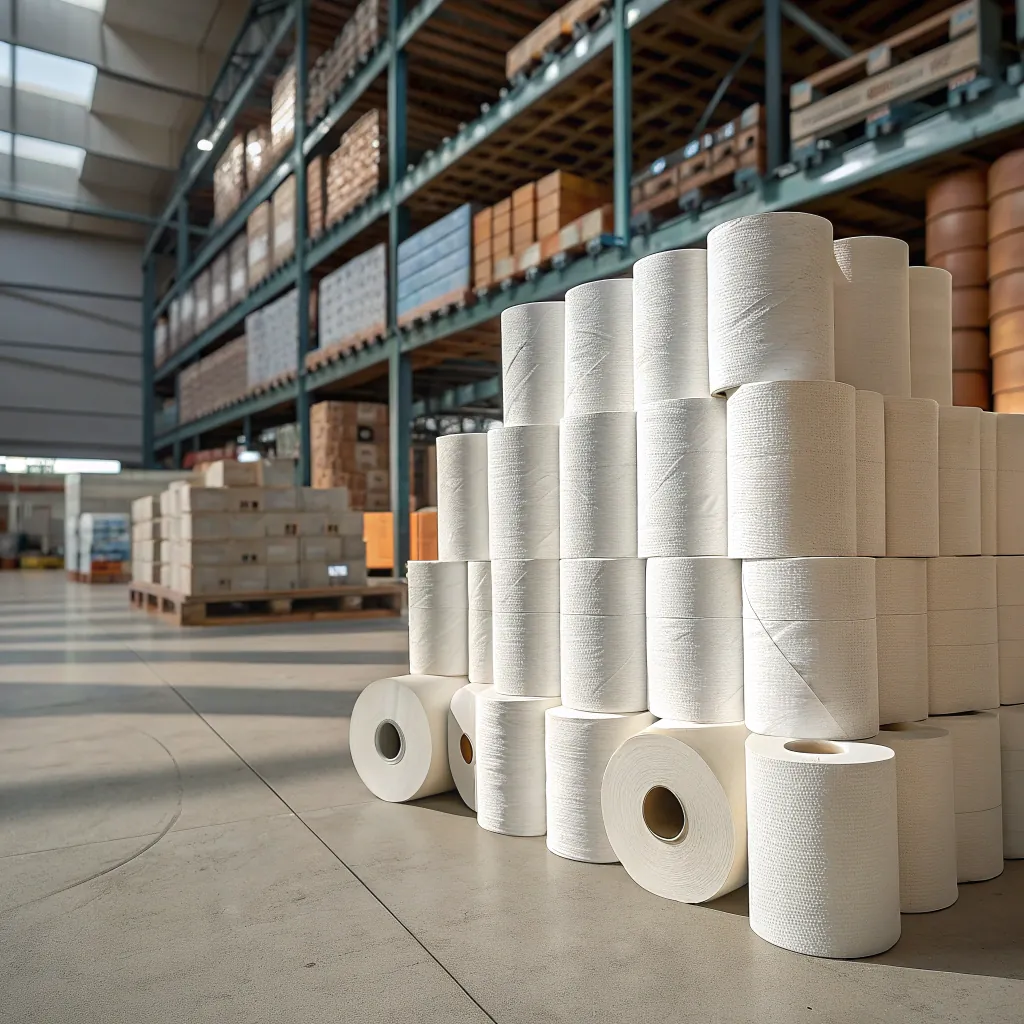
Softness and user comfort
Softness comes from fiber quality and processing. Longer fibers feel smoother on skin.
Soft paper costs more to produce. Many buyers are willing to pay extra for daily comfort.
In bulk packs, softness differences become more obvious over time.
Strength and absorbency
Strong paper does not tear easily. Good absorbency reduces the number of sheets needed.
Low-quality paper often feels cheap because it fails under pressure. Users then use more sheets.
Strong paper can reduce total consumption, even if price per roll is higher.
Consistency and production control
Quality control ensures each roll has the same weight, size, and performance.
Inconsistent rolls frustrate users and hurt trust. Better factories invest in inspection and testing.
This adds cost but protects brand reputation.
Environmental and safety standards
Eco claims, food-grade safety, and skin-safe standards all add cost.
Certifications require testing, audits, and compliant materials.
For many buyers, this added cost brings peace of mind.
Long-term value view
Cheap toilet paper often looks attractive at checkout. Over time, it may cost more through faster usage.
Quality paper balances price, comfort, and durability.
Smart buyers focus on cost per use, not cost per pack.
Conclusion
A 48-roll pack of toilet paper usually costs more upfront, but it often delivers better value over time. The real price depends on material, roll size, quality, and where it is bought. Looking beyond the sticker price helps buyers make smarter choices.