Many buyers look at toilet paper every day but never think about its size. Problems start when a roll does not fit a dispenser, feels smaller than expected, or runs out too fast.
The circumference of a standard toilet paper roll is usually between 38 cm and 48 cm, depending on roll diameter and paper thickness. This number matters more than most people think.
Once we understand how circumference works, many hidden buying mistakes become clear. That is why this topic deserves a closer and more practical look.
How is toilet paper roll circumference measured?
To many people, circumference sounds technical. In reality, it is a simple measurement with clear meaning for daily use.
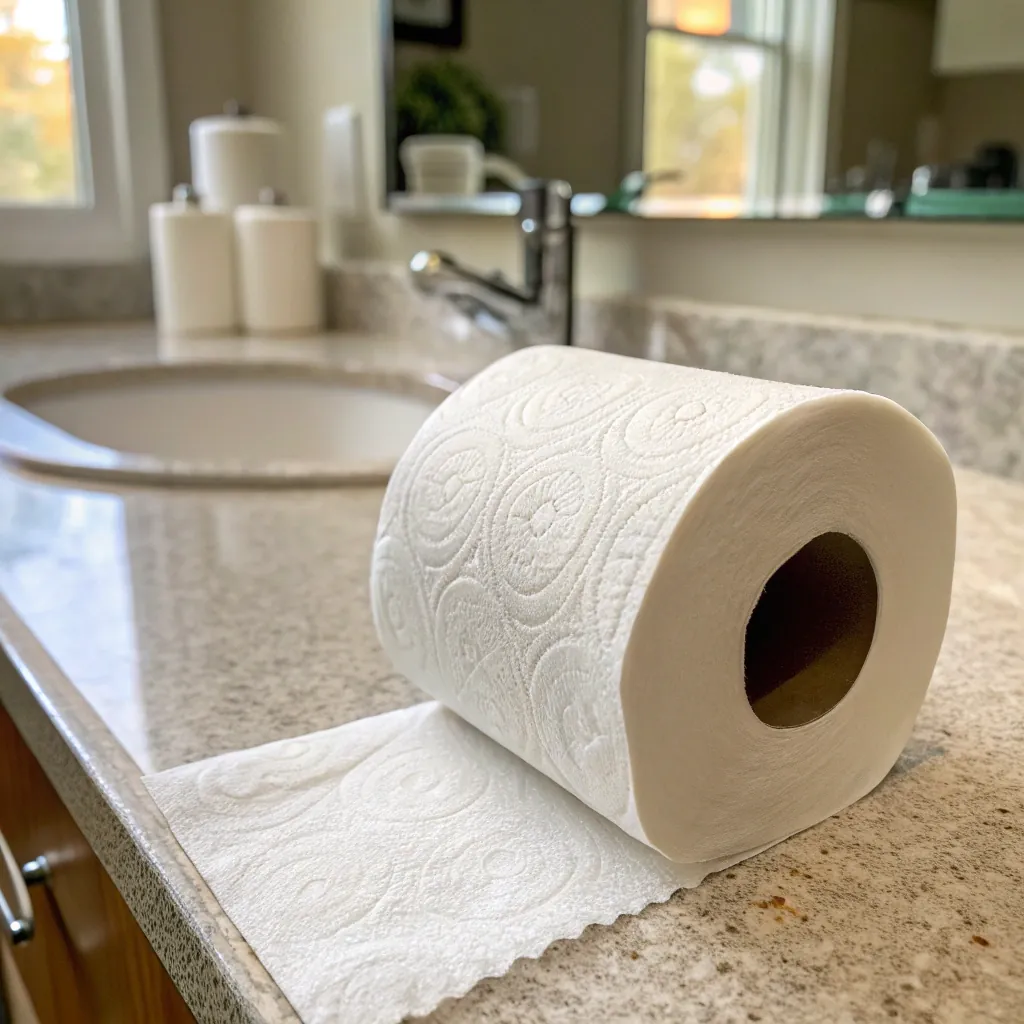
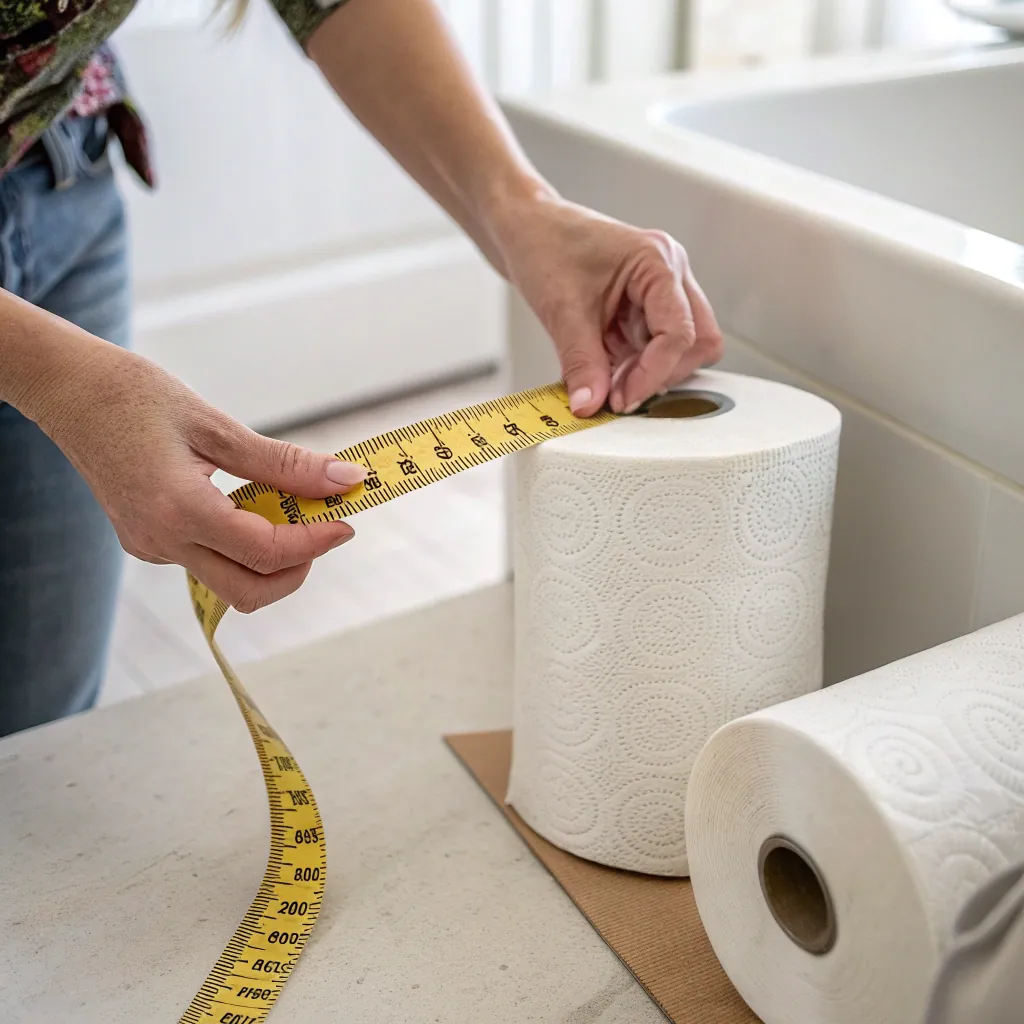
Toilet paper roll circumference is measured by wrapping a tape or string around the outer edge of the roll and recording the total length. This measures the roll’s outer size, not the cardboard core.
What circumference really means
Circumference describes the distance around a circle. For toilet paper, that circle is the outside of the roll.
It is different from diameter. Diameter measures straight across the roll. Circumference measures all the way around.
These two values are linked. When diameter increases, circumference also increases.
Basic formula explained simply
The relationship is simple:
Circumference = Diameter × 3.14
This means a roll with a 12 cm diameter has a circumference of about 37.7 cm.
Most buyers never calculate this, but manufacturers do. It helps control roll size and dispenser fit.
How factories measure it
In production, circumference is checked using:
- Flexible measuring tapes
- Automated laser sensors
- Weight and diameter calculations combined
Factories care about this number because small changes affect packing, shipping, and user experience.
Common measurement mistakes
Some people measure the cardboard core by mistake. That gives a much smaller number.
Others press the tape too tightly, which compresses the paper and lowers the result.
Proper measurement requires light contact, not pressure.
Why this measurement matters
Circumference affects:
- Whether the roll fits dispensers
- How many sheets can be wound
- How bulky the final pack becomes
This is why professional buyers always ask for roll diameter or circumference, not just roll count.
Does roll girth vary by type or brand?
Many buyers assume all toilet paper rolls are the same size. This is not true. Roll girth changes across types, markets, and brands.
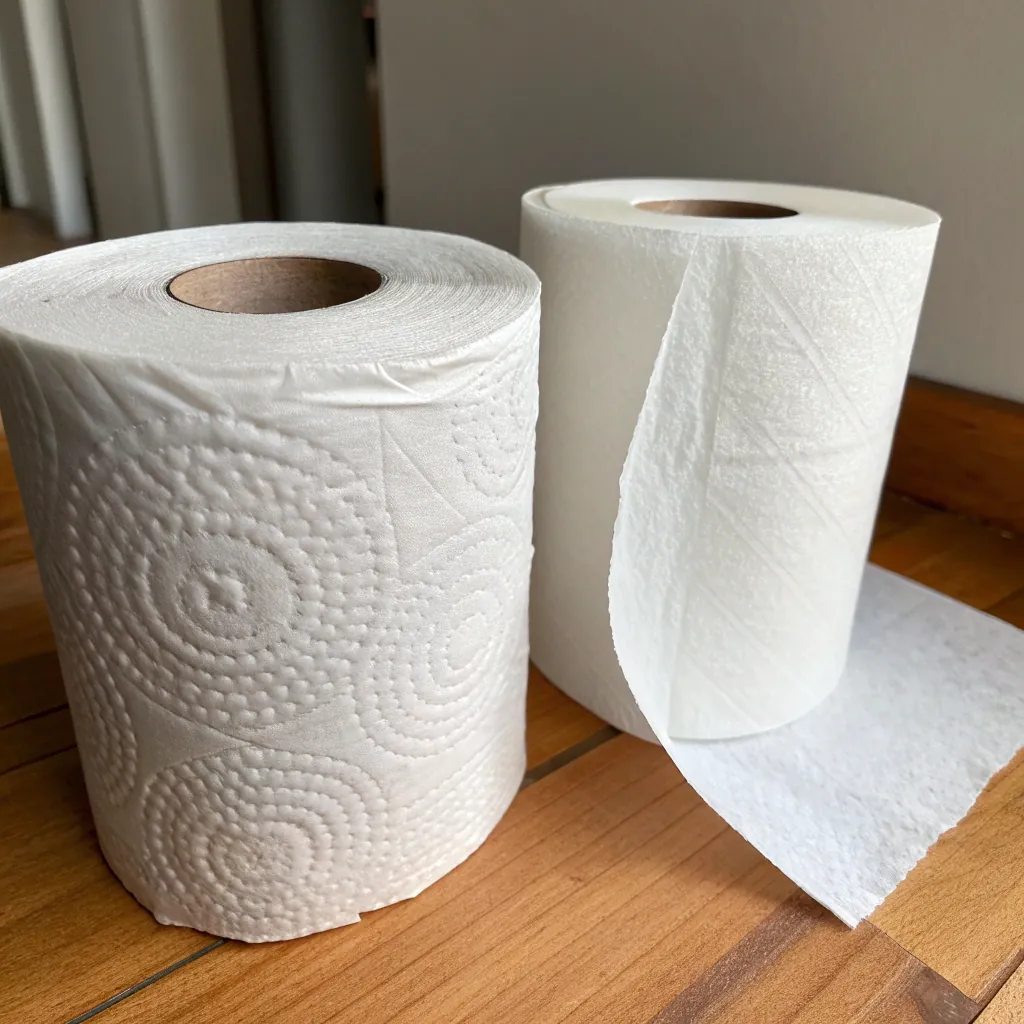
Yes, toilet paper roll circumference varies widely based on paper type, ply count, winding tension, and target market positioning. There is no single global standard.
Differences by roll type
Household rolls are often medium to large in circumference. They focus on comfort and fewer roll changes.
Commercial rolls, like jumbo rolls, have much larger circumference. They are designed for public restrooms and high traffic.
Compact rolls reduce circumference to save shelf and storage space.
Ply count and thickness effect
Two-ply and three-ply paper increases thickness. Thicker paper builds roll diameter faster.
Single-ply paper can pack more sheets into the same circumference.
This means two rolls with the same sheet count can still have different outer sizes.
Winding tension during production
Paper can be wound tightly or loosely.
Tight winding reduces circumference while keeping sheet count the same. Loose winding increases circumference and makes rolls feel bigger.
Some low-cost brands use loose winding to create a “big roll” look without adding sheets.
Brand positioning strategy
Premium brands often choose larger circumference rolls. Bigger rolls feel more valuable on the shelf.
Value brands may reduce circumference to cut costs and improve shipping efficiency.
Commercial brands optimize for dispenser compatibility, not shelf appeal.
Regional market differences
In some regions, small bathroom spaces demand smaller rolls.
In others, bulk buying and large storage areas allow bigger rolls.
This explains why the same brand may sell different roll sizes in different countries.
Can circumference impact dispenser fit?
Dispenser fit is one of the most common real-world problems caused by roll circumference. Many people only notice it after installation fails.
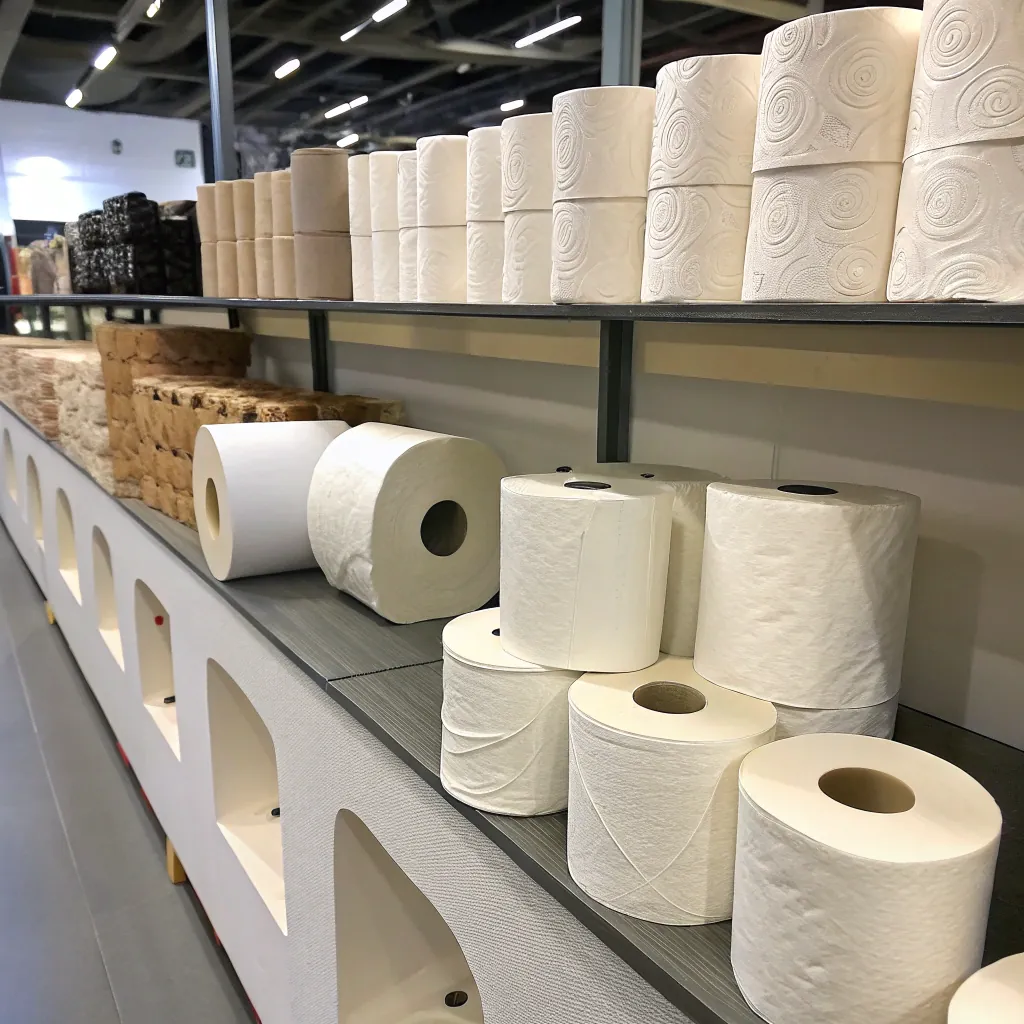
Yes, roll circumference directly impacts whether toilet paper fits and rotates smoothly inside a dispenser. This affects homes, offices, hotels, and public facilities.
Home bathroom dispensers
Most home dispensers are designed for standard rolls.
If circumference is too large, the roll rubs against the wall or does not spin freely.
This causes tearing, paper waste, and user frustration.
Commercial dispenser limitations
Commercial dispensers have strict size limits.
Jumbo roll dispensers accept very large circumference rolls. Standard dispensers do not.
Using the wrong roll size can cause jams, uneven feeding, or complete dispenser failure.
Hidden cost of wrong fit
When rolls do not fit:
- Staff spend time fixing jams
- Users pull harder and waste paper
- Rolls are damaged before use
These hidden costs add up quickly in hotels and offices.
Planning for dispenser compatibility
Professional buyers always check:
- Maximum roll diameter allowed
- Core size requirements
- Roll width limits
Circumference ties all these values together.
Simple check before buying
Before ordering large quantities, testing one roll in the actual dispenser avoids costly mistakes.
This step sounds small but saves time, money, and complaints later.
Is circumference related to number of sheets?
Many buyers assume bigger circumference means more sheets. This is sometimes true, but not always.
Circumference is related to sheet count, but it is also influenced by paper thickness, ply count, and winding tension. It is not a direct indicator on its own.
Sheet count basics
Sheet count depends on:
- Total paper length
- Sheet length
- Core size
Circumference only reflects the outer size, not the total length inside.
Same circumference, different sheet counts
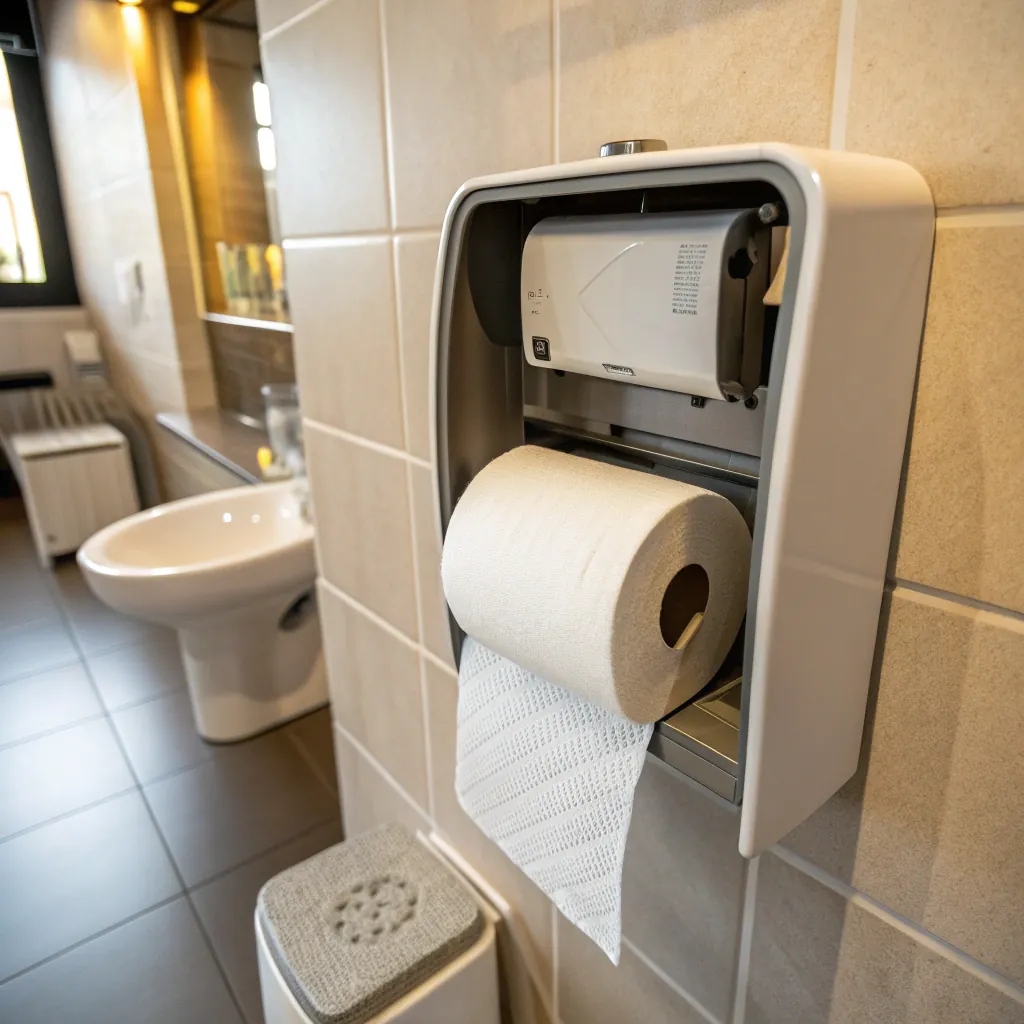
Two rolls can share the same circumference but have different sheet counts.
Thicker paper fills space faster. Thinner paper fits more sheets into the same volume.
This is why sheet count must always be checked separately.
How consumers are misled
Some packaging highlights “big roll” or “mega roll” without stating sheet count clearly.
This creates confusion. The roll looks large but may not last long.
Smart buyers look past roll size and read the technical details.
Relationship explained simply
Circumference tells you how big the roll looks.
Sheet count tells you how long it lasts.
Both matter, but they answer different questions.
Practical buying rule
For fair comparison:
- Compare sheet count
- Compare ply
- Compare circumference only after those two
This approach avoids false value assumptions.
Conclusion
The circumference of a toilet paper roll usually falls between 38 and 48 cm, but this number changes with paper type, thickness, and production method. Circumference affects dispenser fit, roll appearance, and packing efficiency. Understanding it helps buyers avoid common and costly mistakes.