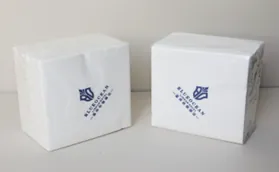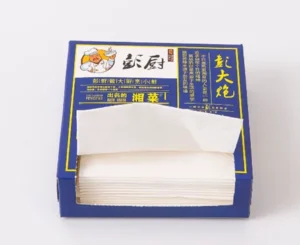
Many people use toilet paper every day but never stop to think about where it came from. I often see surprise when people learn it is not a modern invention. This simple product has a long and global story.
Toilet paper was first made in ancient China, where early paper was used for hygiene centuries before modern industry. Later, industrial production spread across many countries as sanitation habits changed.
This topic does not stop at history. Today, toilet paper connects forests, factories, trade routes, and environmental rules. To understand the full picture, it helps to look at where it started, where it is made now, and how production has changed.
Which country first manufactured toilet paper?

People often assume toilet paper started in Europe or the United States. That idea feels logical because modern brands grew there. The real origin is much earlier and very different.
China was the first country to manufacture toilet paper for hygiene use. Written records show paper was used for personal cleaning as early as the 6th century.
Early paper and hygiene in China
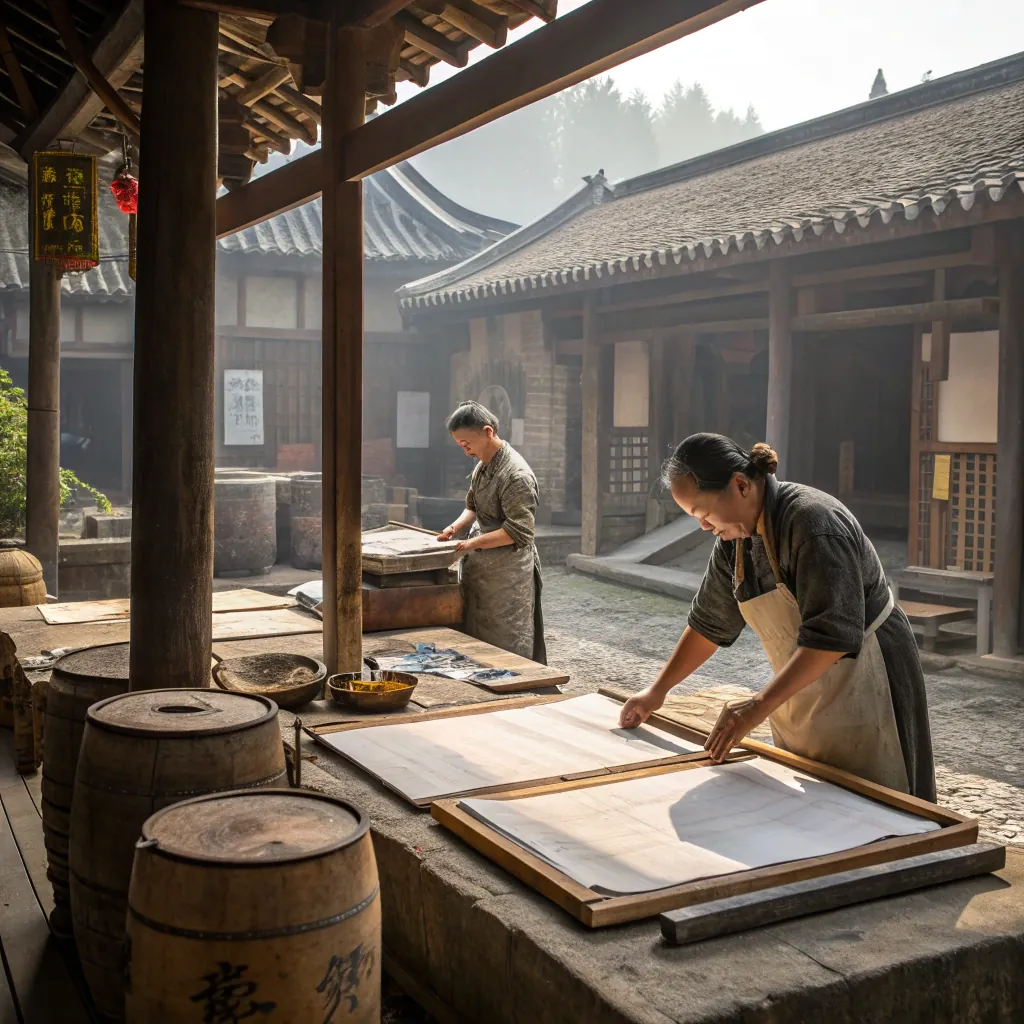
Paper itself was invented in China around the Han Dynasty. At first, paper was valuable and limited. It was used for writing and records. As production improved, paper became cheaper and more available. This opened the door for daily uses.
By the Tang Dynasty, historical texts mention paper used in toilets. These were not rolls like today. They were sheets made from plant fibers. The idea was simple: paper was softer and cleaner than other materials.
During the Ming Dynasty, production scaled up. Records describe large quantities of paper made specifically for the imperial court. This paper was cut to size and delivered for hygiene use. This is the first known example of organized toilet paper manufacturing.
Why toilet paper did not spread immediately
Other regions used different materials. In Europe, people used cloth, straw, moss, or water. In some areas, reusable cloth was common. These habits lasted for centuries.
Paper was also expensive outside China. Without cheap pulp and large-scale paper mills, toilet paper was not practical. Cultural habits also played a role. Hygiene practices change slowly.
Transition to industrial production
Modern toilet paper, as we know it, appeared much later. In the 19th century, paper mills in the United States and Europe began producing paper specifically for toilets. These early products were flat sheets, not rolls.
The roll format came later and quickly became popular. It was easy to store and use. From this point, toilet paper became a global commodity.
| Period | Region | Key Development |
|---|---|---|
| 6th century | China | Paper used for hygiene |
| Ming Dynasty | China | Large-scale toilet paper supply |
| 19th century | USA, Europe | Commercial toilet paper |
| Late 19th century | USA | Rolled toilet paper |
This history shows that toilet paper is both ancient and modern. The idea is old, but the industry is new.
Where is most toilet paper produced today?
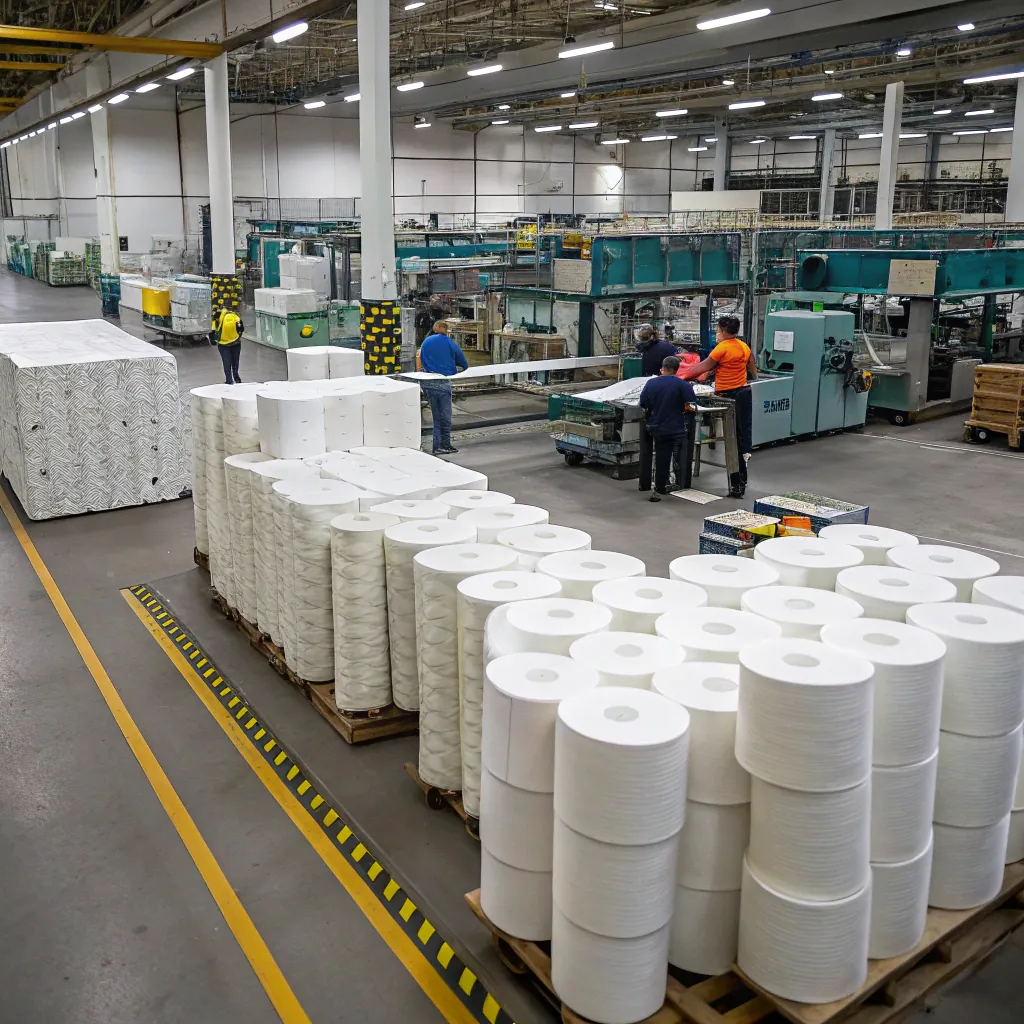
When people look at a roll in their bathroom, they often assume it was made locally. In reality, production is spread across many regions, with some clear leaders.
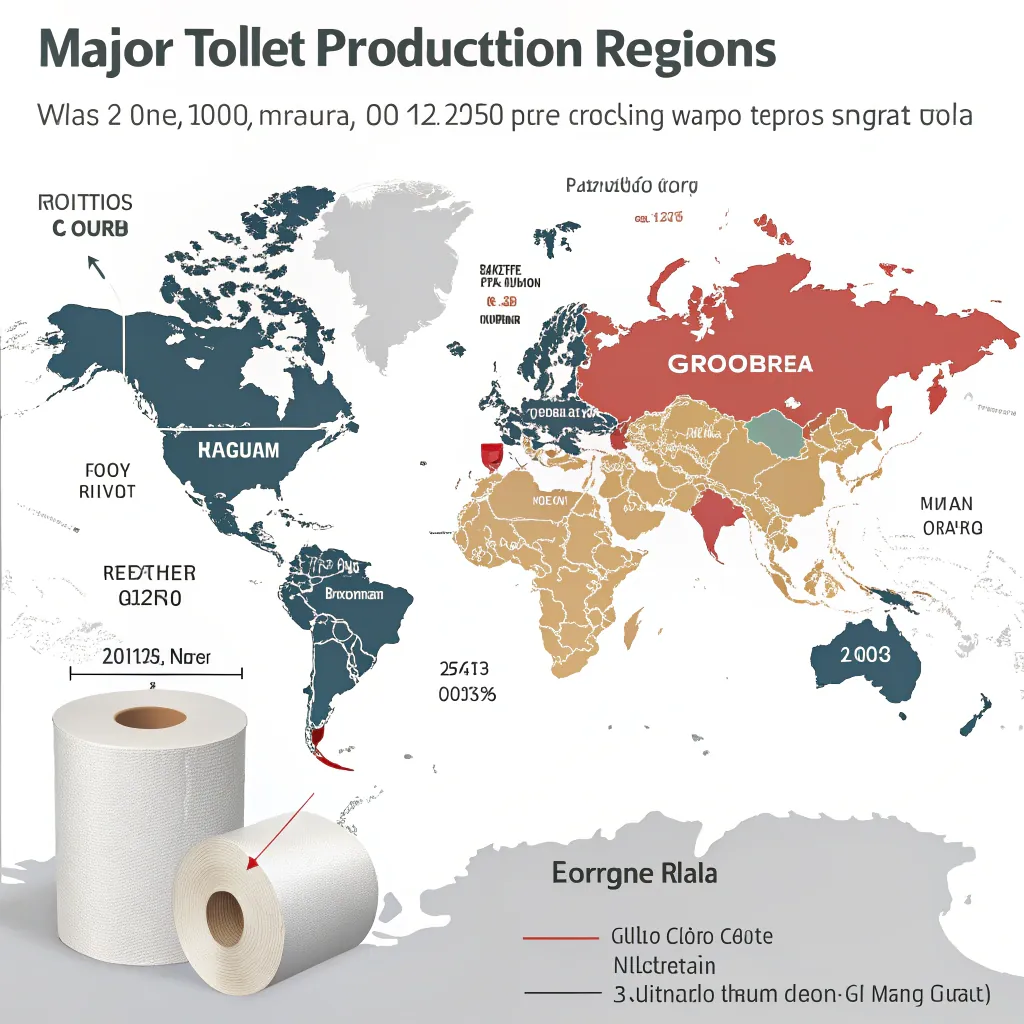
Today, most toilet paper is produced in China, the United States, and parts of Europe, with China leading global export volume. Production follows access to pulp, energy, and large-scale factories.
Major producing regions
China is the largest producer by volume. It has strong pulp supply chains, advanced machinery, and large domestic demand. Many factories focus on OEM and private label production for global brands.
The United States is another major producer. Most production serves the local market. Transporting toilet paper is costly because it is bulky. This encourages domestic manufacturing.
Europe has strong producers in countries like Germany, Sweden, and Italy. These countries focus on high-quality paper, recycled materials, and strict standards.
Other regions, such as Southeast Asia, South America, and the Middle East, are growing. These areas often serve regional markets and reduce import dependence.
Why production clusters in certain countries
Raw material access matters. Wood pulp and recycled paper must be nearby. Energy cost also plays a role. Paper production uses large amounts of electricity and water.
Labor and machine efficiency are also important. Modern toilet paper factories rely on automated lines. Countries with experience in paper machinery have an advantage.
Shipping cost is a final factor. Toilet paper takes up space but has low unit value. This limits long-distance transport for finished goods.
Domestic use versus export
Some countries produce mainly for local use. Others focus on export. China exports large volumes to Africa, the Middle East, Southeast Asia, and parts of Europe. The United States exports less but dominates its own market.
| Region | Main Focus | Export Level |
|---|---|---|
| China | OEM, bulk supply | Very high |
| United States | Domestic retail | Low |
| Europe | Quality, eco products | Medium |
| Southeast Asia | Regional supply | Growing |
From experience, buyers often balance price, quality, and shipping time. This is why production is both local and global at the same time.
Are toilet paper factories eco-certified?
Environmental concern is growing fast. Many buyers now ask about sustainability before price. This raises an important question about factory standards.
Many toilet paper factories hold eco and quality certifications, but not all manufacturers meet the same environmental level. Certification depends on market focus and customer demand.
Common environmental certifications
Factories that export often follow international standards. These standards check raw materials, production processes, and waste control.
FSC certification focuses on responsible forest management. It ensures wood pulp comes from controlled sources. ISO 14001 covers environmental management systems. It checks how factories reduce waste and pollution.
Other certifications address product safety and chemical control. These standards matter for markets with strict rules.
Differences between certified and non-certified factories
Certified factories invest more in systems and audits. They track water use, energy use, and emissions. This raises costs but improves trust.
Non-certified factories may still follow good practices. However, without audits, buyers have less proof. These factories often serve price-sensitive markets.
Recycled and alternative materials
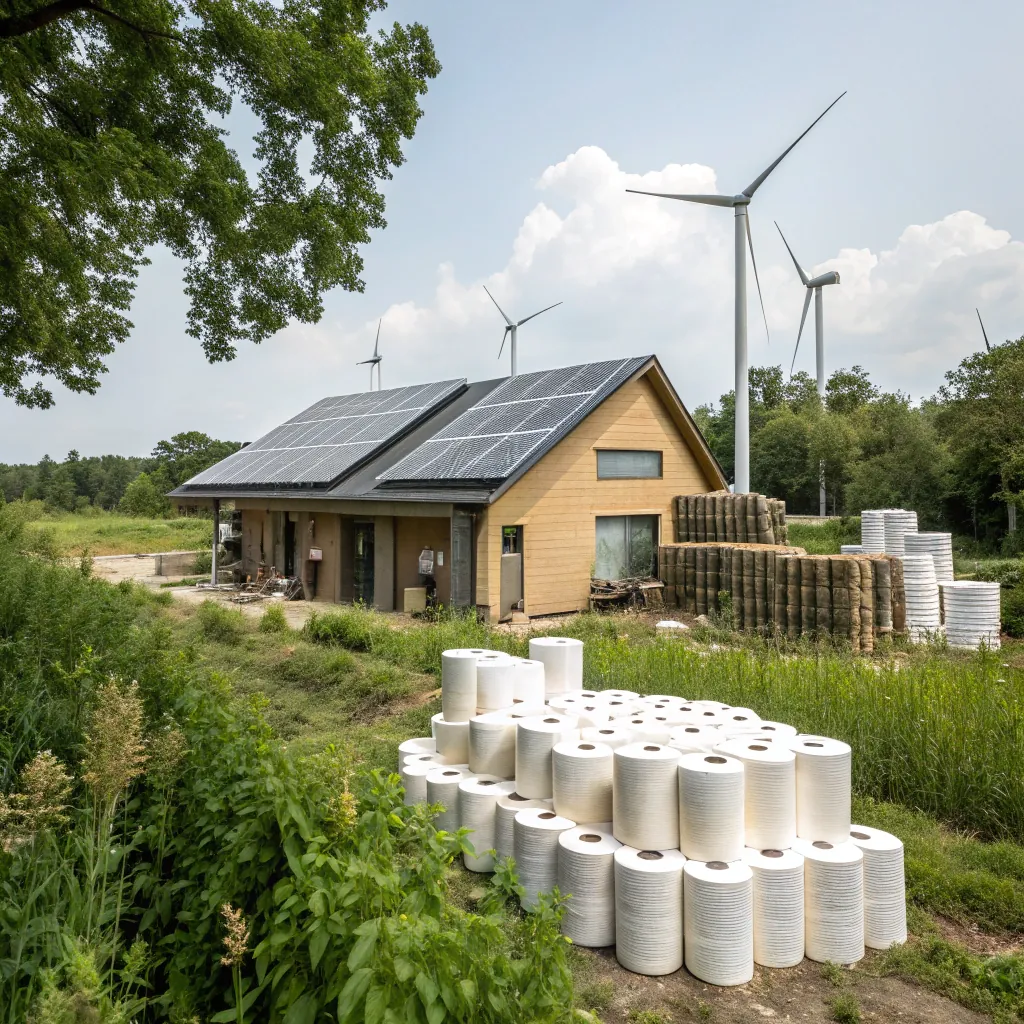
Many eco-focused factories use recycled paper. This reduces tree cutting but requires strong cleaning systems. Some factories use bamboo pulp. Bamboo grows fast and needs less land.
Each material has trade-offs. Recycled paper saves trees but uses more water in cleaning. Bamboo grows fast but requires new processing lines.
Why certification matters to buyers
Retailers and governments often require certification. Without it, products may not enter certain markets. Certification also supports branding and long-term trust.
From real trade experience, certified factories attract stable partners. Even when prices are higher, buyers value lower risk.
Is manufacturing localized or globalized?
Toilet paper seems like a local product. At the same time, global trade plays a big role. This creates a mixed model.
Toilet paper manufacturing is both localized and globalized. Production often happens close to consumers, while raw materials, machines, and brands move globally.
Why localization still matters
Toilet paper is bulky and light. Shipping it long distances costs money. This pushes factories to stay near large markets. Local production also protects supply during emergencies.
During global disruptions, many regions saw shortages. This reminded buyers why local factories matter.
Why globalization continues
Even with local production, globalization is strong. Pulp may come from another country. Machines often come from Europe or Asia. Brands manage supply chains across borders.
OEM production is also global. Many brands do not own factories. They work with overseas manufacturers to reduce cost and speed up entry.
Regional hubs and trade flows
Some countries act as hubs. They produce for many nearby markets. This balances shipping cost and scale efficiency.
For example, one factory may serve several countries within a region. This reduces duplication and keeps prices stable.
The future balance
The future likely keeps this mixed model. Basic products stay local. Customized and private label products remain global. Sustainability rules may push more regional production.
From observation, buyers now ask more questions. They want to know not just where paper is made, but how and why.
Conclusion
Toilet paper began in ancient China but became global through modern industry. Today, production spreads across many regions. History, logistics, and environmental rules all shape where toilet paper is made.