The problem sounds simple, but many buyers and sellers still confuse roll size terms. This confusion leads to wrong cartons, wasted space, and unhappy customers.
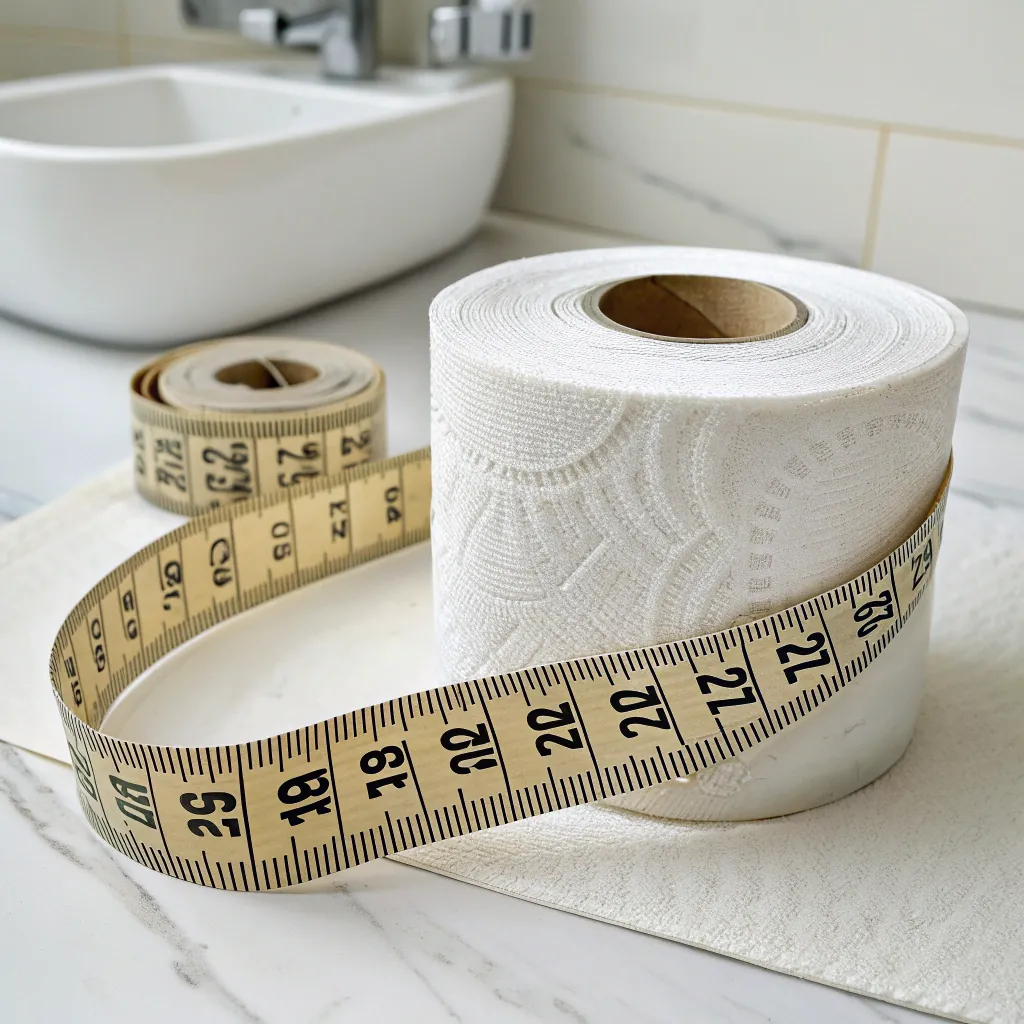
The girth of a toilet paper roll is the distance around the roll’s outer edge, measured as a loop around the roll, not across it. It reflects how much space the roll takes when wrapped, packed, or held.
Girth sounds like a small detail, but it quietly affects transport cost, shelf fit, dispenser choice, and even how full a roll looks to the end user. Once we slow down and define it clearly, many daily problems disappear.
How is girth different from diameter or circumference?
Many people mix these words in emails, drawings, and orders. This is where mistakes begin, especially in bulk toilet paper trade.
Diameter is the straight-line distance across the roll through the center, while girth and circumference describe the distance around the outside of the roll. In daily use, girth and circumference point to the same idea, but diameter is a very different value.
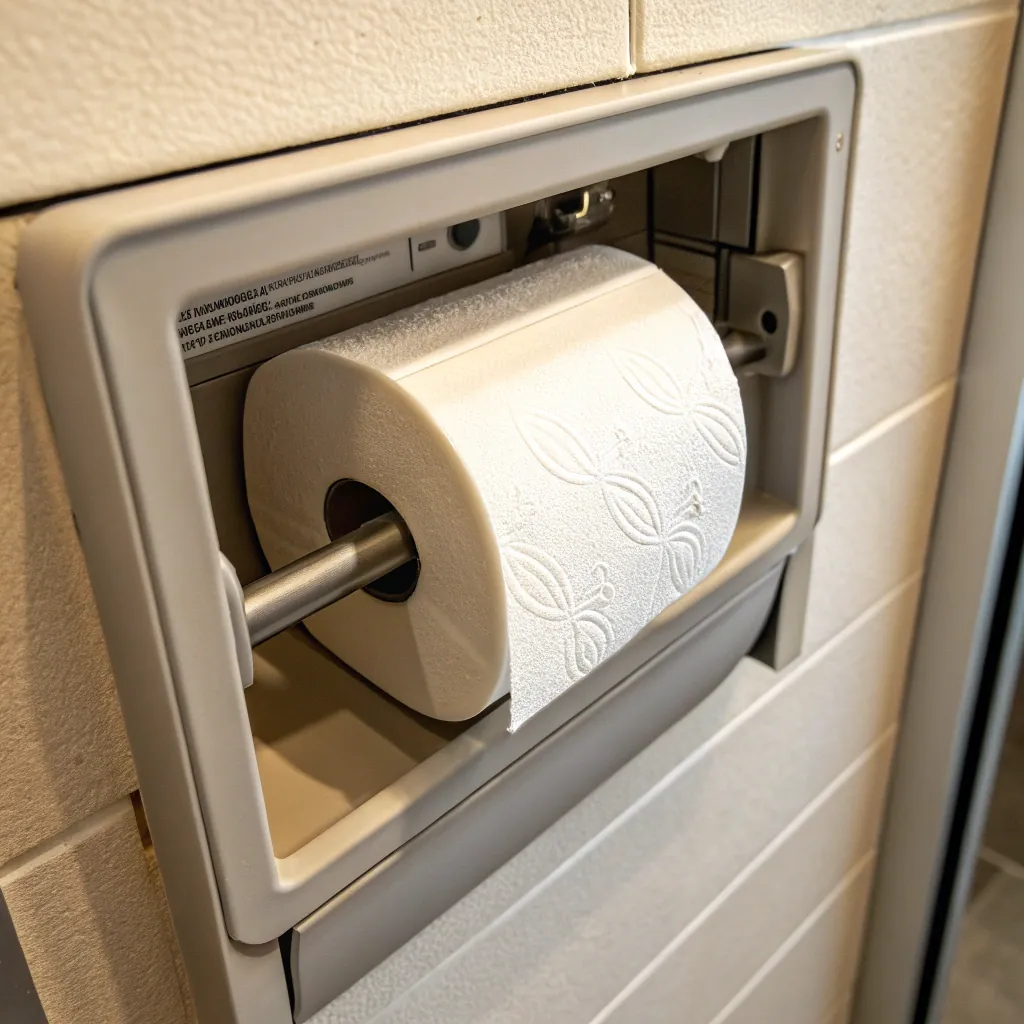
When I talk with buyers, I notice that diameter is easier to imagine, but girth is easier to feel. You see diameter with a ruler. You feel girth when a roll fills your hand or stretches wrapping film.
Simple definitions side by side
To avoid confusion, I always return to basic language.
| Term | What it Measures | How It Is Taken |
|---|---|---|
| Diameter | Straight line across the roll | Measure from edge to edge through center |
| Radius | Half of the diameter | Measure from center to edge |
| Circumference | Distance around the roll | Wrap tape around the roll |
| Girth | Distance around the roll | Wrap tape or string around the roll |
In real trade, girth and circumference often mean the same thing. Still, girth is used more in packaging and shipping talks, while circumference appears more in math and design sheets.
Why people confuse these terms
Confusion usually comes from three sources.
1. Language habits
Some markets use one word for many size ideas. Sales teams then repeat it without checking meaning.
2. Visual guessing
People see a thick roll and say it is “big,” without asking how it is big. Is it wide, tall, or round?
3. Missing measurement tools
Many buyers do not measure rolls. They rely on photos or old samples, which hides the real size.
A simple rule I follow
When someone says “big roll,” I ask one clear question:
“Do you mean larger diameter, more length, or larger girth?”
This single question often saves weeks of correction later.
Does girth change with ply thickness?
At first glance, ply thickness seems unrelated to girth. But once we break the roll apart layer by layer, the link becomes clear.
Yes, girth can change with ply thickness because thicker paper builds up more outer layers as the roll winds, increasing the final outer size.
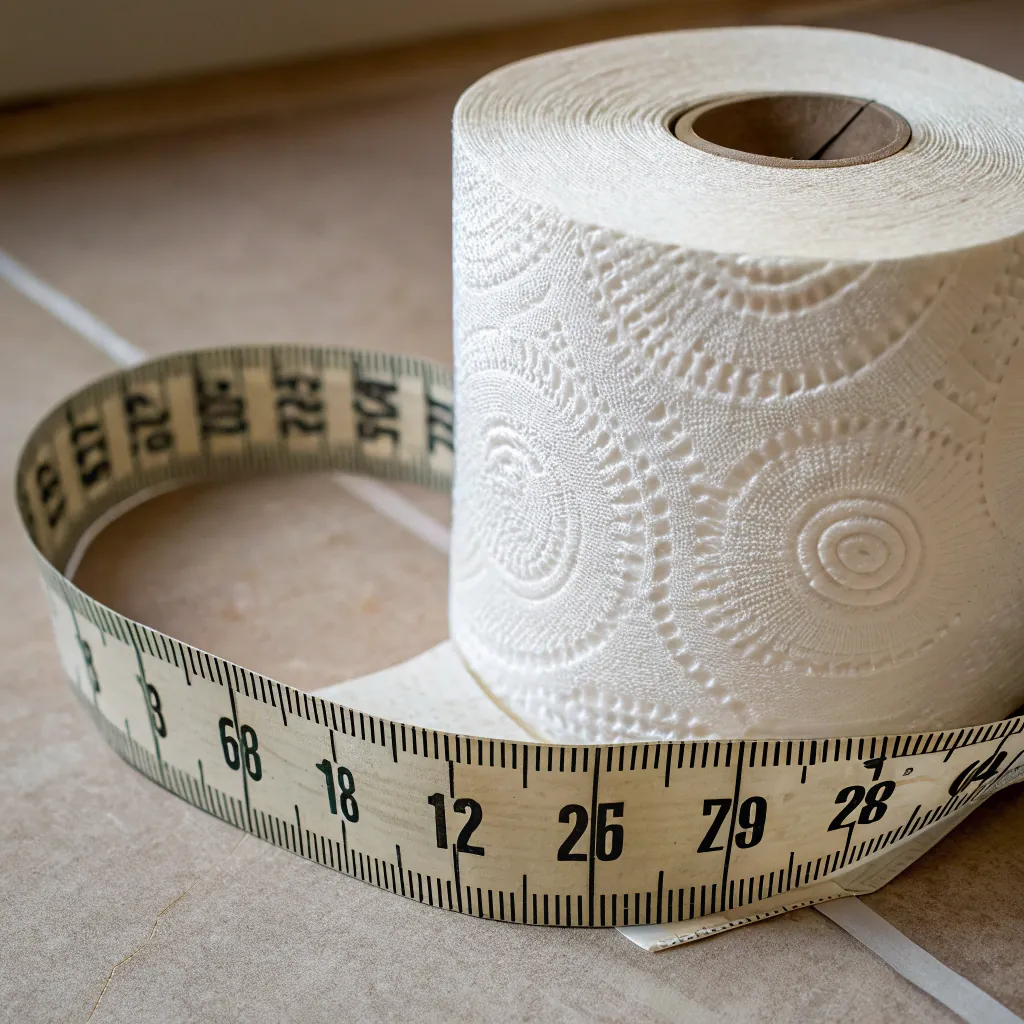
This effect is slow and quiet, but it becomes very real in bulk production and long rolls.
How a toilet paper roll grows
A toilet paper roll starts with a paper core. Paper winds around this core many times. Each layer adds a tiny bit of thickness.
Even a small change in ply thickness can add up.
- Thicker ply = thicker layers
- Thicker layers = faster build-up
- Faster build-up = larger outer size
Over hundreds of layers, this changes the final girth.
Comparing thin and thick ply rolls
Let us compare two rolls with the same sheet length and width.
| Feature | Thin Ply Roll | Thick Ply Roll |
|---|---|---|
| Sheet length | Same | Same |
| Core size | Same | Same |
| Ply thickness | Lower | Higher |
| Number of layers | More | Fewer |
| Outer girth | Smaller | Larger |
Even when sheet count stays fixed, thicker ply pushes the outer edge outward faster.
Why this matters in real orders
In real production, we often see buyers request:
- Same sheet count
- Same roll length
- Same carton size
But then they upgrade ply thickness.
This is where problems appear.
Packing stress
The roll may press harder against film or carton walls.
Carton overflow
Rolls that fit before may no longer fit in the same box count.
Dispenser mismatch
The roll may rub against dispenser walls and fail to rotate well.
Hidden impact on cost
A larger girth can increase cost in quiet ways.
- Fewer rolls per carton
- Lower container loading quantity
- Higher shipping cost per roll
This is why I always check girth again after any ply change. It is not overthinking. It is risk control.
A practical habit I use
Whenever ply changes, I ask for a fresh outer diameter or girth measurement. I never reuse old size data. Paper is soft, but math is strict.
Why does girth matter in packaging design?
Packaging design is where girth becomes impossible to ignore. Here, millimeters decide profit or loss.
Girth matters because it defines how much space each roll occupies, which directly affects carton size, roll count, wrapping tension, and shipping efficiency.
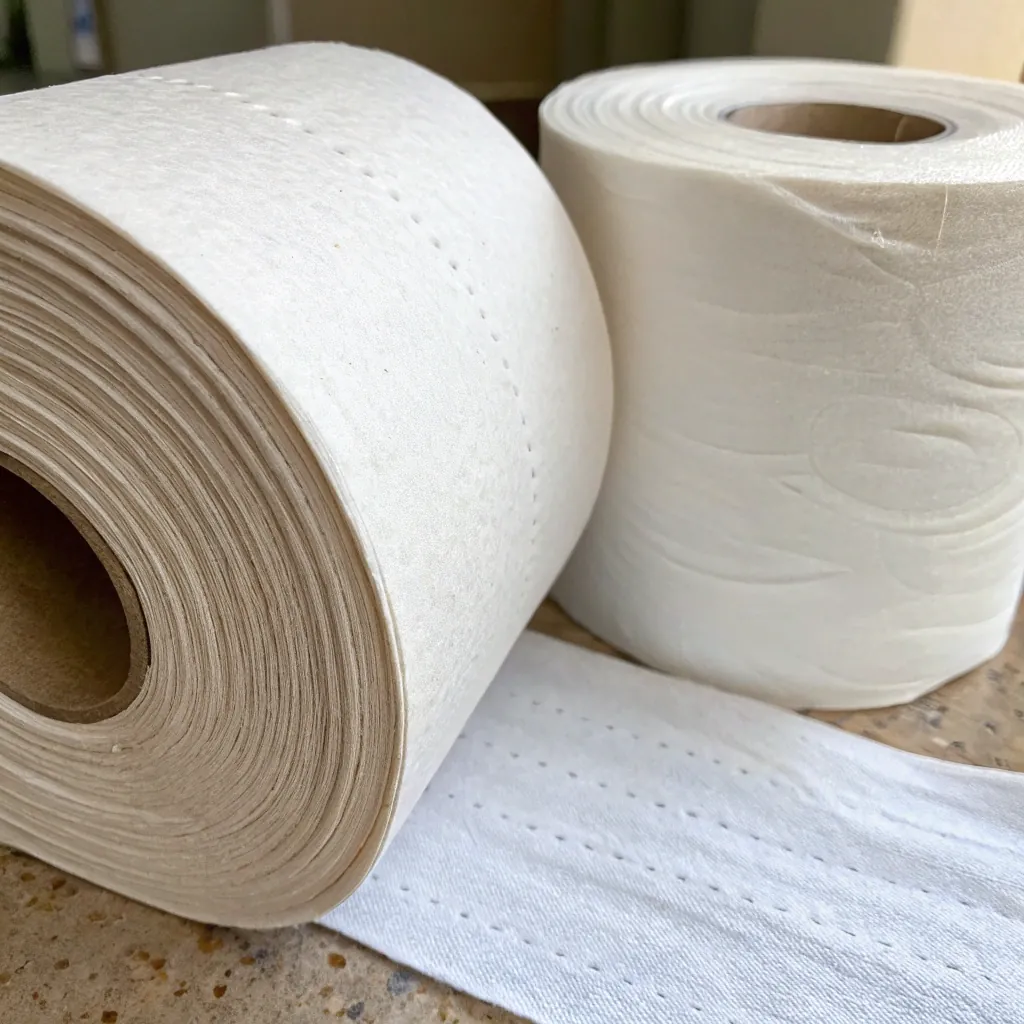
Designers may focus on color and print. I focus on empty air. Girth controls how much air we ship.
Carton efficiency starts with girth
Every carton has three limits:
- Length
- Width
- Height
Roll girth affects all three when rolls are placed side by side or stacked.
If girth increases even slightly, fewer rolls fit per layer.
Example: small girth change, big impact
Let us imagine a simple case.
- Carton width: fixed
- Rolls per row: tight fit
A 5 mm increase in girth may push one roll out of each row.
That loss multiplies across layers and pallets.
Relationship between girth and wrapping
Plastic film and paper wrap depend on girth.
- Too small girth: loose wrap, poor shelf look
- Too large girth: overstretched film, tearing risk
Balanced girth gives stable tension and clean edges.
Packaging design checklist I follow
Core layout
- Single row
- Double row
- Staggered pattern
Each reacts differently to girth change.
Material limits
- Film stretch range
- Carton wall strength
Both must match roll girth.
Transport vibration
A tightly packed roll with correct girth moves less during shipping.
Girth and branding perception
Consumers often judge value by roll fullness.
- Larger girth looks fuller
- Fuller rolls feel premium
But pushing girth too far can backfire if packaging looks squeezed or bent.
A table I often sketch during planning
| Packaging Factor | Low Girth | Balanced Girth | High Girth |
|---|---|---|---|
| Rolls per carton | High | Stable | Lower |
| Film tension | Loose | Optimal | Too tight |
| Shelf look | Flat | Full | Bulging |
| Shipping safety | Lower | Higher | Medium |
This table helps align design, cost, and appearance in one view.
Is girth a factor in choosing dispensers?
Many dispenser problems are blamed on quality. In truth, size mismatch is often the real cause.
Yes, girth is a key factor in dispenser choice because dispensers are built to accept a limited outer roll size, not just core diameter.
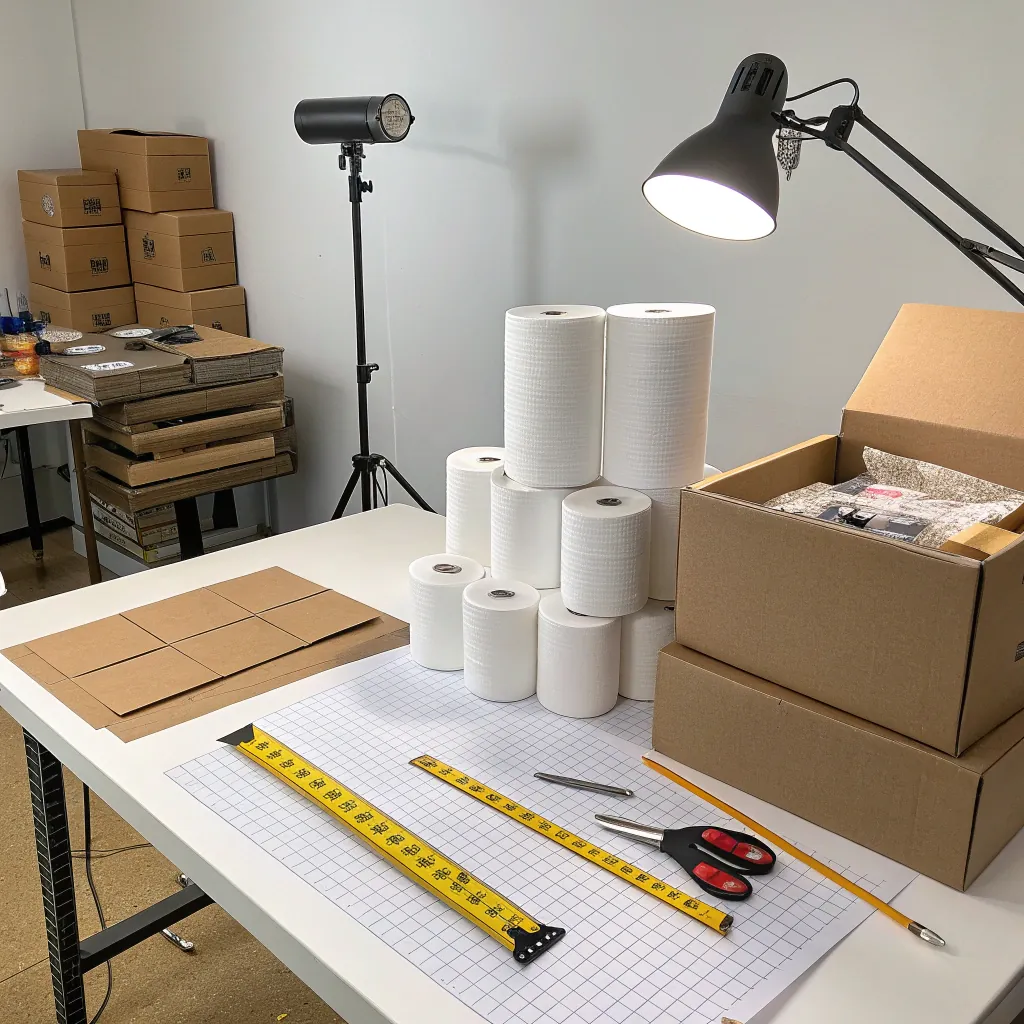
When girth exceeds the dispenser limit, rolls jam, scrape, or fail to turn.
How dispensers limit girth
Dispensers usually control roll size in three ways:
1. Inner wall clearance
The space between the roll and the housing wall is fixed.
2. Spindle position
The roll must rotate freely around the axis.
3. Cover closure
A larger roll may prevent the cover from closing.
Even if diameter looks acceptable on paper, real girth can break these limits.
Common dispenser types and girth tolerance
Different dispensers accept different girth ranges.
| Dispenser Type | Typical Girth Tolerance | Risk if Exceeded |
|---|---|---|
| Open holder | High | Low |
| Wall-mounted cover | Medium | Medium |
| Jumbo roll dispenser | Fixed | High |
| Lockable public unit | Strict | Very high |
Public and commercial dispensers are the strictest.
Real-world problems I often see
Roll drag
The roll rubs against the dispenser wall and slows rotation.
Paper tearing
Extra friction causes paper to tear unevenly.
User complaints
Users pull harder, damaging both paper and dispenser.
Why girth beats diameter here
Some buyers only ask for maximum diameter. This is risky.
Two rolls can share the same diameter but differ in girth feel due to paper softness and compression.
Girth reflects the real outer contact surface.
Testing before mass orders
Before finalizing a large order, I always suggest a physical test.
- Place the roll inside the dispenser
- Close the cover
- Pull paper at normal speed
If the roll spins freely without noise or drag, girth is acceptable.
A simple guideline I trust
If a roll feels tight by hand inside the dispenser, it will fail in daily use. Numbers help, but touch never lies.
Conclusion
Girth is not a fancy word. It is the real-world size of a toilet paper roll in use, storage, and shipping. When girth is clear, packaging fits, dispensers work, and costs stay under control.