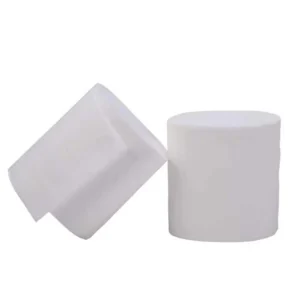
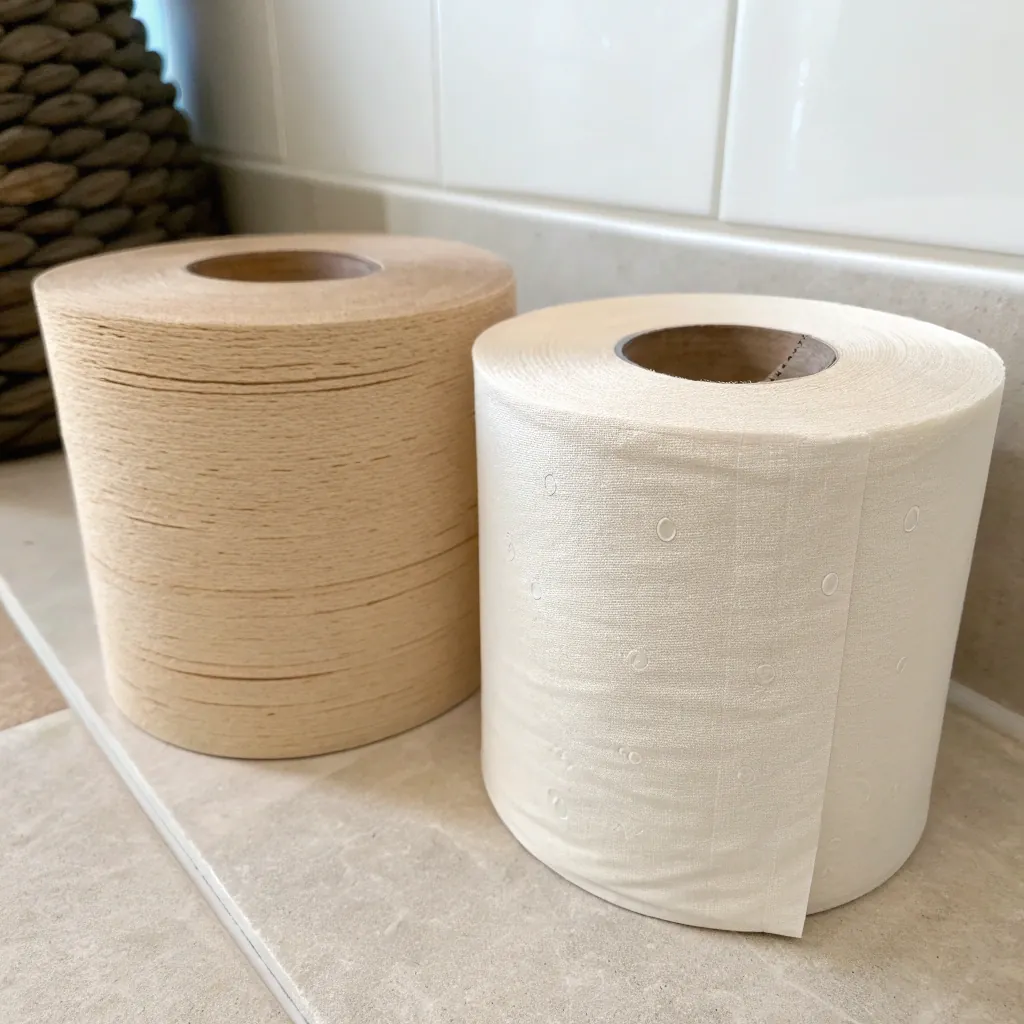
We all know toilet paper is used every day. The idea of bamboo toilet paper sounds good, but many people still ask if it is really better than regular toilet paper.
Bamboo toilet paper is made from bamboo fiber instead of wood pulp. It can be softer, stronger, and more sustainable in many cases. Yet cost, feel, and septic performance may vary by brand and region.
We will look at the main differences and facts. Knowing these will help you decide what is best for you.
What are the pros and cons of bamboo toilet paper?
Many people want to know the good and bad of bamboo toilet paper before they buy it. This section breaks both sides down.
Bamboo toilet paper can be strong, eco-friendly, and soft. It may cost more and feel different from what you are used to.
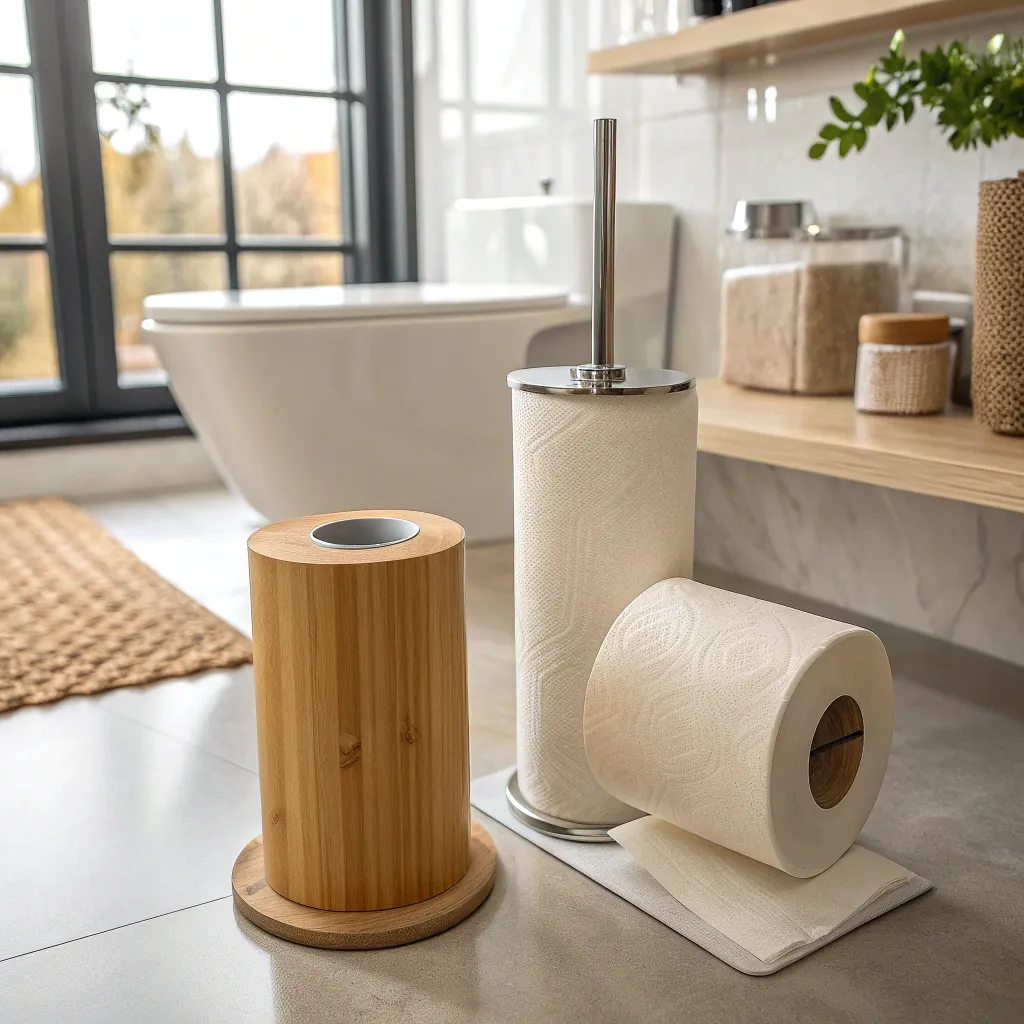
Pros of Bamboo Toilet Paper
Bamboo toilet paper has several benefits that attract people:
Growth and Renewability
Bamboo grows much faster than trees. In many places, it can be harvested every few years, not decades. This makes bamboo a fast-renewing resource.
Less Chemical Use
Many bamboo toilet paper products are made with fewer chemicals. They may use less bleach or no chlorine at all. This can be good for skin and the environment.
Strong and Absorbent
Bamboo fibers can be strong. This means the toilet paper may not tear easily. It also absorbs water well, which helps cleaning.
Biodegradable
Most bamboo toilet paper breaks down fast in water. This means it often works well with septic systems (we will look deeper at that later).
Cons of Bamboo Toilet Paper
Despite the benefits, there are downsides too:
Higher Price
Bamboo toilet paper often costs more than regular toilet paper. This is true in many markets, especially where bamboo is imported.
Different Texture
Some people say bamboo paper feels different. It can feel softer while also feeling slightly thinner. This depends on the brand.
Not Always Certified
Some products claim to be eco-friendly but lack proper certification or testing. Labels can be confusing.
Quick Comparison Table
| Feature | Bamboo Toilet Paper | Regular Toilet Paper |
|---|---|---|
| Raw Material | Bamboo | Wood pulp |
| Renewability | High | Medium to Low |
| Chemical Use | Often low | Often higher |
| Price | Usually higher | Usually lower |
| Texture | Softer, different feel | Familiar, varied |
| Biodegradable | Yes | Yes |
What This Means
Bamboo toilet paper is not perfect for every person. If you want a product that is strong and uses sustainable material, bamboo may be better. If price or feel is most important, you may choose regular toilet paper. In many cases, people try bamboo and find it works well enough for everyday use.
Is bamboo toilet paper more sustainable?
People talk a lot about sustainability today. Many buyers choose bamboo because they think it is better for the planet. Let’s explore what sustainability means here.
Bamboo toilet paper is often more sustainable because bamboo grows quickly and needs less water and land than trees. It also can reduce deforestation and carbon emissions.
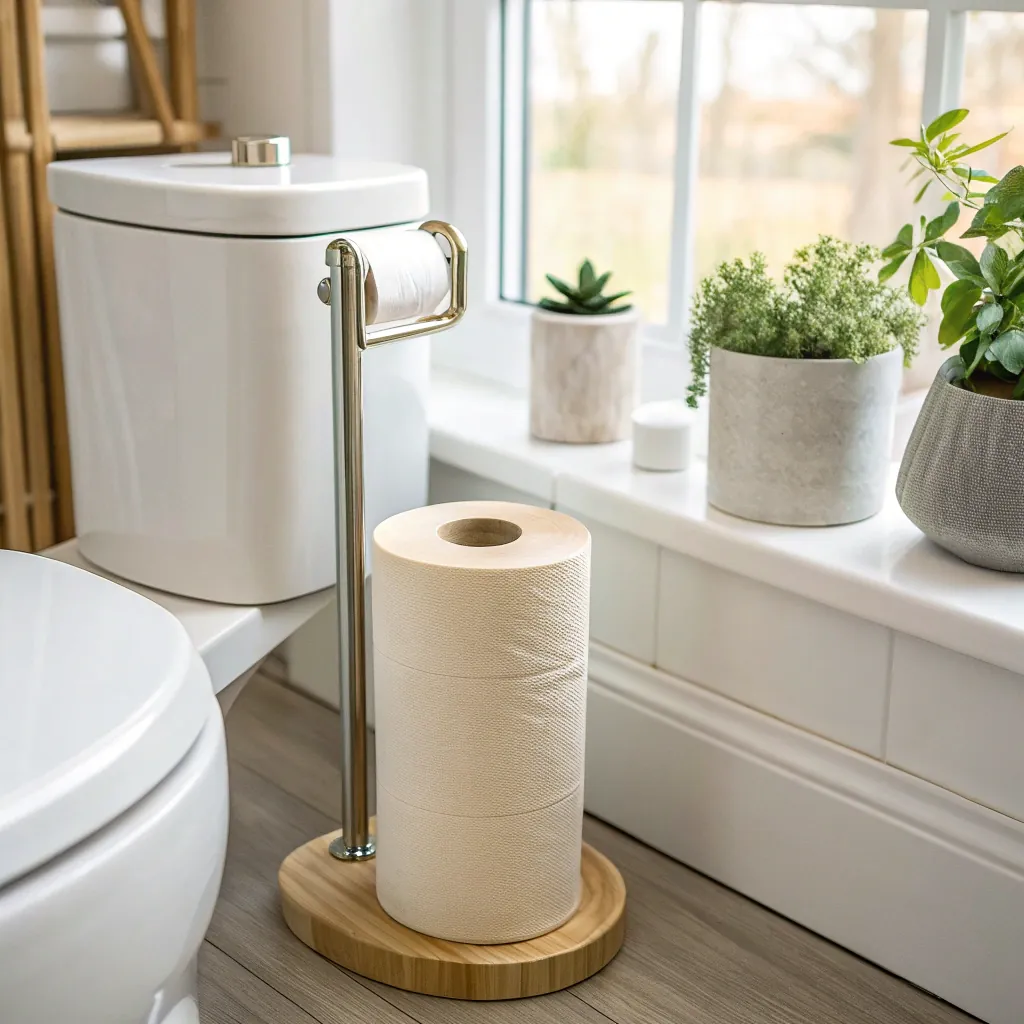
What Makes Bamboo Sustainable?
Bamboo stands out for a few key reasons:
Fast Growth
Bamboo can grow very fast. Some species grow over a meter per day. This means it can be harvested again and again without long waits. Trees may take many years to be ready for harvest.
Less Water
Bamboo uses less water than many wood trees. In dry regions, this can make a big difference. It means less strain on local water resources when grown responsibly.
No Replanting Needed
When bamboo is cut, it can grow back from the same root system. It does not need replanting like many trees do. This reduces soil disturbance and labor.
Lower Carbon Impact
Because bamboo grows fast, it can absorb carbon dioxide quickly. This means it may help reduce greenhouse gases more than some slow-growing trees.
What Sustainability Depends On
Sustainability is not just about the plant itself. It also includes many other parts of the supply chain.
Harvesting Practices
If bamboo is harvested with heavy machines or without care, it may still cause soil loss or habitat damage. Good practices matter.
Processing and Transport
Turning bamboo into toilet paper takes machines and energy. Some factories use renewable power, others use fossil fuels. Transporting the finished product a long distance adds to carbon emissions too.
Packaging and Waste
Packaging can make a difference. Plastic wrapping adds waste, while recyclable or compostable packaging lowers the impact. Some brands still use plastic wrap.
Definitions and Certifications
There are certifications that help buyers know if a product is truly sustainable:
FSC (Forest Stewardship Council)
FSC certified bamboo products meet certain environmental and social standards. This means the harvesting was responsible.
Other Eco Labels
Labels like USDA Organic, EU Ecolabel, or Carbon Neutral claims can also help. However, not all eco labels are equal, and some may be less strict.
Sustainability in Numbers (Example)
These numbers are illustrative and vary by region and brand:
| Sustainability Factor | Bamboo Toilet Paper | Regular Toilet Paper |
|---|---|---|
| Growth Time | 3-5 years | 20-80 years |
| Water Use | Lower | Higher |
| Land Use | Lower | Higher |
| Carbon Sequestration | High | Medium |
| Replanting Needed | No | Yes |
Things to Watch For
Not all bamboo toilet paper is equal. Some products may mix bamboo with wood pulp. Others may use bleaching processes that reduce the environmental benefit. Always check the product label and certification.
The Bottom Line
Bamboo toilet paper can be more sustainable in many cases, but it depends on how it is grown, processed, and packaged. If sustainability is your main goal, look for products with clear certifications and low environmental impact.
How does bamboo toilet paper feel compared to regular?
Feel is one of the most personal parts of choosing toilet paper. Some people focus on softness, others focus on strength or thickness. This section describes how people often feel about bamboo paper.
Bamboo toilet paper can feel soft and strong, but the sensation may differ from regular toilet paper. Feel varies by brand, ply count, and personal preference.

The Main Feel Factors
Here are the main things that affect how toilet paper feels:
Softness
Bamboo can feel soft on the skin because its fibers are fine and smooth. Many brands make sure the surface feels gentle. Some brands add extra softness layers.
Thickness (Ply)
Toilet paper often comes in 1-ply, 2-ply, or 3-ply. Bamboo toilet paper may be 2-ply or 3-ply to feel thicker. Regular toilet paper also comes in these levels.
Strength When Wet
One big concern is strength when wet. Bamboo toilet paper generally holds together well because of its strong fibers. Some regular paper tears easily when wet.
Texture and Surface
Bamboo can feel slightly different because its fiber structure is unique. Some users describe it as smoother, others feel it is slightly more papery. This is very subjective.
Comparing Feel by Strength and Softness
Let’s look at typical descriptions:
| Feature | Bamboo Toilet Paper | Regular Toilet Paper |
|---|---|---|
| Softness | Often soft | Varies widely |
| Strength | Strong | Varies |
| Wet Feel | Holds shape well | May tear |
| Texture | Smooth or slightly papery | Depends on brand |
What People Say
Different people describe the feel in different ways:
- Soft and gentle – many users find bamboo soft on skin.
- Thin but strong – some say bamboo feels thinner but still strong.
- Different than wood pulp – people used to wood pulp may notice a new feel.
Remember that pallet preferences matter. What one person finds soft, another may find coarse. Testing a few brands can help you decide.
How Brands Make It Feel Better
Many companies add features to make feel better:
Quilting and Embossing
Some toilet paper has patterns pressed into it. This makes it feel thicker and softer.
Multi-Ply Layers
More layers can make the paper feel thicker and more cushiony.
Added Moisture or Lotion
Some brands add aloe or lotion for extra softness. This can help with sensitive skin.
Personal Tips for Choosing Feel
Here are some simple tips when choosing:
- Try a small pack first before buying in bulk.
- Check ply count and feel descriptors on the package.
- Read customer reviews to see how others describe feel.
- Think about what matters most: softness, strength, or price.
Summary
Feel is personal. Bamboo toilet paper often feels soft and strong, but regular toilet paper has many varieties. You may prefer one over the other based on your own experience.
Is bamboo toilet paper septic-safe?
For many homes, septic safety matters a lot. If your toilet paper does not break down well, it can clog pipes or harm your septic tank. In this section, we explore how bamboo toilet paper performs in septic systems.
Bamboo toilet paper is generally septic-safe because it breaks down well in water. However, performance can vary by brand, thickness, and additives. Always choose products that are labeled “septic-safe” and follow septic care guidance.
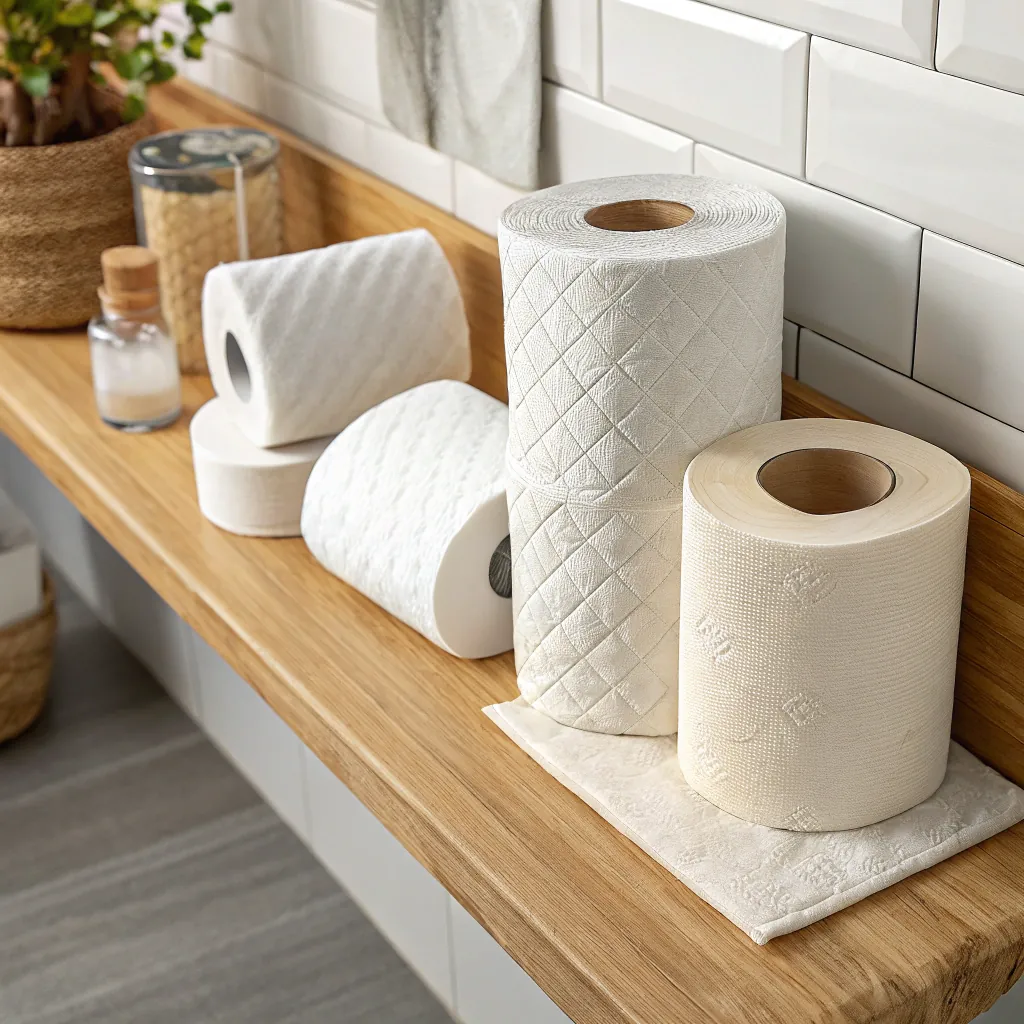
Why Septic Safety Matters
A septic tank relies on bacteria and time to break down waste. Toilet paper that takes too long to dissolve can build up in pipes. This can lead to blockages or tank problems.
How Toilet Paper Breaks Down
Toilet paper breaks down through a process called disintegration. This means it falls apart when wet and under pressure. Good septic toilet paper disintegrates quickly.
How Bamboo Performs
Bamboo fibers are strong, but they can still break down well in water. This is because the fibers are natural and not heavily waxed or coated.
Septic Safety Checklist
Here are key things to check for septic safety:
- Septic-safe label – Many brands test their paper and label it as safe.
- No heavy coatings – Avoid wax or plastic coatings.
- Fiber type – Bamboo and wood pulp both degrade well.
- Ply count – Higher ply may take slightly longer to break down, but this is often still acceptable.
Table: Septic Factors
| Factor | Good for Septic | Comment |
|---|---|---|
| Fast disintegration | Yes | Helps avoid clogs |
| Natural fiber | Yes | Bamboo and wood pulp break down |
| No plastic | Yes | Plastic slows or stops breakdown |
| Multi-ply | Depends | Thicker can take longer |
| Additives | Depends | Lotion or wax may hinder |
Real-World Performance
Many homes with septic systems use bamboo toilet paper with no problems. Key points from experience include:
- Always flush only toilet paper and waste.
- Avoid wipes, paper towels, and thick tissues.
- If your septic system is older or sensitive, test one roll before buying in bulk.
What Brands Test For
Some brands test toilet paper in lab conditions to see how fast it breaks down. They measure how well it disintegrates in water in a set time period. If it breaks into small pieces quickly, it is more likely septic-safe.
Tips for Septic Care
Here are tips that help your septic system work well:
Regular Pumping
Have your septic tank pumped on schedule. This keeps solids from building up.
Use Proper Products
Choose toilet paper labeled septic-safe. Avoid products with heavy coatings.
Monitor Water Use
Too much water at once can stress the septic system. Spread laundry and showers over the day.
What to Avoid
Do not flush:
- Paper towels
- Wet wipes
- Feminine hygiene products
- Cotton pads
- Thick tissues not meant for septic systems
These can clump and cause blockages.
Conclusion on Septic Safety
Bamboo toilet paper, when designed for septic use, breaks down well and is generally safe. Always check labels and product claims. If you have a sensitive septic system, test before switching completely.
Overall Conclusion
Bamboo toilet paper can offer strong performance, environmental benefits, and good septic safety. Feel and price differ by brand. Testing your preferred product helps you find what works best for your home. Bamboo is often better for sustainability, but personal needs decide the choice.