
Many homes run out of toilet paper sooner than expected. This causes stress, extra trips to the store, and poor planning for families or businesses.
Toilet paper usually lasts from a few days to several weeks, depending on roll size, number of users, and daily habits. There is no fixed answer, but the usage pattern explains most differences.
Most people guess. Few actually calculate. Once usage is broken down step by step, the numbers become clearer and easier to manage.
Does roll size affect longevity?
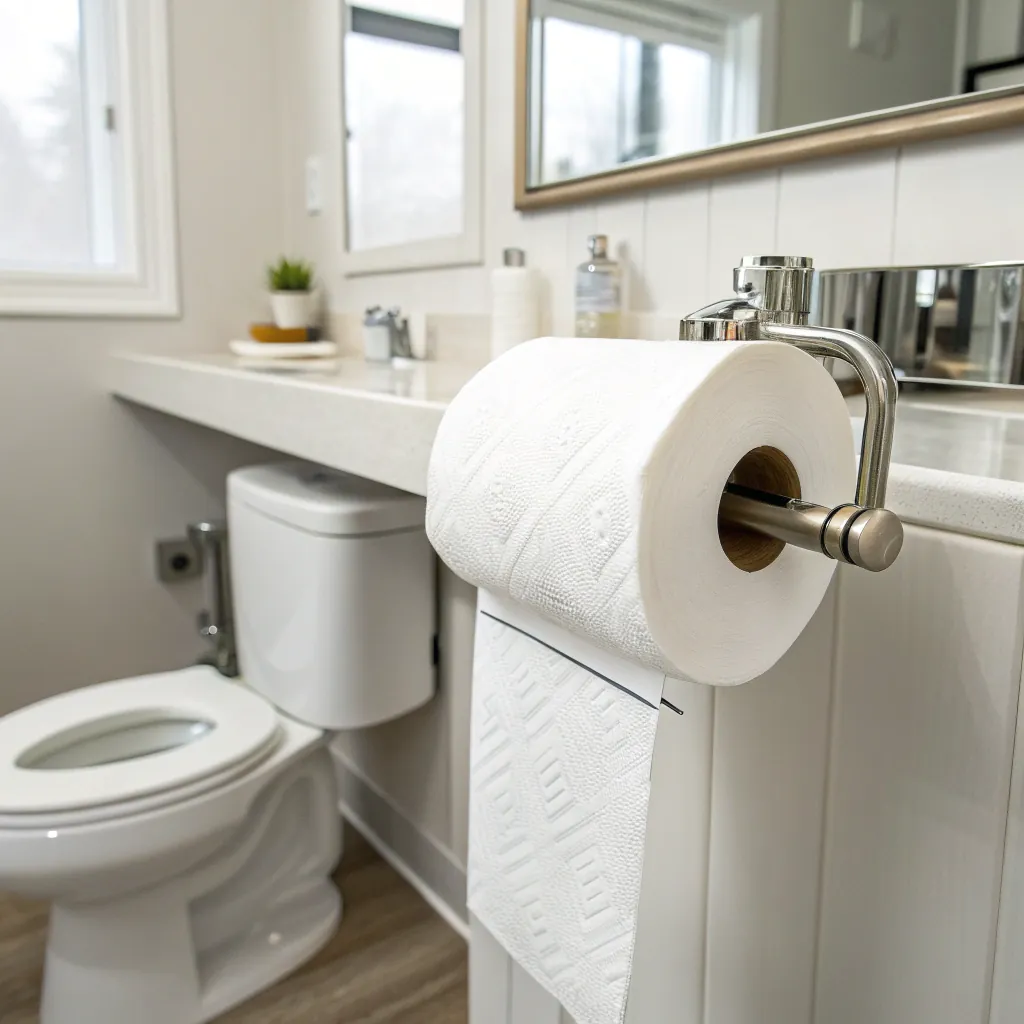
Yes, roll size strongly affects how long toilet paper lasts, but only when sheet size, ply, and paper thickness are considered together. A bigger roll does not always mean longer use.
Roll size is often judged by appearance. A thick roll looks like it should last longer. This visual judgment is misleading.
What “roll size” really means
Roll size includes several physical details.
- Roll diameter
- Core diameter
- Sheet length
- Number of sheets
- Ply and grammage
Two rolls with the same diameter can last very different lengths of time.
Standard roll vs large roll vs jumbo roll
Most households use standard rolls. Commercial spaces use jumbo rolls. Each type follows a different logic.
| Roll Type | Typical Sheet Count | Typical Use Time |
|---|---|---|
| Standard household | 180–250 | 3–7 days per person |
| Large household | 250–350 | 5–10 days per person |
| Jumbo commercial | 300–500+ | 2–4 weeks per restroom |
Jumbo rolls last longer mainly because they reduce roll changes, not because users consume less paper.
Sheet length matters more than roll width
A roll with short sheets often contains more sheets. This makes the roll appear economical.
However, users often pull more sheets when each sheet feels small. This reduces the real benefit.
Longer sheets reduce the number of pulls. This helps rolls last longer even with fewer sheets.
Ply and thickness change usage speed
Thicker paper absorbs better. Users need fewer sheets.
Thin paper increases pulls. Even a large roll can disappear fast if paper strength is low.
This is why roll size alone never gives the full answer.
Real-world example
Two rolls:
- Roll A: 200 long, thick sheets
- Roll B: 300 short, thin sheets
Many users finish Roll B faster because they pull more sheets each time.
Key takeaway on roll size
Roll size affects longevity, but only when combined with sheet size and strength. Bigger rolls help most in shared or commercial spaces, not always in homes.
How does family size impact toilet paper use?
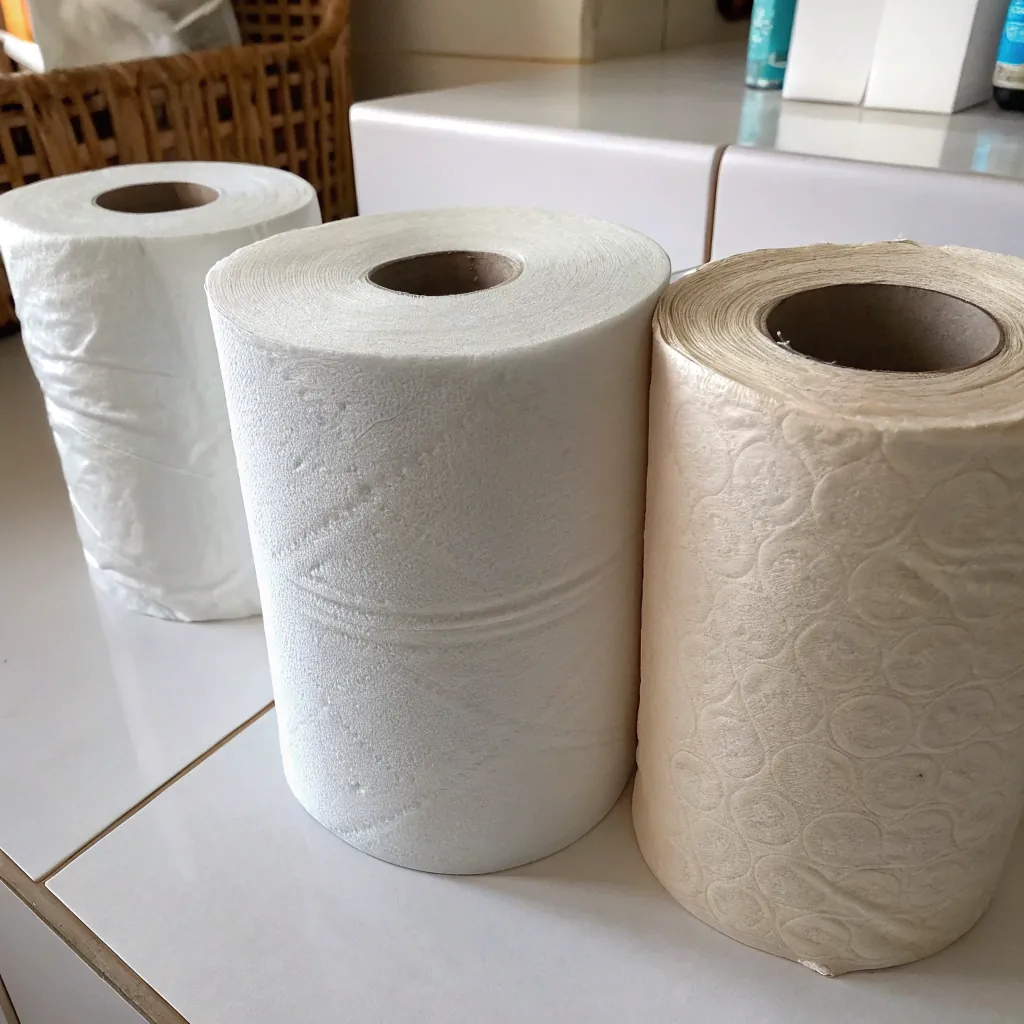
Family size is one of the strongest factors in how long toilet paper lasts. More people means faster use, but the increase is not always linear.
A family of four does not always use four times more than one person. Habits vary by age and routine.
Average daily use per person
On average, one person uses between 6 and 12 sheets per bathroom visit.
Daily visits vary. Most people go 4–7 times per day.
This creates a wide range.
| Household Type | Estimated Sheets Per Day |
|---|---|
| Single adult | 30–60 |
| Couple | 60–120 |
| Family of four | 120–240 |
| Large family (6+) | 200–400 |
These are averages, not limits.
Children vs adults
Children often use more paper per visit. They pull extra sheets for comfort or cleaning.
Adults tend to use more consistently, but stress or diet can change patterns.
Teenagers often use the most paper in a household.
Shared bathrooms increase waste
When multiple people share one bathroom, paper use increases.
Reasons include:
- Less awareness of remaining roll length
- Habit of over-pulling
- Lack of feedback from others
Private bathrooms often show lower use per person.
Guest presence changes everything
Guests increase usage fast.
People tend to use more paper outside their own home. Comfort and caution drive this behavior.
A weekend with guests can consume a full week’s supply.
Planning based on family size
Families benefit from simple planning.
- Track how long one roll lasts
- Multiply by number of users
- Add buffer for guests
This turns guessing into control.
Why families often underestimate use
People notice empty rolls, not daily pulls. Consumption feels invisible until the roll is gone.
This makes shortages feel sudden, even though usage was steady.
Can better habits help toilet paper last longer?
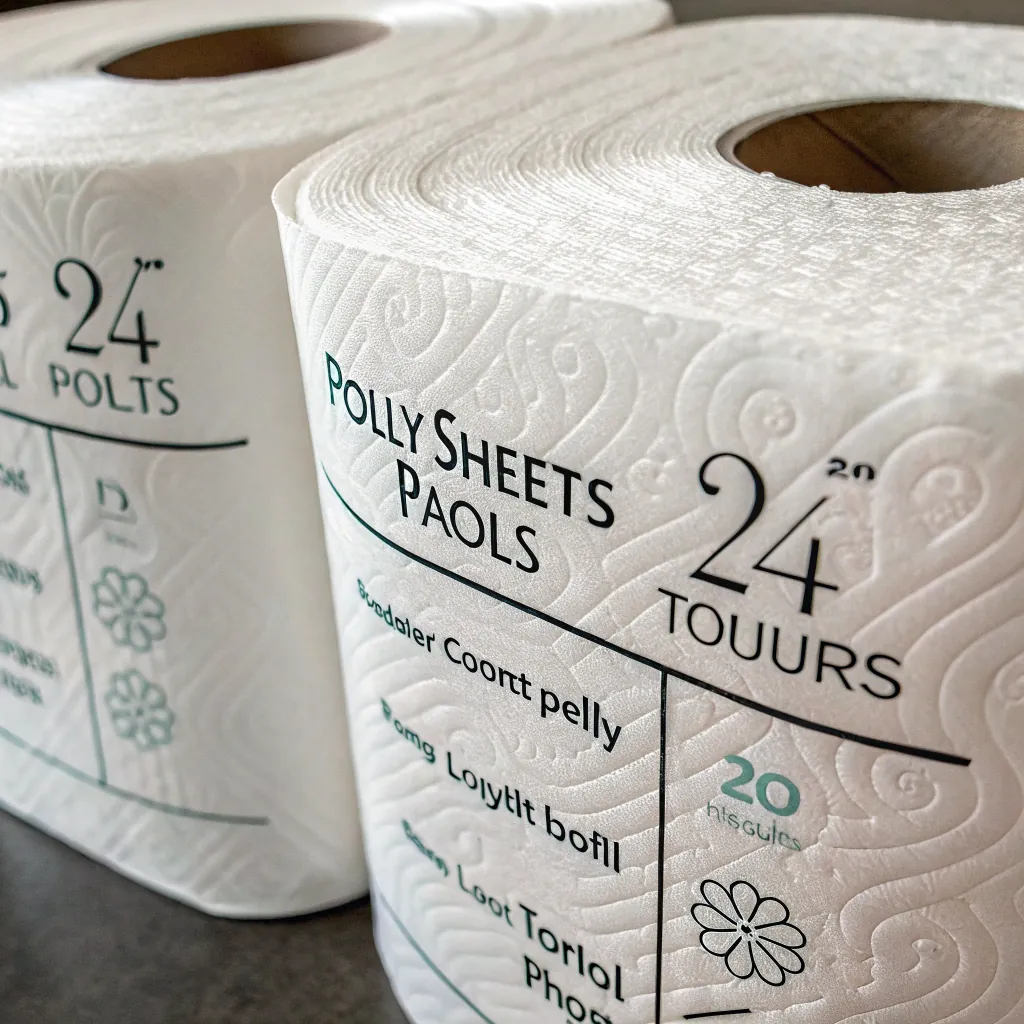
Yes, small habit changes can significantly extend how long toilet paper lasts, without reducing comfort or hygiene. Awareness matters more than restriction.
The goal is not to use less at all costs. The goal is to use efficiently.
Pulling habits matter most
Many users pull paper without looking. This leads to overuse.
Simple changes help:
- Pull fewer sheets first
- Add more only if needed
- Fold instead of crumple
These habits reduce waste without discomfort.
Folding vs crumpling
Folding increases strength. Crumpling reduces effective surface area.
Folded sheets often need fewer layers. This makes rolls last longer.
This habit alone can reduce use by 20–30% for some users.
Matching paper quality to need
Using very thin paper leads to over-pulling.
Using medium or high-quality paper often reduces total sheet use.
This is why better paper can last longer, even if it costs more per roll.
Bathroom setup influences use
Placement matters.
- Easy-to-reach rolls reduce accidental over-pulling
- Smooth holders prevent uncontrolled spinning
- Clear roll visibility improves awareness
Small physical changes influence behavior.
Education works in shared spaces
In offices and schools, simple signs reduce waste.
Messages like “Use what you need” work better than strict warnings.
People respond better to reminders than rules.
Habits that do not work
Some approaches fail:
- Hiding extra rolls
- Limiting access
- Using very thin paper
These cause frustration and often increase waste.
Long-term effect of habit change
Once habits change, they stay stable.
Most users do not return to old patterns after adjusting. This creates long-term savings without effort.
Is usage duration printed on toilet paper packs?

No, toilet paper packs almost never print how long a roll will last. Instead, they show sheet count, ply, and roll size, which only indirectly suggest usage duration.
This absence is intentional.
Why brands avoid duration claims
Usage duration depends on behavior. Brands cannot control this.
If a pack says “lasts 7 days,” complaints will follow.
Different users, families, and habits make such claims risky.
What information is usually printed
Most packs include:
- Number of sheets
- Ply count
- Roll length or diameter
- Total rolls per pack
These numbers look clear but require interpretation.
Why sheet count is emphasized
Sheet count is easy to compare. It feels objective.
However, it hides sheet size and thickness differences.
This makes packs hard to compare across brands.
Can consumers estimate duration from packaging?
Yes, with simple math.
Steps:
- Check sheet count
- Estimate daily sheet use
- Divide total sheets by daily use
This gives a rough duration.
Most consumers do not do this.
Why duration matters more for B2B buyers
Hotels, offices, and hospitals care about replacement cycles.
They calculate:
- Sheets per roll
- Average daily users
- Refill frequency
This reduces labor and stock issues.
Why consumer packs stay vague
Vague information protects brands. It also keeps packaging simple.
Consumers rely on habit and experience, not math.
What may change in the future
Smart packaging and sustainability pressure may push brands to offer clearer usage guidance.
For now, duration remains an unspoken metric.
Conclusion
Toilet paper lasts as long as habits, roll design, and household size allow. Roll size helps, but behavior matters more. By understanding usage patterns instead of guessing, homes and businesses can plan better and avoid running out unexpectedly.