Many buyers feel confused when brands talk about eco values but hide real factory facts. This gap causes doubt, slow decisions, and lost trust.
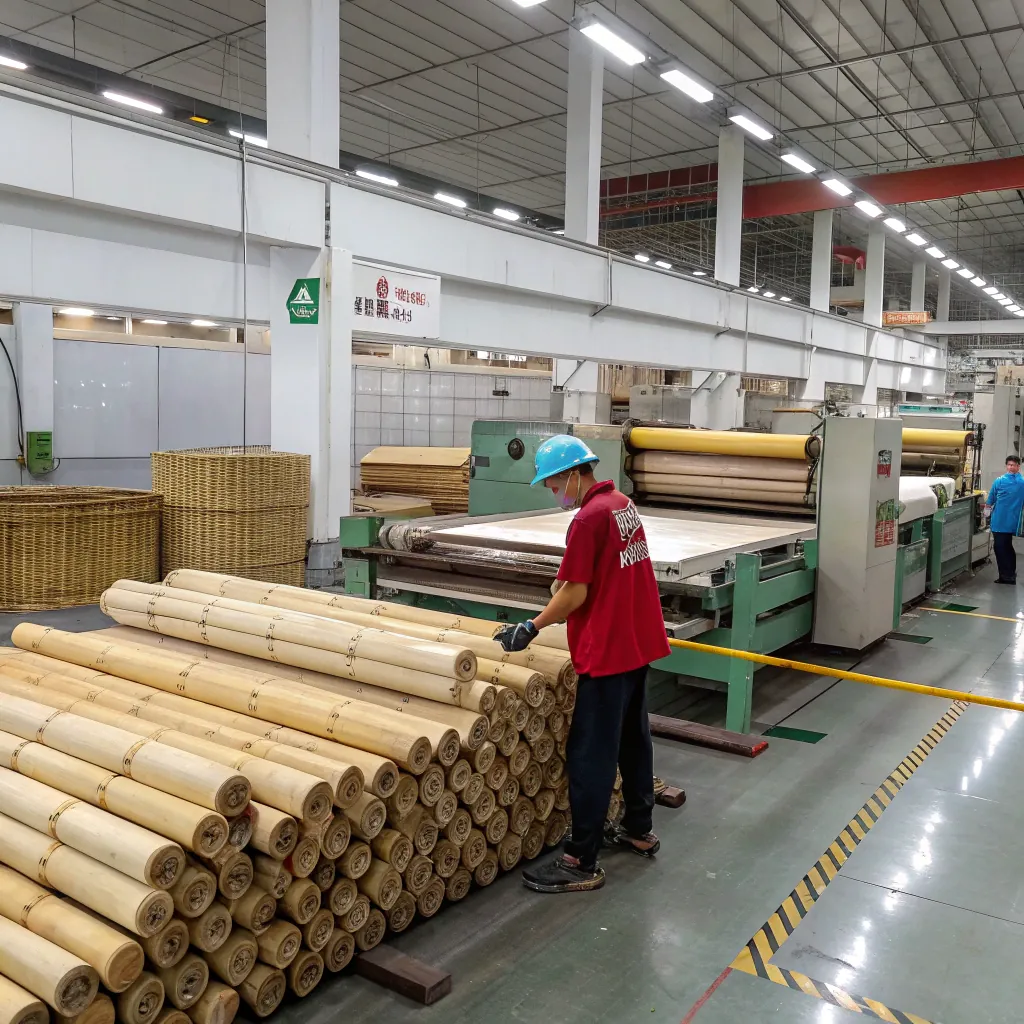
Reel toilet paper is designed and marketed in the United States, but the actual production happens overseas, mainly in China, where bamboo pulp paper manufacturing is well established.
Many readers stop at this answer, but that is not enough. The real value comes from understanding why brands choose this model, how it affects quality, and what it means for buyers and importers who care about cost, supply, and sustainability.
Is Reel toilet paper made in the USA?
Many consumers want products made locally. They connect local factories with safety, trust, and fast delivery. When the label feels unclear, people feel uneasy.
Reel toilet paper is not physically made in the USA. The brand operates in the United States, but manufacturing is done overseas.
This point matters because many brands use similar wording. They say “designed in the USA” or “based in the USA,” which is true, but it does not mean the product is produced there.
Why brands choose overseas manufacturing
From years in paper manufacturing, one fact stays clear. The United States has limited bamboo pulp supply. Bamboo does not grow at scale in North America. Because of this, making bamboo toilet paper locally becomes very costly.
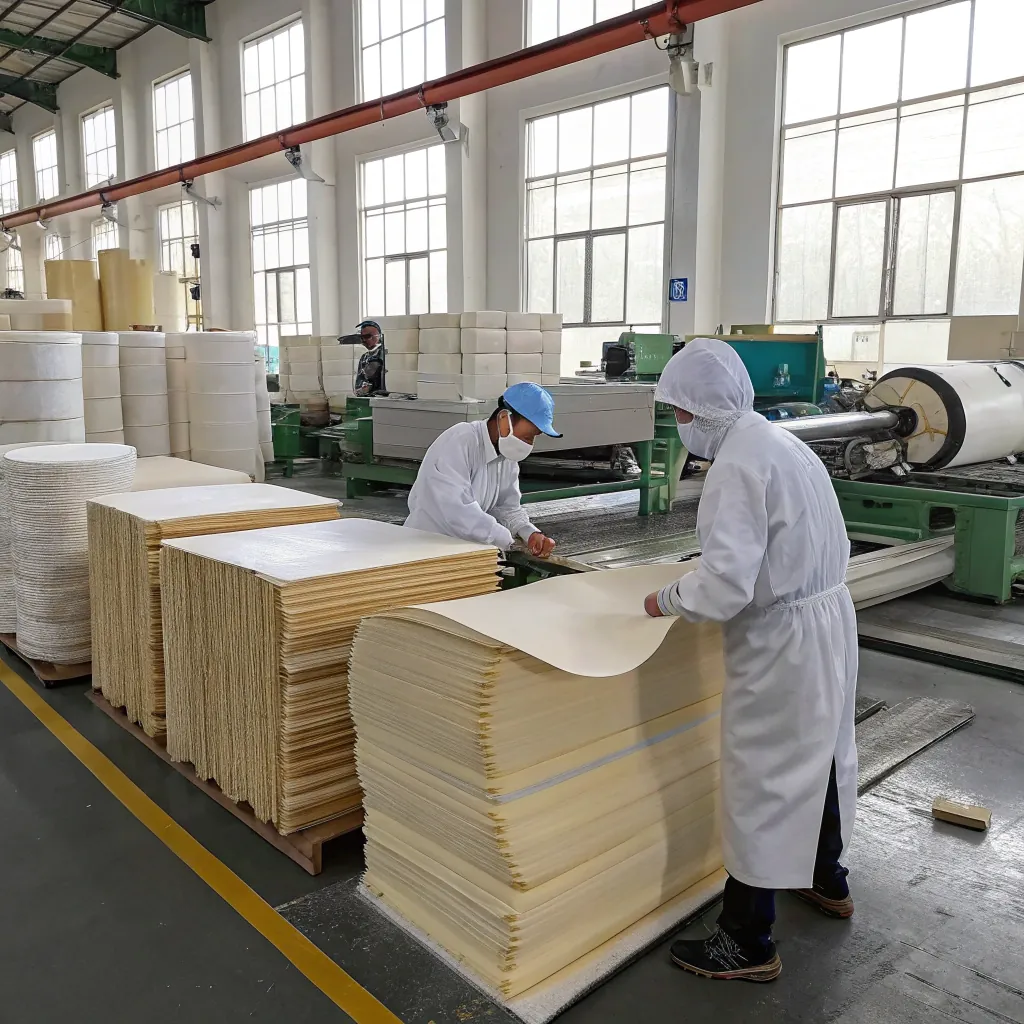
China, on the other hand, has full bamboo pulp supply chains. These include planting, pulping, paper making, converting, and packing. All steps happen close together. This reduces waste, lowers cost, and improves consistency.
Cost and scale reality
Paper products are low-margin items. Transport, labor, and energy costs matter a lot. If Reel produced bamboo toilet paper in the USA, prices would rise sharply. Many households would not accept that price.
Below is a simple comparison.
| Factor | USA Production | Overseas Production |
|---|---|---|
| Bamboo availability | Very limited | Abundant |
| Production cost | High | Lower |
| Factory scale | Smaller | Large and stable |
| Final retail price | Much higher | Market acceptable |
This is why many eco paper brands choose the same path. The business stays alive, and the product reaches more users.
What this means for buyers
A product not made in the USA is not automatically low quality. Quality depends on raw material, machines, and control systems. Location alone does not decide quality.
Who manufactures Reel toilet paper products?

Many people assume Reel owns its own factory. This idea often comes from brand stories and clean websites. The truth is often different.
Reel works with contract manufacturers that specialize in bamboo pulp paper products, mainly located in China.
This model is common in the paper industry. Even large global brands do not own all factories.
Understanding contract manufacturing
In this model, the brand controls design, standards, and testing rules. The factory focuses on production.
From long-term factory experience, this structure brings both strengths and risks.
Strengths
- The factory already has machines and trained workers
- Production can start fast
- Costs stay under control
- The brand can focus on marketing and users
Risks
- Quality depends on factory discipline
- Poor communication can cause errors
- Weak inspection leads to unstable batches
How quality is usually controlled
Good brands set clear rules. These include paper weight, softness, absorbency, and roll size. They also require regular testing.
A simple control flow looks like this:
- Raw bamboo pulp inspection
- Paper base weight test
- Softness and strength test
- Roll diameter and length check
- Packing inspection
If any step fails, the batch stops.
Why experienced factories matter
Paper machines cost millions. Experience matters more than slogans. Factories with many years in bamboo pulp know how to balance softness and strength. This balance is hard to copy.
That is why brands often return to the same suppliers for years.
Does Reel toilet paper use sustainable materials?
Many buyers feel tired of green words. “Eco,” “green,” and “natural” appear everywhere. Without details, these words lose meaning.
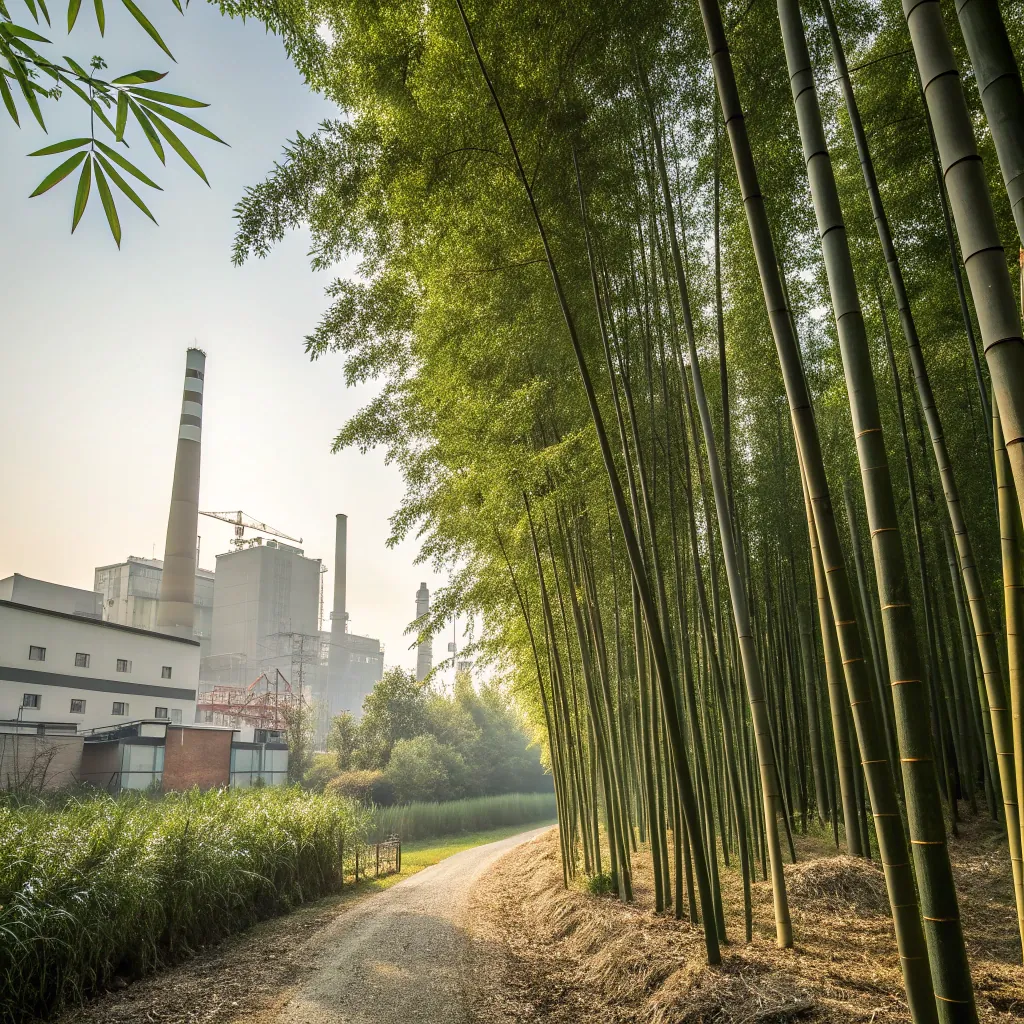
Reel toilet paper uses bamboo pulp, which is a tree-free and fast-growing material often seen as more sustainable than traditional wood pulp.
This answer is short, but the real topic is deeper.
Why bamboo matters
Bamboo grows very fast. Some types grow over one meter per day. After cutting, bamboo regrows from the same root. No replanting is needed.
Compared to trees, bamboo:
- Needs less land
- Needs less water
- Recovers faster
This makes bamboo popular for tissue and toilet paper.
Sustainability is more than raw material
Raw material is only one part. Real sustainability includes:
- Energy use
- Water treatment
- Chemical control
- Waste handling
If a factory uses bamboo but wastes water or dumps chemicals, the benefit drops.
Chemical use in bamboo paper
Good bamboo toilet paper avoids:
- Chlorine bleaching
- Strong dyes
- Artificial scents
Most bamboo paper uses oxygen or elemental chlorine-free methods. These reduce pollution.
A simple comparison
| Item | Bamboo Pulp Paper | Wood Pulp Paper |
|---|---|---|
| Growth speed | Very fast | Slow |
| Tree cutting | No | Yes |
| Land use | Lower | Higher |
| Popular eco image | High | Medium |
What buyers should watch
Buyers should look beyond claims. Ask for test reports. Ask for pulp source details. Ask about water recycling.
Real sustainability survives questions.
Where does Reel source its raw materials?
Raw material origin matters more than many people think. It affects price, stability, and long-term supply.
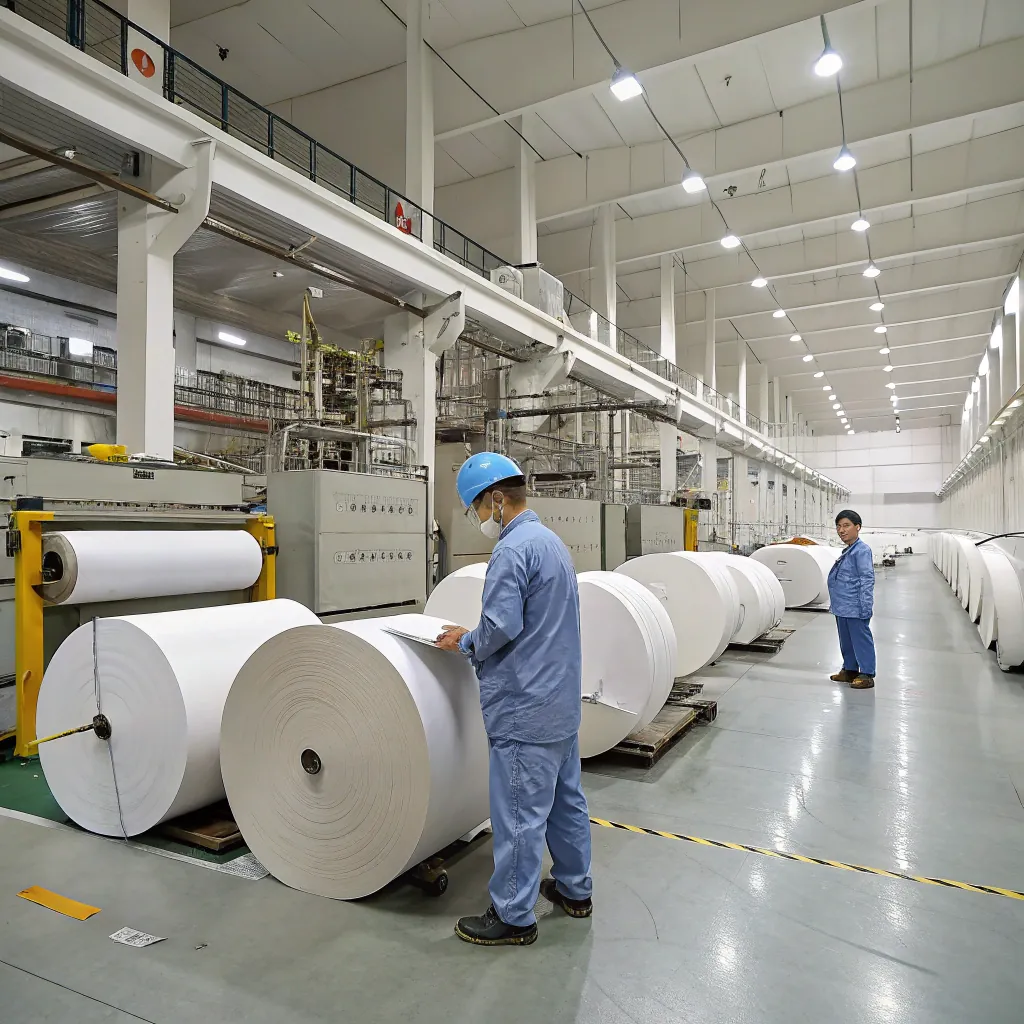
Reel sources its bamboo pulp from regions in China where bamboo grows naturally and is processed close to paper mills.
This choice follows logic, not trend.
Why China dominates bamboo pulp
China has large bamboo forests. These forests sit near pulp mills. Transport distance stays short. This lowers cost and emissions.
The supply chain usually looks like this:
- Bamboo harvesting
- Pulp processing
- Paper making
- Converting and packing
- Export
Each step stays within the same region.
Supply stability
From years of export work, one lesson stands out. Stable raw material supply prevents delays.
When raw material comes from far away, price jumps happen. Lead times grow. Orders break.
Local bamboo pulp reduces this risk.
Transport and carbon concern
Some buyers worry about shipping distance. This concern is fair.
But shipping large volumes by sea often creates less carbon per unit than small local trucks. One container carries thousands of rolls.
Carbon impact should be measured per roll, not per trip.
What this means for importers
Importers benefit from:
- Stable pricing
- Predictable lead times
- Consistent quality
This matters for supermarkets, hotels, and wholesalers.
Key sourcing factors summary
| Factor | Impact |
|---|---|
| Local pulp supply | Stable quality |
| Short internal transport | Lower cost |
| Mature mills | Fewer defects |
| Export experience | Smooth delivery |
Conclusion
Reel toilet paper is a U.S.-based brand with overseas manufacturing rooted in bamboo-rich regions. This model balances sustainability, cost, and scale, which explains why many modern paper brands follow the same path.