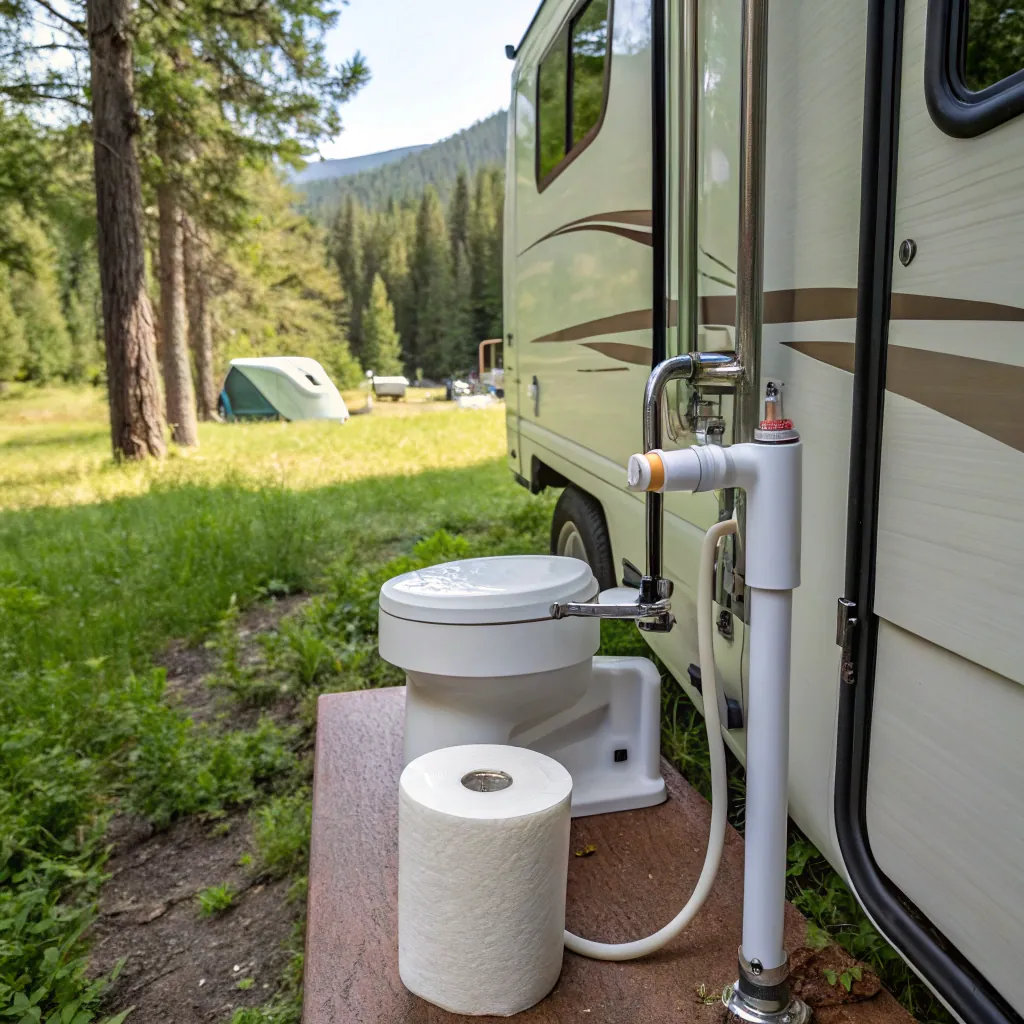
Many RV owners face plumbing issues after simple trips. The problem often starts with toilet paper. The wrong choice leads to clogs, bad smells, and costly repairs.
RV-safe toilet paper is designed to break down quickly in low-water systems, protecting RV tanks and pipes from buildup and blockage.
This answer sounds easy, but real RV use brings more details. Understanding how RV systems work helps avoid mistakes that many new owners make.
How is RV-safe toilet paper different from regular?
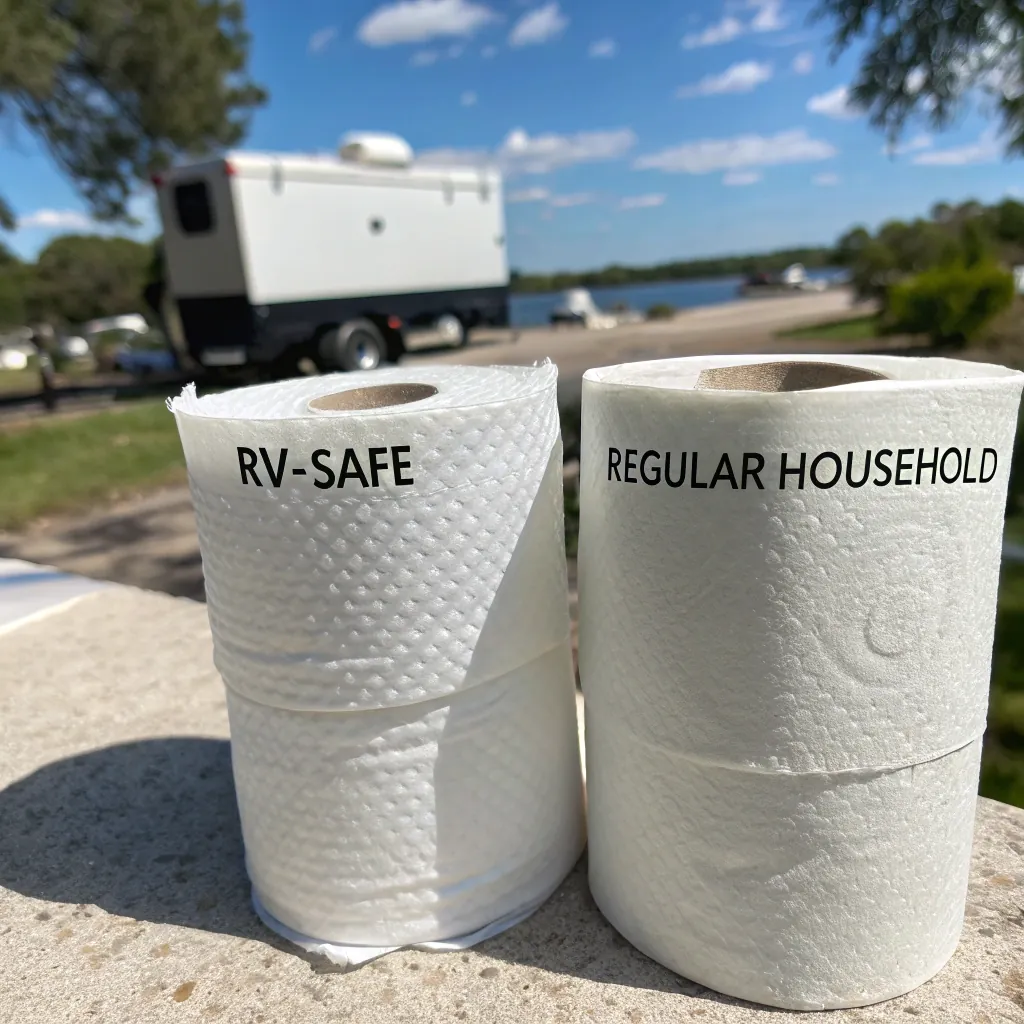
Many people think toilet paper is all the same. This idea causes most RV plumbing problems.
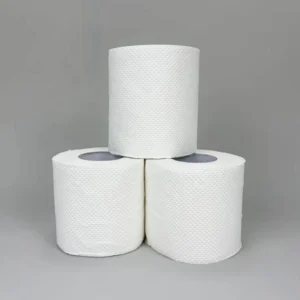
RV-safe toilet paper is made to dissolve faster and use fewer layers than regular household toilet paper.
This difference exists because RV systems are very different from home systems.
How RV plumbing systems work
RV toilets connect to a black water holding tank. This tank has limited space and limited water flow. There is no strong continuous water pressure like in a house.
Waste and paper sit in the tank until it is emptied. If paper does not break down, it forms piles. These piles harden over time.
Key design differences
RV-safe paper focuses on breakdown speed, not softness. It often uses:
- One-ply structure
- Shorter fibers
- Lower wet strength
Regular toilet paper focuses on comfort. It uses:
- Two or three plies
- Strong bonding
- Long fibers
Why softness becomes a problem
Soft paper feels better, but it holds together in water. In an RV tank, this causes floating mats of paper. These mats block sensors and valves.
Visual comparison in real use
When dropped into water:
- RV-safe paper breaks apart in seconds
- Regular paper stays whole for minutes
This simple behavior explains most RV toilet rules.
Summary table
| Feature | RV-Safe Paper | Regular Paper |
|---|---|---|
| Ply count | Usually 1 | 2–3 |
| Breakdown speed | Very fast | Slow |
| Fiber bonding | Weak | Strong |
| Comfort | Basic | High |
| RV tank safety | High | Low |
Why this matters for long trips
On long trips, tanks stay full longer. Paper that breaks slowly creates more risk each day.
Can standard toilet paper damage RV plumbing?
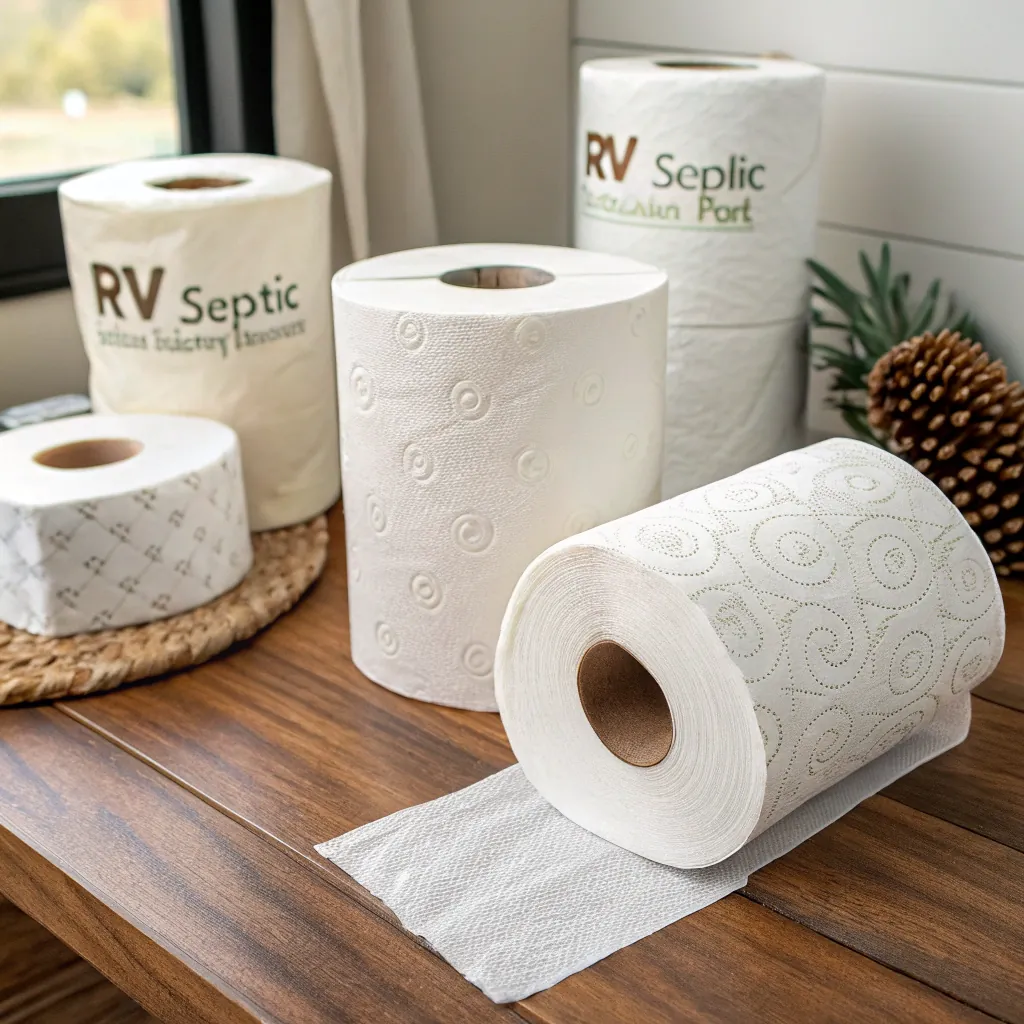
Many RV owners use home toilet paper to save money. The damage often appears later, not immediately.
Yes, standard toilet paper can damage RV plumbing by causing clogs, sensor errors, and valve blockage.
This damage builds slowly and quietly.
Common damage patterns
The most common problems include:
- Tank pyramid buildup
- False full tank readings
- Slow dumping
- Bad odors
These problems often appear after several trips.
What is a pyramid plug
A pyramid plug forms when paper and waste pile under the toilet opening. Water drains away, but solids stay. Over time, the pile hardens.
This blockage is very hard to remove.
Sensor problems explained
Tank sensors sit inside the holding tank. Paper sticks to them easily. Once covered, sensors always read “full,” even when empty.
This causes confusion and poor tank management.
Valve and hose stress
Thick paper can lodge near valves. When dumping, pressure builds. Valves wear out faster. Hoses clog more easily.
Repair cost reality
Fixing these problems often requires:
- Chemical treatments
- Tank flushing tools
- Professional service
- In severe cases, tank removal
These costs are far higher than the price of correct paper.
Why problems vary by user
Some users say regular paper works for them. This usually happens because:
- They use large amounts of water
- They dump tanks very often
- Trips are very short
Once conditions change, problems start.
Risk comparison
| Risk Area | RV-Safe Paper | Regular Paper |
|---|---|---|
| Tank clog risk | Low | High |
| Sensor failure | Rare | Common |
| Valve wear | Low | Higher |
| Odor buildup | Less | More |
Long-term view
RV plumbing works best when stress stays low. Standard toilet paper adds stress every time it is used.
What brands offer RV-specific toilet paper?

Many buyers feel unsure when choosing RV toilet paper brands. Marketing words often look the same.
RV-specific toilet paper is offered by brands that focus on fast breakdown and tank safety, often labeled clearly as RV or septic safe.
Brand names matter less than performance.
Common types seen on the market
Most RV toilet papers fall into three groups:
- RV-labeled toilet paper
- Septic-safe toilet paper
- Single-ply commercial toilet paper
Each group has strengths.
RV-labeled paper
These papers are tested for RV tanks. They dissolve very fast. Comfort is usually low, but safety is high.
Septic-safe paper
Some septic-safe papers also work well in RVs. The key is to test them in water before use.
If they break apart quickly, they are usually acceptable.
Commercial one-ply paper
Many experienced RV users choose commercial one-ply toilet paper. It is cheap, widely available, and breaks down fast.
This option works well for frequent travelers.
How to test paper at home
A simple test helps avoid mistakes:
- Put paper in a jar of water
- Shake lightly
- Watch for breakup within 10 seconds
If the paper stays whole, do not use it in an RV.
Brand choice is personal
Some users prefer softer RV paper. Others accept rougher paper for safety. The key rule stays the same: fast breakdown.
Comparison table
| Paper Type | Breakdown Speed | Comfort | Cost |
|---|---|---|---|
| RV-labeled | Very fast | Low | Medium |
| Septic-safe | Fast | Medium | Medium |
| Commercial one-ply | Fast | Low | Low |
Supply tip for long trips
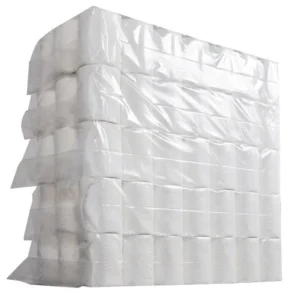
Buying in bulk before travel reduces stress. Small towns may not stock RV paper.
Is RV toilet paper biodegradable?

Many RV owners care about nature. Campsites and parks often sit in sensitive areas.
Most RV toilet paper is biodegradable because it uses simple fibers that break down naturally in water and soil.
This feature aligns well with RV travel values.
What biodegradable means in practice
Biodegradable paper breaks into small fiber pieces. Microorganisms consume these fibers over time.
RV-safe paper avoids coatings and heavy chemicals that slow this process.
Fiber choice matters
Most RV papers use:
- Recycled paper fibers
- Short wood pulp fibers
- Minimal processing
Some also use bamboo pulp, which breaks down quickly.
Water and chemical impact
RV paper avoids strong wet strength agents. These agents help home paper stay strong but harm biodegradability.
Without these agents, paper breaks apart easily.
Composting reality
While biodegradable, RV toilet paper is not home compost friendly due to waste contamination. Proper disposal through dump stations remains necessary.
Environmental benefit summary
Using RV-safe paper:
- Reduces tank chemical use
- Lowers clog-related waste
- Protects campground systems
These benefits add up over many trips.
Biodegradability comparison
| Feature | RV Toilet Paper | Regular Toilet Paper |
|---|---|---|
| Fiber breakdown | Fast | Slow |
| Chemical load | Low | Higher |
| Tank residue | Minimal | Heavy |
| Environmental risk | Lower | Higher |
Responsible RV habits
Paper choice works best with good habits. Using enough water and regular dumping improves results.
Conclusion
RV-safe toilet paper protects tanks, sensors, and valves by breaking down quickly in low-water systems. Choosing the right paper prevents damage, saves money, and keeps RV trips smooth and stress-free.