Many RV owners focus on engines, fuel, and routes, but they often ignore toilet paper. This small choice causes clogs, bad smells, and expensive tank repairs during trips.
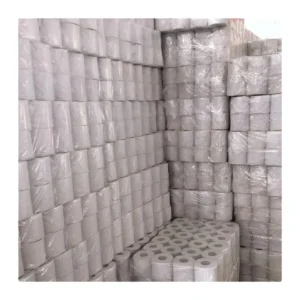
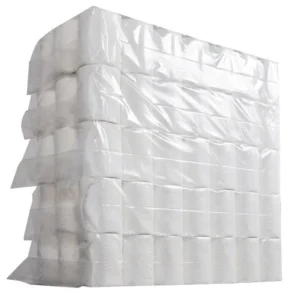
RV toilet paper is a fast-dissolving toilet paper designed to break down quickly in RV holding tanks and plumbing systems, helping prevent clogs, buildup, and sensor problems.
Once this is clear, it becomes easier to understand why RV toilet paper exists, how it protects tanks, and what risks appear when regular toilet paper is used instead.
Why is RV toilet paper specially designed?
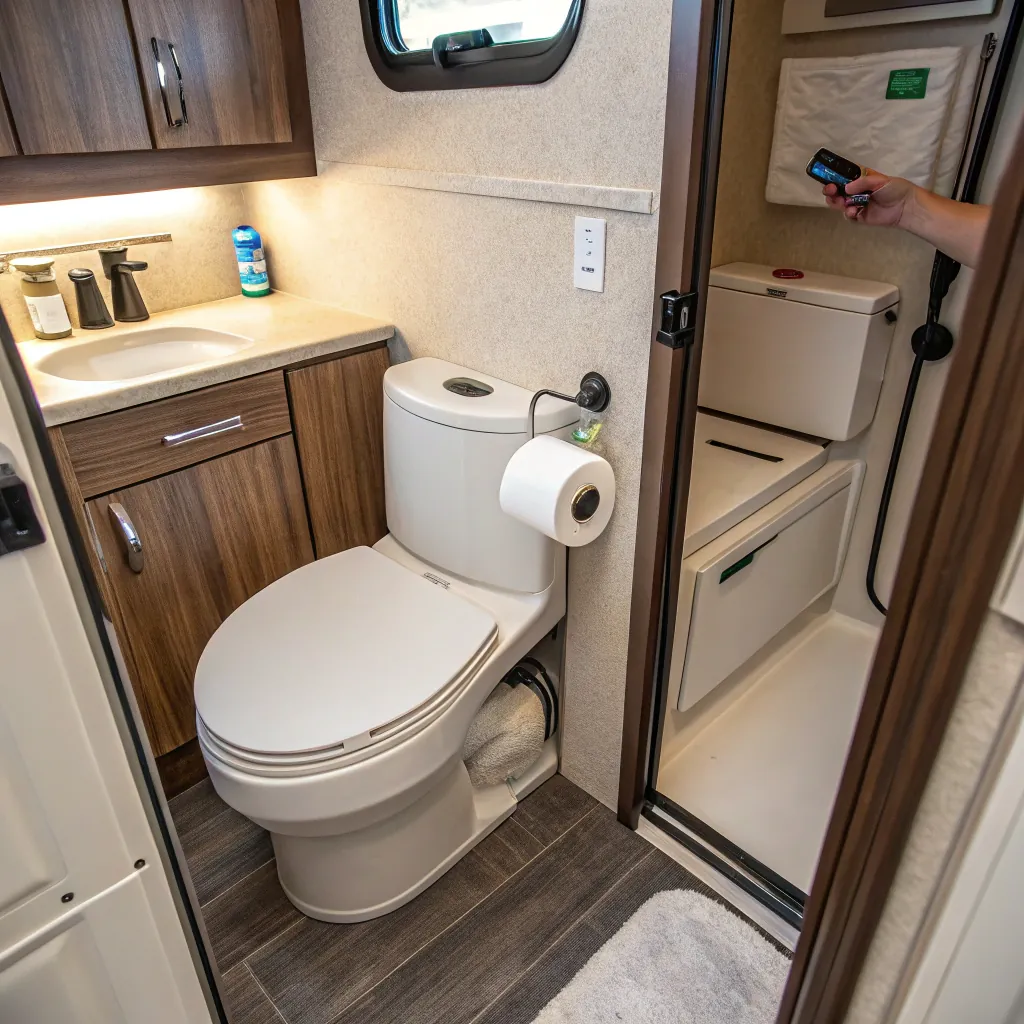
Many people assume all toilet paper works the same way. This belief leads to common RV plumbing issues that could be avoided with the right product.
RV toilet paper is specially designed to dissolve faster in low-water systems, reducing the risk of clogs, buildup, and tank sensor failure.
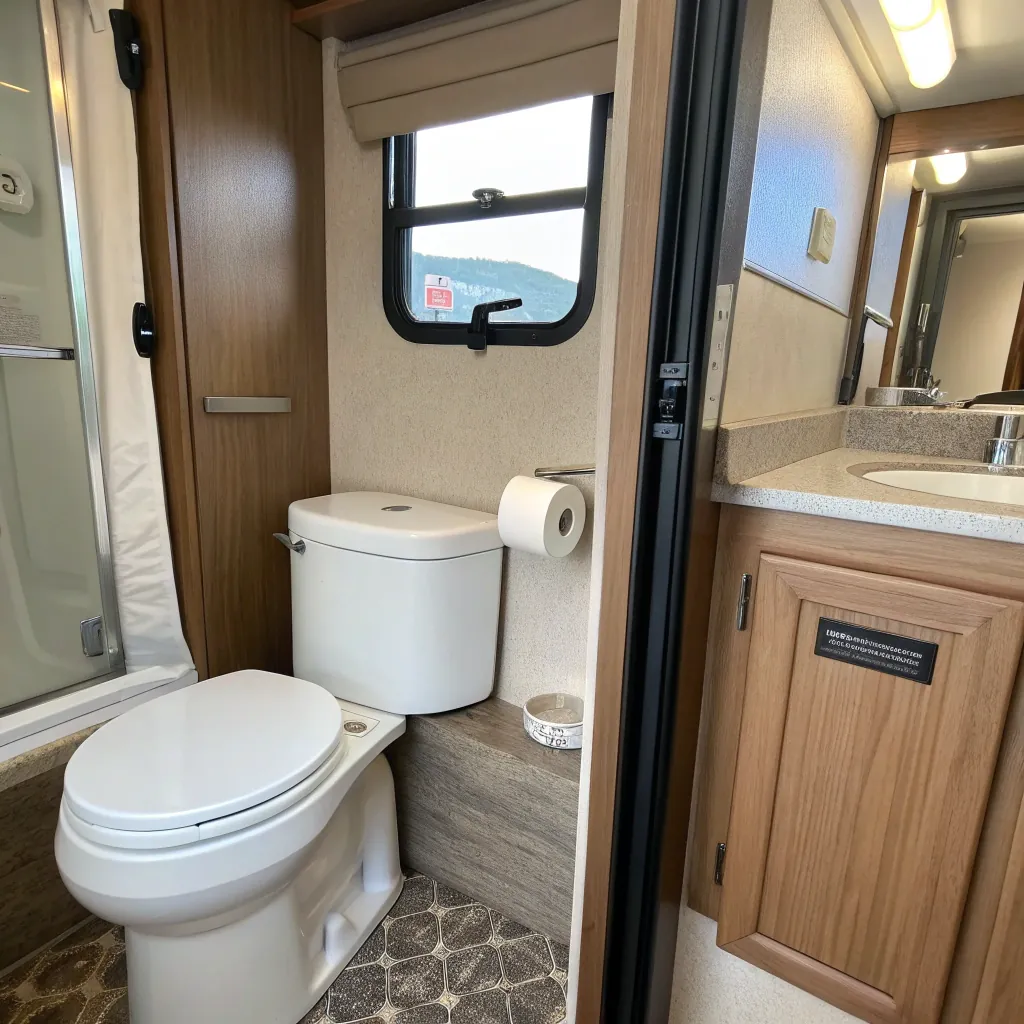
RV toilets are very different from home toilets. At home, toilets use a large amount of water to push waste through long pipes into a city sewer system. In an RV, the toilet uses very little water. Waste drops directly into a black water holding tank. There is no long pipe and no strong water flow.
Low-water flushing systems
RV toilets rely on gravity, not pressure. Each flush uses only a small amount of water. Because of this, paper must break apart quickly. If it does not, paper sheets stay intact and sink to the bottom of the tank.
Over time, this paper builds up. It mixes with waste and forms thick layers. These layers are hard to remove and can block tank outlets.
Fast-dissolving fiber structure
RV toilet paper uses shorter and looser fibers. These fibers separate quickly when they touch water. Some products begin breaking down within seconds. This helps paper spread evenly in the tank instead of clumping.
Regular toilet paper often uses stronger bonding for comfort. This bonding slows breakdown. In a home toilet, this is not a problem. In an RV, it is.
Reduced additives and coatings
Many household toilet papers include lotions, strength agents, or decorative layers. These features improve comfort but slow decomposition. RV toilet paper avoids these additives.
The goal is not luxury. The goal is system safety.
Key design differences
| Feature | RV Toilet Paper | Regular Toilet Paper |
|---|---|---|
| Fiber length | Short and loose | Longer and stronger |
| Dissolving speed | Very fast | Medium to slow |
| Additives | Minimal | Often included |
| Best use | RV and marine toilets | Home toilets |
From my experience, many first-time RV users ignore this difference. They often learn the hard way after the first clog. Understanding design intent helps avoid these problems early.
Is RV toilet paper required by law?
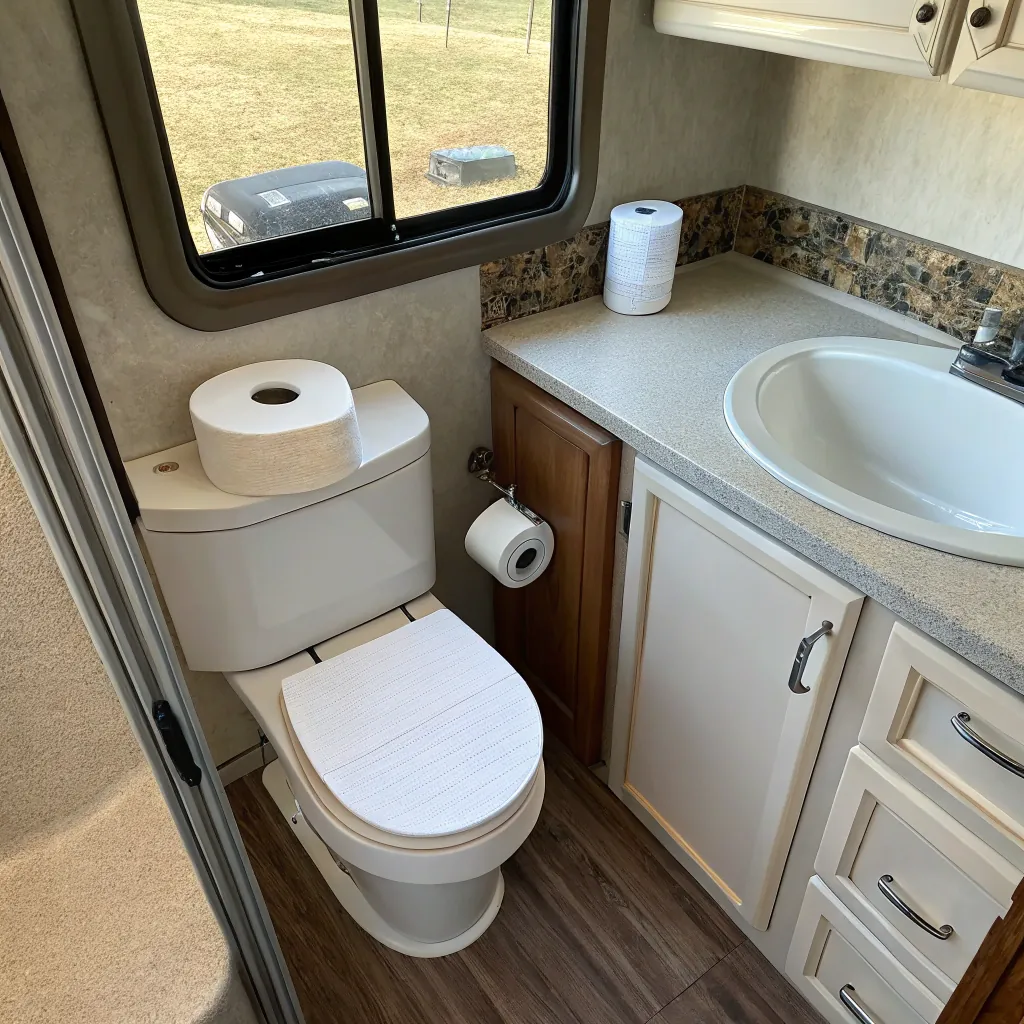
This question comes up often, especially from new RV owners who want clear rules. The answer is simple, but the consequences are not.
RV toilet paper is not required by law, but manufacturers and service providers strongly recommend it to prevent damage and maintenance issues.
There is no national or international law that forces RV owners to use RV-specific toilet paper. You will not receive a fine for using regular toilet paper in your RV bathroom.
However, the absence of a law does not mean there is no risk.
Manufacturer warranty terms
Many RV manufacturers include guidance in their manuals. They often state that damage caused by improper waste management may not be covered under warranty. This includes clogs, sensor damage, and tank blockages.
If a service center finds thick paper buildup caused by unsuitable toilet paper, repairs may be considered user error.
Campground and rental policies
Some RV rental companies and campgrounds include rules in rental contracts. These rules often require the use of RV-safe toilet paper. If damage occurs, cleaning or repair costs may be charged to the renter.
This is not a law, but it is a binding agreement.
Insurance and service costs
Insurance usually does not cover routine maintenance problems. Tank blockages caused by paper buildup fall into this category. Repairing or cleaning a black tank can be costly and unpleasant.
Legal vs practical reality
| Aspect | Legal Status | Practical Impact |
|---|---|---|
| Government law | Not required | No fines |
| Manufacturer guidance | Strongly advised | Warranty risk |
| Rental agreements | Often required | Extra charges |
| Repair costs | Not covered | Out-of-pocket expense |
In short, the law does not force your choice. Reality does. Using the wrong paper may not break a rule, but it can break your system.
How does RV toilet paper help protect tanks?
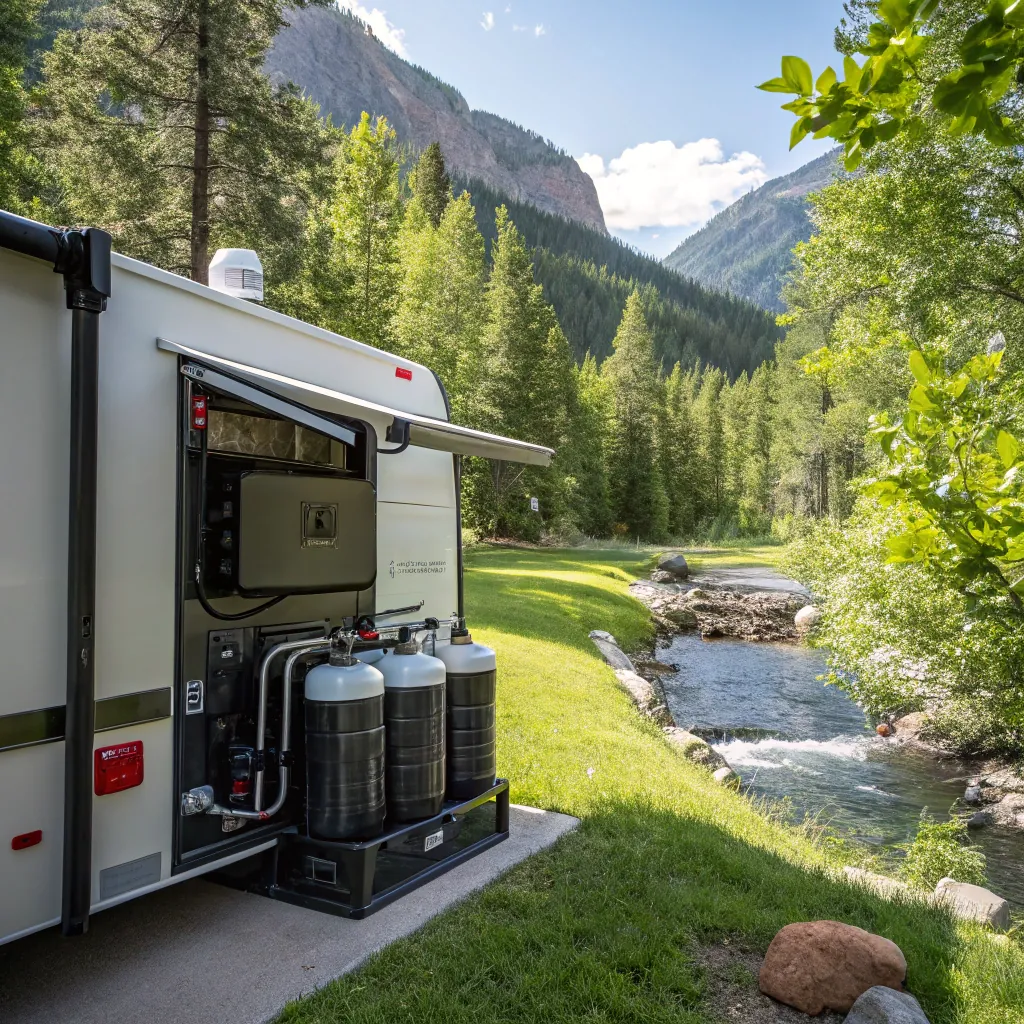
RV black tanks are simple in design but sensitive in use. Small mistakes lead to big problems over time.
RV toilet paper protects tanks by breaking down quickly, preventing solid buildup, keeping sensors cleaner, and improving waste flow during dumping.
Understanding how tanks work makes this protection easier to see.
Preventing solid piles
When RV toilet paper dissolves fast, it spreads evenly in the tank. Waste stays mixed with water. This mixture flows out smoothly during dumping.
Regular toilet paper often stays in sheets or clumps. These clumps settle at the bottom. Over time, they harden into solid piles. These piles reduce tank capacity and block the outlet.
Protecting tank sensors
Most RV tanks use simple level sensors. These sensors are mounted on the tank walls. Paper buildup can stick to them. When this happens, sensors give false readings.
Many RV owners complain that tanks always show “full” or “empty.” In many cases, paper residue is the cause.
RV toilet paper reduces residue sticking to tank walls. This helps sensors stay cleaner and more accurate.
Improving dumping efficiency
When tanks are dumped, gravity pulls waste out. Fast-dissolving paper breaks into small fibers that move easily. This reduces leftover waste after dumping.
Leftover waste leads to smells. It also creates a breeding ground for bacteria.
Long-term tank health
Using the right paper reduces the need for harsh tank cleaners. It also reduces manual cleaning, which is time-consuming and unpleasant.
Tank protection summary
| Protection Area | RV Toilet Paper Benefit |
|---|---|
| Bottom buildup | Reduces solid piles |
| Sensor accuracy | Less residue |
| Dumping flow | Smoother drainage |
| Odor control | Less leftover waste |
I have seen tanks that looked fine from the outside but were nearly blocked inside. In many cases, the only issue was paper choice over time. Small habits shape long-term results.
What happens if I use regular toilet paper in an RV?
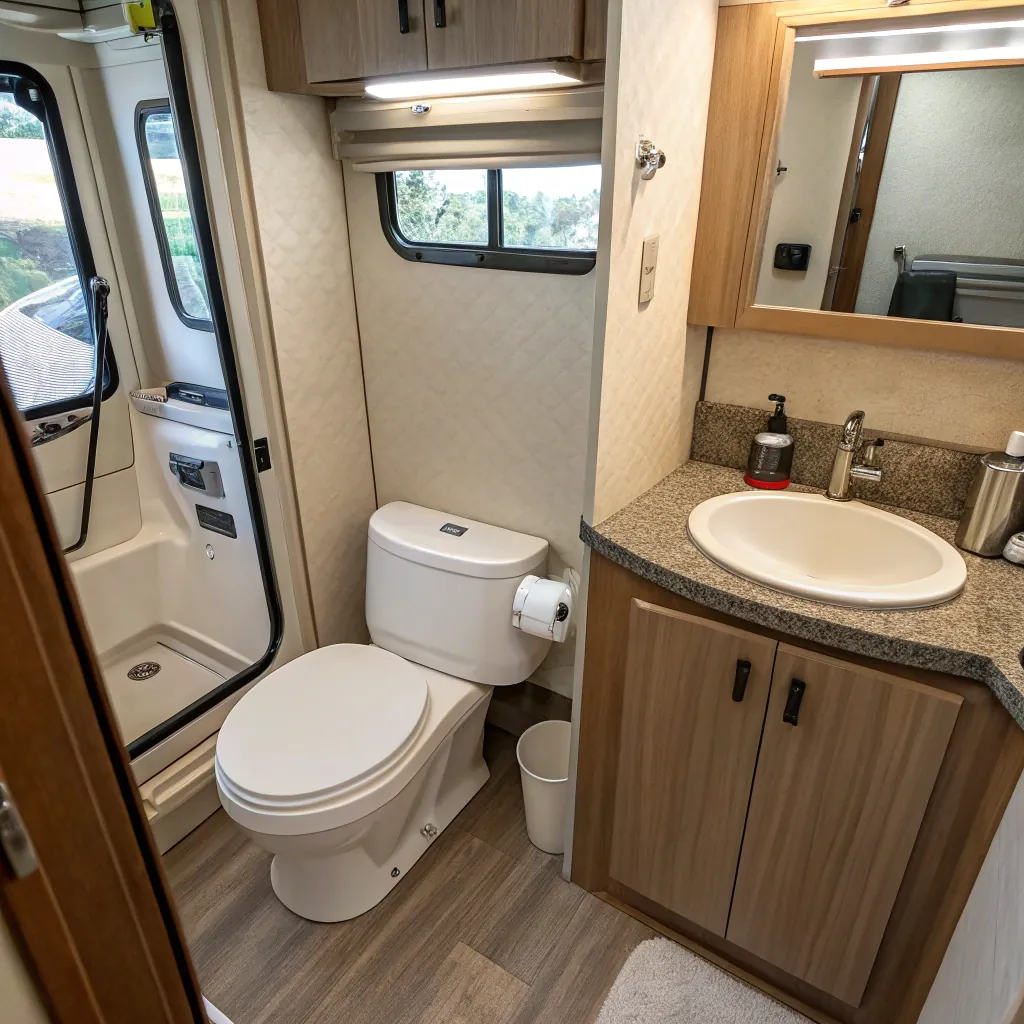
Many RV users try regular toilet paper at least once. Some feel lucky because nothing happens immediately. This creates false confidence.
Using regular toilet paper in an RV can cause slow buildup, clogs, false sensor readings, bad odors, and costly tank cleaning over time.
The key issue is not one use. It is repeated use.
Short-term effects
In the short term, you may notice nothing. The toilet flushes. Waste disappears. Everything seems normal. This is why the risk is often ignored.
But paper may already be settling at the bottom of the tank.
Medium-term problems
After weeks or months, signs appear. Tank sensors stop working correctly. Dumping takes longer. Water backs up slightly when flushing.
Smells become stronger even after dumping.
Long-term damage
If buildup continues, the outlet can partially block. In severe cases, waste does not drain fully. Manual cleaning becomes necessary. Some owners use tank flushing tools or professional services.
This process is unpleasant and expensive.
Why regular paper fails in RV systems
Regular toilet paper is designed for high-water systems. It relies on long pipes and strong flow. RV systems do not provide this environment.
Some brands claim to be “septic safe.” This does not always mean “RV safe.” Septic systems still use more water than RV tanks.
Risk comparison
| Outcome | RV Toilet Paper | Regular Toilet Paper |
|---|---|---|
| Immediate flush | Works | Works |
| Long-term buildup | Low risk | High risk |
| Sensor accuracy | Stable | Often incorrect |
| Cleaning frequency | Low | High |
Some RV owners perform a simple jar test. They place paper in water and shake it. RV toilet paper falls apart quickly. Regular paper often stays intact. This simple test explains everything.
Conclusion
RV toilet paper is designed for low-water systems and fast breakdown. It is not required by law, but it protects tanks, sensors, and wallets. Using regular toilet paper may seem harmless at first, but long-term damage often follows.