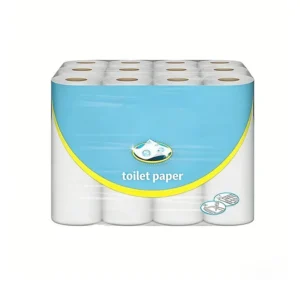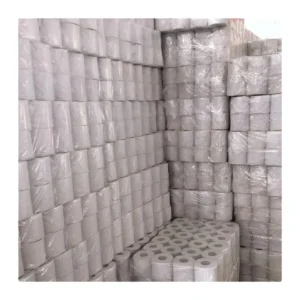
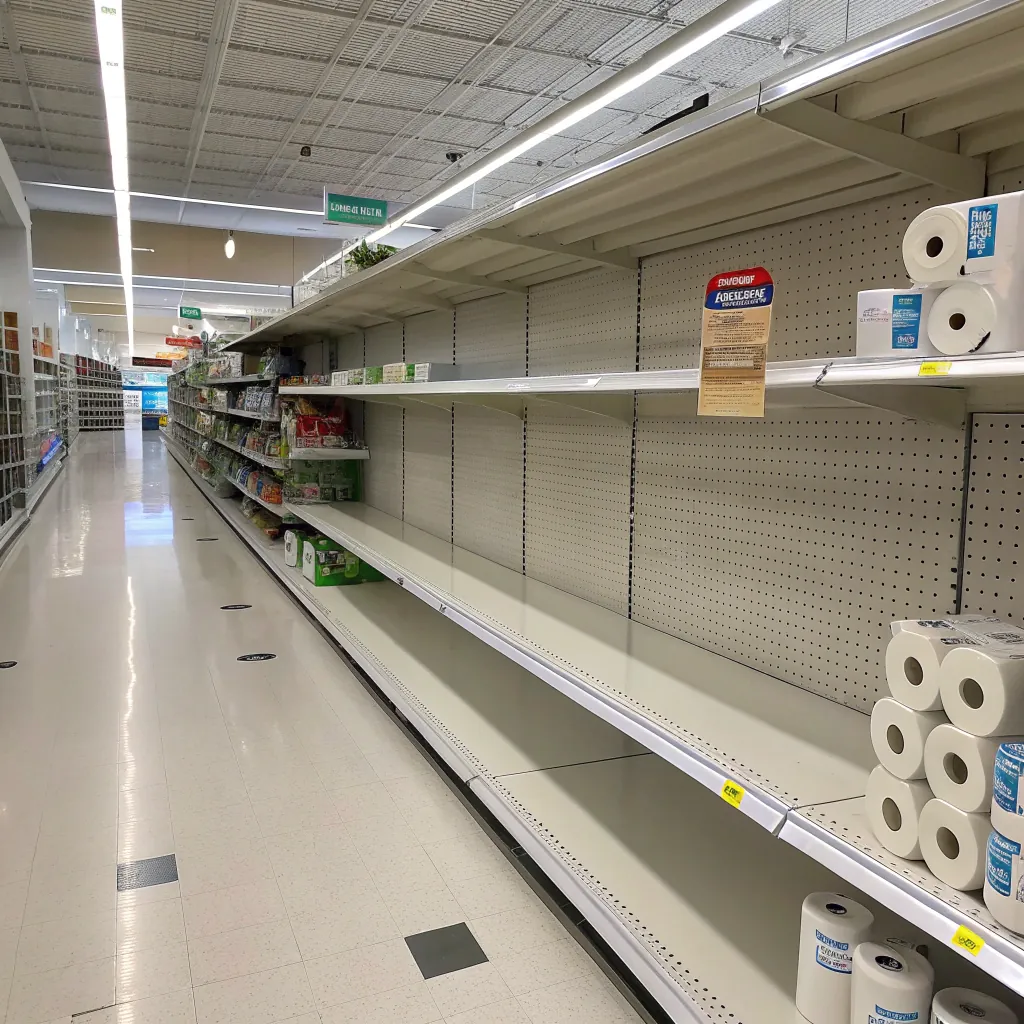
Many people have wondered where toilet paper and paper towels come from. There were times when shelves were empty. That made many think about imports. What do we really know about how these products reach us?
To answer the main question, yes, toilet paper and paper towels are imported. Many countries make them. Then they send them to other nations. The trade helps meet demand. It also lowers costs.
This topic matters because we all use these products daily. If imports slow, prices go up. People may not find the products they need. That can hurt homes and businesses.
Which countries export the most toilet paper?
Many might think only a few countries make toilet paper. In reality, many nations make more than they need. Those countries sell the extra to others. This creates a global flow of paper goods that helps balance supply and demand.
Countries like the United States, China, Germany, and Canada are among the top exporters of toilet paper. These countries have big paper industries and large factories. They can make large amounts at lower costs and send it to others.
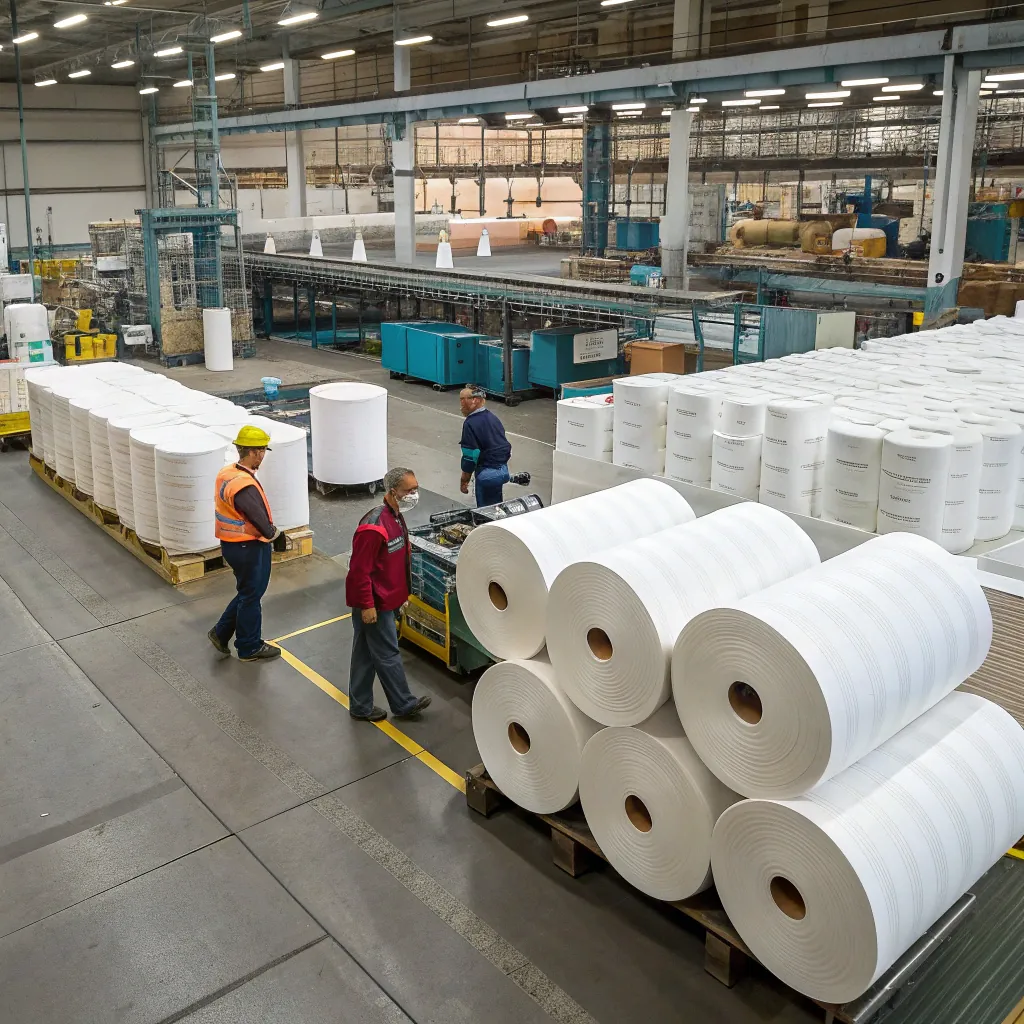
To really see how toilet paper exports work, we must look into who makes it and why they sell it abroad.
Who makes the most toilet paper?
Many factors go into which countries export the most toilet paper. These include:
- Raw material: Countries with forests or pulp mills have an edge. Wood pulp is the main raw material for most toilet paper.
- Production capacity: Some nations have many big factories. These can produce large volumes.
- Labor and cost: Lower labor costs can make products cheaper to export.
- Trade agreements: Some countries have deals that make exporting easier.
Below is a simple view of major toilet paper exporters:
| Country | Strengths in Exporting Toilet Paper |
|---|---|
| USA | Big production capacity, strong logistics, large mills |
| China | Low production cost, huge manufacturing base |
| Germany | High quality products, advanced industrial equipment |
| Canada | Large wood pulp supply, strong paper industry |
Why these countries export so much
The United States has large mills and many factories. It can make more toilet paper than it uses. That extra goes to other countries. Canada has forests and wood pulp. That makes it easier to produce toilet paper. China has many factories and lower production costs. Germany has advanced machines that make high quality products. All these factors help these countries export at scale.
How exports reach other countries
Exporting toilet paper involves many steps:
- Production: The paper is made in large rolls.
- Packaging: Rolls are packed into boxes or bundles.
- Shipping: The products are loaded onto ships or trucks.
- Distribution: Local companies sell them in stores or to businesses.
This flow helps countries that cannot make enough on their own. It also keeps prices more stable.
Impact of export leaders on global supply
When these big exporters have issues, others feel the effect. If mills slow down or costs go up, exports drop. That can lead to shortages in importing countries. This shows how connected the world is when it comes to simple products like toilet paper.
Does the U.S. import its toilet paper supply?
Many Americans assume that the United States produces all of its toilet paper. That was more true in the past. Still, the U.S. remains a large producer. However, imports play a role in meeting total demand.
Yes, the United States imports toilet paper, though it produces a lot at home. Imports help meet specific needs and supply gaps. Some paper products are cheaper from abroad. Others fill in when local mills slow production.
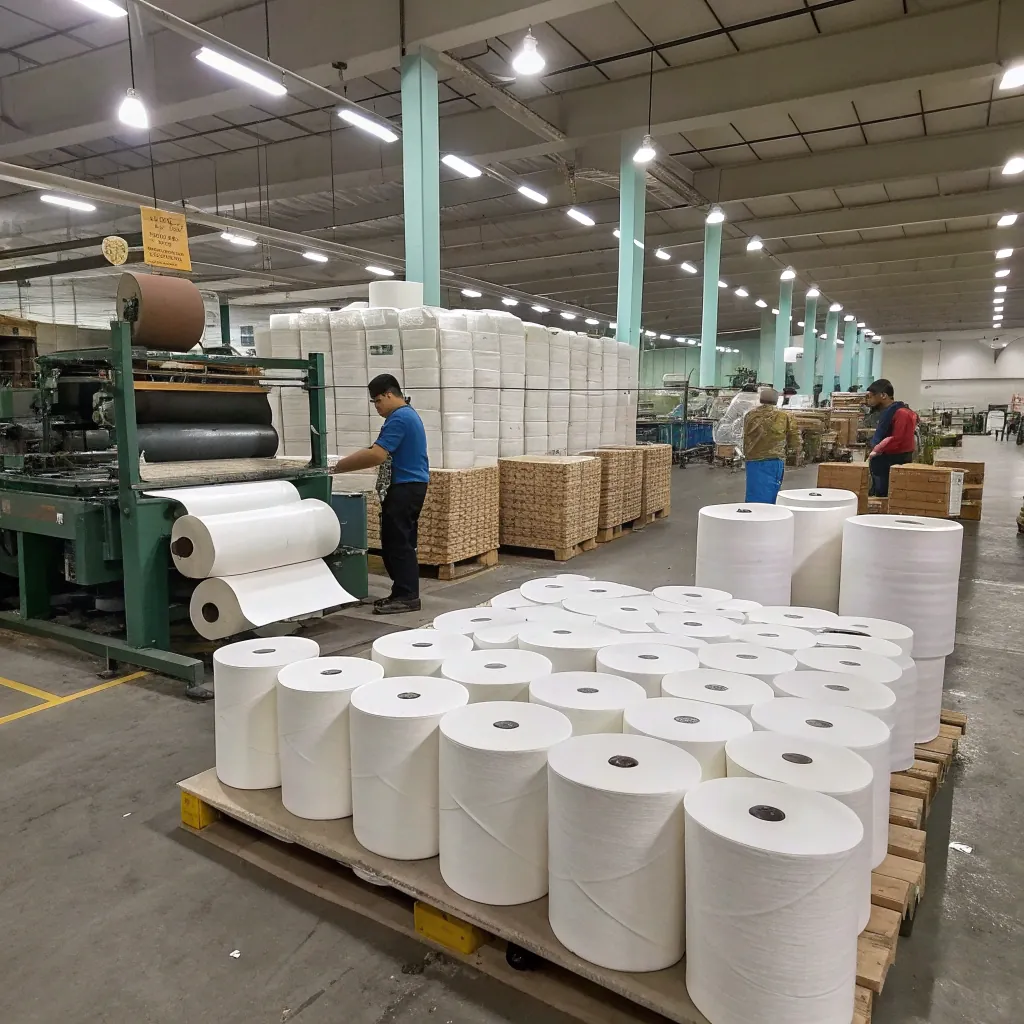
Let us break down how imports fit into the U.S. situation.
U.S. production versus imports
The U.S. makes a huge amount of toilet paper domestically. There are big companies and many plants. They supply most of the U.S. market. Still, the U.S. imports some types of rolls and specialty products. These might be in bulk or under different brand names.
The decision to import can depend on price, demand, and availability. When domestic supplies drop or prices rise, companies look for foreign sources.
Why the U.S. still imports
There are several reasons why the U.S. brings in toilet paper from other countries:
- Cost savings: Some imported rolls are cheaper.
- Variety: Different types and sizes may not be made locally.
- Demand spikes: When demand suddenly rises, imports fill the gap.
Below is a simple comparison between U.S. production and imports:
| Source | Role in U.S. Toilet Paper Supply |
|---|---|
| Domestic Made | Main supply, covers majority of needs |
| Imported | Fills gaps, adds variety, helps during high demand |
How imports reach the U.S.
Imported toilet paper arrives at ports like:
- Los Angeles
- New York
- Houston
Once there, it moves by truck or rail to warehouses. Stores and businesses then buy it.
This flow ensures products reach all regions, including distant areas.
Impact of imports on costs and supply
Imports can affect prices. When imported toilet paper is cheaper, it puts pressure on domestic prices. That can help consumers. However, if foreign costs rise or transport slows, the price may go up. That happened in past shortages.
Thus, imports help but also add complexity to supply.
Are paper towels and toilet paper sourced the same?
At first glance, toilet paper and paper towels seem similar. Both are paper goods used daily. Yet they serve different purposes and have different properties.
Both products may be made from the same raw materials. That includes wood pulp or recycled fibers. Still, the way they are made and sourced can differ.
Toilet paper and paper towels are similar in materials, but they are not always sourced in the same way. The supply chains can overlap, yet each product may travel a separate path to reach the customer.
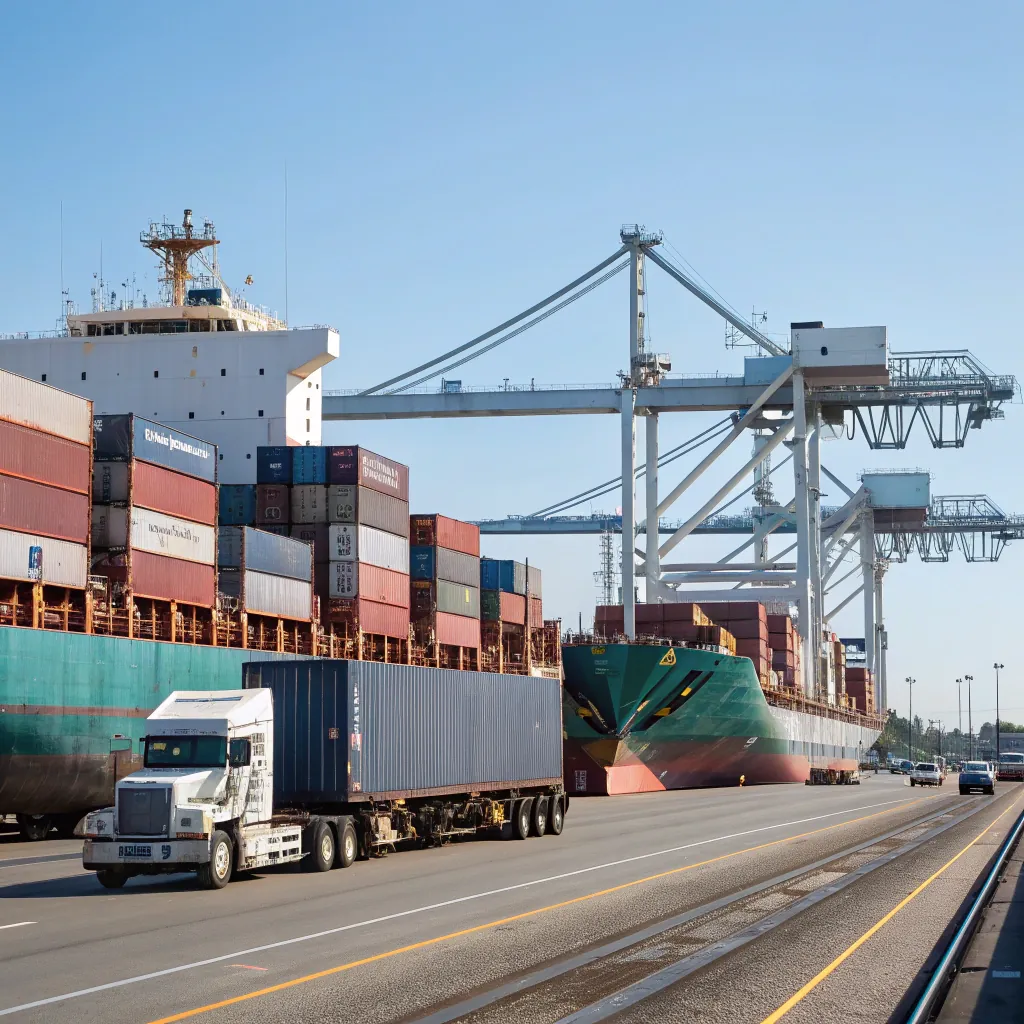
Let us break down how they are different and how they may be similar.
Material similarities
Both products use paper fibers. That may come from:
- Wood pulp
- Recycled paper
- Bamboo pulp
These fibers are processed into sheets. Then they become rolls or towels.
Production process differences
Toilet paper and paper towels are made with different goals. Toilet paper is softer and designed to break down easily. Paper towels are stronger and absorbent. They need to handle liquid and pressure.
These differences affect how factories make them. Machines and steps vary.
Sourcing differences
Because of their different uses, the way they are sourced may differ:
- Toilet paper: Often ordered by retailers, hotels, or wholesalers in bulk.
- Paper towels: May come from different suppliers. They may be ordered more by food service or cleaning companies.
Some companies make both products in the same factory. Others have separate plants.
Transportation and packaging
Toilet paper rolls are lighter and may be packed in large bundles. Paper towels can be heavier and bulkier. That can affect shipping costs.
Factories may choose different ports or carriers. That depends on the product and destination.
Why the difference matters
When toilet paper and paper towel sourcing vary, it changes how supply issues affect them. A problem in one product’s supply chain may not hit the other. For example, wood pulp shortage may impact both. But if a specific towel machine breaks down, it may affect only paper towels.
Understanding these differences helps when planning inventory or buying decisions.
Has global supply affected toilet paper availability?
Many people remember when shelves were empty. That was during the early pandemic period. That time made clear how fragile supply chains can be.
Global connections mean that a problem in one place can affect many others. For toilet paper and paper towels, this is true.
Yes, global supply issues have affected toilet paper availability. Events like pandemics, factory closures, shipping delays, and raw material shortages have all played a part. These factors can slow imports and boost prices.
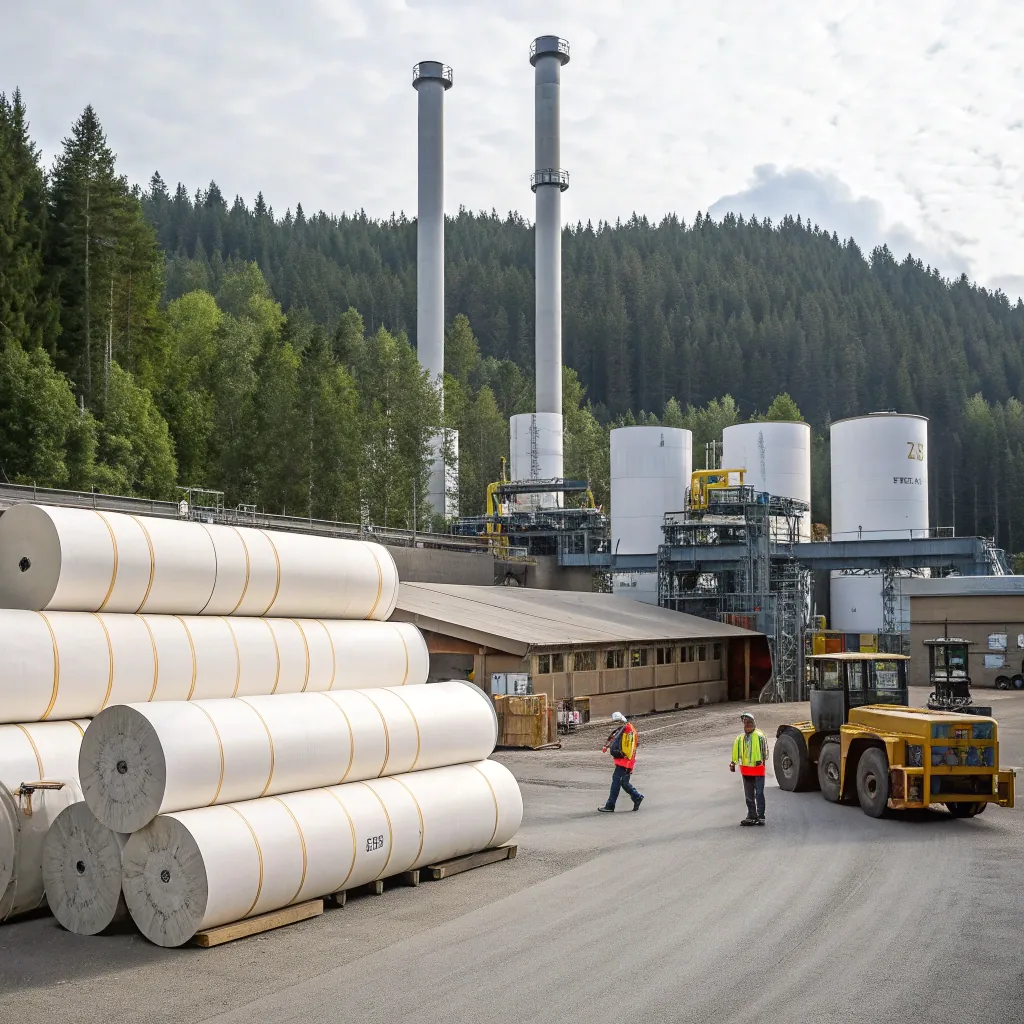
Let us look at how global supply can cause issues and what that means for everyday products.
Causes of global supply disruptions
There are many reasons why global supply may be affected:
- Factory shutdowns: If a major producer stops work, others feel the effect.
- Shipping delays: When ports are slow, containers pile up.
- Raw material shortages: Less wood pulp means less paper produced.
- Worker shortages: Fewer staff can slow production.
These events can happen separately or at the same time.
Case example: demand spikes
During the pandemic, many people bought more toilet paper. That caused a sudden rise in demand. Local producers could not keep up. Imports helped but were delayed. This caused empty shelves.
When many countries faced the same demand spike, exporting slowed. That made shortages worse worldwide.
How countries respond
Countries try to protect their own supply first. They may limit exports. That keeps products at home. But it may leave others without enough.
Other strategies include:
- Increasing local production
- Encouraging raw material production
- Improving logistics
Below is a simple view of how global supply events affect toilet paper availability:
| Issue | Impact on Toilet Paper Supply |
|---|---|
| Factory closures | Less production, higher scarcity |
| Shipping delays | Longer wait times, higher transport cost |
| Raw material shortages | Lower output, higher price |
| Demand spikes | Empty shelves, panic buying |
What consumers can expect
Global supply is always changing. A problem in one region can affect supply in another. However, markets often adjust. New factories may open. Trade routes can change. Over time, supply becomes more stable.
Conclusion
Toilet paper and paper towels are part of a global trade system. Many countries export them. The U.S. both produces and imports toilet paper. Paper towels may follow different paths. Global supply issues can affect availability, prices, and trade. Understanding this helps people make better decisions about buying and stocking these products.