Skip to content
Many people handle toilet paper every day, but few ever notice the tube inside. This small detail causes confusion when rolls do not fit holders, dispensers, or packaging plans.
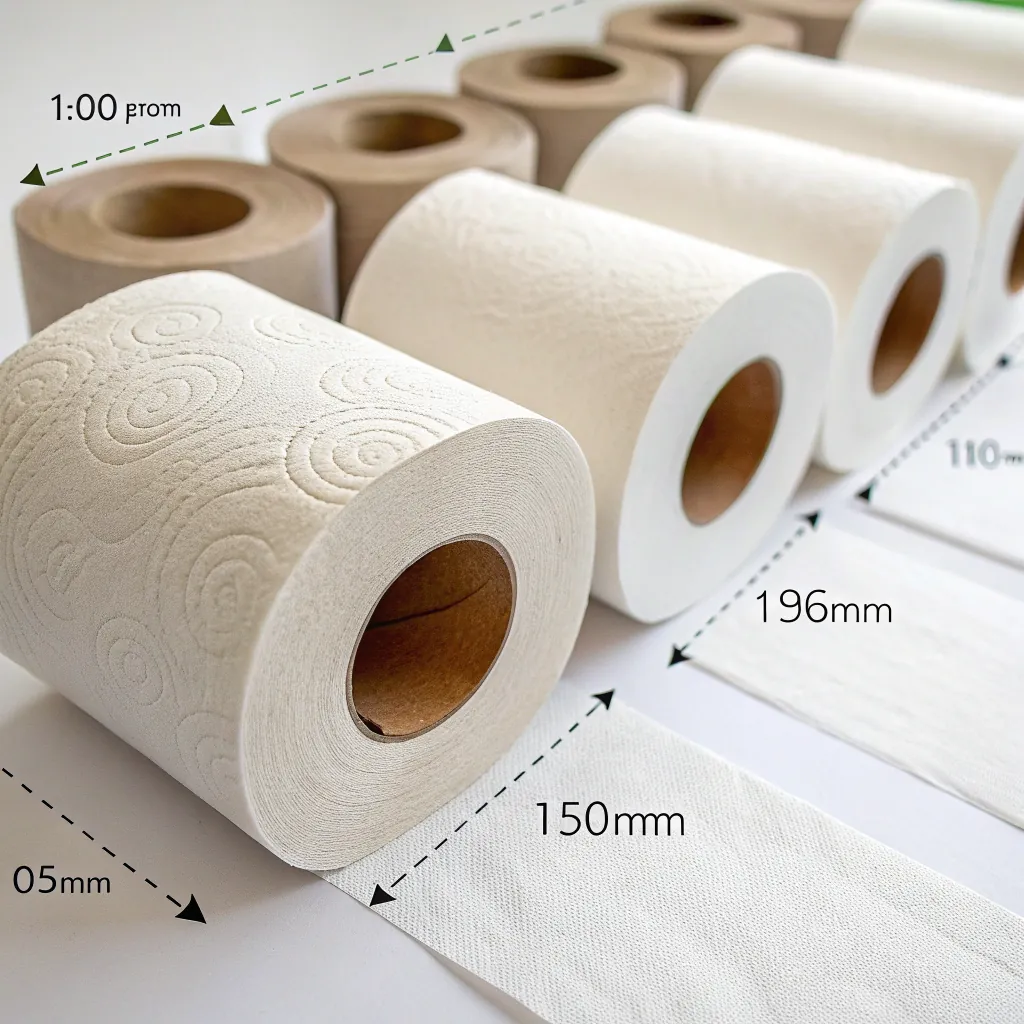
A typical toilet paper tube is usually between 100 mm and 115 mm long, but there is no single global standard, and real sizes vary by brand, market, and application.
Once this baseline is clear, tube length becomes more than trivia. It connects to roll compatibility, dispenser design, logistics, and even manufacturing cost.
Is there a standard toilet paper tube length?
People often assume there is a strict standard for toilet paper tube length. In reality, the situation is more flexible than expected.
There is no legally enforced global standard for toilet paper tube length, but most household rolls fall within a commonly accepted range.
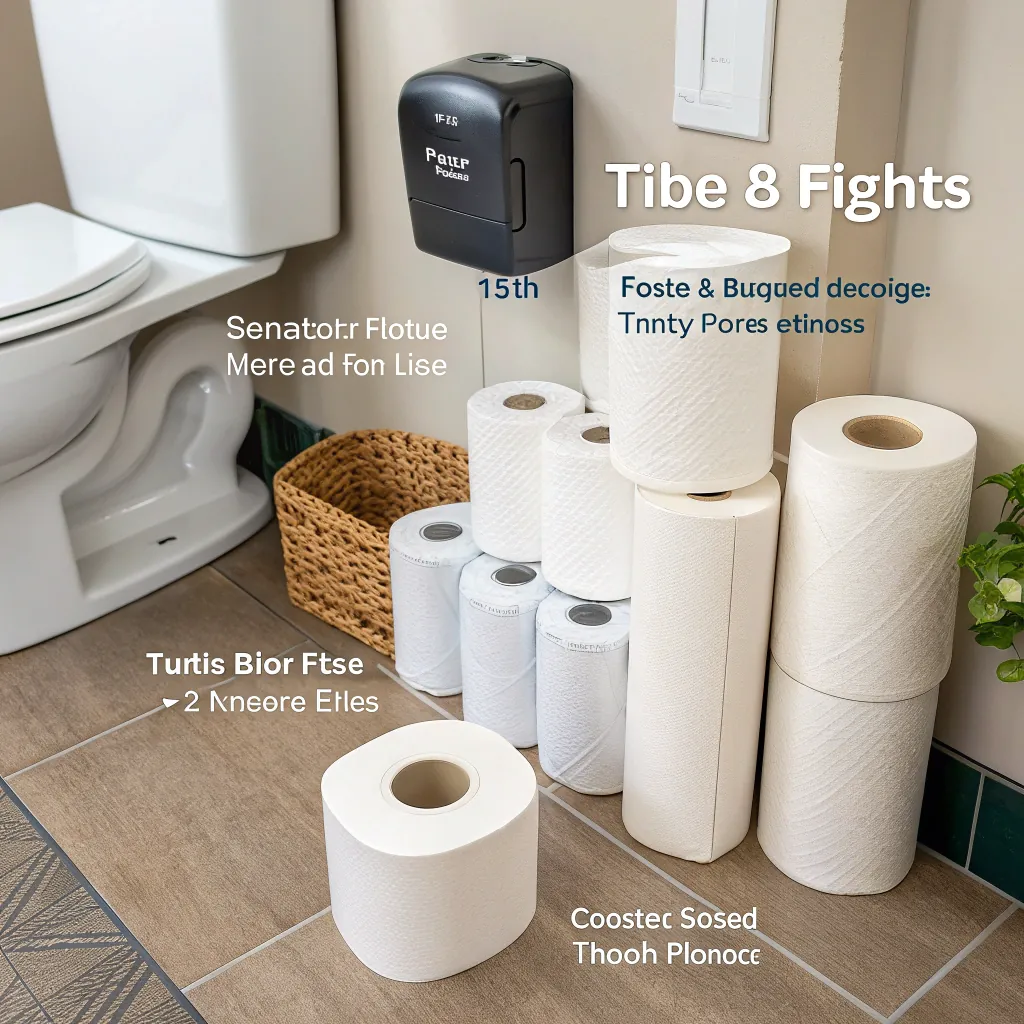
In most retail markets, especially for household toilet paper, tube length usually matches the roll width. This width is designed to fit common toilet paper holders mounted on walls. Over time, manufacturers naturally aligned their products to similar dimensions to avoid customer complaints.
Common household tube length range
Most household toilet paper tubes are designed to fit holders that are already installed in homes. Because of this, manufacturers rarely deviate too far from the norm.
Typical household tube lengths include:
- Around 100 mm (about 4 inches)
- Around 105 mm
- Around 110–115 mm (about 4.5 inches)
These sizes work with most spring-loaded and fixed holders. A roll that is too long will not fit. A roll that is too short may slide sideways.
Why no strict standard exists
Unlike electrical plugs or food labeling, toilet paper tubes are not regulated by safety or health laws in most countries. Tube size does not affect hygiene directly. Because of this, governments do not define exact measurements.
Instead, the market sets expectations. If a roll does not fit common holders, customers complain or stop buying it. This pressure keeps sizes within a practical range.
Household vs commercial standards
Commercial and jumbo rolls are a different case. These are designed for dispensers, not home holders. Dispenser brands often define their own tube or core size requirements.
This means “standard” depends on context. Household rolls follow one set of expectations. Commercial systems follow another.
Practical summary
| Application | Tube Length Expectation |
|---|---|
| Household rolls | 100–115 mm common range |
| Commercial rolls | Depends on dispenser |
| Jumbo rolls | Often customized |
From my experience, problems only appear when a product ignores these informal standards. Staying close to market norms avoids unnecessary friction.
Do tube sizes vary across brands?
Yes, tube sizes do vary, and this variation is intentional rather than accidental.
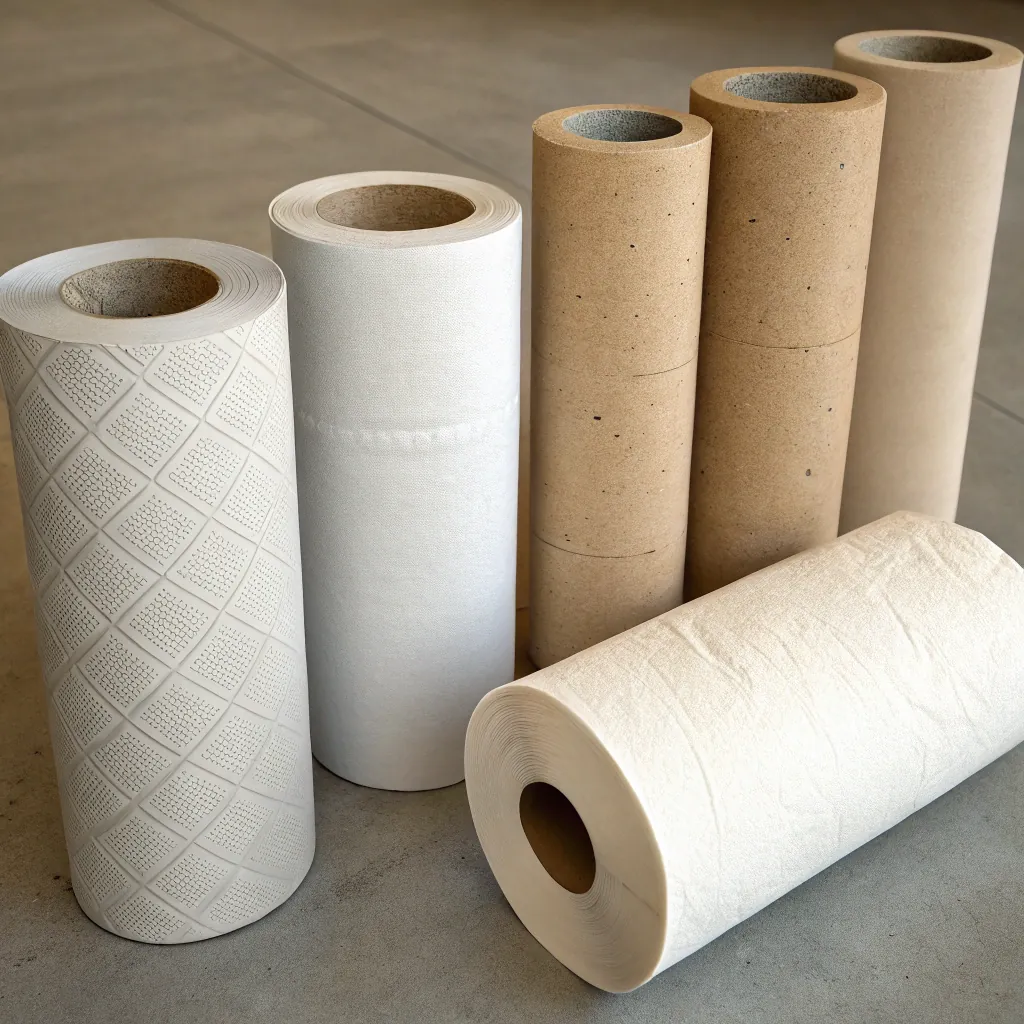
Toilet paper tube sizes vary across brands due to holder design targets, packaging strategy, market preference, and cost control.
Even small changes in tube length can affect how a roll feels, fits, and ships.
Brand positioning and design choices
Some brands focus on premium appearance. They may use slightly longer tubes to give the roll a fuller look on the holder. Others aim for compact packaging and may shorten the tube slightly.
These differences are usually small, often within 5–10 mm. But even this small change can be noticeable in tight holders or dispensers.
Regional market differences
Tube length can also vary by region. In some markets, wall-mounted holders are wider. In others, space is limited. Brands adapt to local bathroom design habits.
For example, in markets where bathrooms are smaller, rolls with slightly shorter tubes are easier to fit and store.
Cost and material considerations
The tube is made from paperboard. Longer tubes use more material. When production volumes are large, even a few millimeters matter.
Some brands shorten tube length to reduce paperboard use. This lowers cost and improves container loading efficiency during shipping.
Private label and OEM variation
Private label products often customize tube length based on buyer request. A supermarket chain may want a roll that fits a specific holder used in their stores or hotels.
This flexibility explains why two rolls that look similar can behave differently on the same holder.
Brand variation overview
| Factor | Impact on Tube Length |
|---|---|
| Brand positioning | Visual fullness or compact look |
| Regional habits | Fit local holder styles |
| Cost control | Shorter tube saves material |
| OEM customization | Buyer-defined size |
Tube variation is not random. It reflects deliberate choices made to balance fit, cost, and branding.
How is the tube length measured?
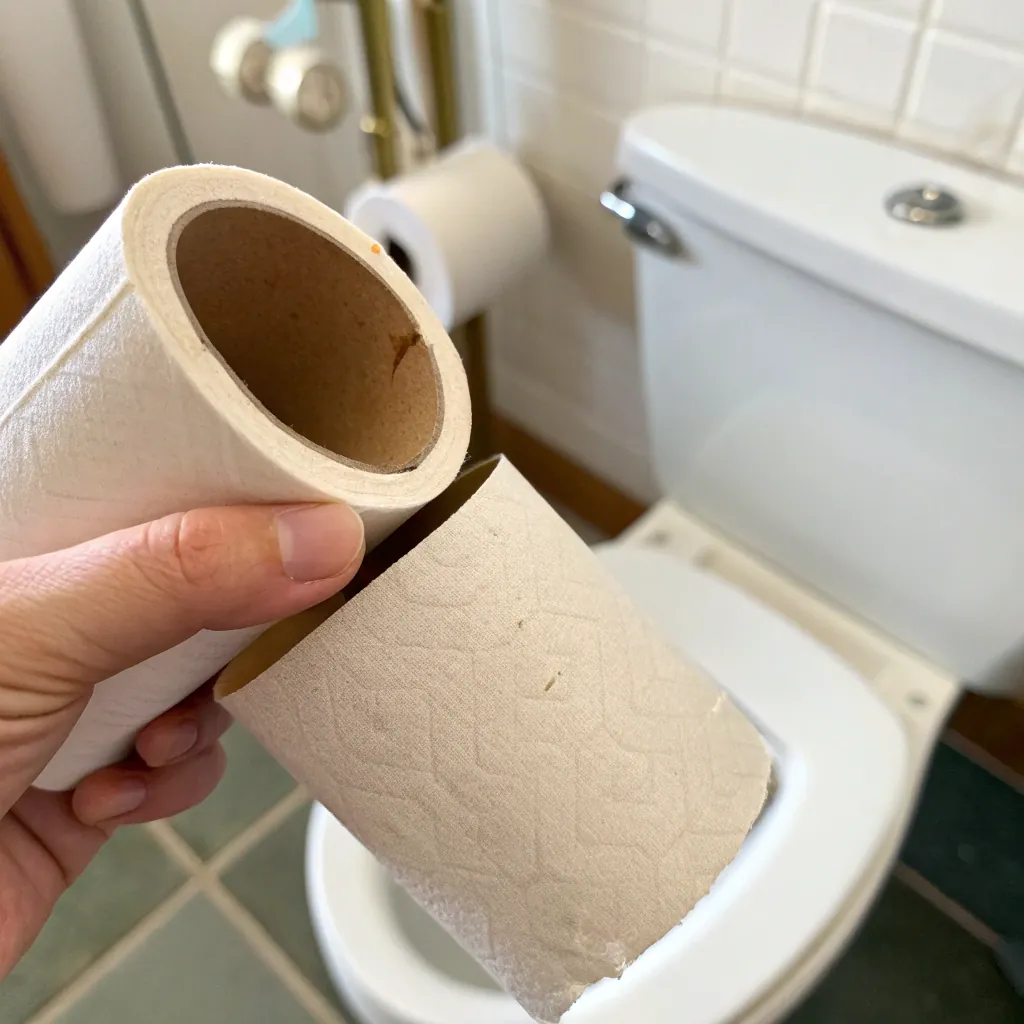
Tube length seems simple, but confusion often comes from unclear measurement methods.
Toilet paper tube length is measured from one outer edge of the tube to the other, excluding the paper thickness beyond the tube.
Understanding this helps avoid misunderstandings between buyers, suppliers, and packaging teams.
Standard measurement method
The correct way to measure tube length is straight across the tube, from edge to edge. The roll should not be compressed. The measurement follows the axis of the tube, not the paper layers.
This measurement reflects how the roll fits on a holder rod.
Common measurement mistakes
Some people measure the full roll width, including paper overhang. This gives a larger number and does not reflect tube size. Others measure the inner width, which ignores tube wall thickness.
These mistakes cause specification errors, especially in bulk orders.
Measurement tools used
In factories, tube length is usually checked with:
- Steel rulers
- Calipers
- Fixed-length gauges on production lines
For quality control, random samples are measured from each batch. Tolerance is often within ±1–2 mm.
Why accuracy matters
A few millimeters may not matter at home, but they matter in large projects. Commercial dispensers, automated packing lines, and pallet stacking all depend on consistent dimensions.
Measurement reference table
| Measurement Type | Included | Excluded |
|---|---|---|
| Tube length | Tube edge to edge | Paper overhang |
| Roll width | Full paper width | None |
| Inner diameter | Inside tube wall | Tube thickness |
Clear measurement rules prevent disputes and ensure compatibility across systems.
Can tube length affect roll compatibility?
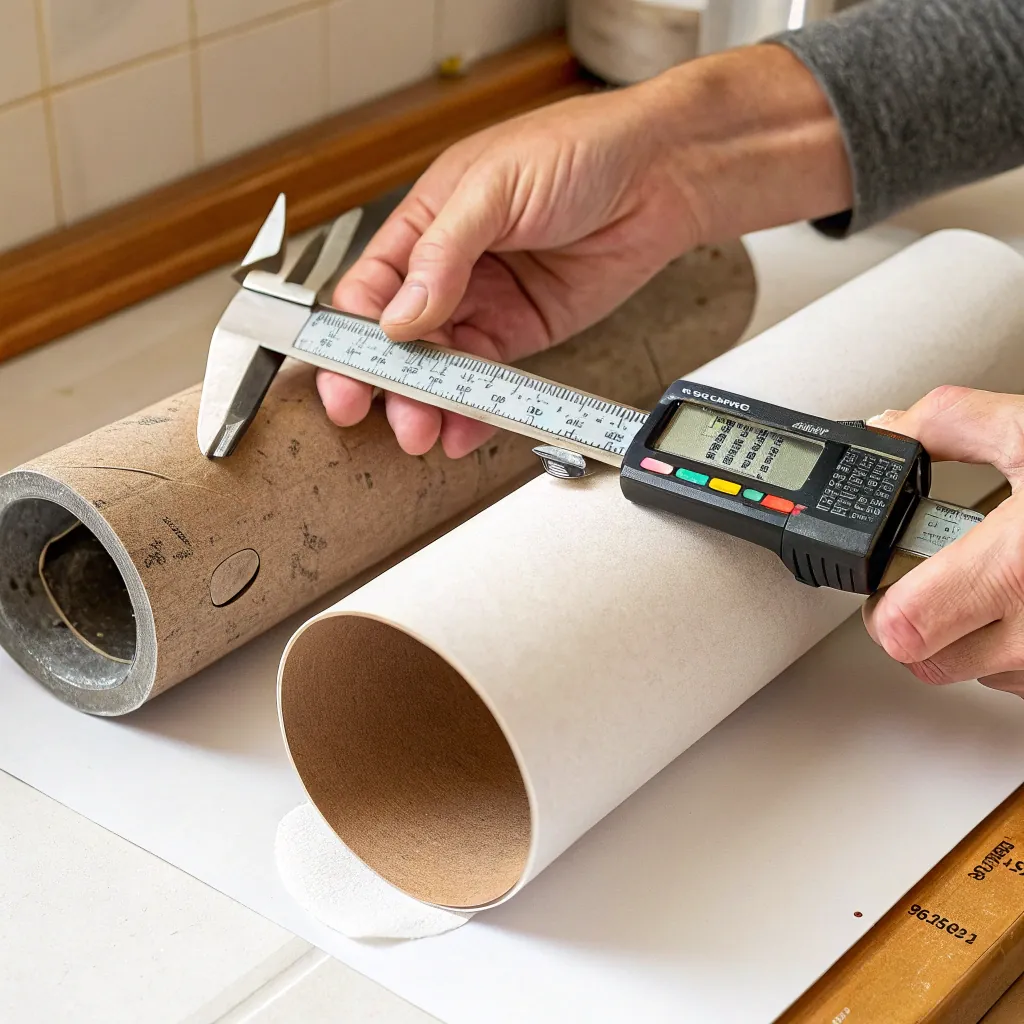
Yes, tube length directly affects compatibility, even though many users only notice when something goes wrong.
Tube length affects whether a roll fits holders, dispensers, packaging systems, and transport layouts.
Compatibility issues usually appear in four main areas.
Home toilet paper holders
Most home holders are designed for a narrow size range. If the tube is too long, the roll will not fit between the brackets. If it is too short, the roll may slide and feel unstable.
This creates daily frustration, even if the paper quality is good.
Commercial dispensers
Commercial dispensers are more strict. Many dispensers lock the roll in place. If the tube length is off, the roll may not rotate or may fall out.
This is why commercial buyers often specify tube length clearly in purchase orders.
Packaging and stacking
Tube length affects roll width. Roll width affects how many rolls fit in a pack, a carton, or a container.
A wider roll may reduce the number of rolls per carton. This increases shipping cost per unit.
Automated production and packing
Modern production lines rely on consistency. If tube length varies too much, machines jam or misalign. This slows production and increases waste.
Compatibility impact summary
| Area | Effect of Incorrect Tube Length |
|---|---|
| Home holders | Poor fit or sliding |
| Dispensers | Jamming or falling |
| Packaging | Lower packing efficiency |
| Logistics | Higher transport cost |
I have seen buyers focus heavily on paper weight and softness, while ignoring tube size. Later, they faced complaints about poor fit. Small dimensions can create big problems when scaled up.
Conclusion
Toilet paper tubes usually fall within a common length range, but no strict global standard exists. Tube length varies by brand, market, and use case, and it directly affects compatibility, cost, and user experience. Understanding this detail helps avoid fit issues and improves product planning.