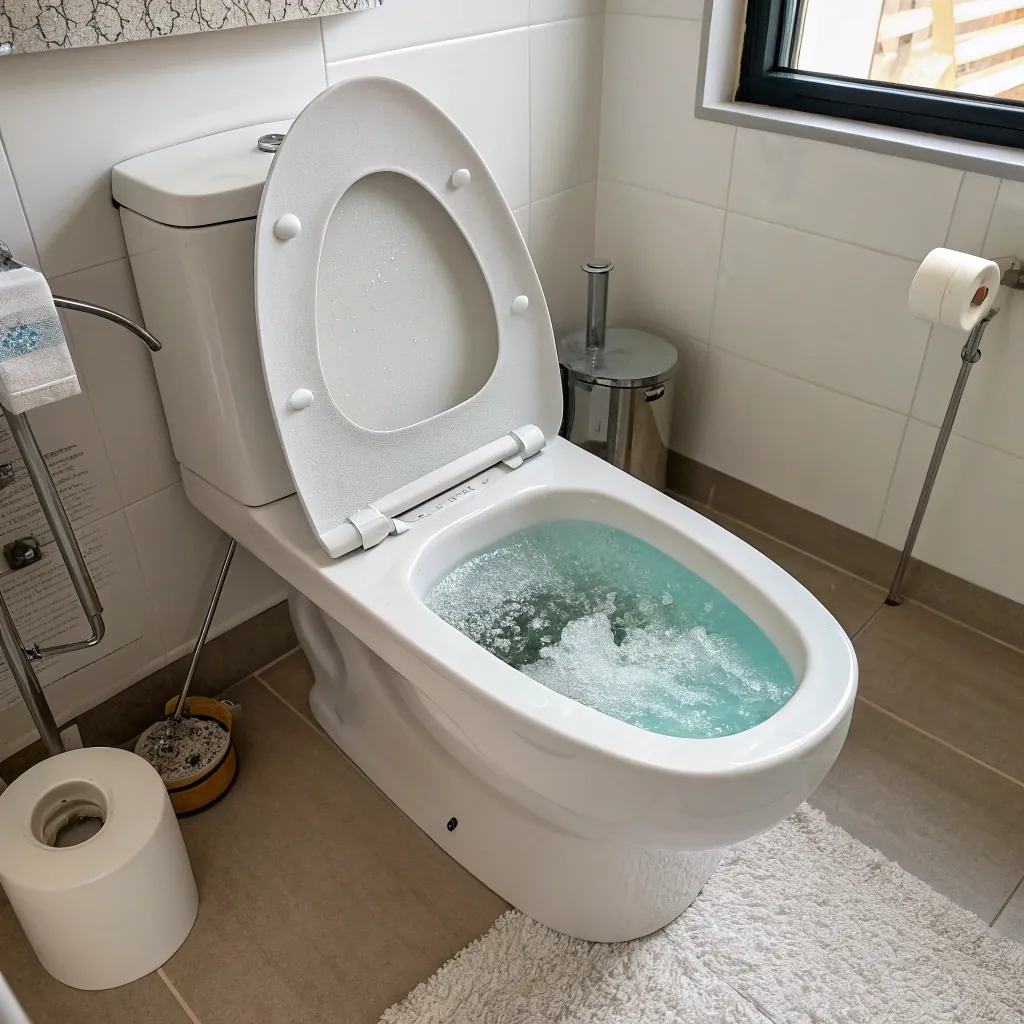
A clogged toilet creates stress fast. Water rises, time feels slow, and many people hope the problem will fix itself. This hope is common, but it is not always safe or realistic.
Sometimes toilet paper can unclog itself, but only under the right conditions. The result depends on paper type, water flow, pipe design, and how much paper was flushed.
This topic matters because waiting too long can turn a small blockage into a costly plumbing problem. Knowing when to wait and when to act helps avoid damage and panic.
How long does toilet paper take to break down in pipes?
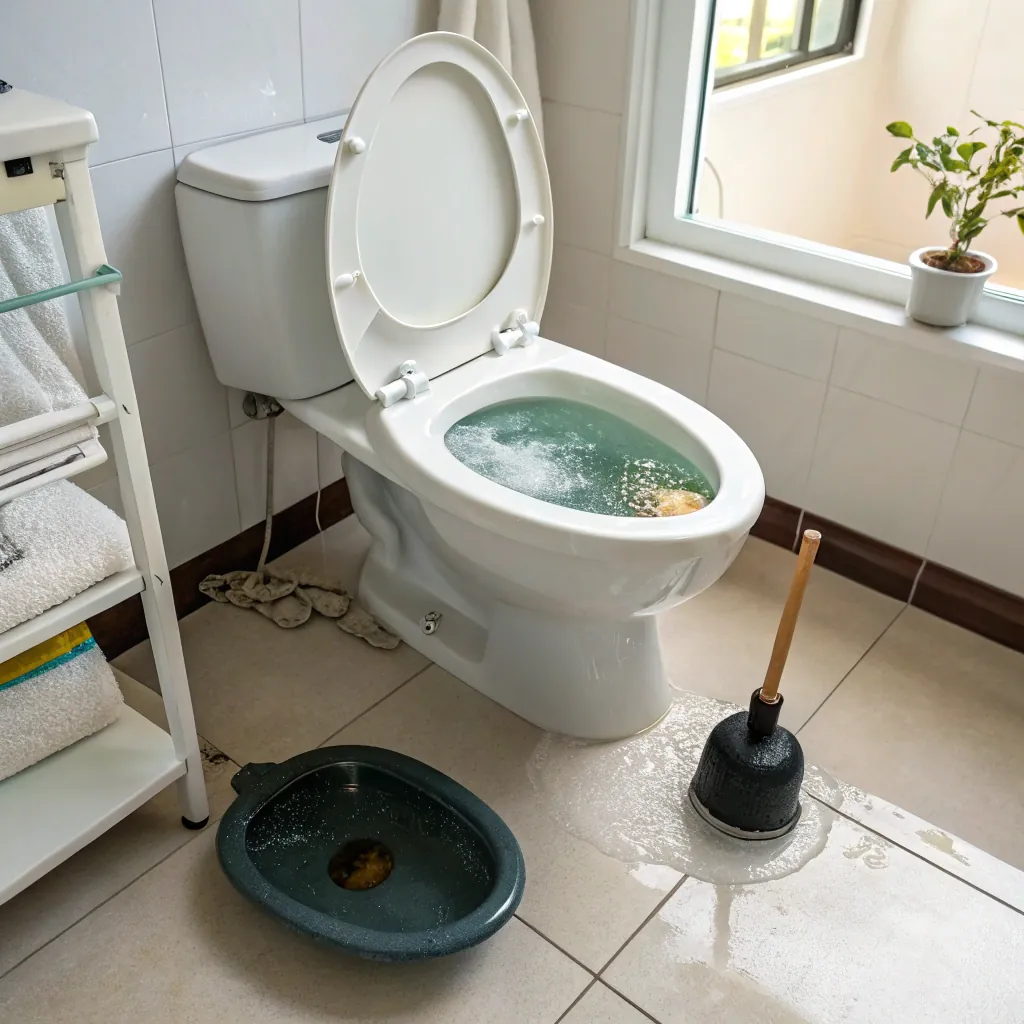
Toilet paper is designed to break down in water, but this process is not instant. Many people expect it to dissolve like tissue in a sink. That is not how it works inside pipes.
Most toilet paper starts to break down within minutes, but full disintegration can take several hours, depending on conditions inside the pipe.
Water movement plays a key role. In a flowing system, paper fibers separate faster. In still water, breakdown slows a lot.
What happens right after flushing
Once flushed, toilet paper enters the trap and drain line. If water keeps moving, fibers loosen and spread. If water stops, the paper can stay clumped together.
Several factors affect this stage:
- Amount of paper flushed
- Paper thickness and ply count
- Water volume from the flush
- Pipe slope and diameter
Low-flow toilets use less water. This saves water but reduces force. Less force means slower breakdown.
Time ranges in real situations
Below is a general view of breakdown time under common conditions.
| Condition | Approximate Breakdown Time |
|---|---|
| Strong water flow | 5–30 minutes |
| Normal household drain | 30–120 minutes |
| Standing water clog | Several hours or longer |
These are averages, not guarantees.
Paper type matters more than people think
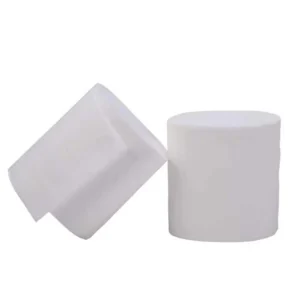
Single-ply paper breaks down faster. Thick, soft, multi-ply paper takes longer. Some recycled papers also hold fibers longer than expected.
From observation, clogs that clear themselves usually involve small amounts of standard toilet paper and active water flow. Without flow, time alone may not help.
Can flushing large amounts cause lasting clogs?
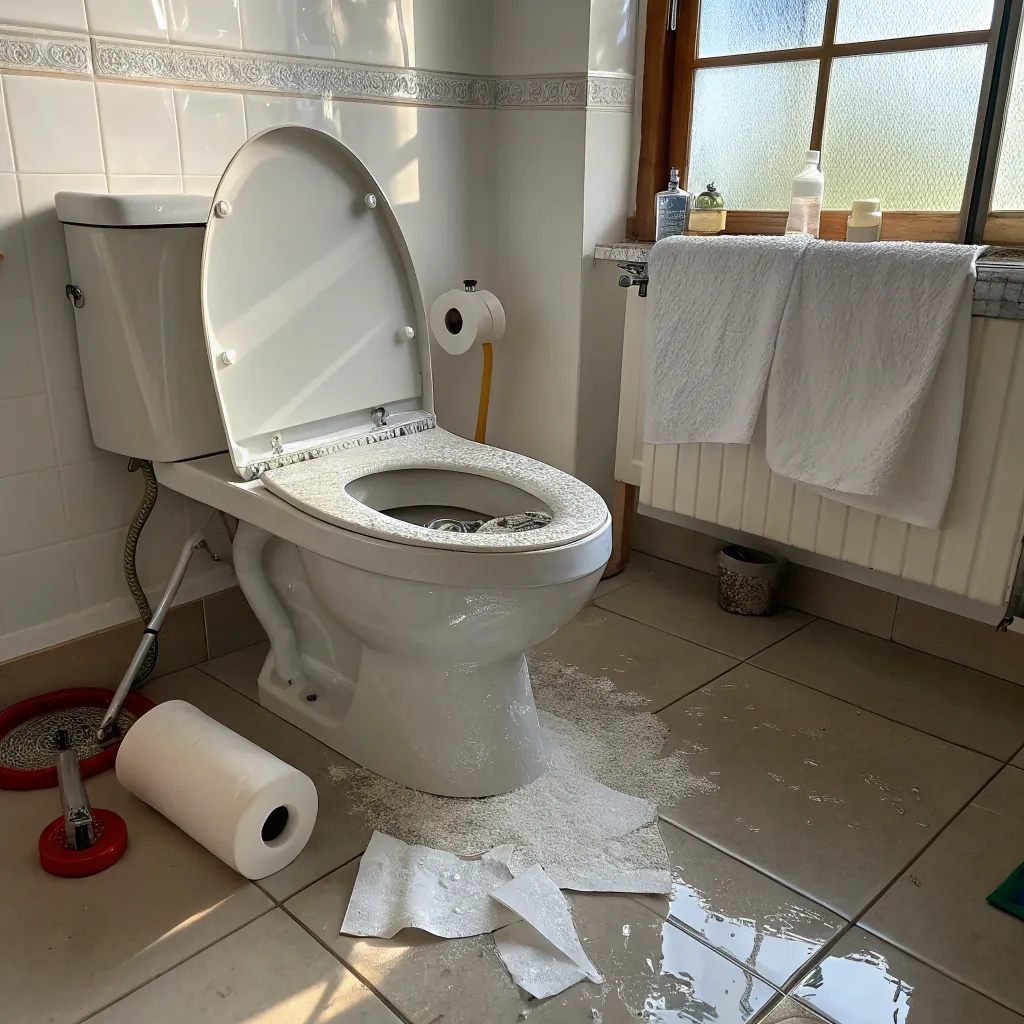
Many clogs start with one simple mistake. Too much paper goes down at once. This often happens in busy homes, offices, or public restrooms.
Yes, flushing large amounts of toilet paper can create clogs that do not clear on their own and may stay stuck for days.
The issue is not just paper. It is paper plus compression.
How large flushes create solid blockages
When too much paper enters the pipe, it can:
- Compress into a dense mass
- Catch on pipe joints
- Trap waste and debris
- Block airflow and water movement
Once compacted, water pressure alone may not break it apart.
Pipe design increases the risk
Older plumbing systems are more vulnerable. Narrow pipes, sharp bends, and rough inner surfaces all increase friction.
Common high-risk setups include:
- Old buildings with cast iron pipes
- Long horizontal drain lines
- Pipes with minimal slope
In these systems, a large paper load can stay stuck even with repeated flushing.
Signs the clog will not clear itself
Some signs suggest waiting will not help:
- Water level stays high for hours
- Water drains very slowly
- Gurgling sounds from other drains
- Toilet overflows after refilling
When these appear, the blockage is usually stable, not temporary.
Why repeated flushing makes it worse
Many people flush again to “push it through.” This often adds more paper and waste to the blockage. Pressure increases, but space does not.
Over time, this can turn a soft clog into a firm plug that requires tools.
In real use, lasting clogs almost always involve too much paper at once. The pipe does not fail. The system simply reaches its limit.
What helps toilet paper dissolve faster in drains?
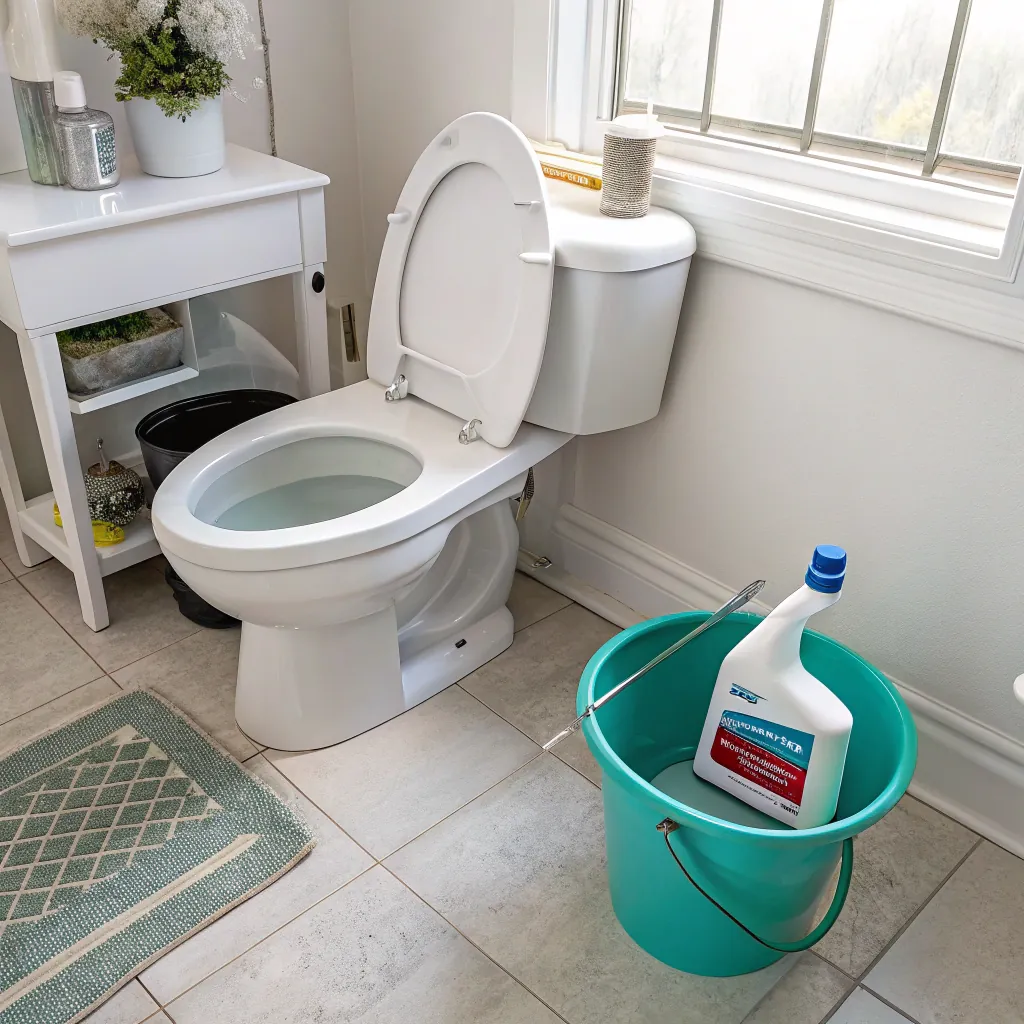
When a clog starts, people often want a quick and safe solution. Some methods help toilet paper break down faster, while others cause harm.
Warm water, time, and gentle movement help toilet paper dissolve faster. Harsh chemicals and force often create more problems.
Understanding the right approach matters.
Water temperature and volume
Warm water softens paper fibers. It allows them to separate more easily.
A common safe method:
- Pour a bucket of warm water into the bowl from waist height
- Avoid boiling water
- Allow gravity to assist movement
This adds flow without shock.
The role of dish soap
Dish soap reduces surface tension. It allows water to penetrate paper fibers.
A simple approach:
- Add a small amount of dish soap
- Wait 10–15 minutes
- Follow with warm water
This method works best for light clogs.
What to avoid using
Some products damage pipes or worsen clogs:
- Chemical drain cleaners
- Hard plunging with full bowl
- Metal tools without skill
Chemicals may dissolve paper, but they also damage seals and pipes over time.
Toilet paper quality makes a difference
Paper designed for fast dispersion breaks down faster. Thicker paper resists water longer.
Below is a simple comparison.
| Paper Type | Breakdown Speed |
|---|---|
| Single-ply | Fast |
| Standard 2-ply | Medium |
| Thick premium | Slow |
This explains why switching paper sometimes changes clog frequency.
From experience, patience combined with gentle methods works best. Aggressive actions often lead to leaks, cracks, or overflow.
Should I wait before calling a plumber for a clog?
Waiting feels tempting. Calling a plumber feels expensive. The decision depends on time, symptoms, and risk.
Waiting is reasonable for minor clogs with slow drainage, but not for repeated backups, rising water, or signs of deeper blockage.
Knowing the difference saves money and stress.
When waiting is usually safe
You can wait if:
- Water level slowly drops
- No overflow occurs
- No other drains are affected
- This is a rare event
In these cases, paper may still break down.
When waiting becomes risky
Call for help if:
- Water rises after each flush
- Multiple fixtures back up
- Sewage smell appears
- The clog returns often
These signs point to deeper pipe issues.
Cost of delay
Waiting too long can cause:
- Overflow damage
- Floor and wall water damage
- Pipe corrosion from standing waste
- Higher repair costs
A simple service call often costs less than cleanup and repair.
A balanced approach
Many people wait one to two hours. If nothing improves, they act. This balance reduces panic but avoids damage.
In practice, toilet paper clogs that clear themselves usually do so quickly. Long-lasting clogs rarely resolve without help.
Conclusion
Toilet paper can unclog itself, but only in mild cases with good water flow. Large amounts, thick paper, and poor pipe conditions often prevent natural clearing. Knowing when to wait and when to act protects both plumbing and peace of mind.