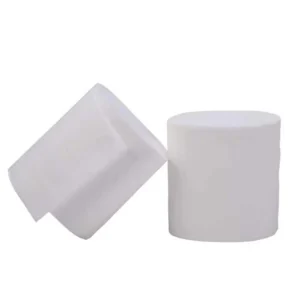
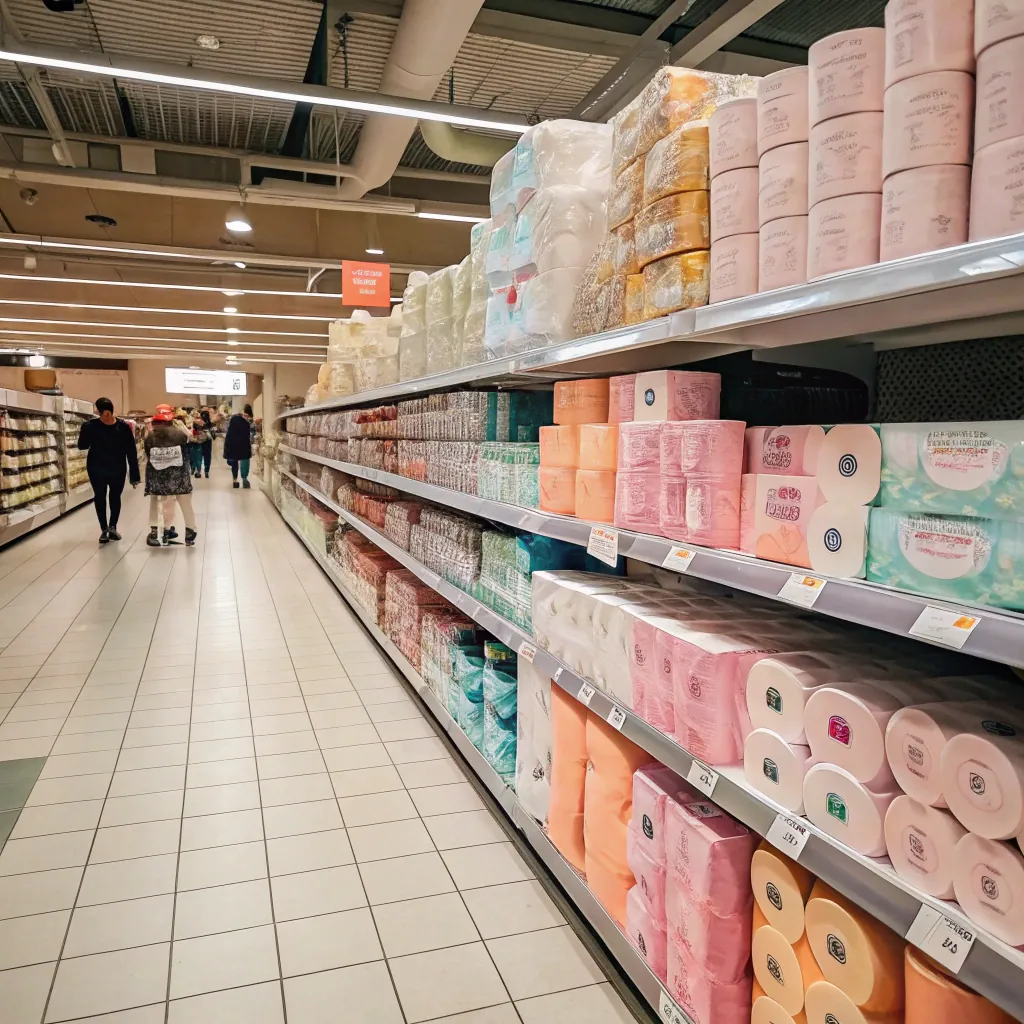
Many travelers feel surprised when they enter a store in France and see toilet paper in soft colors. This small detail often causes confusion. People start to ask if white toilet paper is missing or if colored paper is the norm.
In France, toilet paper is commonly white, but colored toilet paper also exists and is accepted. Pink, peach, and light pastel shades can be found in many supermarkets. This choice is linked to culture, design taste, and buying habits.
This topic matters because it shows how daily products reflect local habits. Something simple like toilet paper can reveal how people think about comfort, style, and tradition.
Is pink toilet paper standard in France?
Many people believe that pink toilet paper is the default choice in France. This idea comes from travel photos, stories, and social media posts. While pink rolls are visible, the full picture is more balanced.
Pink toilet paper is not the standard in France, but it is more common than in many other countries. White toilet paper still holds the largest share of the market. Colored options exist as an accepted alternative, not as a replacement.
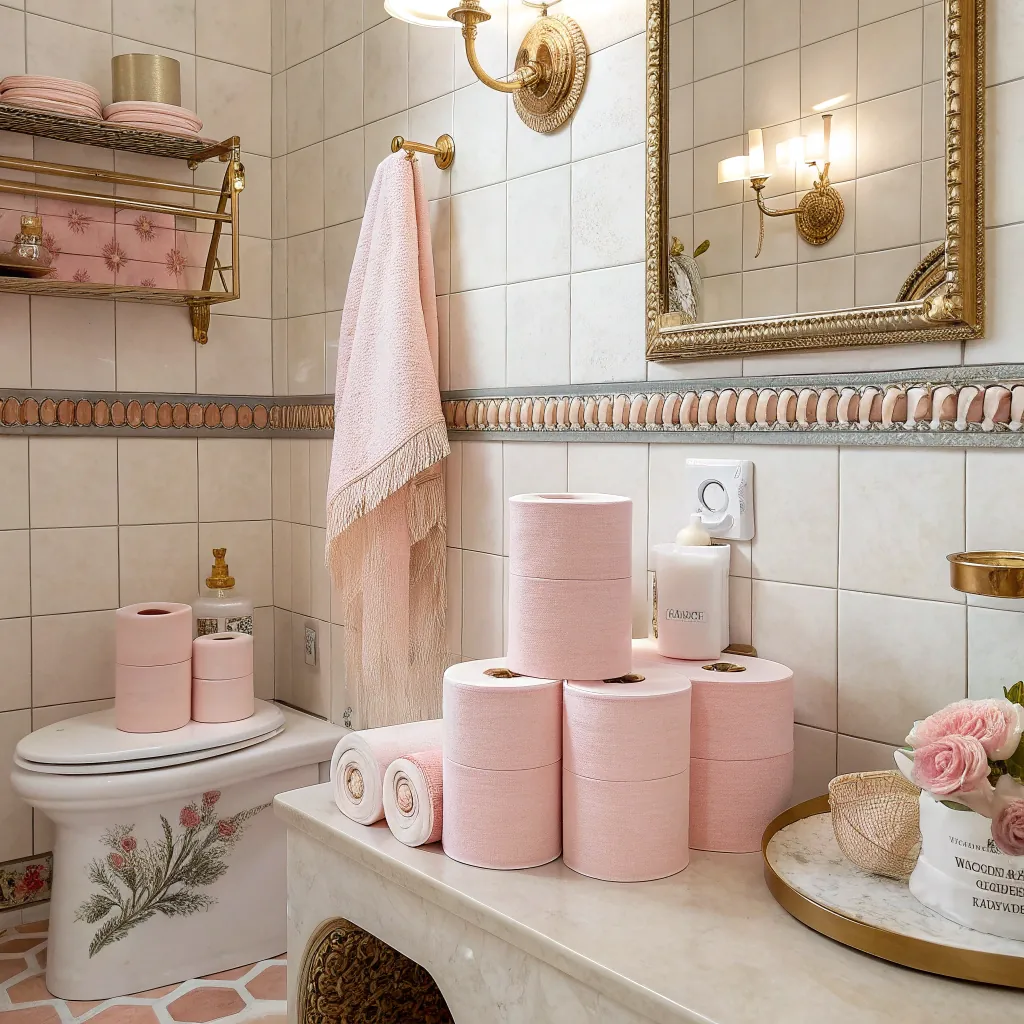
To understand this better, it helps to look at how French consumers view household products.
White toilet paper still dominates
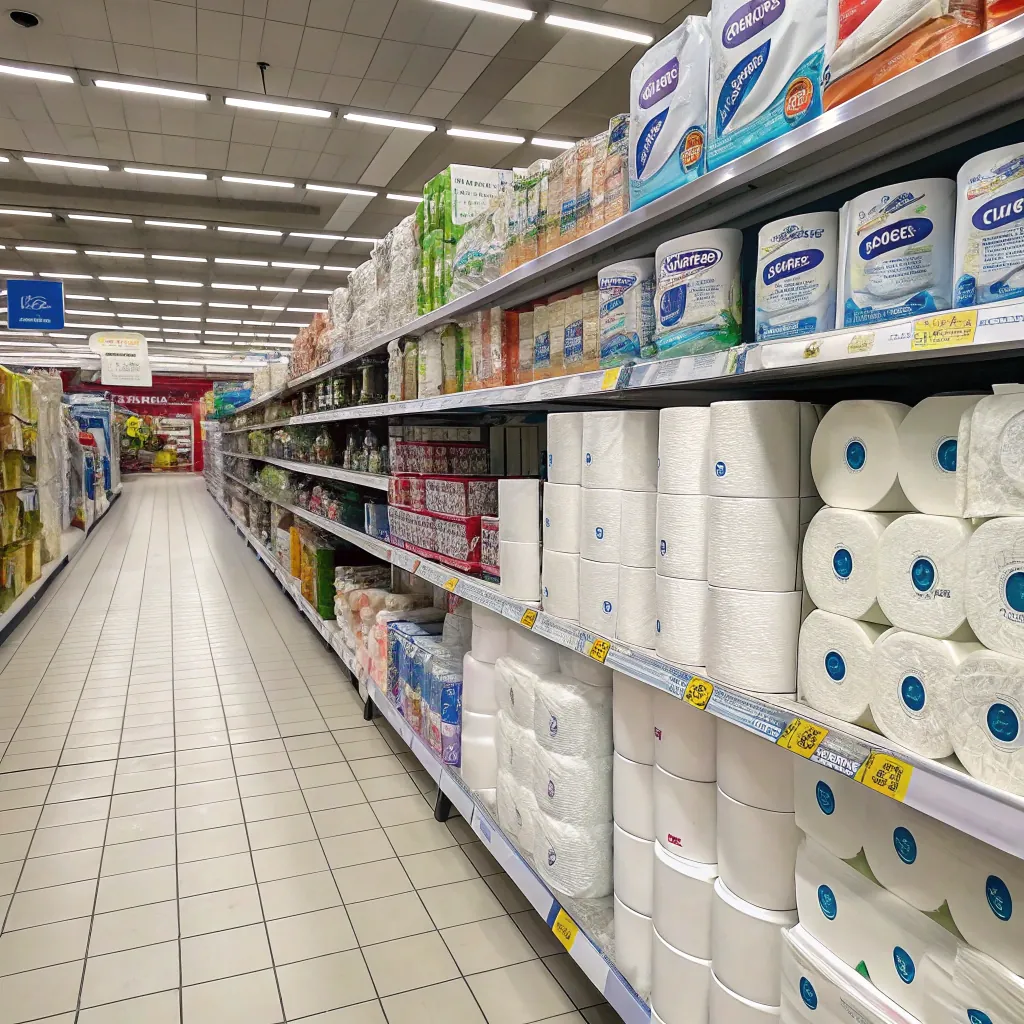
White toilet paper is widely used across France. Hotels, offices, schools, and public buildings almost always use white paper. It is seen as clean, neutral, and practical. Large packs sold for family use are mostly white.
Many French households also prefer white rolls for daily use. They are easy to match with any bathroom style and are often slightly cheaper.
Why pink stands out to visitors
Pink toilet paper attracts attention because it feels unusual to visitors from countries where only white paper exists. In France, seeing pink rolls on a shelf does not feel strange. It is simply another option.
The color is usually soft and light. It is not bright or bold. This makes it feel calm and decorative rather than playful.
Cultural acceptance of choice
French consumers often value choice. This applies to food, clothing, and home goods. Toilet paper is no different. Offering several colors fits this mindset. It allows people to match their bathroom style or personal taste.
Pink toilet paper is often chosen by people who want a warmer look. Some associate it with comfort or tradition.
Past influence on today’s habits
In the past, colored toilet paper was more common in Europe than in some other regions. These habits did not fully disappear. They became part of the product mix. This history helps explain why pink rolls are still visible today.
So while pink toilet paper is not standard, it is normal and accepted in France.
Why do French stores sell colored toilet paper?
Colored toilet paper is not sold by accident. Stores stock it because people buy it. The reasons go beyond simple color preference and connect to lifestyle and design.
French stores sell colored toilet paper because some consumers see it as part of home decoration and personal comfort. It is viewed as a lifestyle choice rather than a hygiene risk.
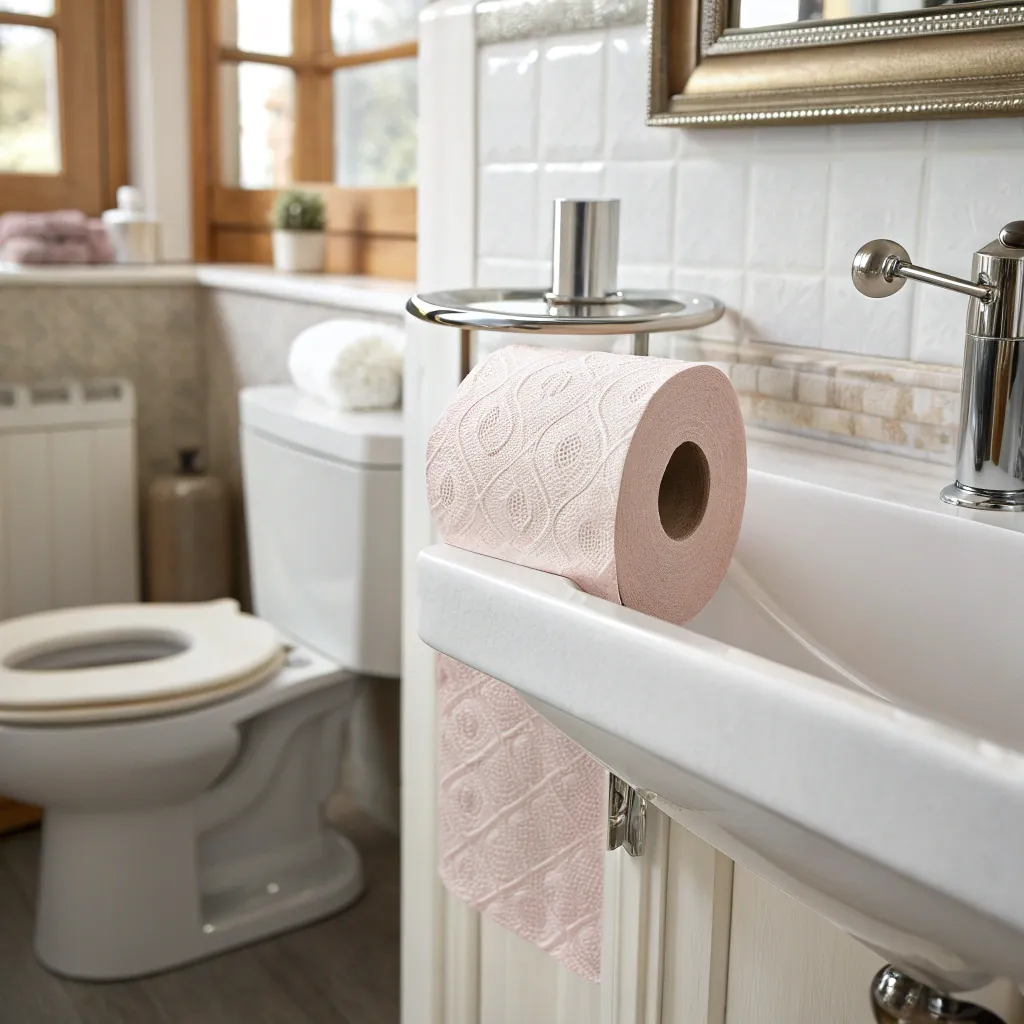
Looking deeper into consumer behavior helps explain this choice.
Bathroom as a design space
In France, the bathroom is often treated as a personal space. People care about tiles, lighting, towels, and even soap design. Toilet paper can become part of that visual space.
Soft pink or pastel colors can match tiles or accessories. This creates a unified look. For some buyers, white feels too plain.
Tradition and familiarity
Older generations in France grew up with colored toilet paper. It was common in earlier decades. For these consumers, pink or beige feels familiar and comforting.
This habit continues because people trust what they know. They do not see color as a problem.
Retail strategy and differentiation
Stores want to offer products that stand out. If every brand only sells white toilet paper, shelves look the same. Adding color creates visual interest.
Colored toilet paper also allows brands to position products as premium or lifestyle-focused. Packaging often highlights softness and design.
Safety and material standards
Modern colored toilet paper uses safe dyes. These dyes meet health and safety rules. This reduces concern about skin contact.
Because safety is controlled, stores feel confident selling these products. Consumers also trust well-known brands.
Consumer freedom
French shoppers often expect freedom of choice. Removing colored toilet paper would limit options. Keeping it supports customer satisfaction.
In short, colored toilet paper exists because people want it, trust it, and enjoy having the option.
Is colored toilet paper more expensive in France?
Price is a key concern for many buyers. When people see colored toilet paper, they often assume it costs more. This is sometimes true, but not always.
Colored toilet paper in France is usually slightly more expensive than basic white toilet paper, but the difference is small. The price gap depends on brand, packaging, and quality level.
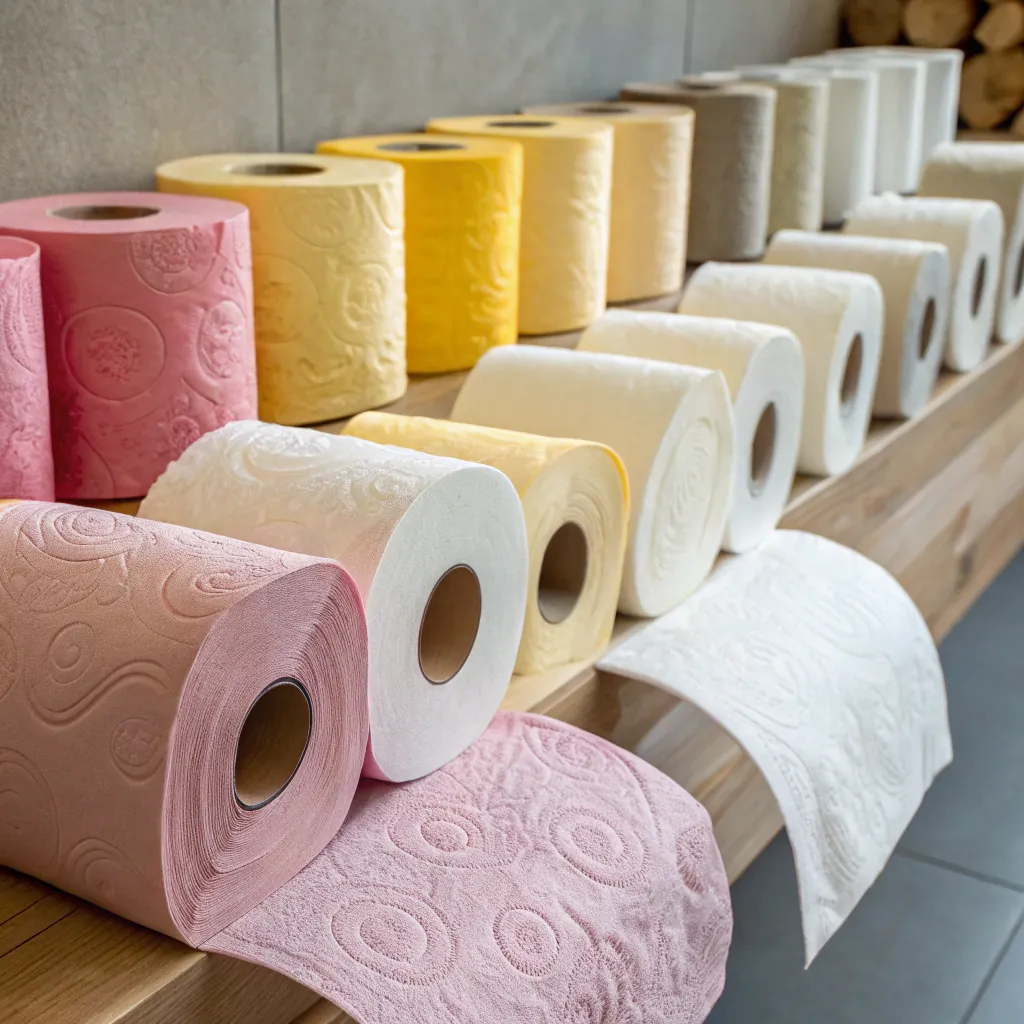
To understand pricing, it helps to look at how toilet paper is sold.
Basic white versus lifestyle products
White toilet paper often comes in large packs. These are designed for value buyers. They focus on price per roll.
Colored toilet paper is often sold in smaller packs. It may be positioned as a comfort or design product. This can raise the unit price.
Cost of production
Adding color requires extra steps. Dyes and quality checks increase production costs slightly. Packaging design may also be more detailed.
These added costs are reflected in the final price. However, they are not extreme.
Brand influence
Well-known brands may charge more for colored toilet paper. This is linked to trust, softness, and marketing. Store brands may offer colored options at lower prices.
The brand name often matters more than the color itself.
Where people buy it
Discount stores usually focus on white toilet paper. Supermarkets and home stores offer more variety. Colored options are more common in mid-range stores.
Where you shop affects the price you see.
Value perception
Some buyers are willing to pay a little more for color. They see it as a small upgrade to daily life. Others prefer to save money and choose white.
Both options exist side by side. This balance keeps the market stable.
So while colored toilet paper can cost more, it is not considered a luxury item in France.
Do other countries also use non-white toilet paper?
France is not alone in offering non-white toilet paper. Many countries have used colored toilet paper at different times. The level of popularity varies by region.
Yes, other countries also use non-white toilet paper, but its popularity depends on culture, history, and consumer habits. In many places, white has become dominant, but color has not disappeared everywhere.
A global look helps put France into context.
Europe’s past and present
In many European countries, colored toilet paper was common in the past. Shades like pink, yellow, and beige were popular in the mid to late 20th century.
Over time, concerns about allergies and cleanliness pushed many markets toward white. Still, some countries kept small colored options.
Asia and strong color preferences
In some Asian markets, toilet paper color can vary. Patterns, prints, and light colors appear in certain regions. Design and novelty play a role.
However, white remains dominant in public spaces.
North America’s focus on white
In the United States and Canada, white toilet paper is the clear standard. Colored toilet paper is rare. When it exists, it is often seen as unusual.
This strong preference is linked to marketing, health messaging, and habit.
Cultural meaning of color
Color carries meaning. In some cultures, white means clean and safe. In others, soft colors feel warm and personal.
These meanings shape buying choices over decades.
Modern trends and sustainability
Today, some markets focus more on material than color. Bamboo pulp, recycled paper, and unbleached brown rolls are gaining interest.
These products show that color choices continue to evolve.
France sits in the middle. It values tradition, design, and choice. That is why white and colored toilet paper can exist together.
Conclusion
In France, toilet paper is mostly white, but colored options like pink are normal and accepted. These colors reflect tradition, design taste, and consumer choice. Colored toilet paper may cost slightly more, but it remains accessible. Other countries also use non-white toilet paper, though preferences differ by culture.