Skip to content
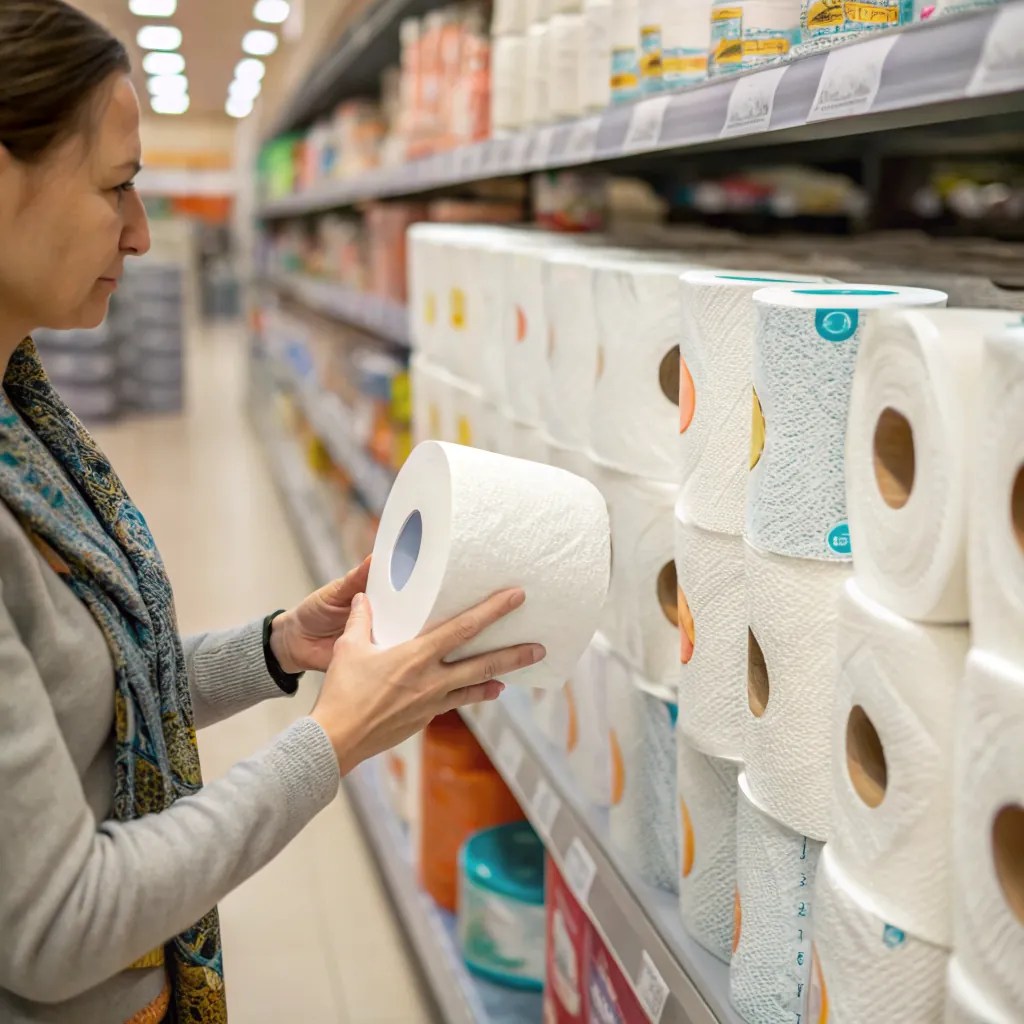
Many people struggle to choose the right toilet paper. Too thin feels weak. Too thick feels wasteful. This small choice can affect comfort, cost, and even plumbing.
2-ply toilet paper is a strong and balanced option. It offers better comfort, durability, and absorbency than single-ply, while still being safe for most plumbing systems when used properly.
Choosing toilet paper may seem simple. But when buying in bulk or for business use, this decision impacts cost, user experience, and brand perception.
How does 2-ply compare to single-ply toilet paper?
Many buyers feel unsure when choosing between single-ply and 2-ply. One feels too thin. The other may seem too expensive. This confusion often leads to poor purchasing decisions.
2-ply toilet paper is thicker, softer, and more absorbent than single-ply. Single-ply is cheaper and dissolves faster, but it usually requires more sheets per use.
When comparing these two options, it helps to break them down into clear factors. From experience working with wholesale buyers, this choice often depends on usage scenario, budget, and target customers.
Key Differences at a Glance
| Feature | Single-Ply Toilet Paper | 2-Ply Toilet Paper |
|---|---|---|
| Thickness | Thin | Thicker |
| Softness | Low | Higher |
| Strength | Weak | Strong |
| Absorbency | Low | Better |
| Cost per Roll | Lower | Higher |
| Sheets Needed | More | Fewer |
Usage Scenarios Matter
Single-ply toilet paper is often used in public restrooms, airports, and budget hotels. The main reason is cost control and fast breakdown in plumbing systems.
2-ply toilet paper is more common in homes, offices, and mid-to-high-end hotels. Users expect better comfort, and businesses want to improve customer experience.
Real Cost vs Perceived Cost
At first glance, single-ply looks cheaper. But in real usage, people tend to use more sheets. This can cancel out the cost advantage.
From past supply cases, some supermarket clients switched from single-ply to 2-ply. They noticed fewer customer complaints and more repeat purchases.
Environmental Considerations
Some buyers think single-ply is always more eco-friendly. This is not always true. If users double the sheets, the total paper usage may be similar or even higher.
2-ply made from bamboo pulp or recycled materials can be a better balance between comfort and sustainability.
In short, the choice is not only about price. It is about total value, user satisfaction, and long-term cost control.
Is 2-ply more durable and comfortable?
Thin toilet paper can break easily. This causes frustration and discomfort. It also increases usage and waste.
Yes, 2-ply toilet paper is more durable and comfortable because it uses two layers that improve strength, softness, and absorbency at the same time.
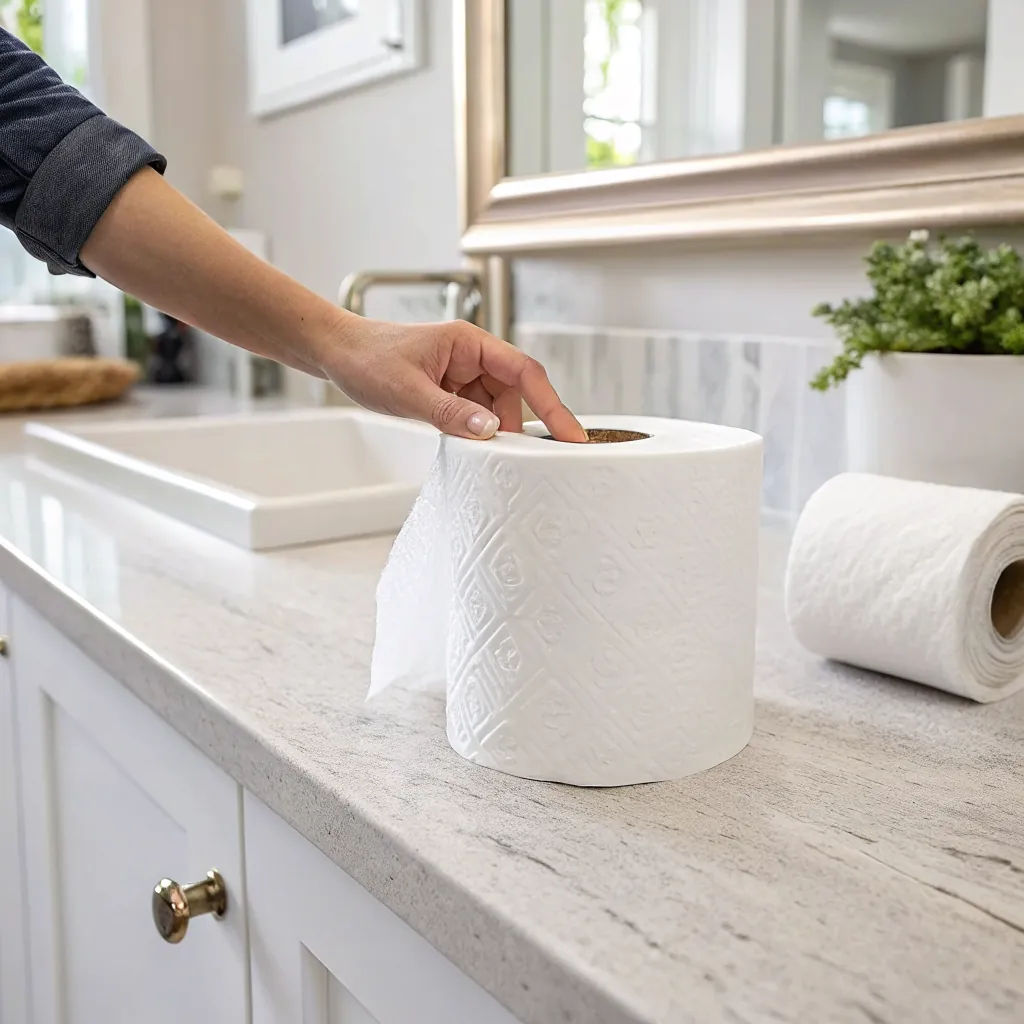
Durability and comfort are the two main reasons why many buyers upgrade to 2-ply toilet paper. These factors directly affect user satisfaction.
Why 2-Ply is Stronger
2-ply toilet paper is made by bonding two layers together. This structure increases tensile strength. It means the paper is less likely to tear during use.
In manufacturing, embossing also plays a key role. It helps bind layers and creates small air pockets. These pockets improve both strength and softness.
Comfort Comes from Structure
Comfort is not only about softness. It also depends on how the paper feels during use.
2-ply provides:
- Better cushioning
- Smoother surface
- Less friction
This reduces irritation, especially for sensitive users.
Absorbency Advantage
2-ply toilet paper absorbs liquid faster and more effectively. This reduces the number of sheets needed per use.
In many product tests, 2-ply shows nearly double the absorbency compared to standard single-ply.
Practical Insight from Bulk Buyers
Some hotel clients once tried to reduce cost by switching to single-ply. Within weeks, they received complaints about poor quality. They quickly switched back to 2-ply.
This shows that comfort is not a luxury. It is part of user expectation.
Balance Between Softness and Strength
Too soft paper may break easily. Too strong paper may feel rough. 2-ply strikes a balance between these two.
Manufacturers can also adjust:
- Paper weight (GSM)
- Embossing pattern
- Raw material (virgin pulp vs recycled)
This flexibility makes 2-ply suitable for different markets.
Does 2-ply toilet paper clog less often?
Many people worry that thicker toilet paper may clog toilets. This is a common concern, especially for older plumbing systems.
2-ply toilet paper does not usually clog toilets if it is designed to dissolve properly. Quality 2-ply breaks down quickly in water while still offering strength during use.
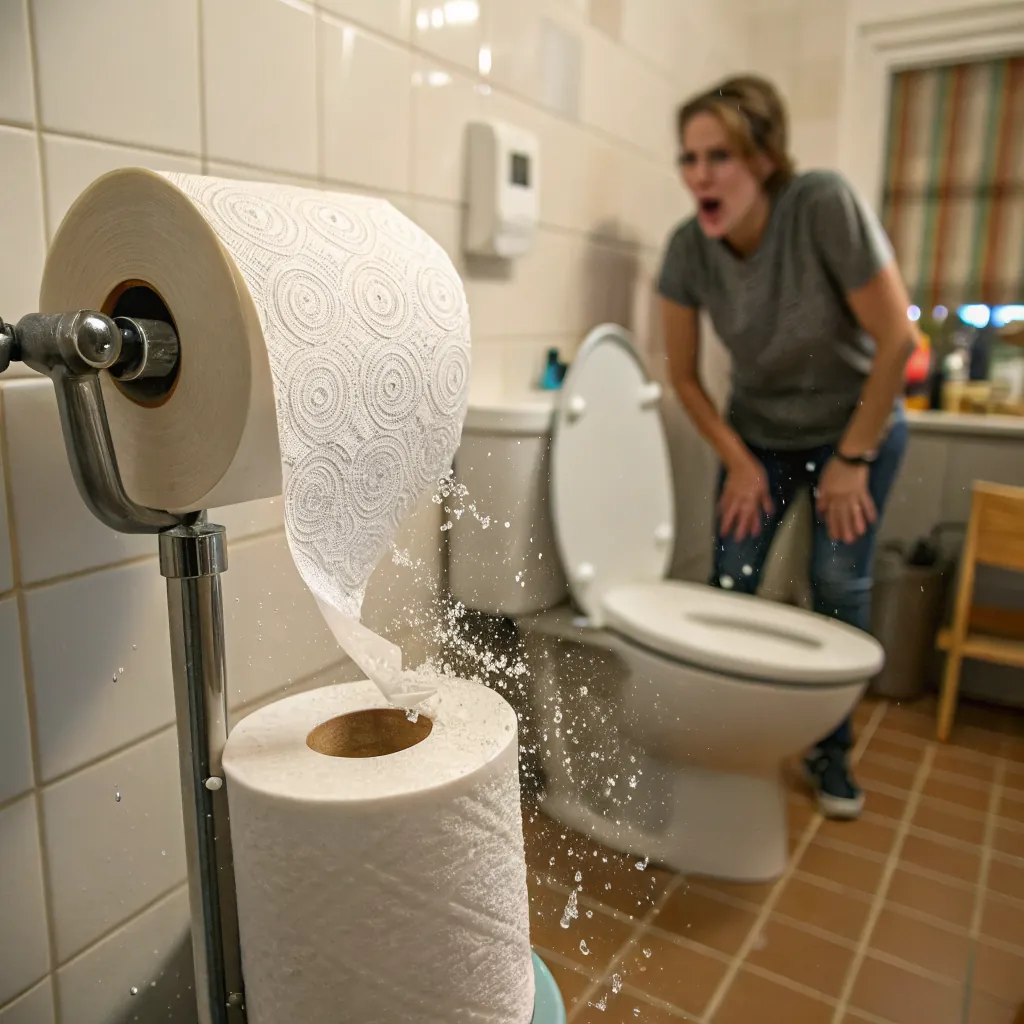
This topic often causes confusion. Thickness and dissolvability are not the same thing.
How Toilet Paper Dissolves
Toilet paper is designed to break down when it contacts water. This is different from regular paper.
Even though 2-ply is thicker, it is still made with short fibers. These fibers separate easily in water.
Key Factors That Affect Clogging
| Factor | Impact on Plumbing |
|---|---|
| Paper Quality | High-quality dissolves faster |
| Usage Amount | More sheets increase risk |
| Pipe Condition | Old pipes clog more easily |
| Water Flow | Strong flow reduces blockage |
Misconception About Thickness
Many people think thicker paper equals more clogging. This is not always true.
Low-quality single-ply that does not dissolve well can clog just as easily.
Field Experience from Distributors
Some distributors reported that complaints about clogging often came from misuse. For example:
- Using excessive sheets
- Flushing other materials together
- Poor plumbing systems
When proper 2-ply toilet paper is used correctly, clogging is rarely a problem.
Special Solutions for Sensitive Systems
For areas with weak plumbing, manufacturers can produce:
- Fast-dissolving 2-ply
- Lower GSM options
- Smaller sheet sizes
This allows buyers to keep comfort while reducing plumbing risks.
Is it worth paying more for 2-ply toilet paper?
Many buyers hesitate when they see the price difference. The question is whether the extra cost brings real value.
Yes, 2-ply toilet paper is worth the higher price because it reduces usage, improves user experience, and can enhance brand perception in commercial settings.
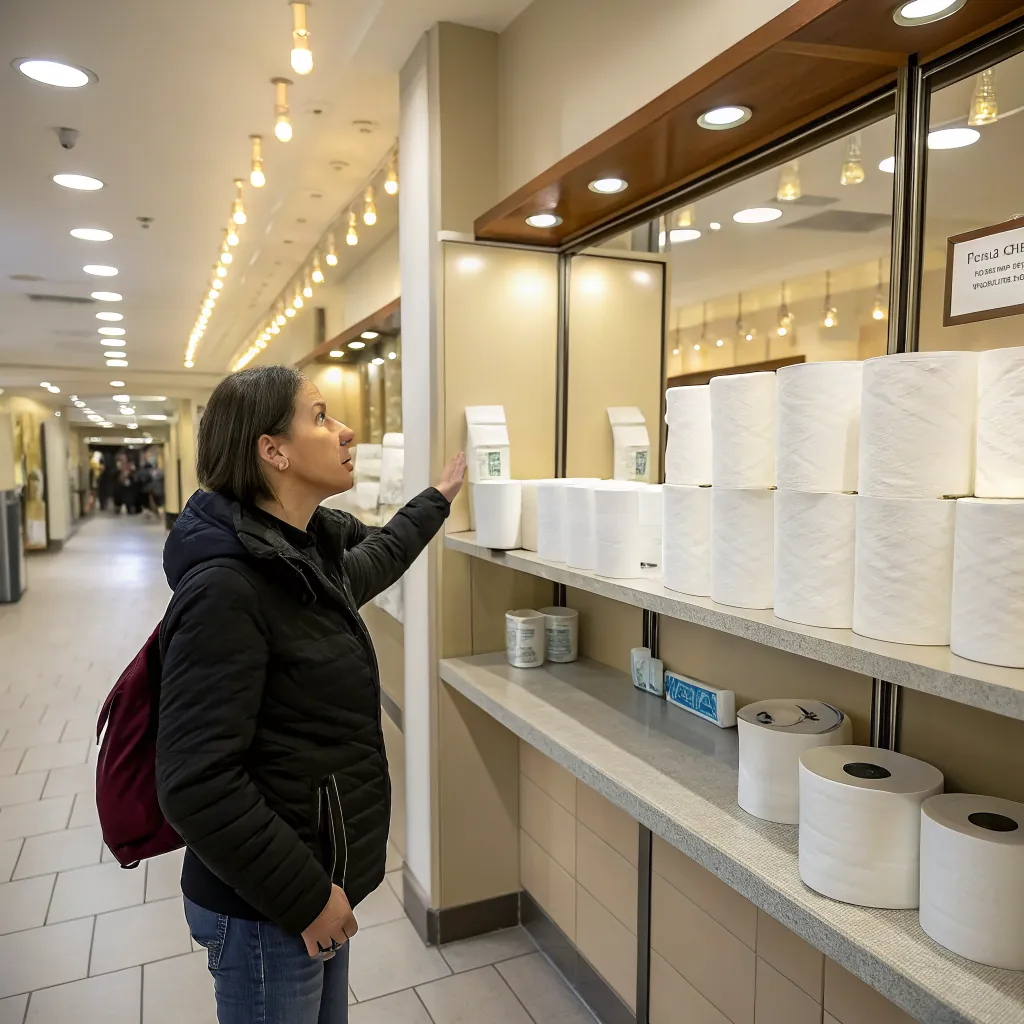
Price is always an important factor. But focusing only on unit cost can be misleading.
Total Cost of Use
2-ply toilet paper often requires fewer sheets per use. This means each roll lasts longer than expected.
Cost vs Value Comparison
| Aspect | Single-Ply | 2-Ply |
|---|---|---|
| Purchase Price | Lower | Higher |
| Usage per Visit | Higher | Lower |
| User Satisfaction | Lower | Higher |
| Brand Perception | Basic | Premium |
| Long-Term Value | Medium | High |
Impact on Business Image
For businesses like hotels, restaurants, and offices, toilet paper reflects brand quality.
Customers notice details. Poor-quality tissue can damage overall experience.
Case from Real Buyers
A supermarket chain once upgraded to 2-ply private label products. Sales increased because customers associated the product with better quality.
This shows that toilet paper is not just a cost item. It is also part of brand positioning.
Flexibility in Customization
2-ply toilet paper allows more customization:
- Embossed logos
- Printed packaging
- Different roll sizes
This is important for OEM and private label buyers.
Long-Term Supply Stability
Reliable manufacturers can provide consistent quality and fast delivery. This reduces stock risks and improves business efficiency.
In many long-term contracts, buyers prefer stable quality over the lowest price.
Conclusion
2-ply toilet paper offers a strong balance of comfort, durability, and value. It may cost more upfront, but it delivers better performance and user satisfaction over time, making it a smart choice for both households and businesses.