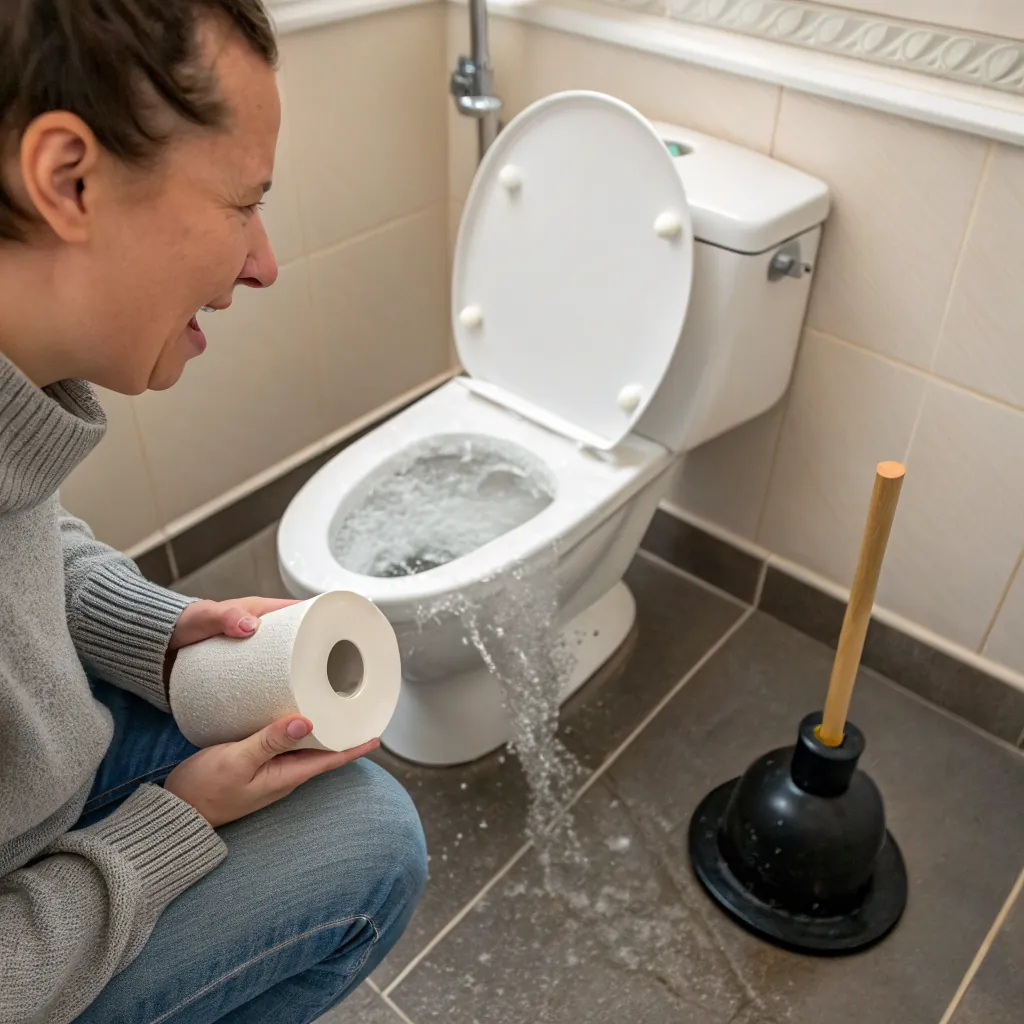
Clogged pipes and slow drains are frustrating. Choosing the right toilet paper can solve this problem quickly.
The best toilet paper dissolves quickly in water, reducing clogs and keeping plumbing safe. Ultra-thin, single-ply papers dissolve fastest, while thicker, multi-ply types take longer.
Before rushing to buy, it helps to understand which papers dissolve faster and why. This guide breaks it down in simple steps for easy decision-making.
Which brands offer the fastest-dissolving toilet paper?
Struggling with backups? Not all brands perform the same. Some dissolve almost instantly, while others linger.
Brands like Scott Rapid-Dissolve, Seventh Generation, and certain Kirkland Signature types dissolve quickly, designed for septic systems and sensitive plumbing. Their thin, tightly compressed sheets break apart fast.
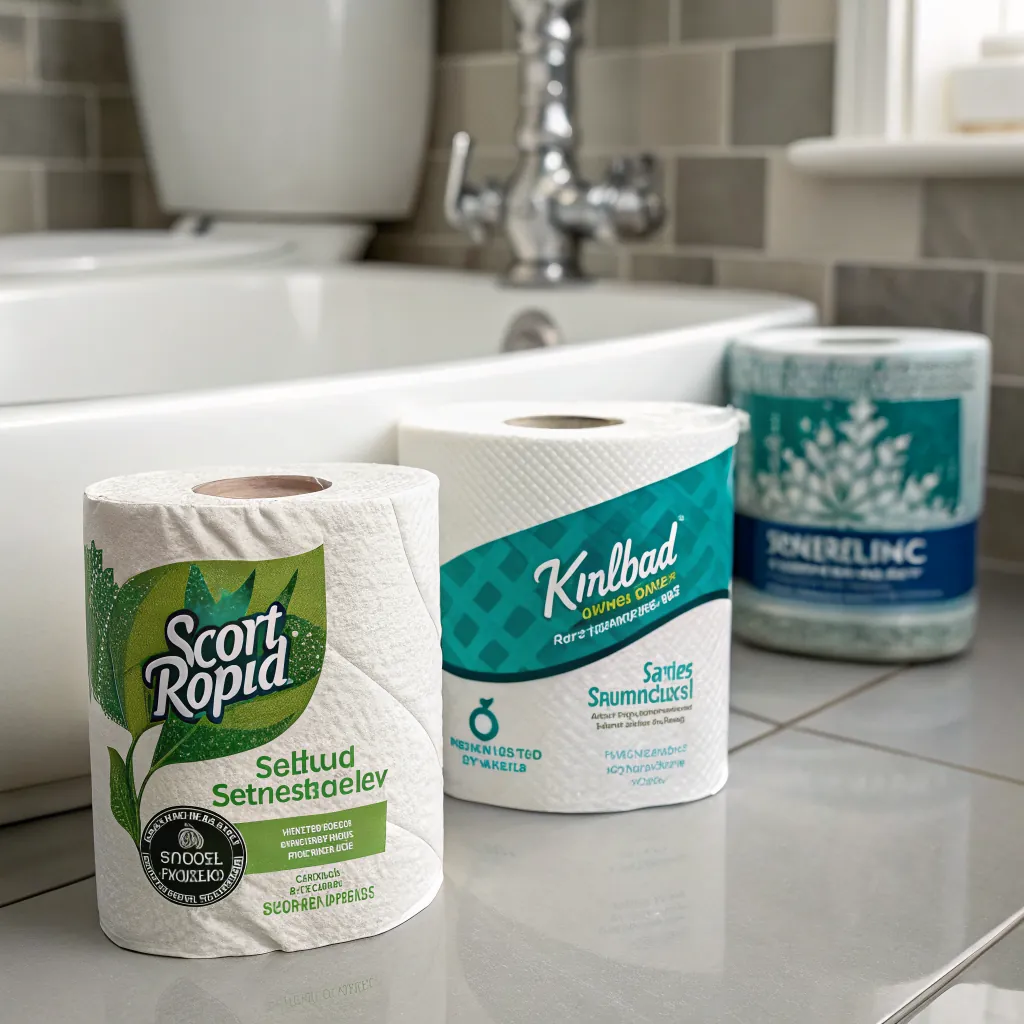
Choosing the right brand means balancing softness, strength, and dissolution speed. Scott Rapid-Dissolve is a popular choice in the U.S. because it combines two key features: fast dissolution and decent strength. It is thinner than many luxury brands, but it won't fall apart during use. Seventh Generation focuses on eco-friendly materials, which tend to break down more easily in water. Kirkland Signature toilet paper, sold at wholesale stores, often uses less glue in the sheets, allowing faster dispersion in plumbing.
Key Factors in Brand Selection
| Brand | Ply | Dissolution Speed | Eco-Friendly |
|---|---|---|---|
| Scott Rapid-Dissolve | 1 | Very fast | Moderate |
| Seventh Generation | 1-2 | Fast | High |
| Kirkland Signature | 2 | Moderate-fast | Low |
| Charmin Ultra Soft | 2-3 | Slow | Low |
Even within a single brand, different product lines vary. Look for labels like "septic safe" or "rapid dissolve." These usually signal papers designed for plumbing efficiency. For households with sensitive plumbing or older pipes, selecting a septic-safe brand prevents frequent blockages.
Tips for Consumers
- Check the packaging for "rapid dissolve" or "septic safe."
- Avoid luxury, ultra-thick brands if your plumbing is old.
- Consider eco-friendly options—they often dissolve faster.
- If buying in bulk, inspect reviews on plumbing performance.
Understanding which brands dissolve fastest helps avoid costly plumbing repairs and reduces the need for harsh chemicals. Many users report smoother flushing and fewer clogs when switching to septic-safe or rapid-dissolving brands.
Is fast-dissolving paper better for plumbing?
Clogs, slow drains, and pipe damage often start with the wrong toilet paper. Fast-dissolving paper can help prevent these issues.
Fast-dissolving toilet paper reduces the risk of clogs, protects septic systems, and minimizes plumbing maintenance. Slower papers can accumulate and block pipes over time.
Plumbing systems vary, but a universal truth is that paper that breaks down quickly causes fewer problems. For septic tanks, slow-dissolving paper may accumulate and cause blockages. In municipal sewage systems, the same risk exists, though the pipes are larger. Fast-dissolving paper prevents this by dispersing before it reaches critical points.
How Dissolution Affects Plumbing
| Aspect | Fast-Dissolving | Slow-Dissolving |
|---|---|---|
| Risk of clog | Low | High |
| Septic tank safety | High | Moderate-low |
| Maintenance frequency | Less frequent | More frequent |
| Eco impact | Often better | Can increase chemical use |
Using fast-dissolving paper also allows less frequent chemical cleaning of pipes. Chemical drain cleaners are harsh and can damage older pipes. Eco-friendly papers that dissolve quickly help avoid this. Even in high-humidity or multi-bathroom households, fast-dissolving paper reduces pipe stress. While thicker papers feel softer, the tradeoff is higher maintenance. Balancing comfort and plumbing safety is key.
How to test toilet paper dissolvability at home?
Curious about your toilet paper? You don’t need a plumber to check if it dissolves fast.
Testing at home is simple: place a sheet in a jar of water, stir, and observe. The faster it breaks apart, the safer it is for your pipes and septic system.
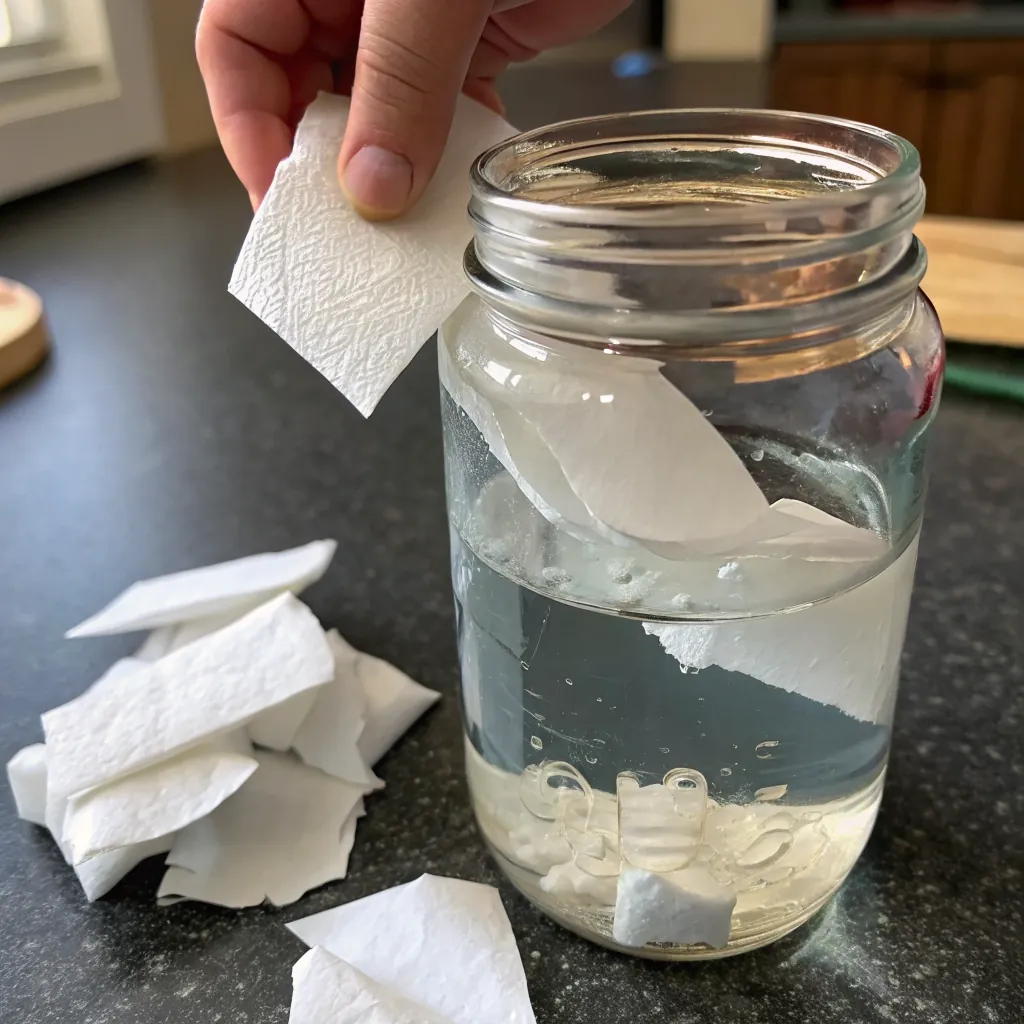
A basic home test gives a clear indication of how toilet paper behaves in plumbing. Start by filling a clear jar with warm water. Tear a single sheet and place it in the jar. Stir gently for 1–2 minutes. Observe how quickly it disintegrates. Single-ply, compressed papers usually dissolve fully within 2–3 minutes. Multi-ply or luxury brands may take 5–10 minutes. This simple test helps identify whether a brand is suitable for sensitive plumbing.
Step-by-Step Home Test
- Fill a jar with warm water.
- Drop one sheet of toilet paper into the water.
- Stir gently for 1–2 minutes.
- Observe the breakdown.
- Record the time to full disintegration.
Notes on Testing
- Repeat with multiple brands to compare.
- Test in cold water for a stricter measure—plumbing can be cooler than bath water.
- Avoid using paper with lotions or added materials, as they may dissolve slower.
- Observe whether any residue remains—this indicates potential for clogs.
By conducting these tests, homeowners can avoid problems before they start. It also helps when buying in bulk for business or personal use. Some brands may claim "rapid dissolve," but testing confirms the truth. This is especially useful for households with older pipes or small diameter lines. A short test at home can prevent future plumbing emergencies.
Does ply thickness affect dissolution rate?
You might wonder if thicker paper is worse for plumbing. Ply count plays a key role in how fast toilet paper breaks down.
Higher ply toilet paper generally dissolves slower. Single-ply papers are fastest, while 2-3 ply options take longer to disperse, increasing clog risk in sensitive plumbing.
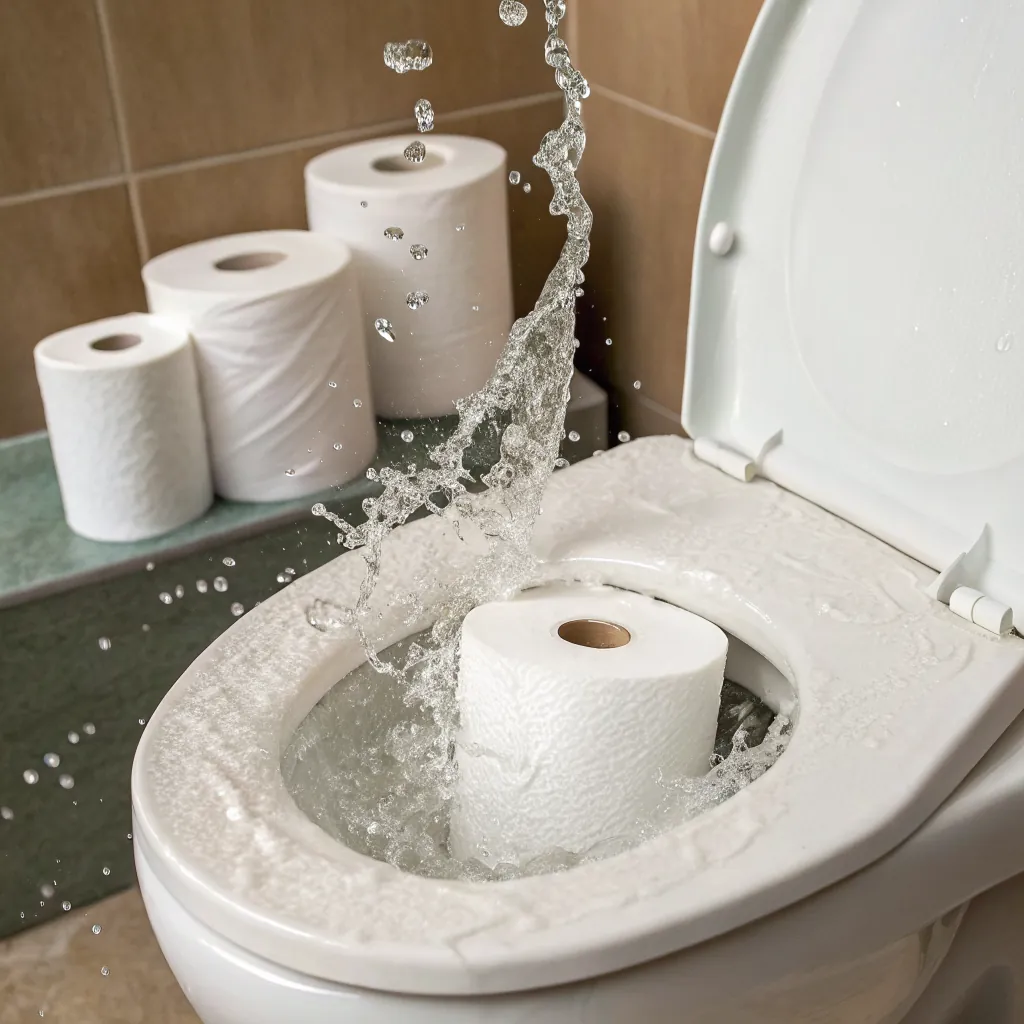
Ply thickness significantly affects how toilet paper interacts with water. Single-ply papers contain fewer layers, so water penetrates and breaks the fibers quickly. Double-ply papers double the fiber density, requiring more time to disintegrate. Triple-ply or ultra-thick options can take much longer, sometimes leaving residue that builds up in pipes. Users often feel a tradeoff: thicker ply feels softer and more luxurious but reduces plumbing safety.
Ply vs Dissolution Table
| Ply | Thickness | Dissolution Speed | Plumbing Risk |
|---|---|---|---|
| 1 | Thin | Very fast | Low |
| 2 | Medium | Moderate-fast | Moderate |
| 3 | Thick | Slow | High |
In septic systems, choosing single-ply or fast-dissolving double-ply can prevent tank overflow and reduce the need for pumping. In municipal systems, thicker ply may still work but increases maintenance frequency. Additionally, eco-friendly brands often use thinner fibers, enhancing dissolution even in multi-ply formats. Comfort, eco impact, and plumbing health all intersect here. Testing various ply papers at home or reading manufacturer data helps make an informed choice. Selecting the correct ply also impacts budget—thinner papers require using more sheets per visit but reduce plumbing risks and maintenance costs.
Many users find a balance using softer double-ply papers labeled as septic safe. These are engineered to break apart faster than regular double-ply options, giving comfort and protection together.
Conclusion
Fast-dissolving toilet paper protects plumbing, reduces clogs, and is often eco-friendly. Brands, ply thickness, and home testing all help ensure you choose the best paper for safety and convenience.