Skip to content
Many buyers order toilet paper without checking roll size first. This often leads to dispenser problems, weak packaging plans, and wasted storage space.
A standard toilet paper roll is usually 4–4.5 inches wide and 4–5 inches in diameter. Jumbo rolls are much larger and vary by commercial use, dispenser type, and paper length.
Roll size matters more than many buyers expect. It affects shipping cost, storage, dispenser matching, customer experience, and even how often staff must refill tissue in public places. Small differences in roll diameter or core size can create real problems during large wholesale orders. This is why many importers and distributors compare roll dimensions carefully before placing container orders.
What Are the Standard Toilet Paper Roll Dimensions?
Small differences in toilet paper dimensions can create big problems during production, shipping, and retail sales. Many buyers only notice these issues after the goods arrive.
Standard toilet paper rolls are commonly around 4–4.5 inches wide, with a diameter between 4–5 inches. Core size, sheet count, and ply also affect the final roll size.
Most household toilet paper follows similar sizing because dispensers and consumer habits stay fairly consistent across many countries. Even so, there is no single global standard. Manufacturers often adjust dimensions based on market demand, machine settings, and packaging goals.
Common Household Roll Measurements
Here are the most common dimensions found in retail toilet paper:
| Feature | Common Size |
|---|---|
| Roll Width | 4–4.5 inches |
| Roll Diameter | 4–5 inches |
| Core Diameter | 1.5–2 inches |
| Sheet Length | 3.7–4.5 inches |
| Ply Count | 1–4 ply |
A standard roll may contain 150 to 500 sheets. Some brands use thicker paper instead of adding more sheets. This changes the roll diameter even when the sheet count stays similar.
Why Roll Diameter Matters
Roll diameter affects several business areas:
- Packaging efficiency
- Carton quantity
- Container loading
- Storage space
- Dispenser compatibility
- Retail shelf display
A larger roll diameter may reduce refill frequency. At the same time, it can increase shipping volume. Many wholesalers in Africa and the Middle East prefer larger household rolls because customers see them as better value.
Core Size Also Changes Performance
The paper core is often ignored during sourcing. Still, core diameter affects production speed and dispenser fit.
A small core creates a tighter roll. This can improve loading efficiency during export shipping. A larger core may improve smooth paper release in dispensers.
Market Differences by Region
Different countries often prefer different sizes.
| Market | Common Preference |
|---|---|
| Africa | High sheet count, larger diameter |
| Europe | Compact eco-friendly rolls |
| United States | Thick multi-ply premium rolls |
| Hotels | Soft tissue with medium diameter |
| Public Facilities | Cost-focused standard rolls |
Many importers choose custom sizing instead of standard retail dimensions. OEM production allows changes in width, core size, sheet count, and embossing.
Material Choice Can Change Roll Size
Virgin wood pulp, recycled pulp, and bamboo pulp all behave differently during converting. Softer paper usually creates thicker rolls. Dense recycled paper may look smaller even with the same sheet count.
This becomes important during container planning. A few millimeters difference across thousands of cartons can change total loading quantity.
For large-volume buyers, roll dimensions are not just technical details. They directly affect transportation cost, warehouse planning, and end-user satisfaction.
Do Jumbo Rolls Have Different Size Standards?
Many commercial buyers assume jumbo toilet rolls follow one universal size system. In reality, jumbo rolls vary greatly between regions, dispenser systems, and commercial industries.
Yes, jumbo toilet rolls have different size standards. Diameter, width, core size, and paper length often change based on dispenser type and commercial usage.
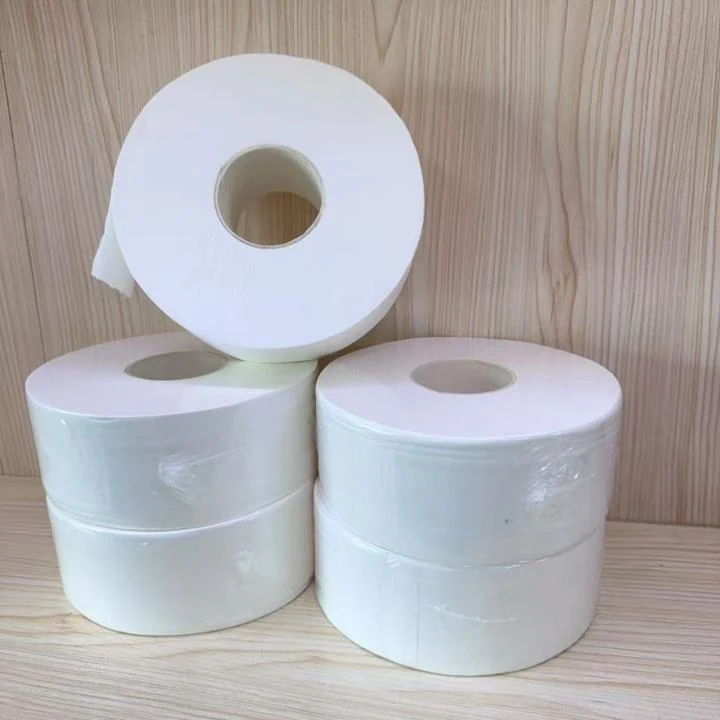
Jumbo toilet paper is mainly used in airports, malls, hotels, office buildings, factories, and public washrooms. These locations need longer-lasting rolls to reduce maintenance work and refill frequency.
Unlike household tissue, jumbo rolls are built for efficiency first.
Common Jumbo Roll Sizes
The two most common jumbo roll categories are mini jumbo and large jumbo.
| Jumbo Type | Diameter | Core Size | Common Usage |
|---|---|---|---|
| Mini Jumbo | 7–9 inches | 2–3 inches | Restaurants, small offices |
| Large Jumbo | 10–12 inches | 3–4 inches | Airports, malls, stadiums |
Some industrial jumbo rolls can reach over 12 inches in diameter. These are often used in high-traffic public facilities.
Why Jumbo Sizes Vary
Several factors change jumbo roll dimensions:
Dispenser Design
Different dispenser manufacturers support different core diameters and roll widths. Some dispensers only fit specific jumbo standards.
Paper Length
Commercial buyers often purchase based on total meters instead of roll count. A larger diameter usually means longer paper length.
Ply Structure
Two-ply jumbo rolls are thicker and larger than one-ply rolls with the same paper length.
Market Preferences
Hotels may prefer softer tissue with moderate roll size. Public facilities usually focus on cost efficiency and maximum paper length.
Jumbo Rolls and Container Loading
Large jumbo rolls create unique shipping challenges.
A buyer once shared a problem during a West African shipment. The supplier used oversized jumbo rolls without adjusting carton structure. During sea transport, several cartons collapsed because pressure distribution changed inside the container.
This happens more often than many buyers expect.
Important Jumbo Roll Specifications
Commercial buyers usually confirm these details before production:
- Roll diameter
- Roll width
- Core diameter
- Paper GSM
- Ply count
- Total paper length
- Embossing pattern
- Dispenser compatibility
Jumbo Roll Standards Are Not Fully Unified
Different regions follow different habits.
North American dispensers often use larger core systems. European systems may focus on compact eco-friendly formats. African commercial buyers often request higher grammage and denser rolls to improve perceived value.
This is why OEM manufacturing stays important in the jumbo roll market.
Choosing the Right Jumbo Roll
The best jumbo roll is not always the largest one.
A larger roll may lower refill frequency, but it also increases:
- Shipping volume
- Storage requirements
- Dispenser size
- Carton weight
Commercial buyers usually balance operational efficiency with transportation cost.
For long-term projects, many distributors test several jumbo sizes before finalizing annual supply agreements.
Is Roll Size Consistent Across Brands?
Many consumers believe all toilet paper rolls are almost identical. After comparing different brands side by side, the differences become easy to notice.
No, toilet paper roll size is not fully consistent across brands. Width, diameter, sheet count, paper thickness, and core size can vary significantly.

Brands compete heavily on both price and perceived value. Because of this, manufacturers adjust dimensions to create different market positions.
Some brands promote “mega rolls.” Others focus on compact eco-friendly packaging. A few brands reduce sheet size quietly while keeping outer packaging similar.
Why Brands Use Different Roll Sizes
Several business reasons drive these changes.
Marketing Strategy
Larger rolls look more valuable on store shelves. Many brands use larger diameter rolls to attract buyers quickly.
Cost Control
Some manufacturers reduce sheet count or paper width to lower production cost while maintaining retail pricing.
Consumer Preference
Premium buyers often want thicker multi-ply tissue. Budget buyers may prefer higher sheet count instead.
Packaging Efficiency
Smaller rolls can improve carton quantity and reduce shipping costs.
Common Brand Differences
Even products labeled “standard roll” may differ.
| Brand Style | Typical Feature |
|---|---|
| Economy Roll | Smaller diameter, fewer sheets |
| Mega Roll | Larger diameter, longer paper |
| Premium Soft Roll | Thicker paper, lower density |
| Eco Roll | Compact recycled paper design |
These differences become very important during wholesale purchasing.
Hidden Dimension Changes
Some roll changes are difficult to notice immediately.
A brand may:
- Reduce sheet width by a few millimeters
- Use thinner embossing
- Compress paper tighter
- Increase core size to make rolls appear larger
This changes actual paper quantity without greatly changing shelf appearance.
Retail vs Commercial Brands
Commercial tissue suppliers usually focus on dispenser compatibility and cost efficiency. Retail brands focus more on softness, appearance, and shelf impact.
This creates very different sizing priorities.
Why Buyers Must Verify Specifications
Experienced importers rarely trust product names alone.
Terms like:
- Mega roll
- Family roll
- Double roll
- Super roll
do not follow universal standards.
A “double roll” from one manufacturer may contain less paper than a “standard roll” from another supplier.
Important Specifications to Compare
Professional buyers usually compare:
- Net paper weight
- Roll diameter
- Core size
- Total sheet count
- Total meter length
- GSM
- Ply count
This gives a more accurate comparison than marketing labels.
OEM Manufacturing Creates More Variations
OEM factories often produce custom dimensions based on local market demand.
For example:
- African wholesalers may request high-diameter rolls
- European clients may request plastic-free compact packaging
- Hotels may require luxury embossed tissue
- E-commerce sellers may prefer lightweight shipping formats
Because of this flexibility, the toilet paper industry has many unofficial size standards instead of one global system.
Can Toilet Paper Roll Size Affect Dispenser Fit?
Many dispenser problems happen because buyers only check roll diameter and ignore other dimensions. Small sizing differences can stop a dispenser from working correctly.
Yes, toilet paper roll size directly affects dispenser fit. Roll diameter, width, and core size must match the dispenser design to ensure smooth operation.
Dispenser compatibility is one of the most important issues in commercial tissue purchasing. A mismatched roll can create waste, maintenance problems, customer complaints, and damaged dispensers.
The Three Main Fit Factors
Roll Diameter
If the roll diameter is too large, the dispenser may not close properly.
If the roll is too small, it may rotate poorly and create paper jams.
Core Diameter
Core size affects how the roll sits on the dispenser spindle.
A loose core may wobble during use. A tight core may not fit at all.
Roll Width
Some dispensers support only narrow or specific-width rolls.
Even a small width difference can stop smooth dispensing.
Common Dispenser Problems
| Problem | Possible Cause |
|---|---|
| Roll does not rotate | Wrong core size |
| Dispenser cannot close | Oversized diameter |
| Paper tears unevenly | Poor tension balance |
| Roll falls inside dispenser | Core mismatch |
| Frequent jams | Incorrect roll width |
These issues become expensive in large public facilities.
Commercial Facilities Need Exact Matching
Hotels, airports, hospitals, and malls usually standardize dispenser systems across many locations.
Because of this, purchasing managers often request detailed roll specifications before placing large orders.
Why OEM Buyers Test Samples First
Large importers often test dispenser compatibility before mass production.
This step helps avoid:
- Product returns
- Repacking costs
- Customer complaints
- Emergency restocking
A small test can prevent major financial loss later.
Jumbo Roll Compatibility Is More Complex
Jumbo dispensers vary greatly across brands and regions.
Some systems support:
- 2-inch cores
- 3-inch cores
- Twin-roll systems
- Auto-cut dispensers
- Touchless dispensers
Because of this, jumbo roll sizing requires more technical confirmation than household tissue.
Dispenser Design Also Changes Consumer Experience
Smooth dispensing affects customer satisfaction more than many buyers expect.
Poor dispenser fit can create:
- Excess paper waste
- User frustration
- Hygiene concerns
- Higher maintenance labor
Hotels and premium commercial facilities usually pay close attention to this detail.
Questions Buyers Should Ask Before Ordering
Professional tissue buyers often confirm:
- Maximum roll diameter
- Supported core size
- Maximum roll width
- Dispenser brand compatibility
- Required paper length
- Auto-dispensing requirements
These details help avoid compatibility problems during installation.
Small Dimension Errors Become Big Problems
A few millimeters may seem unimportant during production. Still, across thousands of dispensers, small sizing errors can create large operational problems.
This is why experienced manufacturers carefully control tolerance levels during converting and packaging.
Conclusion
Toilet paper roll size affects much more than appearance. It influences shipping, storage, dispenser compatibility, and customer experience. Standard rolls, jumbo rolls, and OEM custom sizes all serve different business needs. Buyers who compare detailed dimensions carefully usually avoid costly mistakes later.