Skip to content
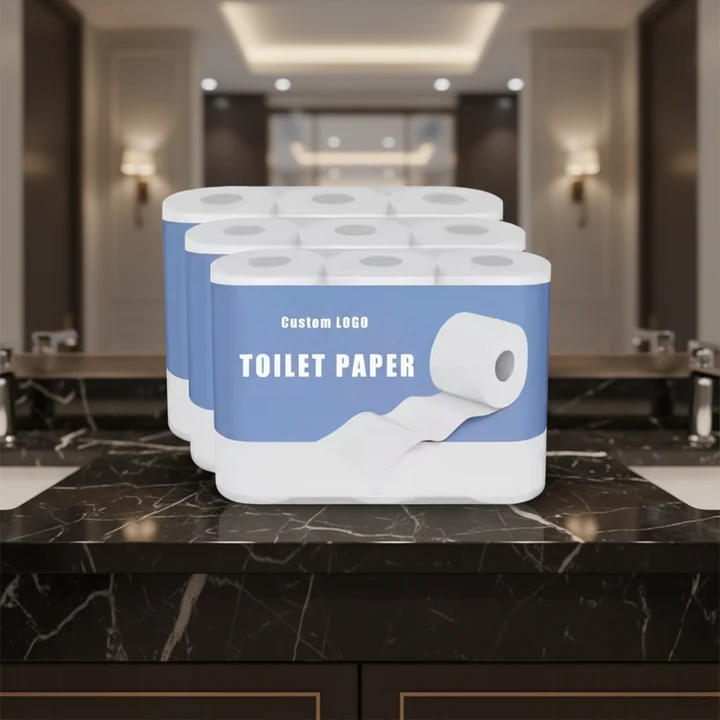
Finding coloured toilet paper is harder now than it was years ago. Many stores only stock white tissue. This leaves buyers frustrated when they want something different for homes, hotels, or retail shelves.
Coloured toilet paper is still available through supermarkets, online marketplaces, specialty brands, and OEM manufacturers. Buyers can find many colors, materials, and packaging styles, especially through wholesale suppliers and online B2B channels.
Many buyers ask this question because coloured toilet paper has become a niche product in many countries. At the same time, demand still exists in hotels, restaurants, themed spaces, and retail markets. Some customers want black toilet paper for luxury bathrooms. Others want pink, blue, or printed rolls for decoration or branding. The good news is that supply still exists. The challenge is knowing where to look and how to compare suppliers, quality, and prices.
Do Supermarkets Carry Coloured Toilet Paper?
Many shoppers walk into supermarkets expecting to see coloured toilet paper beside standard white tissue. In most cases, they leave disappointed because modern retail shelves focus on fast-selling basic products.
Some supermarkets still carry coloured toilet paper, but the selection is usually limited. Most stores only stock white tissue because it sells faster, costs less, and matches modern consumer habits.

Coloured toilet paper was much more common in the 1970s and 1980s. Many households matched bathroom colors with tissue colors. Pink bathrooms used pink toilet paper. Blue bathrooms used blue tissue. That trend slowly disappeared as white paper became the industry standard.
Today, supermarkets mainly focus on products with high turnover. White toilet paper is simple, safe, and easy to produce in large volumes. Retail chains prefer products that move quickly from shelves to customers. Colored tissue often moves slower, so many stores avoid carrying many options.
Why Supermarkets Reduced Colored Toilet Paper
Several reasons explain this change.
| Factor | Impact on Retail Stores |
|---|---|
| Lower demand | Fewer people actively search for colored tissue |
| Higher production cost | Colored paper costs more to make |
| Shelf space limits | Retailers prioritize fast-selling products |
| Simpler inventory | White tissue reduces stock complexity |
Large supermarkets still sometimes carry seasonal or specialty products. Premium home stores may also offer black, beige, or pastel tissue as decorative products.
Regional Differences Matter
Availability changes by country and market. Some African, Middle Eastern, and European markets still show stronger demand for non-white toilet paper. In these regions, wholesalers and importers often supply supermarkets with colored tissue products.
For example, several importers in Nigeria and Ghana still prefer colorful household products because local consumers enjoy decorative packaging and visible product variety. In some retail chains, colored facial tissue and napkins still perform well.
Specialty Stores Often Work Better
Small home decoration stores sometimes carry more options than major supermarkets. Boutique bathroom stores also sell premium black or bamboo-colored toilet paper for luxury customers.
Some hotel supply distributors also keep colored rolls for commercial clients. Hotels may use black tissue in luxury suites or themed bathrooms because it creates a stronger visual effect.
Private Label Opportunities
Many supermarket chains no longer manufacture these products directly. Instead, they work with OEM factories that provide custom colors and packaging.
This creates opportunities for wholesalers and retailers. A buyer can work directly with a manufacturer to create:
- Custom colors
- Printed packaging
- Brand logos
- Softness upgrades
- Luxury gift packs
Factories with OEM experience can usually handle small and large production runs. This helps retailers test market demand before placing bigger orders.
Consumer Trends Are Slowly Returning
Social media and interior design trends are helping colored toilet paper return in some markets. Luxury bathroom designs often feature black, charcoal, or bamboo-colored tissue for visual contrast.
Eco-friendly products also influence this market. Brown bamboo pulp toilet paper has become popular because consumers associate natural color with sustainability.
This trend may continue as more consumers look for unique home products instead of standard white tissue alone.
Is Coloured Toilet Paper Available Online?
Many buyers assume colored toilet paper disappeared completely because local stores rarely stock it. Online platforms changed this situation and made global sourcing much easier.
Yes, coloured toilet paper is widely available online through e-commerce stores, wholesale platforms, specialty retailers, and direct factory suppliers. Online shopping offers more colors, packaging styles, and pricing options than physical stores.
Online sourcing has become the main solution for both individual buyers and wholesale importers. Search results now include everything from luxury black toilet paper to custom printed jumbo rolls.
Common Online Buying Channels
Different platforms serve different buyer types.
| Platform Type | Best For | Main Advantage |
|---|---|---|
| Amazon | Small retail orders | Fast delivery |
| Alibaba | Wholesale importers | Factory pricing |
| Specialty websites | Luxury products | Unique colors |
| B2B marketplaces | Bulk purchasing | OEM customization |
Retail customers usually choose marketplaces with fast shipping and smaller minimum orders. Businesses often prefer direct factory sourcing because it lowers unit cost.
Online Stores Offer More Variety
Physical stores have limited shelf space. Online sellers do not face the same problem. This allows suppliers to offer:
- Black toilet paper
- Red toilet paper
- Pink toilet paper
- Blue toilet paper
- Printed rolls
- Scented colored tissue
- Bamboo-colored toilet paper
Some suppliers also provide matching facial tissue, napkins, and kitchen towels.
OEM Factories Create Custom Products
Many online wholesale suppliers are actual manufacturers. This is important because buyers can customize products instead of accepting fixed retail designs.
A factory may allow buyers to choose:
Paper Specifications
- Ply count
- Roll size
- Grammage
- Core diameter
- Embossing patterns
Packaging Options
- Individual wrapping
- Multi-pack retail bags
- Carton branding
- Barcode printing
- Promotional packaging
This flexibility matters for supermarket chains, wholesalers, and hotel suppliers.
Why Online Sourcing Became Popular
Several factors pushed tissue buyers toward online sourcing.
Better Price Comparison
Online buyers can compare multiple factories quickly. This improves pricing transparency and reduces sourcing risk.
Faster Communication
WhatsApp, email, and video calls make factory communication easier than before.
Sample Ordering
Many suppliers now provide sample shipments before full container production. This helps buyers test softness, color quality, and packaging.
Lower Market Entry Risk
Small importers can test products with lower MOQs before placing larger orders.
Risks Buyers Should Watch
Online sourcing also creates challenges.
Color Consistency Problems
Some low-quality factories produce uneven colors. This becomes obvious during large production runs.
Poor Packaging
Weak packaging can damage products during shipping, especially in humid environments.
Unclear Material Quality
Some suppliers use recycled paper without proper disclosure. Buyers should confirm raw materials before ordering.
Questions Buyers Should Ask Suppliers
Before placing orders, smart buyers usually ask:
- What pulp materials are used?
- Are dyes safe and compliant?
- What certifications are available?
- Can the factory provide SGS or FSC reports?
- What is the production lead time?
- How many rolls fit per container?
- Is OEM packaging available?
These questions reduce future problems and improve long-term cooperation.
Why Direct Factory Supply Matters
Direct manufacturers often provide stronger pricing and better customization than trading companies. Factories with automated production lines can also maintain more stable quality across bulk orders.
For long-term wholesale buyers, stable supply matters more than chasing the absolute cheapest price.
Which Brands Offer Non-White Toilet Paper?
Many consumers think all toilet paper brands only produce white tissue today. That is not fully true. Several companies still manufacture colored or non-white products for different market segments.
Many brands still offer non-white toilet paper, including luxury brands, eco-friendly companies, private label manufacturers, and OEM factories that produce customized colored tissue for global markets.
The market is smaller than before, but it still exists. Some brands focus on decoration and luxury. Others focus on sustainability and natural materials.
Luxury Toilet Paper Brands
Luxury bathroom brands often use black toilet paper as a premium product. Black tissue creates a modern and upscale appearance in hotels, restaurants, and designer homes.
These products usually focus on:
- Premium softness
- Strong embossing
- Stylish packaging
- Boutique branding
Luxury colored tissue often targets customers who care more about appearance than low pricing.
Eco-Friendly Brands
Eco brands usually avoid chemical bleaching. This creates natural brown or beige toilet paper.
Many consumers prefer these products because they believe unbleached paper is more environmentally friendly.
Common materials include:
| Material Type | Typical Color |
|---|---|
| Virgin wood pulp | White |
| Recycled paper | Light gray or beige |
| Bamboo pulp | Brown or natural yellow |
| Unbleached pulp | Beige |
Bamboo toilet paper became especially popular in recent years because buyers associate bamboo with sustainability and fast renewability.
Private Label Retail Brands
Some supermarkets and wholesalers sell colored toilet paper under private labels instead of famous global brands.
This model works because factories can produce custom packaging with retailer logos. Buyers can launch unique products without building their own manufacturing plants.
Private label products often offer:
- Lower cost
- Flexible packaging
- Faster market testing
- Regional branding strategies
OEM and ODM Manufacturers
OEM factories play a major role in this market. Many well-known retail products are actually produced by large paper manufacturers behind the scenes.
These factories often support:
Product Development
Factories can create custom colors and embossing styles.
Packaging Design
Retailers can customize logos, cartons, and retail packs.
Bulk Production
Automated production lines support container-scale exports.
Market Adaptation
Factories can adjust products based on local consumer habits.
For example, some African markets prefer larger roll sizes and stronger paper. European buyers may focus more on eco-certifications and sustainable materials.
What Buyers Should Compare
Not all colored toilet paper products offer the same quality.
Important factors include:
Color Stability
Poor dyes may fade or transfer.
Softness
Heavy dye use sometimes affects softness.
Strength
Low-quality colored tissue may tear more easily.
Absorbency
Some decorative products focus too much on appearance and ignore functionality.
Certifications Matter
Professional suppliers often provide certifications such as:
- FSC
- ISO 9001
- SGS
- FDA
- CE
These reports help importers confirm product safety and consistency.
Small Brands Can Compete
The colored toilet paper niche still has room for smaller brands because many large corporations no longer focus heavily on this category.
This creates opportunities for:
- E-commerce sellers
- Boutique retailers
- Hotel suppliers
- Event planners
- Promotional product companies
Unique packaging and branding often matter more than global brand recognition in this niche market.
Is Coloured Toilet Paper More Expensive?
Many buyers notice that colored toilet paper usually costs more than standard white tissue. This price difference often surprises first-time buyers.
Yes, coloured toilet paper is usually more expensive because production costs are higher, demand is lower, and manufacturing volumes are smaller compared to standard white toilet paper.
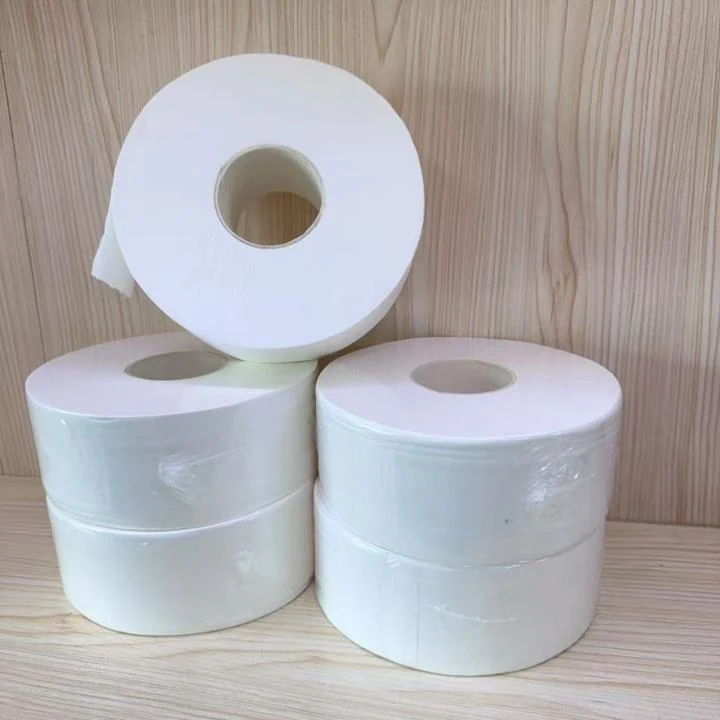
Several cost factors affect final pricing. Some are related to raw materials. Others come from production complexity and lower economies of scale.
Why Colored Toilet Paper Costs More
White toilet paper dominates the global market. Factories produce massive quantities every day. Large-scale production lowers cost per roll.
Colored toilet paper follows a different production model.
Additional Dye Costs
Factories must add safe colorants during production. High-quality dyes increase manufacturing cost.
Cheap dyes create problems like:
- Color fading
- Uneven appearance
- Chemical odor
- Lower softness
Reliable factories avoid these problems by using safer and more stable materials.
Smaller Production Runs
Colored tissue usually has lower market demand. Smaller orders increase unit cost because factories cannot spread setup costs across huge volumes.
For example:
| Product Type | Typical Production Volume | Relative Cost |
|---|---|---|
| White toilet paper | Very high | Lower |
| Colored toilet paper | Medium or low | Higher |
Extra Production Complexity
Factories may need to clean machines between color changes. This increases downtime and labor cost.
Packaging customization also increases complexity.
Freight and Storage Costs
Colored tissue often targets niche buyers. Products may stay longer in warehouses before sale. This raises inventory costs for distributors.
Luxury Branding Adds Cost
Black toilet paper and designer packaging products often target premium consumers. Marketing and packaging upgrades increase retail pricing.
Some luxury products cost several times more than standard white rolls.
Eco-Friendly Products Also Cost More
Natural brown bamboo toilet paper may also carry premium pricing.
Reasons include:
- Bamboo pulp processing cost
- Eco-certifications
- Smaller production scale
- Sustainable packaging materials
Consumers often accept these prices because they value sustainability and unique appearance.
Wholesale Pricing Can Reduce Costs
Bulk purchasing lowers unit cost significantly.
Importers who buy full containers often receive:
- Better pricing
- Customized packaging
- Stable production schedules
- Better shipping efficiency
This is why many distributors source directly from factories instead of retail channels.
How Buyers Can Save Money
Several strategies help reduce purchasing cost.
Consolidated Shipping
Combining multiple paper products into one container improves freight efficiency.
Long-Term Agreements
Annual contracts often secure better pricing.
Flexible Packaging
Simple packaging lowers production cost.
Mixed Color Production
Some factories reduce setup costs by combining colors in one production cycle.
Price Should Not Be the Only Factor
The cheapest colored toilet paper often creates future problems.
Low-cost products may suffer from:
- Weak strength
- Poor softness
- Fading colors
- Damaged packaging
- Unstable supply
Reliable quality matters more for long-term wholesale business.
Buyers who focus only on the lowest price often face customer complaints later. Strong factories usually balance cost, quality, and supply stability instead of competing only on price.
Conclusion
Coloured toilet paper is still available through supermarkets, online stores, specialty brands, and OEM factories. Online sourcing now offers the widest selection and best customization options. Buyers who compare quality, certifications, and supplier stability carefully can still find profitable opportunities in this niche market.