Skip to content
Many people install toilet paper without thinking twice. Yet a simple mistake can cause daily annoyance, waste, and even arguments at home.
The most widely accepted way to place toilet paper on a roll is with the loose end hanging over the top and toward the user. This method is easier to grab, cleaner to use, and supported by the original toilet paper patent from 1891.
Still, not every bathroom setup is the same. Holder designs, personal habits, pets, and small children can all affect which direction works best. Understanding the pros and cons of each option helps create a better experience for everyone who uses the restroom.
Which Direction Should Toilet Paper Unroll From?
Many people face the same question every time they replace an empty roll. Should the paper come over the top or under the bottom? While both methods work, one direction has become the clear favorite.
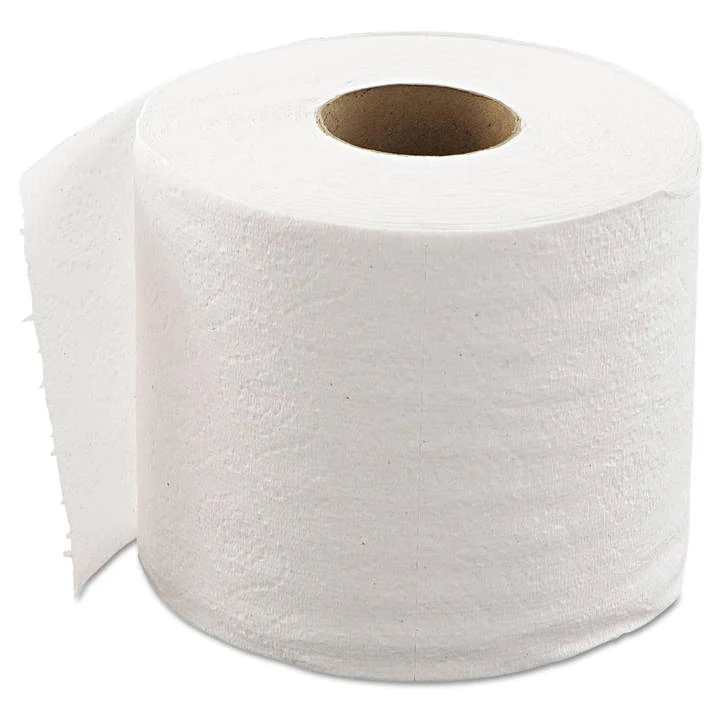
Toilet paper should generally unroll from the top, with the loose end hanging over the front of the roll. This position makes the paper easier to see, reach, and tear while reducing contact with the wall.
The Famous "Over" Method
The "over" position means the paper hangs down from the front of the roll. When someone pulls the sheet, it rolls toward them.
Many people prefer this setup because the loose end remains visible. Users do not need to search behind the roll to find the next sheet. This small convenience saves time and frustration, especially in busy households.
The Original Patent Evidence
One interesting piece of history often appears in this debate. In 1891, inventor Seth Wheeler received a patent for perforated toilet paper. The illustrations in the patent show the paper hanging over the roll rather than under it.
While patents do not create household rules, they provide evidence of the original design intention.
Comparing the Two Directions
| Feature | Over Placement | Under Placement |
|---|---|---|
| Easy to find sheet | Yes | Less convenient |
| Visible paper end | Yes | No |
| Contact with wall | Less | More |
| Pet resistance | Lower | Higher |
| Traditional preference | Strong | Moderate |
Why Most Hotels Use Over Placement
Hotels, office buildings, restaurants, and commercial facilities often install toilet paper using the over method. Staff can quickly inspect the roll and ensure the paper is ready for guests.
The visible sheet also creates a cleaner and more welcoming appearance. In hospitality settings, small details often influence customer impressions.
A Practical View
After working with tissue products and observing customer preferences across many countries, one trend becomes clear. Most consumers naturally pull from the front. The over position supports this motion and feels more intuitive for first-time users.
That does not mean the under method is wrong. It simply means the over method often delivers a smoother user experience for the average household and commercial restroom.
Does Toilet Paper Direction Really Matter?
At first glance, toilet paper direction may seem like a trivial issue. After all, the paper works either way. Yet many people feel surprisingly strongly about this subject.
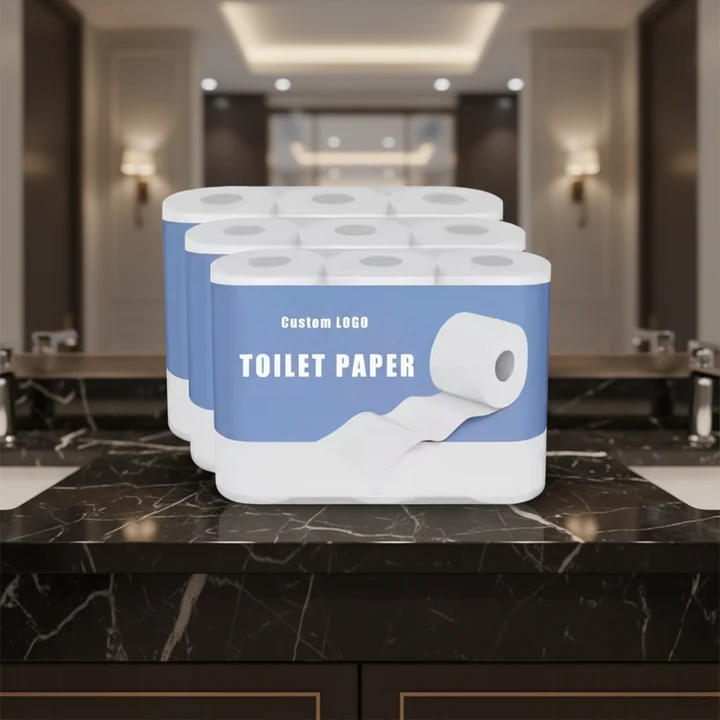
Yes, toilet paper direction can matter because it affects convenience, cleanliness, accessibility, and user satisfaction. While the impact is small, these daily interactions add up over time.
Small Details Shape Daily Experiences
People use toilet paper every day. A small inconvenience repeated several times each day becomes more noticeable over weeks and months.
When the paper hangs in an unexpected direction, users may need to:
- Search for the loose end
- Touch more surfaces
- Use both hands
- Pull extra paper accidentally
Each issue is minor by itself. Together, they affect comfort and efficiency.
Cleanliness Considerations
Hygiene plays an important role in restroom design.
With the over method, users typically touch only the paper itself. The loose end remains separated from the wall.
With the under method, the paper often rests closer to the wall surface. Depending on the bathroom environment, this may increase contact with dust, moisture, or cleaning residue.
User Expectations Matter
People develop habits based on what they see most often.
When someone enters a restroom, they expect the product to function in a familiar way. If the roll operates differently, even a simple task can feel awkward.
This principle appears in many products, not just tissue paper. Light switches, door handles, and faucets all follow common design patterns because familiarity improves usability.
Commercial Restrooms Pay Attention to Details
Businesses spend significant money improving customer experiences.
Hotels choose soft towels.
Restaurants choose comfortable seating.
Offices choose ergonomic furniture.
Restroom supplies are no different.
A properly installed toilet paper roll contributes to a smooth and positive experience. While visitors may not consciously notice good placement, they often notice poor placement.
Different Households Have Different Priorities
The importance of direction varies depending on circumstances.
A single adult living alone may never care.
A family with several children may have stronger preferences.
A luxury hotel may follow strict presentation standards.
A pet owner may choose a setup that prevents playful cats from unrolling an entire roll overnight.
The answer often depends on the environment and the people using it.
Are There Benefits to Over vs Under Placement?
The debate continues because both methods offer distinct advantages. Understanding these benefits helps users choose the best option for their own situation.
Over placement offers better visibility, accessibility, and cleanliness, while under placement can reduce accidental unrolling caused by pets or young children.
Benefits of Over Placement
The over method remains the most popular choice for several reasons.
Easier Access
The loose end is clearly visible.
Users can immediately grab the paper without searching behind the roll. This becomes especially helpful for elderly individuals, children, and guests unfamiliar with the bathroom.
Faster Tearing
The paper naturally rolls forward.
Many users find it easier to tear sheets along perforation lines when the paper feeds from the front.
Cleaner Appearance
Bathrooms often benefit from a tidy appearance.
The over method presents the paper neatly and visibly. This is one reason many hotels and commercial facilities prefer it.
Reduced Wall Contact
The paper hangs away from the wall.
This can help minimize contact with potentially dirty surfaces.
Benefits of Under Placement
Although less common, the under method still has loyal supporters.
Better for Homes with Pets
Cat owners know the struggle.
Many cats enjoy batting at the loose end of a toilet paper roll. When installed over the top, a single paw swipe can send paper spinning onto the floor.
The under position makes this behavior more difficult.
Helpful Around Small Children
Young children often enjoy pulling toilet paper for fun.
An under-mounted roll may reduce accidental unrolling because the paper requires a different pulling angle.
Personal Preference
Some users simply prefer the feel of pulling paper from underneath.
Comfort and habit often influence restroom choices more than technical advantages.
Side-by-Side Comparison
| Factor | Over | Under |
|---|---|---|
| Visibility | Excellent | Fair |
| Ease of use | Excellent | Good |
| Appearance | Excellent | Good |
| Hygiene | Better | Good |
| Pet resistance | Fair | Better |
| Child resistance | Fair | Better |
No Universal Winner
The best choice depends on the situation.
A hotel bathroom and a family home may have different priorities. What works perfectly in one environment may not be ideal in another.
The key is understanding the trade-offs and selecting the option that matches everyday needs.
Can Toilet Paper Be Loaded onto All Holders the Same Way?
Many people assume every holder works identically. In reality, toilet paper holders come in many designs, and some affect installation direction more than others.
Most toilet paper holders support both over and under installation, but certain modern, vertical, recessed, or commercial dispensers may favor one direction for better performance.
Standard Horizontal Holders
The most common holder uses a horizontal spindle mounted between two brackets.
This design allows the roll to rotate freely in either direction.
Users can easily choose over or under placement based on personal preference.
Recessed Wall Holders
Many homes and hotels use recessed holders built into the wall.
These units often function similarly to standard holders. Both directions remain possible, although wall positioning may make one direction feel more comfortable.
Vertical Holders
Vertical holders place the roll upright rather than sideways.
These designs have become popular in modern bathroom interiors.
Characteristics of Vertical Holders
| Feature | Impact |
|---|---|
| Upright roll position | No over/under debate |
| Easy loading | Yes |
| Modern appearance | Yes |
| Fast replacement | Yes |
Because the roll sits vertically, the traditional direction debate disappears.
Users simply pull paper from the outside edge.
Commercial Dispensers
Commercial restrooms often use enclosed dispensers.
These units may include:
- Jumbo roll dispensers
- Twin-roll dispensers
- Center-pull dispensers
- Automatic dispensing systems
Many commercial models are engineered to feed paper through a specific path. Incorrect loading can cause tearing issues or paper jams.
Jumbo Roll Systems
Large facilities frequently use jumbo toilet paper rolls because they reduce maintenance and replacement frequency.
These dispensers often include clear loading instructions inside the cover.
Following manufacturer guidelines helps maintain smooth dispensing and reduces waste.
Holder Placement Matters Too
Even the best installation direction cannot compensate for poor holder placement.
A well-positioned holder should be:
- Easy to reach while seated
- Installed at a comfortable height
- Accessible for children and elderly users
- Far enough from water sources
Bathroom designers often focus on these factors before considering roll direction.
Choosing the Right Approach
The simplest approach is to evaluate the holder type first.
If the holder supports both directions, choose the option that matches household preferences.
If the holder is a commercial dispenser or specialty design, follow the manufacturer's recommended loading method to ensure proper operation.
Conclusion
The most common and widely accepted way to install toilet paper is with the paper hanging over the front of the roll. This method improves visibility, accessibility, and cleanliness. Still, under placement can work well in homes with pets or young children. The best choice depends on the holder design and the needs of the people using the bathroom.