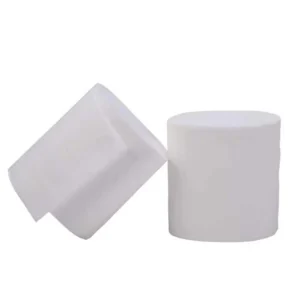

Many buyers compare toilet paper by ply, softness, and roll length. Yet one basic detail often causes confusion: the width of the roll itself.
A standard household toilet paper roll is usually about 3.7 to 4.1 inches (94–104 mm) wide. Most manufacturers follow this range because it fits common toilet paper holders and provides a comfortable user experience.
The exact width can vary between brands, regions, and product types. Household rolls, commercial rolls, and jumbo rolls often have different dimensions. Understanding these differences helps importers, wholesalers, retailers, and facility managers choose the right products for their markets.
What Is the Standard Width of a Household Toilet Paper Roll?
Many people assume that all toilet paper rolls have the same dimensions. In reality, manufacturers may adjust specifications slightly based on market demand, production standards, and packaging requirements.
The standard width of a household toilet paper roll is generally between 3.7 and 4.1 inches (94–104 mm). Most retail toilet paper products fall within this range because it fits standard holders found in homes worldwide.
The width of toilet paper has changed over time. Older products in some markets were wider than modern rolls. Many manufacturers reduced roll width slightly to save raw materials while maintaining acceptable performance for consumers.
Common Width Standards
The table below shows typical dimensions found in the market.
| Product Type | Typical Width |
|---|---|
| Standard Household Roll | 94–104 mm |
| Premium Household Roll | 100–110 mm |
| Compact Roll | 90–98 mm |
| Economy Roll | 90–100 mm |
Why Manufacturers Follow Similar Widths
Several factors influence width selection:
Holder Compatibility
Most household toilet paper holders are designed around standard roll dimensions. A roll that is too wide may not fit properly.
Consumer Expectations
Customers often compare products visually. A roll that appears unusually narrow may create concerns about value.
Production Efficiency
Factories optimize cutting equipment for specific widths. Consistent dimensions reduce waste and improve manufacturing efficiency.
Width vs. Roll Diameter
Many buyers confuse width with diameter. These measurements are very different.
- Width measures the distance across the paper sheet.
- Diameter measures the size of the entire rolled product.
A roll can have a standard width while having a larger diameter due to more sheets being wound onto the core.
Market Differences
Different countries may prefer slightly different specifications. Retail chains often request custom dimensions to match local consumer habits. Some private-label brands also develop unique sizes to create product differentiation.
When evaluating toilet paper products, width should always be considered together with sheet count, ply count, paper weight, and roll diameter. Looking at width alone does not provide a complete picture of product value.
Do Jumbo Rolls Differ in Width?
Many commercial buyers assume that jumbo rolls are simply larger versions of household toilet paper. The truth is more complex. Jumbo rolls often differ not only in diameter but also in width.
Yes, jumbo toilet paper rolls often differ in width. While some jumbo products maintain household-style widths, many commercial jumbo rolls are wider to improve efficiency and reduce replacement frequency in high-traffic facilities.
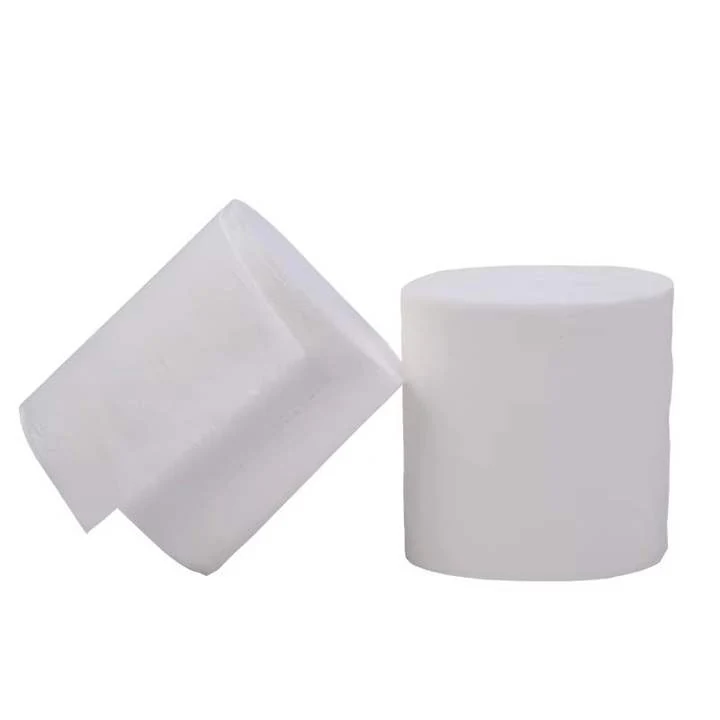
Commercial facilities such as airports, hotels, shopping centers, hospitals, and office buildings have very different requirements from households. These environments focus on reducing maintenance costs and minimizing dispenser refilling.
Typical Jumbo Roll Widths
The following table illustrates common jumbo roll width ranges.
| Jumbo Roll Type | Typical Width |
|---|---|
| Mini Jumbo Roll | 90–100 mm |
| Standard Jumbo Roll | 90–110 mm |
| Large Commercial Jumbo Roll | 100–120 mm |
| Custom OEM Jumbo Roll | Customized |
Why Width Changes in Commercial Products
Better Coverage
A wider sheet can provide greater coverage per pull. This may improve user satisfaction in some settings.
Dispenser Design
Commercial dispensers often allow more flexibility than residential holders. Manufacturers can produce wider rolls without compatibility issues.
Regional Preferences
Different markets request different widths. Some buyers prioritize comfort, while others focus on reducing material consumption.
Relationship Between Width and Roll Capacity
Many people assume wider rolls always contain more paper. This is not necessarily true.
A jumbo roll can increase capacity through:
- Larger diameter
- Longer paper length
- Different core size
- Higher sheet count
Width is only one part of the overall specification.
Considerations for Importers and Wholesalers
Commercial buyers often compare:
- Width
- Roll diameter
- Core diameter
- Grammage
- Ply count
- Loading quantity
For example, a slightly narrower jumbo roll may allow more units per shipping container. This can reduce transportation costs and improve profit margins.
Custom Manufacturing Options
OEM manufacturers frequently provide custom widths for commercial clients. Hotels, facility management companies, and distributors often request unique specifications to fit existing dispensers or branding strategies.
For large-volume buyers, selecting the right width can improve both customer satisfaction and operational efficiency.
How Is Toilet Paper Roll Width Measured?
Many new buyers misunderstand how width measurements are taken. Accurate measurement is important when comparing suppliers or verifying product specifications.
Toilet paper roll width is measured across the paper sheet from one edge to the other. The measurement is taken perpendicular to the rolling direction and is usually expressed in millimeters or inches.
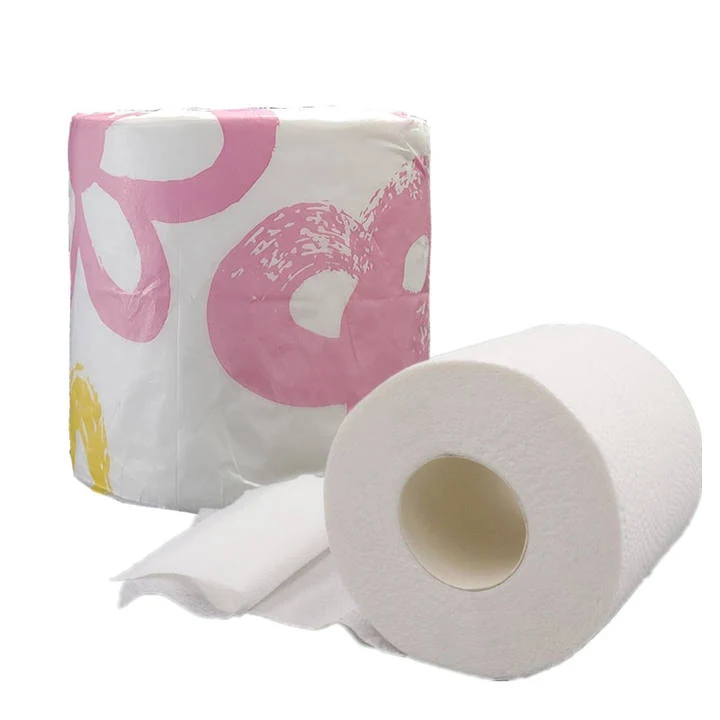
This sounds simple, but several factors can influence measurement accuracy.
Basic Measurement Process
A manufacturer typically follows these steps:
- Unroll a small section of paper.
- Lay the sheet flat.
- Measure from one side edge to the opposite side edge.
- Record the result in millimeters or inches.
Tools Used
Common measurement tools include:
Ruler
Suitable for quick checks during sampling.
Measuring Tape
Useful for larger commercial products.
Digital Caliper
Provides higher accuracy during quality inspections.
Manufacturing Tolerance
No production process is perfectly exact. Most factories operate within acceptable tolerance limits.
For example:
| Specification | Typical Tolerance |
|---|---|
| Width | ±0.5 mm |
| Sheet Length | ±1.0 mm |
| Roll Diameter | ±2.0 mm |
These tolerances help maintain product consistency while allowing efficient production.
Why Measurement Standards Matter
Without standard measurement methods, comparing products becomes difficult.
Imagine two suppliers claiming a width of 100 mm:
- Supplier A measures before embossing.
- Supplier B measures after embossing.
Small differences may appear even when products are similar.
Quality Control Procedures
Professional factories typically perform regular inspections throughout production.
Raw Material Inspection
Paper parent rolls are checked before conversion.
In-Process Inspection
Operators monitor width during cutting and rewinding.
Final Inspection
Finished products are sampled before packaging and shipment.
Common Buyer Mistakes
Some buyers focus only on width while ignoring related dimensions.
Important specifications include:
- Width
- Sheet length
- Ply count
- Grammage
- Roll diameter
- Core size
A complete specification sheet provides a much clearer understanding of product quality and performance.
Accurate width measurement helps prevent misunderstandings between suppliers and buyers and supports smoother international trade transactions.
Can Width Affect Comfort or Usability?
Many consumers pay attention to softness and strength. Yet width also plays a role in the overall user experience.
Yes, toilet paper roll width can affect comfort and usability. Wider sheets may provide better coverage and convenience, while narrower sheets can reduce material usage and lower production costs.

The impact may seem small, but width influences how users perceive product quality.
Comfort Considerations
A wider sheet often provides:
- More surface coverage
- Greater perceived value
- Easier handling
- Improved user confidence
Many premium brands use slightly wider sheets to create a stronger quality impression.
Cost Considerations
Every millimeter of width requires additional raw material.
For manufacturers, increasing width can lead to:
- Higher pulp consumption
- Higher production costs
- Increased shipping weight
- Reduced container loading efficiency
As a result, producers must balance comfort and cost.
Consumer Perception
Customers often judge quality through visual comparison.
If two products have similar packaging:
- A wider roll may appear more premium.
- A narrower roll may appear economical.
This perception can influence purchasing decisions even when actual performance differences are minimal.
Commercial Facility Perspective
Large facilities often prioritize operational efficiency.
Facility managers typically evaluate:
Cost Per Use
Narrower sheets may reduce consumption.
Maintenance Frequency
Larger rolls reduce replacement labor.
User Satisfaction
Comfort remains important in hotels, offices, and healthcare facilities.
Finding the Right Balance
There is no single perfect width for every application.
Different environments require different solutions:
| Application | Preferred Width Strategy |
|---|---|
| Luxury Hotels | Wider premium sheets |
| Residential Retail | Standard width |
| Office Buildings | Balanced approach |
| High-Traffic Public Areas | Cost-efficient widths |
| Industrial Facilities | Functional specifications |
The Role of Product Positioning
Width is often part of a broader product strategy.
Premium products may emphasize:
- Softness
- Width
- Embossing
- Appearance
Value-oriented products may focus on:
- Cost control
- Roll length
- Loading efficiency
Both approaches can succeed when they match customer expectations.
For manufacturers and distributors, understanding how width affects usability helps create products that meet specific market needs while maintaining competitive pricing.
Conclusion
The standard household toilet paper roll is usually 3.7 to 4.1 inches wide, while jumbo rolls may vary based on commercial requirements. Width affects compatibility, comfort, cost, and usability. Understanding this simple specification helps buyers make better purchasing decisions and choose products that fit their market and application.