Skip to content

Choosing toilet paper sounds simple. Yet many people end up disappointed by rough texture, weak sheets, or products that do not fit their needs.
The best toilet paper depends on what matters most. A great toilet paper balances softness, strength, absorbency, skin safety, and value. The right choice varies based on personal comfort, household needs, and environmental concerns.
Many brands claim to offer the perfect toilet paper. Some focus on luxury softness. Others focus on durability or sustainability. Understanding the key factors behind quality helps make a better choice and avoid wasting money on products that do not perform well.
What Makes a Toilet Paper Brand Stand Out?
A toilet paper brand stands out when it consistently delivers comfort, strength, absorbency, reliable quality, and good value. The best brands also maintain stable product performance across every roll and package.
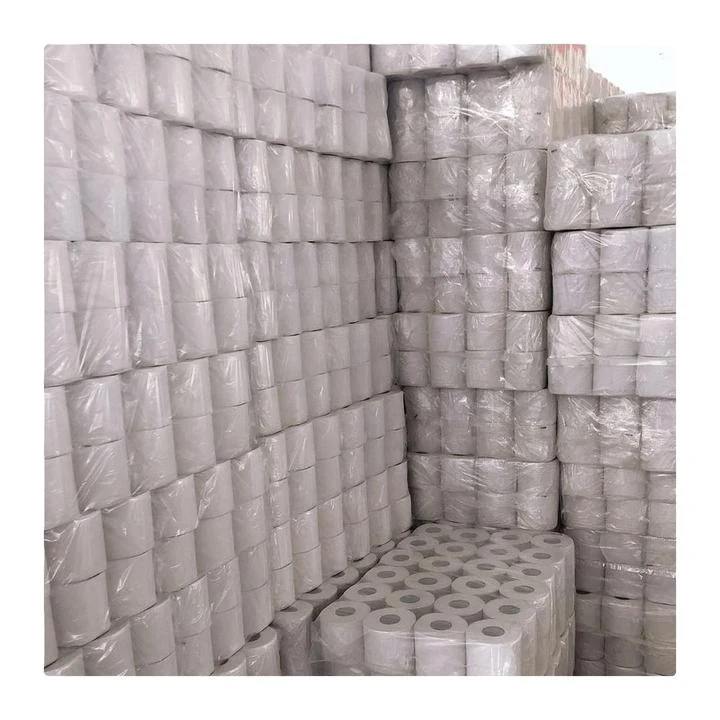
Many shoppers look only at price when comparing toilet paper. That approach often misses the bigger picture. A low-cost roll may seem attractive at first. Yet if users need more sheets per use, the actual cost can become higher over time.
Key Features That Define Quality
Several factors separate average toilet paper from premium products.
| Feature | Why It Matters |
|---|---|
| Softness | Improves comfort during use |
| Strength | Prevents tearing |
| Absorbency | Reduces paper consumption |
| Ply Count | Affects thickness and durability |
| Consistency | Ensures the same experience every time |
| Packaging | Protects products during storage and transport |
Softness often attracts buyers first. Many consumers associate comfort with quality. At the same time, softness alone does not create a great product. Some ultra-soft papers lose strength when wet and create frustration during use.
Manufacturing Quality Matters
A strong brand usually invests heavily in production technology. High-quality raw materials and modern equipment help maintain consistent thickness, weight, and texture.
During visits to paper product factories over the years, one lesson became clear. The best products are rarely the result of a single feature. Instead, they come from a controlled production process where every step receives attention.
Manufacturers often use virgin wood pulp, recycled fiber, bamboo pulp, or mixed materials. Each material creates different results.
The Role of Customer Expectations
Different markets value different features.
For example:
- Hotels often prioritize softness and guest satisfaction.
- Commercial facilities often prioritize strength and cost efficiency.
- Retail consumers often seek a balance between comfort and affordability.
- Healthcare facilities may focus on hygiene and skin friendliness.
Why Brand Reputation Matters
Brand reputation is built over time. Customers remember products that consistently meet expectations.
A toilet paper brand earns trust when:
- Product quality remains stable.
- Packaging accurately reflects specifications.
- Customer complaints are addressed quickly.
- Supply remains reliable.
A great toilet paper brand does more than produce soft paper. It delivers a dependable experience every time someone opens a new roll.
Is Softness or Strength More Important in Toilet Paper?
Neither softness nor strength alone determines the best toilet paper. The ideal product balances both qualities, providing comfort without sacrificing durability during use.
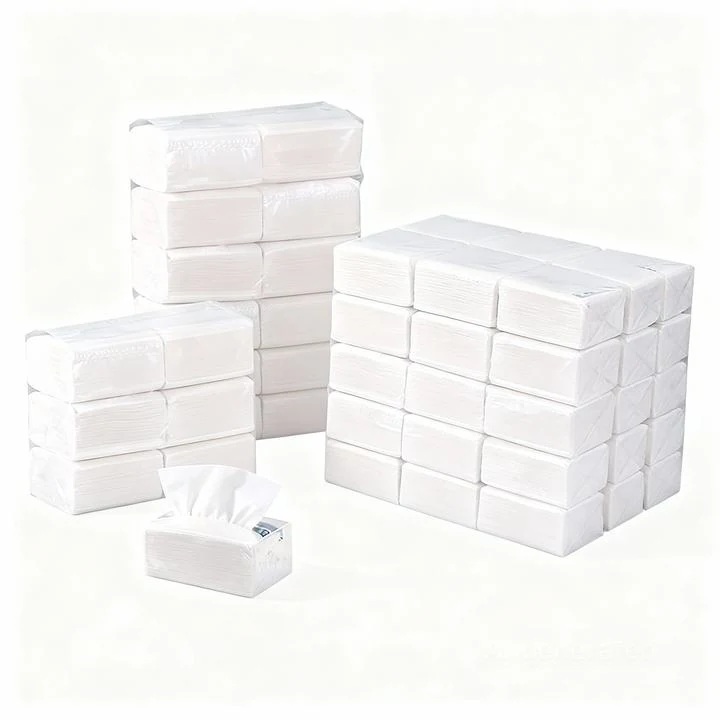
Many consumers assume softer always means better. That assumption can create problems. Extremely soft tissue sometimes becomes fragile, especially when exposed to moisture.
Understanding Softness
Softness comes from several factors:
- Fiber quality
- Embossing patterns
- Ply construction
- Manufacturing techniques
Soft paper feels pleasant against the skin. This feature is especially important for families with children, seniors, or people with sensitive skin.
Manufacturers often enhance softness through improved fiber processing and advanced converting technology.
Understanding Strength
Strength determines how well tissue holds together during use.
A strong toilet paper should:
- Resist tearing
- Maintain structure when wet
- Reduce waste
- Improve user confidence
Weak paper often causes users to use more sheets. This increases overall consumption and reduces value.
The Trade-Off Between Softness and Strength
There is often a balance between these two characteristics.
| Characteristic | Advantages | Potential Drawbacks |
|---|---|---|
| High Softness | Better comfort | May reduce durability |
| High Strength | Better performance | May feel less comfortable |
| Balanced Design | Comfort and reliability | Requires better manufacturing |
The most successful products achieve both qualities through better engineering rather than sacrificing one feature for another.
Consumer Preferences Vary
Personal preference plays a major role.
Some people strongly prefer luxury softness. Others care more about durability and efficiency.
A family with young children may value softness. A busy office building may prioritize strength and lower consumption rates.
Finding the Right Balance
When evaluating toilet paper, consider:
Comfort
The tissue should feel gentle and pleasant.
Performance
The sheets should not tear easily.
Value
The product should perform efficiently without excessive usage.
The strongest products in today's market are usually not the softest or the toughest. They are the products that create the right balance between both qualities.
Which Toilet Paper Is Best for Sensitive Skin?
The best toilet paper for sensitive skin is usually fragrance-free, dye-free, highly absorbent, and made from high-quality fibers that minimize irritation and friction.

People with sensitive skin often experience discomfort from products that seem harmless to others. Small differences in texture, additives, and manufacturing methods can significantly affect comfort.
Common Causes of Skin Irritation
Several factors may contribute to irritation:
- Artificial fragrances
- Added lotions
- Dyes and coloring agents
- Rough fibers
- Low-quality recycled materials
- Excessive dust particles
Not every sensitive individual reacts the same way. Still, reducing unnecessary additives often helps.
What to Look for in Sensitive Skin Toilet Paper
The following characteristics generally provide a better experience.
Fragrance-Free
Perfumes can trigger irritation in some users.
Dye-Free
Colored tissue may contain additives that offer no functional benefit.
Soft Surface
A smoother texture reduces friction during use.
High Absorbency
Better absorbency means fewer wipes may be needed.
Comparing Common Options
| Type | Sensitive Skin Suitability |
|---|---|
| Fragrance-Free Virgin Pulp | Excellent |
| Bamboo Pulp Tissue | Very Good |
| Premium Facial-Grade Tissue | Very Good |
| Colored Tissue | Moderate |
| Scented Tissue | Lower |
| Rough Recycled Tissue | Lower |
Bamboo-Based Products
Bamboo tissue has gained popularity in recent years.
Many consumers appreciate bamboo because it often provides:
- Natural softness
- Good absorbency
- Reduced dust production
- Sustainable sourcing potential
Quality varies between manufacturers, so not all bamboo products perform equally.
Why Fiber Quality Matters
High-quality fibers create smoother paper surfaces.
Lower-grade fibers may produce rough textures that increase friction. Repeated exposure can make irritation worse, especially for people with existing skin conditions.
Personal Testing Remains Important
Even the best-reviewed product may not suit every user.
Many people discover their preferred toilet paper through trial and comparison. Testing a few high-quality fragrance-free options often helps identify the most comfortable choice.
For sensitive skin, simplicity is often best. Products with fewer additives and better fiber quality usually provide the most reliable comfort.
Are Eco-Friendly Toilet Papers Better Choices?
Eco-friendly toilet papers can be excellent choices because they reduce environmental impact while still offering strong performance. However, quality varies widely between products and manufacturers.
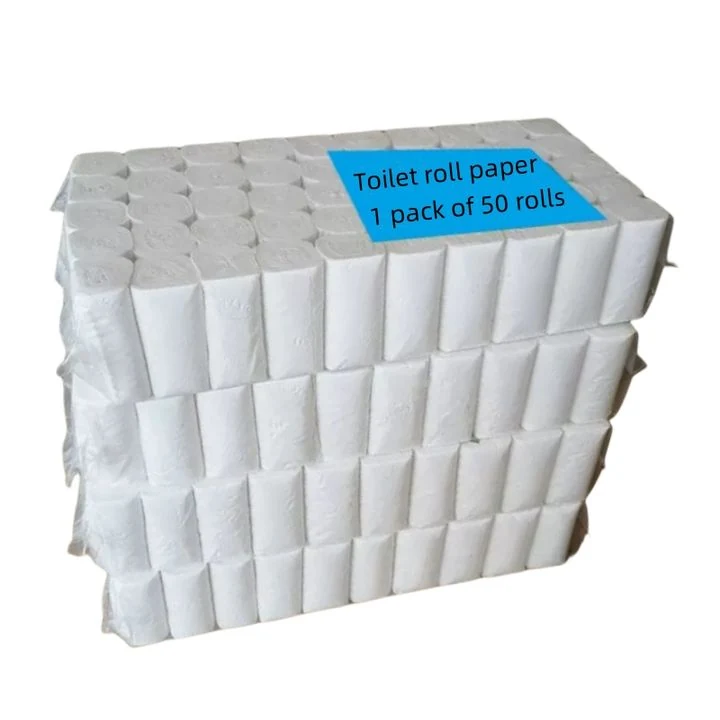
Environmental awareness has changed how many consumers shop. Toilet paper is no exception. More buyers now consider sustainability alongside comfort and price.
What Makes Toilet Paper Eco-Friendly?
Several factors contribute to sustainability.
Recycled Content
Recycled fibers reduce demand for virgin wood resources.
Bamboo Pulp
Bamboo grows rapidly and can regenerate quickly after harvesting.
Responsible Forestry
Certified forestry programs support sustainable forest management.
Reduced Packaging Waste
Less plastic and more recyclable materials help reduce waste.
Advantages of Eco-Friendly Toilet Paper
Many sustainable products now rival traditional options in performance.
Benefits often include:
- Lower environmental impact
- Reduced resource consumption
- Responsible sourcing practices
- Growing product innovation
Years ago, eco-friendly tissue often felt rough and thin. That situation has changed significantly. Modern production technology has improved both softness and strength.
Common Challenges
Not all eco-friendly products are equal.
Some products may still face issues such as:
- Higher pricing
- Limited availability
- Inconsistent softness
- Variable absorbency
Consumers should evaluate actual performance rather than relying solely on environmental claims.
Comparing Traditional and Eco-Friendly Options
| Factor | Traditional Toilet Paper | Eco-Friendly Toilet Paper |
|---|---|---|
| Softness | Often very high | Improving rapidly |
| Strength | Usually strong | Often comparable |
| Environmental Impact | Higher | Lower |
| Resource Use | Greater | Reduced |
| Market Availability | Very common | Growing quickly |
The Rise of Bamboo Toilet Paper
Bamboo has become one of the most discussed alternatives.
Several factors drive this trend:
- Fast-growing raw material
- Renewable supply
- Strong fiber structure
- Good softness potential
Many modern bamboo products now compete directly with premium wood-pulp tissues.
Looking Beyond Marketing Claims
Consumers should look for meaningful indicators:
- Material transparency
- Sustainability certifications
- Manufacturing quality
- Product performance reviews
A product should not receive praise simply because it is labeled eco-friendly. It must also deliver comfort, durability, and value.
The Best Sustainable Choice
The best eco-friendly toilet paper combines:
- Responsible sourcing
- Reliable strength
- Comfortable softness
- Good absorbency
- Reasonable pricing
When these elements come together, eco-friendly toilet paper becomes a practical choice rather than a compromise.
Conclusion
The best toilet paper balances softness, strength, absorbency, skin comfort, and environmental responsibility. No single product fits every user. By focusing on performance, material quality, and personal needs, it becomes much easier to choose a toilet paper that delivers both comfort and value.