Skip to content

Choosing the wrong toilet paper roll size can increase costs, create storage problems, and cause frequent replacements. Many buyers struggle because product sizes vary between brands and markets.
Standard toilet paper rolls are designed for home use, while mega, jumbo, and commercial rolls offer larger capacities for different usage needs. The best choice depends on roll diameter, sheet count, dispenser compatibility, traffic level, and total operating cost.
Many buyers focus only on price per roll. That often leads to higher long-term costs. Understanding toilet paper roll dimensions makes purchasing easier, improves inventory planning, and helps businesses choose products that match real usage.
What Are Standard Toilet Paper Roll Dimensions?
Many people assume every toilet paper roll has the same size. That is not true. Different manufacturers use different measurements, and small differences can affect storage, shipping, and dispenser compatibility.
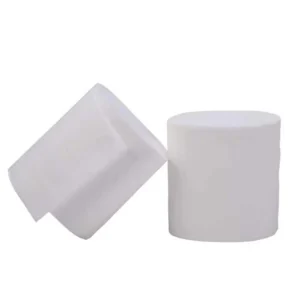
A standard toilet paper roll usually measures about 4 to 4.5 inches (10–11.5 cm) in diameter, has a width of about 3.7 to 4.1 inches (9.5–10.5 cm), and contains around 150–300 sheets depending on ply and paper thickness.

When discussing toilet paper dimensions, several measurements matter more than most buyers expect.
The Most Important Dimensions
| Dimension | Typical Standard Size |
|---|---|
| Roll Diameter | 4–4.5 in (10–11.5 cm) |
| Roll Width | 3.7–4.1 in (9.5–10.5 cm) |
| Core Diameter | 1.5–1.7 in (3.8–4.3 cm) |
| Sheet Width | About 4 in (10 cm) |
| Sheet Count | 150–300 sheets |
These numbers may look simple, but every measurement affects transportation and daily use.
Why Diameter Matters
Roll diameter determines how long the roll lasts before replacement.
A larger diameter usually means:
- More sheets
- Fewer replacements
- Better transportation efficiency
- Less packaging waste
Some buyers only compare sheet counts. That can be misleading because thicker paper creates larger rolls with fewer sheets.
Width Is Usually Consistent
Most residential rolls keep similar widths because bathroom holders are designed around standard dimensions.
Changing the width too much may cause fitting problems.
That is why manufacturers normally keep roll width close to four inches even when other dimensions change.
Paper Thickness Changes Everything
Two rolls with identical diameters can have different sheet counts.
For example:
- 2-ply paper uses more material.
- 3-ply paper creates thicker rolls.
- Embossing increases volume.
- Premium paper often feels thicker.
Because of this, buyers should compare total paper length instead of only sheet count.
Why Manufacturers Use Different Sizes
There is no single global standard.
Different regions have different preferences.
North America often prefers larger household rolls.
European markets may use slightly smaller rolls.
Many African importers request customized specifications based on local consumer habits.
This flexibility allows wholesalers to build products that match their target market.
Storage and Shipping Considerations
Roll dimensions also affect logistics.
Smaller rolls allow more units per carton.
Larger rolls reduce consumer replacement frequency.
The right balance depends on whether the priority is retail shelf space, warehouse capacity, or container loading efficiency.
For wholesale buyers, dimensions are not just technical data. They directly affect transportation costs, packaging design, and customer satisfaction.
How Do Mega Rolls Differ From Standard Rolls?
Many consumers believe mega rolls simply contain more sheets. In reality, they differ in several ways, including diameter, paper length, packaging, and value.
Mega toilet paper rolls have a much larger diameter than standard rolls, often ranging from 5 to 6 inches (12.5–15 cm). They usually contain two to four times more paper while maintaining the same roll width to fit most household holders.
Mega rolls became popular because households wanted fewer roll changes without installing new dispensers.
Bigger Diameter, Same Width
The biggest change is roll diameter.
Manufacturers keep the width nearly unchanged.
This allows mega rolls to fit most home toilet paper holders.
Only the amount of paper increases.
More Sheets Per Roll
A standard roll may contain:
- 200 sheets
A mega roll may contain:
- 400 sheets
- 500 sheets
- 600 sheets
- Even more depending on the brand
Some brands describe mega rolls as equal to two, three, or four regular rolls.
There is no universal definition.
Comparison Table
| Feature | Standard Roll | Mega Roll |
|---|---|---|
| Diameter | 4–4.5 in | 5–6 in |
| Width | About 4 in | About 4 in |
| Typical Sheet Count | 150–300 | 400–600+ |
| Replacement Frequency | Higher | Lower |
| Household Holder Fit | Yes | Usually Yes |
Advantages of Mega Rolls
Mega rolls offer several practical benefits.
Less Frequent Replacement
Families replace rolls less often.
This is especially useful in homes with many people.
Reduced Packaging
Fewer rolls are needed for the same amount of paper.
That lowers packaging material.
Better Value
Buying larger rolls often reduces cost per sheet.
Many consumers compare only the package price.
Cost per sheet gives a more accurate comparison.
Possible Drawbacks
Mega rolls are not perfect.
Some older holders have limited clearance.
Extra-large rolls may rub against the wall until some paper is used.
Storage space can also become an issue because each package occupies more room.
Retail Market Trends
Retailers like mega rolls because shoppers perceive better value.
Many supermarkets now dedicate entire shelves to larger household rolls.
Private-label brands also continue increasing sheet counts while keeping package sizes competitive.
For wholesalers, understanding this trend helps create products that meet changing consumer expectations without increasing production complexity.
When Should Businesses Choose Jumbo Rolls?
Businesses often underestimate how much labor goes into replacing toilet paper. Frequent replacements increase maintenance time, interrupt customer experience, and raise operating costs.
Jumbo toilet paper rolls are ideal for businesses with medium to high restroom traffic because they contain significantly more paper, reduce maintenance frequency, lower labor costs, and minimize refill interruptions.
Jumbo rolls are designed for commercial dispensers rather than household holders.
What Makes a Jumbo Roll Different?
Jumbo rolls have much larger diameters.
Common sizes include:
- 8 inches
- 9 inches
- 10 inches
- 12 inches
Some industrial versions become even larger.
The paper width usually remains close to standard commercial dimensions.
Common Business Applications
Jumbo rolls work well in:
- Shopping malls
- Restaurants
- Schools
- Airports
- Hospitals
- Factories
- Office buildings
- Hotels
These locations serve many users every day.
Benefits for Facility Managers
Replacing toilet paper is a hidden labor expense.
Larger rolls reduce:
- Staff workload
- Maintenance visits
- Empty dispensers
- Customer complaints
That creates smoother restroom operations.
Lower Operating Costs
Buying fewer rolls reduces:
- Packaging waste
- Shipping frequency
- Inventory handling
It also simplifies purchasing because orders last longer.
Dispenser Compatibility
This is one of the most important buying factors.
A jumbo roll cannot fit inside a standard residential holder.
Businesses must use compatible commercial dispensers.
Before purchasing, buyers should verify:
- Maximum roll diameter
- Core size
- Locking system
- Wall mounting requirements
Ignoring these details can lead to installation problems.
Logistics Benefits
Larger rolls improve container efficiency.
Fewer individual rolls need packaging.
Cartons become easier to organize.
Warehouse management also becomes simpler because one pallet contains much more usable paper.
Sustainability Considerations
Jumbo systems often reduce packaging materials.
Many businesses also choose recycled paper or bamboo pulp options to support environmental goals.
Combined with high-capacity dispensers, jumbo rolls reduce waste while maintaining user convenience.
For purchasing managers, jumbo rolls represent a practical balance between operating efficiency and customer satisfaction.
Which Commercial Roll Size Fits High Traffic Areas?
High traffic restrooms create unique challenges. Empty dispensers can damage customer experience, increase cleaning workload, and generate unnecessary complaints.
Very high traffic facilities usually perform best with large jumbo commercial rolls ranging from 9 to 12 inches in diameter, selected according to dispenser size, daily visitor volume, maintenance schedules, and storage capacity.
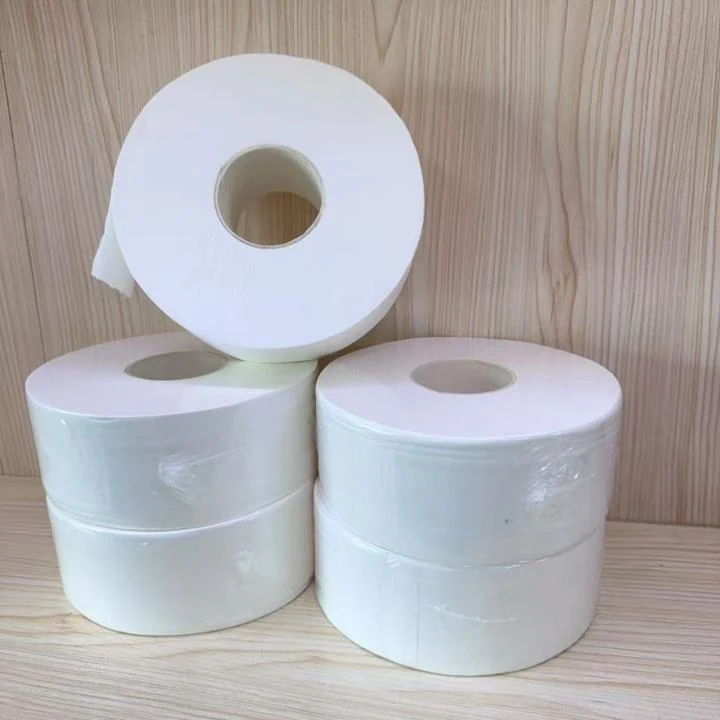
Every commercial building has different restroom requirements.
Choosing the correct roll size starts with understanding usage patterns.
Estimate Daily Traffic
A small office may serve:
- 20–50 users daily
A supermarket may serve:
- Hundreds of users
An airport may serve:
- Thousands every day
Each location requires a different refill strategy.
Commercial Roll Selection Guide
| Facility Type | Recommended Roll |
|---|---|
| Small Office | Standard Commercial Roll |
| Restaurant | Small Jumbo Roll |
| School | Jumbo Roll |
| Shopping Mall | Large Jumbo Roll |
| Airport | Extra Large Jumbo Roll |
| Stadium | Maximum Capacity Jumbo Roll |
Consider Maintenance Frequency
Some facilities receive restroom inspections every hour.
Others may only be checked twice daily.
Longer inspection intervals require larger paper capacity.
Storage Space Matters
Large facilities usually have dedicated storage rooms.
Small businesses may have limited space.
Sometimes using slightly smaller jumbo rolls improves inventory organization.
Total Cost Matters More Than Unit Price
Experienced buyers rarely focus only on roll price.
They evaluate:
- Cost per meter
- Cost per sheet
- Labor savings
- Transportation efficiency
- Dispenser lifespan
- Customer satisfaction
This provides a much clearer picture of overall value.
Think About User Experience
Running out of toilet paper creates frustration.
Customers often remember poor restroom experiences.
Choosing the correct commercial roll size helps avoid those situations.
Reliable supply improves cleanliness, reduces staff stress, and creates a better impression of the business.
Future Purchasing Strategy
Many organizations standardize restroom supplies across multiple locations.
Using one compatible dispenser system simplifies purchasing, training, maintenance, and inventory management.
As visitor numbers grow, facilities can upgrade from smaller commercial rolls to larger jumbo systems without changing their overall purchasing strategy.
Selecting the right commercial roll size is not simply about buying larger products. It is about balancing operating costs, storage efficiency, maintenance schedules, dispenser compatibility, and customer expectations.
Conclusion
Choosing the right toilet paper roll dimensions helps reduce costs, improve efficiency, and provide a better user experience. Standard rolls suit homes, mega rolls offer longer use, jumbo rolls reduce maintenance, and commercial rolls keep busy facilities running smoothly. Matching roll size to actual usage always delivers the best long-term value.