Skip to content
Bamboo is becoming popular around the world. Many people choose bamboo products because they want natural materials with better environmental performance.
Bamboo is an eco friendly material because it grows quickly, needs fewer resources, and can support sustainable product development.
Bamboo is not only a plant for decoration or construction. Today, bamboo is used in many industries, including paper products, household goods, textiles, and packaging. Understanding bamboo helps me see why more businesses and consumers are choosing this natural resource.
What Makes Bamboo An Eco Friendly Material?
Bamboo is often called a green material because it has many natural advantages. It grows fast and requires fewer resources compared with many traditional plants.
Bamboo is eco friendly because it grows quickly, absorbs carbon dioxide, protects soil, and needs less water and fewer chemicals during growth.

Many plants need years before they can be harvested. Bamboo is different. Some bamboo species can grow several feet in a short period and reach harvest maturity within a few years. This fast growth allows farmers to collect bamboo without waiting for decades.
One reason bamboo attracts attention is its natural growth ability. Bamboo does not need constant replanting after harvesting because its root system can continue producing new shoots. This makes bamboo farming different from many tree-based resources.
Why Bamboo Has Environmental Advantages
| Bamboo Feature | Environmental Benefit |
|---|---|
| Fast growth speed | Provides renewable raw materials quickly |
| Strong root system | Helps reduce soil erosion |
| High carbon absorption | Supports carbon reduction goals |
| Low chemical demand | Reduces environmental pressure |
Bamboo also needs less water than many agricultural crops. This is important because water resources are becoming a global concern. Farmers can grow bamboo in many areas without creating the same pressure as some other plants.
Another benefit is that bamboo can improve land conditions. Its underground root system helps hold soil together. In areas with soil erosion problems, bamboo planting can help protect the ground.
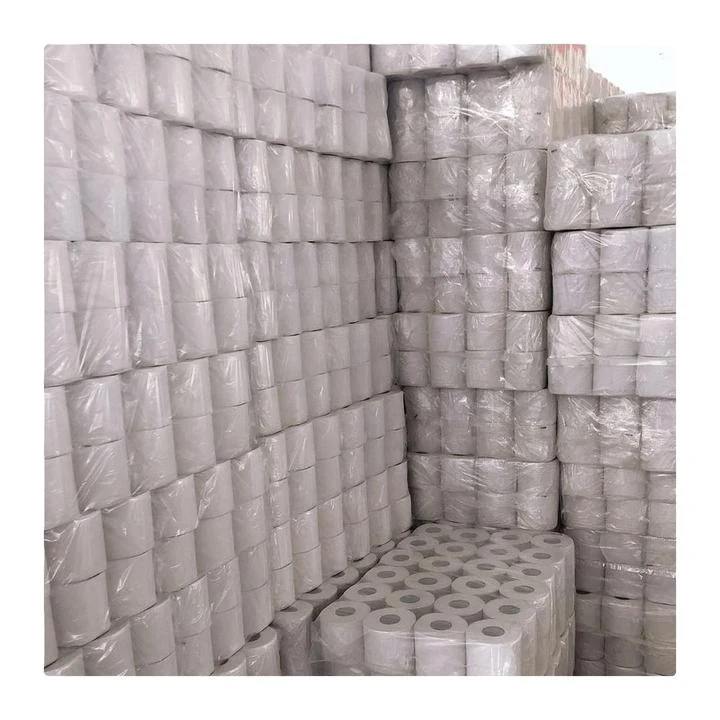
Bamboo is also useful because it can replace some materials that create more environmental pressure. For example, bamboo pulp can be used to make tissue paper products. This gives businesses another option when they want to develop more sustainable household products.
From my experience in the paper industry, customers are paying more attention to raw material choices. Many buyers now ask about bamboo pulp because they want products that match environmental goals.
However, bamboo is not automatically perfect. Sustainable bamboo production still requires good farming practices, responsible harvesting, and proper manufacturing processes. The full supply chain matters.
A truly eco friendly bamboo product depends on how the bamboo is grown, processed, and delivered. Responsible production helps maximize the environmental benefits of this natural material.
Why Is Bamboo Better Than Other Plants?
Bamboo has several advantages compared with many common plants. Its growth speed, strength, and flexibility make it useful for many industries.
Bamboo is better than many other plants because it grows faster, produces strong fibers, and can provide renewable materials with lower environmental impact.
Different plants have different characteristics. Wood, cotton, and other crops all have important uses. However, bamboo has unique qualities that make it attractive for modern production.
Bamboo Compared With Other Natural Materials
| Material | Growth Time | Main Challenge |
|---|---|---|
| Bamboo | Several years depending on species | Requires responsible management |
| Traditional hardwood | Decades | Slow regeneration |
| Cotton | Seasonal crop | Requires more water in many regions |
| Recycled materials | Depends on collection systems | Quality can vary |
One major advantage of bamboo is speed. Traditional trees may need many years before they can be harvested. Bamboo can provide raw materials much faster.
This does not mean bamboo should replace every plant. Different materials have different purposes. The value of bamboo comes from adding another sustainable choice.
Bamboo fibers also have useful qualities. They are naturally strong and can create durable materials. In paper production, bamboo pulp can provide good softness and strength when processed correctly.
Bamboo Fiber Advantages
Bamboo fibers can support products that need both comfort and durability. This is one reason bamboo is becoming more common in tissue and household paper products.
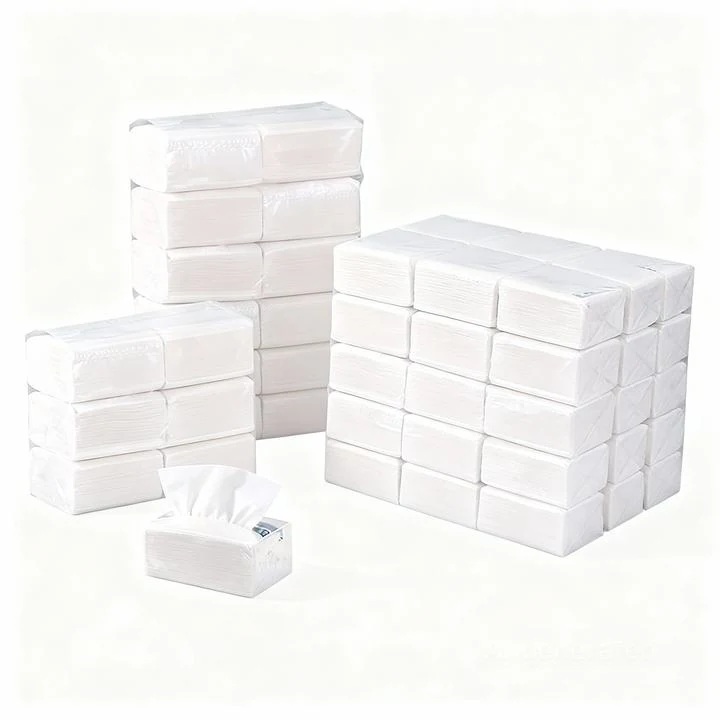
For example, bamboo pulp facial tissue can offer a soft touch while using a renewable plant source. Bamboo pulp toilet paper can also meet daily household needs while supporting eco friendly product trends.
The quality of bamboo products depends on manufacturing technology. Good equipment, proper processing, and strict quality control are important parts of creating reliable products.
Another reason bamboo stands out is its flexibility. Bamboo can be used for many applications:
- Paper products
- Building materials
- Kitchen products
- Textiles
- Packaging materials
- Household items
This wide range of uses creates more value from the same plant resource.
Bamboo also fits changing consumer preferences. Many customers today want products that are practical and environmentally responsible. Bamboo provides a way for brands to answer this demand.
For businesses, bamboo products can create new market opportunities. Retailers, supermarkets, and online sellers can introduce bamboo-based products to customers who care about sustainability.
The key point is that bamboo is not only a plant. It is a resource that connects environmental goals with business opportunities.
What Are The Main Benefits Of Bamboo?
Bamboo provides many benefits for people, businesses, and the environment. These advantages explain why bamboo products are becoming more common.
The main benefits of bamboo include fast growth, renewable supply, strong fibers, environmental value, and wide application possibilities.

Bamboo has many useful features. These features make it valuable in both consumer products and industrial applications.
11 Real Benefits Of Bamboo
| Benefit | Explanation |
|---|---|
| 1. Fast growth | Bamboo can grow much faster than many trees |
| 2. Renewable resource | Bamboo can regrow after harvesting |
| 3. Less water demand | Bamboo often needs fewer water resources |
| 4. Soil protection | Bamboo roots help protect land |
| 5. Carbon absorption | Bamboo can absorb carbon dioxide during growth |
| 6. Strong fibers | Bamboo creates durable materials |
| 7. Wide applications | Bamboo can be used in many industries |
| 8. Natural appearance | Bamboo products have a natural market appeal |
| 9. Alternative material | Bamboo can replace some traditional resources |
| 10. Consumer demand | More customers prefer sustainable products |
| 11. Business opportunities | Bamboo products create new market categories |
One important benefit is renewable supply. Bamboo can continue growing after harvesting when managed correctly. This creates a long-term resource cycle.
Another benefit is product value. Bamboo products often attract customers who care about environmental responsibility. A bamboo tissue product, for example, can become more attractive when a brand explains its raw material story.
For businesses, bamboo can also support product differentiation. Many markets have strong competition. Using bamboo materials can help companies create unique product lines.
Bamboo In Paper Products
In the paper industry, bamboo pulp has become an important option. Bamboo fibers can be processed into different tissue products, including facial tissue, toilet paper, and kitchen paper towels.
The manufacturing process requires careful control. The factory needs to manage softness, strength, absorbency, and safety standards.
I have noticed that international buyers increasingly ask about bamboo pulp products. They want products that combine quality with environmental value.
Bamboo products also support modern brand positioning. Companies can use bamboo-based products to show customers that they care about responsible sourcing.
However, bamboo benefits do not only come from the material itself. The entire production system matters. A good manufacturer needs advanced equipment, quality inspections, and stable production management.
When bamboo is combined with professional manufacturing, it can create products that meet both environmental and commercial needs.
Bamboo shows that natural materials can support modern industries. It connects traditional resources with new consumer expectations.
Is Bamboo A Sustainable Resource?
Many people ask if bamboo is truly sustainable. The answer depends on how bamboo is grown, harvested, and processed.
Bamboo is a sustainable resource when it is responsibly grown, carefully harvested, and processed with environmentally responsible methods.

Bamboo has strong sustainability potential, but responsible management is important. No material becomes sustainable without proper systems.
What Makes Bamboo Sustainable?
Sustainable bamboo production usually includes several important steps:
- Responsible farming methods
- Controlled harvesting
- Protection of local ecosystems
- Efficient processing technology
- Waste reduction systems
Bamboo farms need proper planning. Farmers should avoid damaging natural environments and should maintain healthy bamboo growth cycles.
Manufacturing is also important. Bamboo pulp production requires technology that can protect product quality while reducing unnecessary waste.
For example, paper manufacturers need to control water usage, energy consumption, and production waste. A sustainable material needs sustainable processing.
Bamboo Sustainability For Businesses
| Business Need | How Bamboo Helps |
|---|---|
| Environmental goals | Provides a renewable material choice |
| Product innovation | Creates new product categories |
| Customer demand | Meets interest in green products |
| Long-term supply | Supports renewable resource planning |
Many companies are now adding bamboo products to their product portfolios. This trend comes from changing customer expectations and stronger environmental awareness.
For wholesalers and retailers, bamboo products can provide another market opportunity. Customers who want eco friendly products may be more willing to choose bamboo-based options.
For manufacturers, bamboo also creates opportunities for research and development. Better technology can improve bamboo product quality and expand possible applications.
I believe bamboo will continue to grow in importance because it connects environmental needs with practical business solutions.
However, businesses should avoid treating bamboo as only a marketing message. Customers want real value. They care about product quality, safety, and honest information.
A successful bamboo product needs three parts: responsible materials, reliable manufacturing, and clear communication.
When these parts work together, bamboo can become a valuable part of a more sustainable future.
Conclusion
Bamboo offers many benefits because it grows fast, supports renewable production, and provides useful natural fibers. With responsible management, bamboo can become an important sustainable resource for future industries.