Skip to content
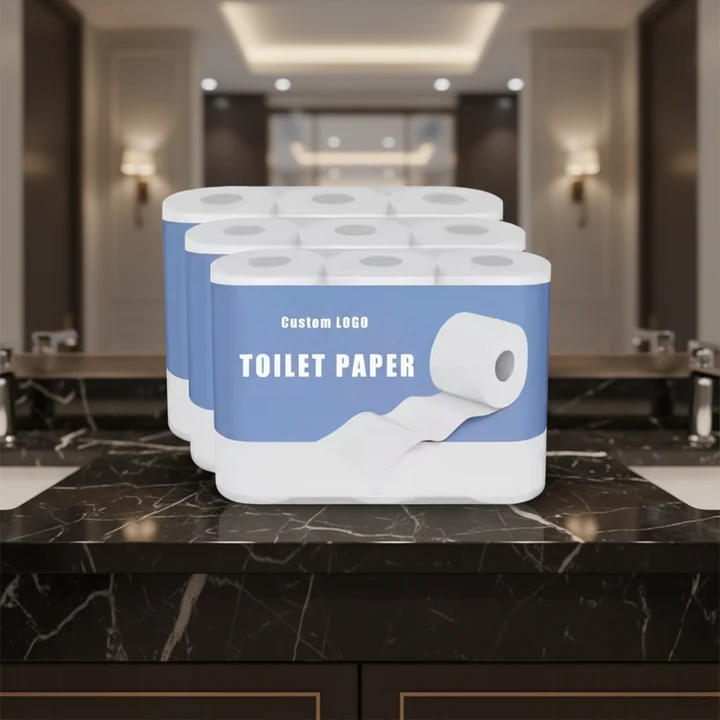
Choosing bamboo toilet paper can be harder than it looks. Many products make similar green claims, but their softness, strength, roll size, and real value can be very different.
The best bamboo toilet paper uses quality bamboo pulp and balances softness, strength, absorbency, safe production, and easy breakdown after use. It should also have clear specifications, reliable quality, responsible fiber sourcing, and a fair cost based on actual paper content rather than only the price per roll.
A bamboo label does not automatically mean better toilet paper. The fiber is important, but paper structure, grammage, ply, embossing, production control, and packaging also affect the final result. A useful comparison needs to look at all these factors together.
How Do You Choose The Best Bamboo Toilet Paper?
Low prices and attractive green packaging can easily catch attention. But choosing on these points alone can result in small rolls, weak sheets, rough paper, or poor value.
To choose the best bamboo toilet paper, check the bamboo fiber, ply, grammage, sheet size, roll length, softness, strength, breakdown in water, packaging, and relevant certifications. The best choice should match the needs of the user while offering stable quality and a reasonable cost per usable sheet.

Start With The Actual Fiber
The first factor I check is what the toilet paper is actually made from. Bamboo pictures on the package do not prove that a product uses pure bamboo pulp. A clear specification should state whether the tissue uses bamboo pulp, a bamboo blend, recycled fiber, or another type of fiber.
This point matters because the raw material affects the paper's feel and product position. It also affects how buyers can market the finished product.
Pure bamboo pulp is often selected for products that need a clear bamboo identity. A blend may also work well in some markets. The key point is transparency. Buyers need to know what they are buying.
The fiber source is only the beginning. Good pulp does not automatically create good toilet paper. The production process changes the final result.
Paper tension, moisture, embossing, perforation, ply bonding, and rewinding can all affect the roll. A poor converting process can turn good raw material into an average product.
Compare Specifications Instead Of Roll Count
Roll count is one of the easiest numbers to see on a package, but it can be misleading.
A 24-roll package is not always better value than a 12-roll package. The 24 rolls may have fewer sheets or smaller sheets. The rolls may also use lighter paper.
I prefer to compare measurable specifications.
| Factor | What To Check | Why It Matters |
|---|---|---|
| Fiber | Bamboo pulp content | Shows the real raw material |
| Ply | 2-ply, 3-ply, or more | Affects thickness and feel |
| Grammage | Weight per square meter | Helps compare paper density |
| Sheet size | Width and sheet length | Shows paper size per use |
| Sheets per roll | Total sheet count | Helps compare roll value |
| Roll length | Total usable length | Gives a clearer cost comparison |
| Strength | Dry and wet performance | Reduces unwanted tearing |
| Softness | Surface and hand feel | Affects user comfort |
| Packaging | Material and sealing | Protects paper during transport |
These details make product comparisons much easier.
For example, two 3-ply rolls can feel completely different. One may use heavier layers and better embossing. The other may use lighter layers mainly to create a 3-ply marketing claim.
Match The Paper To The Customer
There is no single specification that works for every market.
A household buyer may care most about softness and comfort. A hotel may care about consistent roll size and reliable supply. A supermarket may need an attractive package and a clear retail price point. A wholesaler may care more about carton size, container loading, and cost.
This is why I always see samples as an important part of a serious sourcing process.
A sample can be checked for softness, paper dust, strength, perforation, embossing, roll tightness, sheet size, and packaging quality. Buyers can also compare the sample with the written specification.
The cheapest roll is not always the lowest-cost choice. A small or weak roll may be used much faster. Customers may also complain if the tissue tears too easily.
A better decision comes from comparing the full specification with the target market and expected selling price.
What Features Make Bamboo Toilet Paper Better?
Bamboo toilet paper is often promoted mainly for its material. But customers still expect the product to work well every day. Environmental positioning cannot replace basic paper performance.
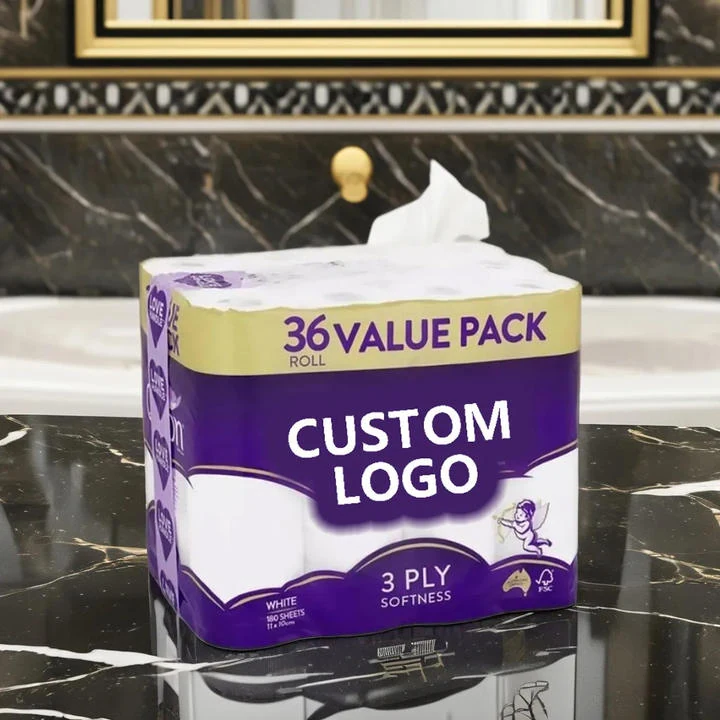
Good bamboo toilet paper combines comfortable softness, suitable strength, controlled absorbency, clean production, consistent perforation, stable ply bonding, and good breakdown in water. Better products also give clear fiber information and avoid unnecessary fragrances, dyes, or other features that add cost without improving normal use.
Softness Should Not Come At The Cost Of Strength
Softness is usually one of the first features customers notice. People touch the paper and form an opinion within seconds.
But softness cannot be the only target.
Toilet paper also needs enough strength to stay together during normal use. Paper that feels extremely soft but tears too easily can create a poor experience.
The goal is balance.
A good bamboo toilet paper should feel comfortable against the skin while keeping enough tensile strength for practical use. The exact balance depends on grammage, fiber treatment, ply construction, and the converting process.
Ply count also matters, but a higher ply number does not automatically mean better paper.
A good 2-ply tissue can sometimes perform better than a poorly made 3-ply tissue. The grammage of each layer, embossing, bonding, and paper structure all influence the final result.
Embossing Changes Both Feel And Performance
Embossing is easy to think of as decoration. In reality, it can affect how toilet paper feels and performs.
A suitable embossing pattern can create more bulk. This can make the sheet feel thicker without adding a large amount of material. Embossing can also help connect different plies.
But more embossing is not always better.
Very deep embossing can weaken parts of the sheet. Poorly controlled embossing may create uneven areas. Weak bonding can cause layers to separate during use.
Manufacturing control is therefore important.
The embossing pattern should work with the paper rather than only look attractive on the roll.
Breakdown In Water Also Matters
Toilet paper needs to perform during use, but it also needs to break apart after disposal.
A product that is extremely strong may create another problem if it does not break down properly in water. This is why strength and dispersibility need to be considered together.
Buyers can ask for relevant test information when this point is important for their market.
The same idea applies to chemicals and added features.
Fragrance, colored printing, lotions, and other additions may help create a special product position. But they are not automatically signs of higher quality. Many customers prefer simple toilet paper without unnecessary additives.
The best feature set depends on the target customer.
Premium household buyers may prefer soft 3-ply tissue with detailed embossing and attractive packaging. Commercial buyers may prefer larger rolls, simple packaging, and strong cost control.
The product specification should follow the real use case instead of following every possible premium feature.
Which Bamboo Toilet Paper Brands Are Reliable?
Brand names can make bamboo toilet paper easier to recognize. Still, a logo cannot guarantee stable paper quality, accurate specifications, or responsible sourcing by itself.
Reliable bamboo toilet paper brands provide clear information about fiber content, product size, sourcing, and relevant certifications. They also keep softness, strength, sheet count, roll size, and packaging consistent between batches. For wholesale and private-label buyers, the manufacturer's quality system can matter as much as the consumer brand.
Look Behind The Marketing Claims
When I evaluate a bamboo toilet paper product, I prefer facts that can be checked.
Words such as "premium," "natural," "green," and "eco-friendly" are common on packages. These words may help with marketing, but they do not tell buyers how much paper is on a roll.
The specification should provide more useful information.
Buyers should look for fiber content, ply, sheet dimensions, sheets per roll, grammage, roll length, and other measurable details.
Environmental claims also need context.
For example, a certification can be useful when it comes from a recognized system and applies to the relevant material or product. Buyers should understand what a certification covers instead of treating every logo as equal.
Check Whether Quality Is Repeatable
A reliable brand needs consistency.
The first package may feel excellent. The real test comes when the second, fifth, or twentieth production batch still meets the same standard.
Changes in paper weight can affect softness and strength. Changes in winding can affect roll diameter. Changes in perforation can affect ease of use. Packaging changes can affect protection during transport.
These problems become more serious in B2B orders because the quantities are much larger.
Here is a simple way to review reliability:
| Reliability Factor | Good Sign | Warning Sign |
|---|---|---|
| Fiber information | Material is clearly stated | Fiber description is vague |
| Roll specification | Detailed measurements are available | Only roll count is shown |
| Quality control | Tests and tolerances are defined | Quality standards are unclear |
| Certification | Claims can be checked | Unsupported logos or claims |
| Samples | Match confirmed specifications | Bulk product differs from sample |
| Packaging | Strong and consistent | Weak seals or changing materials |
| Communication | Answers are specific | Technical answers stay vague |
| Repeat orders | Specification stays stable | Quality changes between batches |
B2B Buyers Need To Check The Manufacturer
Retail customers can try a pack and decide whether they like it. Importers and wholesalers face a larger risk.
A container can include thousands of packs. A small specification problem can become a large financial problem when it affects the whole shipment.
For that reason, I would look beyond the brand name when sourcing in bulk.
The manufacturer should have clear raw material controls. The production team should know how grammage, dimensions, winding, embossing, and packaging are checked.
Buyers should also ask how finished products are inspected.
A good supplier should be able to explain the process in simple terms. Technical questions should receive clear answers. Product specifications should be confirmed before mass production.
Packaging artwork also needs careful checking. Colors, barcodes, labels, pack quantities, carton marks, and other details can create expensive problems when they are wrong.
A reliable brand is therefore built through more than advertising. It needs a stable product behind the logo.
For private-label buyers, this point is even more important. Their own brand name will appear on the package. Customers will blame that brand if the paper quality changes.
The manufacturing system behind the product should therefore be treated as part of the brand itself.
Is Premium Bamboo Toilet Paper Worth It?
Premium bamboo toilet paper often costs more, but a higher price does not always mean a better roll. Buyers need to understand what they receive for the extra money.
Premium bamboo toilet paper is worth it when the higher price brings measurable benefits such as better softness, stronger sheets, more usable paper, better fiber sourcing, tighter quality control, or stronger packaging. It offers less value when the price difference comes mainly from branding, decorative packaging, or unsupported environmental claims.
Compare Cost Per Use
Price per roll is a simple number, but it can hide major differences.
Imagine two bamboo toilet paper products. Product A costs less per roll. Product B costs more.
At first, Product A looks like the obvious choice.
But Product B may have larger sheets, more sheets per roll, higher grammage, and stronger paper. A customer may use fewer sheets each time.
In that case, the real cost difference becomes smaller.
This is why I prefer cost-per-use thinking instead of looking only at the unit price.
The same approach is useful for wholesalers. Buyers can compare the total paper content, pack configuration, carton size, and shipping efficiency. A low factory price can lose its advantage if packaging wastes container space.
Premium Packaging Can Add Real Value
Packaging is not only about appearance.
Toilet paper needs protection from moisture, dirt, pressure, and handling. This becomes especially important when goods travel long distances.
A stronger bag can reduce damage. Good sealing can help protect the rolls. Accurate printing can also make a private-label product look more consistent on retail shelves.
Premium packaging can therefore have commercial value.
Still, packaging should support the paper rather than hide it.
A beautiful package around weak tissue does not create a premium product. The paper itself should justify the position first.
Define Premium With Measurable Features
The word "premium" needs a clear meaning.
I would ask simple questions before paying more.
Does the tissue feel noticeably softer? Does it stay together better during normal use? Does each roll contain more paper? Is the bamboo fiber clearly identified? Is the embossing more consistent? Does the packaging offer better protection? Are product tolerances controlled more tightly?
When several answers are yes, a premium price can make sense.
The target market also decides how much premium quality is useful.
A budget retail market may care strongly about the final shelf price. Extra-thick paper and expensive individual wrapping may make the product too costly.
A premium supermarket, hotel, online retailer, or specialty household brand may have different customers. Those customers may accept a higher price for better comfort, packaging, and material positioning.
For B2B sourcing, I prefer to define the selling price and customer group first. The product can then be designed around those limits.
This approach prevents unnecessary features from increasing costs.
Premium bamboo toilet paper is worth paying for when the added cost creates a benefit that customers can feel, measure, or understand. A higher price needs a reason. If that reason cannot be explained clearly, the premium label has limited value.
Conclusion
The best bamboo toilet paper balances fiber quality, softness, strength, usable roll size, safe production, clear sourcing, packaging, and cost. Buyers should compare measurable specifications instead of relying on price, roll count, or green marketing claims. The best choice is the product that consistently fits its real users and market.