Skip to content
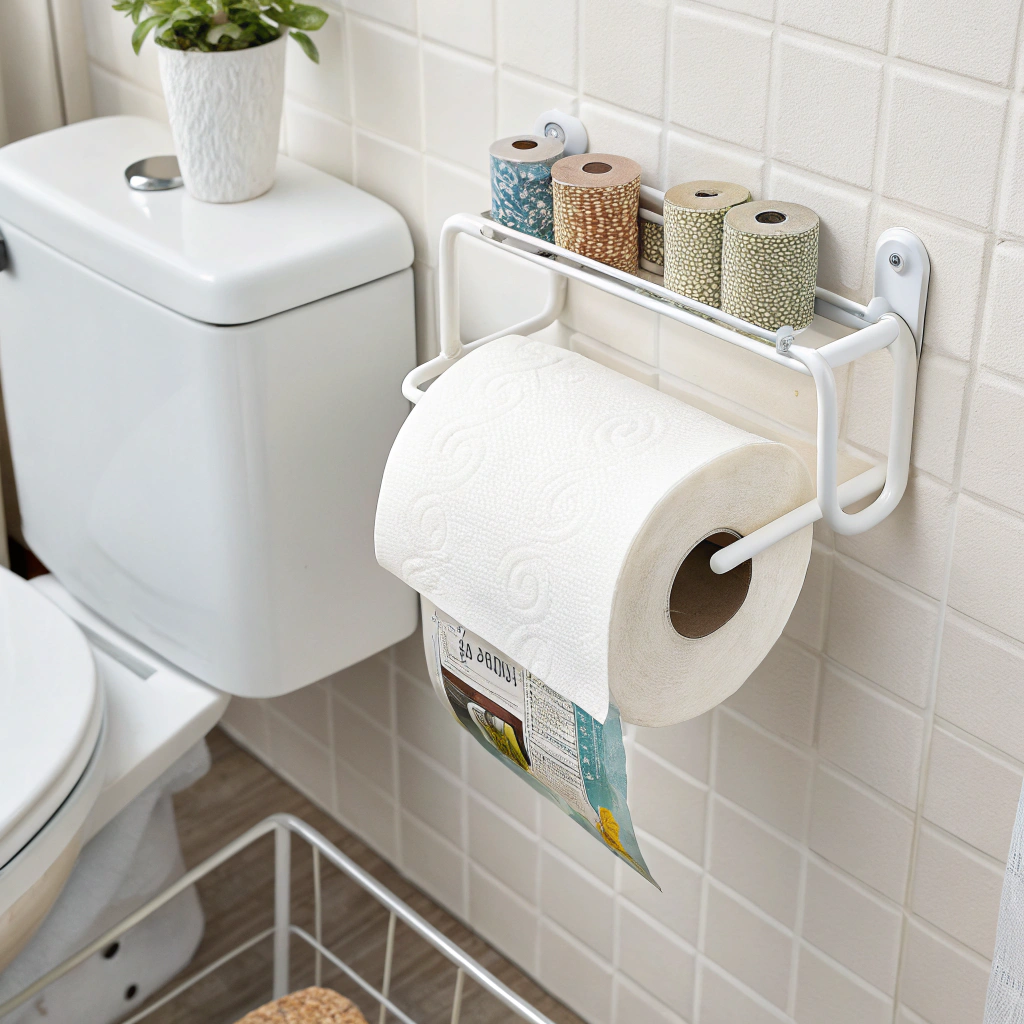
Bathrooms often look simple, but small mistakes can cause daily discomfort. A toilet paper holder that sits too high or too low can feel awkward every time it is used. Many people only notice this problem after installation, when fixing it costs time and money.
The right height for a toilet paper holder is not random. It depends on comfort, body movement, toilet height, and who uses the bathroom. When placed correctly, it improves ease of use, safety, and the overall bathroom experience.
I have seen many bathrooms where this small detail was ignored. Over time, these small errors reduce comfort. That is why this topic deserves careful attention before drilling any holes.
What is the ideal height for mounting a toilet paper holder?
Bathrooms are used every day, yet many people guess when placing accessories. This leads to holders that are too far to reach or too low to bend for. A poor height choice may seem minor, but it affects comfort each time the toilet is used.
The ideal height to mount a toilet paper holder is between 26 and 30 inches from the floor to the center of the roll. This range fits most adults and allows easy reach without strain.
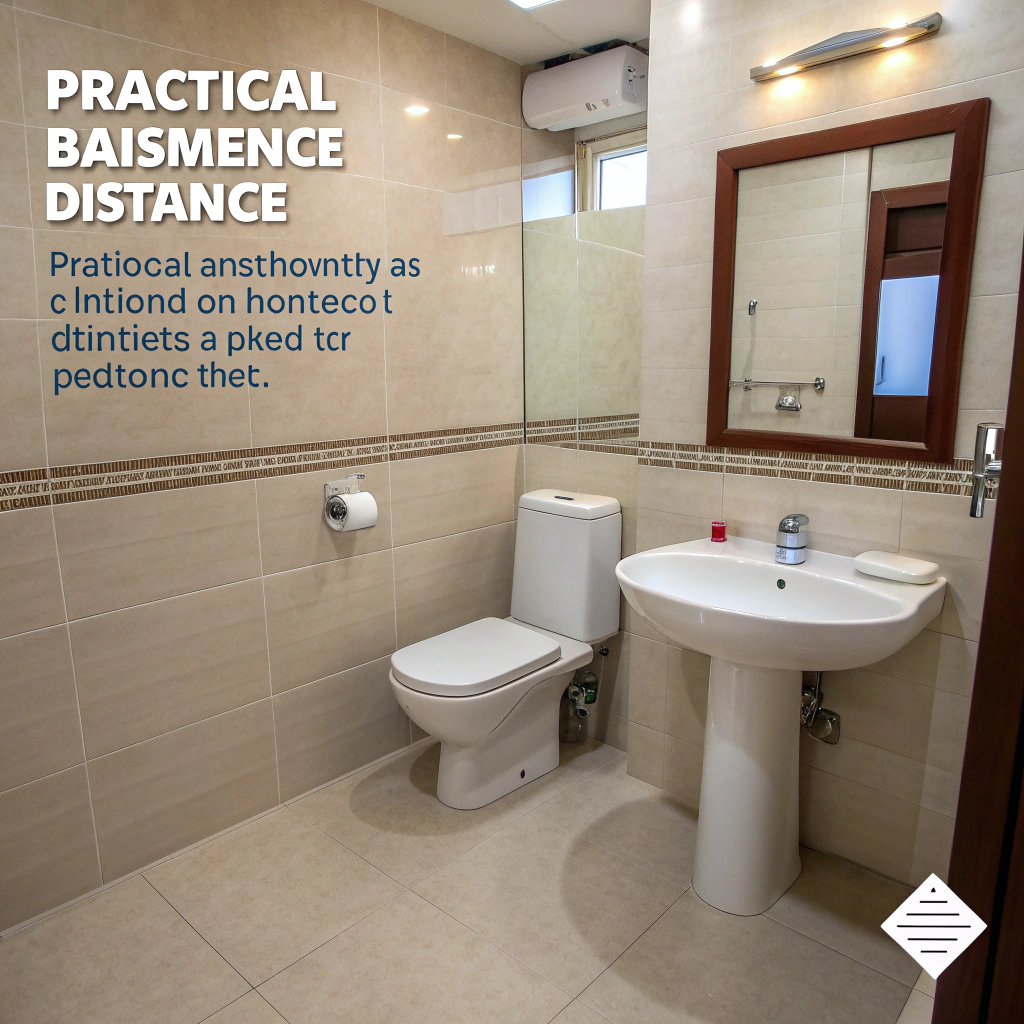
When choosing the best height, I always start with natural body movement. While seated, the arm should move sideways in a relaxed way. The hand should reach the roll without twisting the torso or leaning forward too much. If the holder is too high, the shoulder lifts. If it is too low, the body bends. Both cause discomfort over time.
Why 26 to 30 inches works for most bathrooms
This height range aligns with average seated elbow height. Most standard toilets place the seat top around 15 to 17 inches from the floor. When seated, the elbow naturally rests around 24 to 26 inches high. Placing the holder slightly above this point allows smooth motion.
This range also works well across different bathroom layouts. Whether the holder is mounted on a side wall or a vanity panel, this height remains practical.
Distance from the toilet matters as much as height
Height alone does not solve the problem. Horizontal distance is just as important. A holder placed too far forward or too far back feels awkward, even at the correct height.
A good rule is to place the holder 8 to 12 inches in front of the toilet bowl edge. This allows the arm to move naturally without reaching behind the body.
Common mistakes I often see
Many holders are placed based on wall studs rather than comfort. Others are aligned with visual elements like tiles or mirrors. These choices often ignore how people actually move.
Here is a simple table showing good and bad placement choices:
| Placement Choice | Result |
|---|---|
| 26–30 inches high | Natural reach |
| Below 22 inches | Requires bending |
| Above 34 inches | Shoulder strain |
| 8–12 inches forward | Easy side reach |
| Directly behind seat | Awkward twisting |
Real-life usage should guide decisions
Bathrooms are not showrooms. They are functional spaces. I always suggest sitting on the toilet and mimicking the reach before installation. This simple test prevents long-term discomfort.
The ideal height is not about style trends. It is about repeated daily use. When chosen correctly, the holder fades into the background and simply works.
Should the height of a toilet paper holder change for children?
Children use bathrooms differently than adults. Their height, reach, and balance all affect how they interact with fixtures. When a holder is placed only for adults, children often struggle to reach it or pull paper safely.
Yes, the height of a toilet paper holder should change for children. For child-friendly bathrooms, the holder is best placed between 18 and 22 inches from the floor.
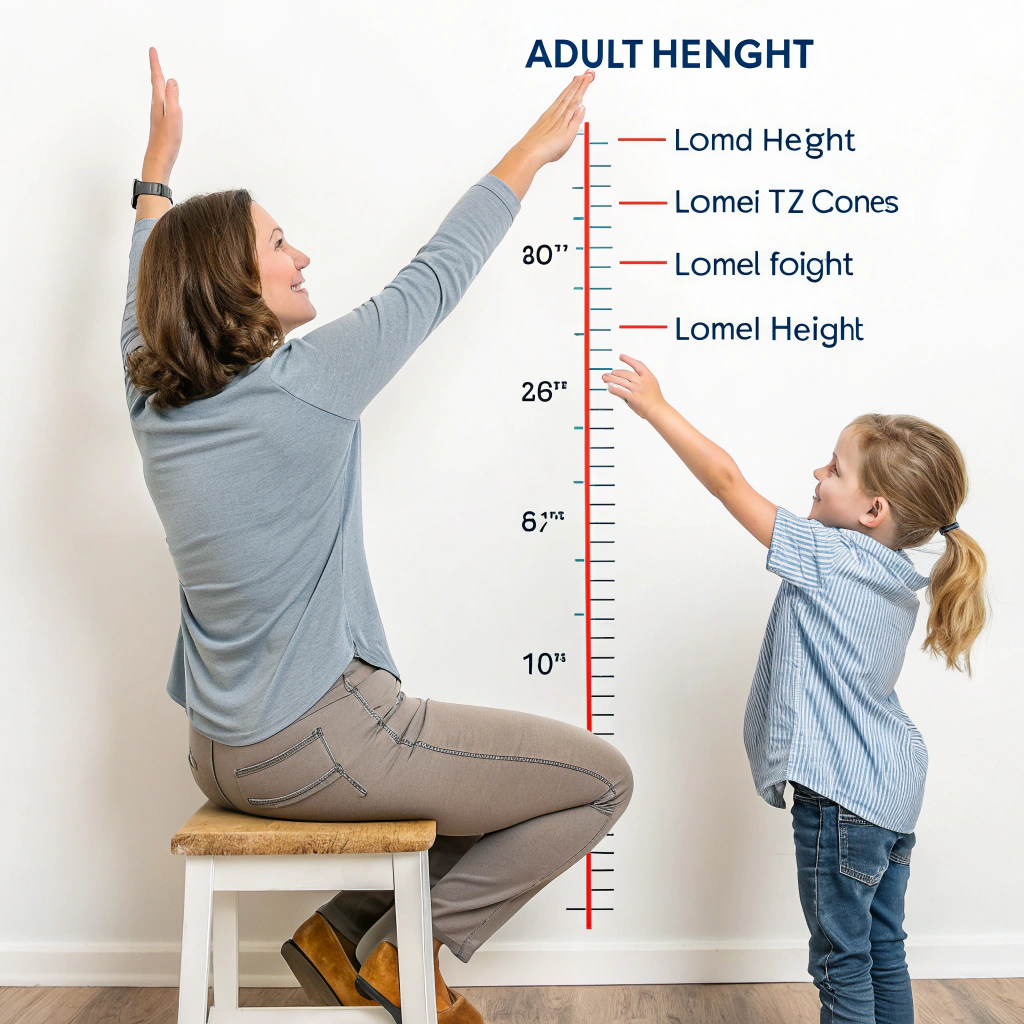
When designing a bathroom for children, safety and independence matter most. A holder placed too high forces children to stand or twist, which increases the risk of slipping. A lower height allows them to stay seated and stable.
Understanding children’s reach and movement
Children have shorter arms and less balance control. Their seated elbow height is much lower than that of adults. A holder placed at adult height may be unreachable without standing.
Lower placement helps children learn good bathroom habits. It supports independence and reduces the need for adult assistance.
Shared bathrooms need flexible thinking
Many homes have shared bathrooms used by both adults and children. In these cases, a single fixed height may not work for everyone.
There are a few practical options:
- Install a second holder at a lower height
- Use a freestanding holder that can be moved
- Choose a vertical holder with easier downward pull
Each option has benefits. The best choice depends on space and family needs.
Schools and childcare facilities
In public or shared child spaces, lower heights are not optional. They are part of basic usability. Many design standards for schools recommend fixtures scaled to child size.
Here is a simple comparison table:
| User Type | Recommended Height |
|---|---|
| Toddlers | 16–18 inches |
| Young children | 18–22 inches |
| Adults | 26–30 inches |
| Shared use | Dual or adjustable |
Teaching comfort and safety early
A bathroom that fits a child’s body teaches confidence. Children feel more comfortable when they do not need to climb or stretch. Over time, this reduces accidents and frustration.
While children grow quickly, early comfort still matters. Small changes in fixture height can improve daily routines in a meaningful way.
How does toilet height affect holder placement?
Toilet height has changed over the years. Older toilets are lower, while newer comfort-height models sit higher. This difference affects how the body sits and moves, which directly impacts holder placement.
The taller the toilet, the higher the toilet paper holder should be placed to maintain a natural arm reach while seated.
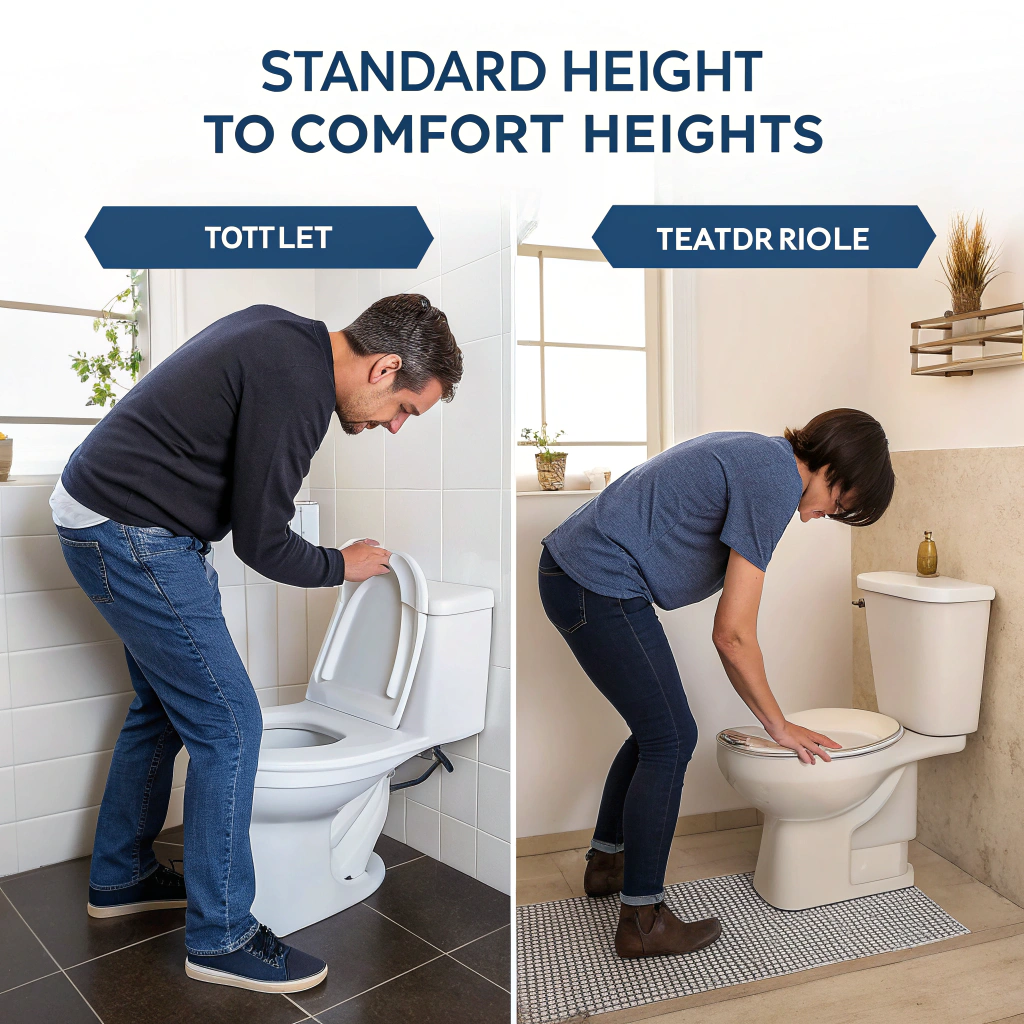
When toilet height increases, seated elbow height also increases. If the holder remains at a fixed low position, the user must bend downward more than necessary. This breaks natural movement and reduces comfort.
Standard toilets vs comfort-height toilets
Standard toilets usually have a seat height of about 15 inches. Comfort-height toilets are closer to 17 to 19 inches. That difference may seem small, but it changes body posture.
With a higher seat, the thighs angle differently, and the torso sits more upright. The arm rests higher, and the ideal reach point shifts upward explaining why the holder height should adjust.
Matching holder height to toilet height
A simple approach is to measure from the toilet seat rather than the floor. Placing the holder about 8 to 10 inches above the seat works well across different toilet types.
This method adapts automatically to toilet height changes and keeps reach consistent.
Problems caused by ignoring toilet height
When toilet height is ignored, users feel strain without knowing why. Over time, this discomfort becomes noticeable, especially for older users or those with joint issues.
Common issues include:
- Shoulder lift when reaching
- Wrist bending at odd angles
- Leaning forward and losing balance
These problems are avoidable with proper planning.
Renovation and replacement considerations
Many bathrooms get a new toilet but keep old accessory placement. This creates mismatches. During renovations, holder placement should always be reviewed after selecting the toilet model.
I have seen bathrooms where a new comfort-height toilet made the old holder feel oddly low. Fixing this later requires patching walls and repainting. Planning ahead avoids this work.
Toilet height and holder height are connected. Treating them as a pair leads to better results.
Are there ADA guidelines for toilet paper holder height?
Accessibility matters in both public and private spaces. People with limited mobility rely on precise fixture placement. That is why clear guidelines exist for toilet paper holder height.
ADA guidelines recommend placing the toilet paper holder between 19 and 36 inches from the floor, with the roll accessible from a seated position without reaching too far.
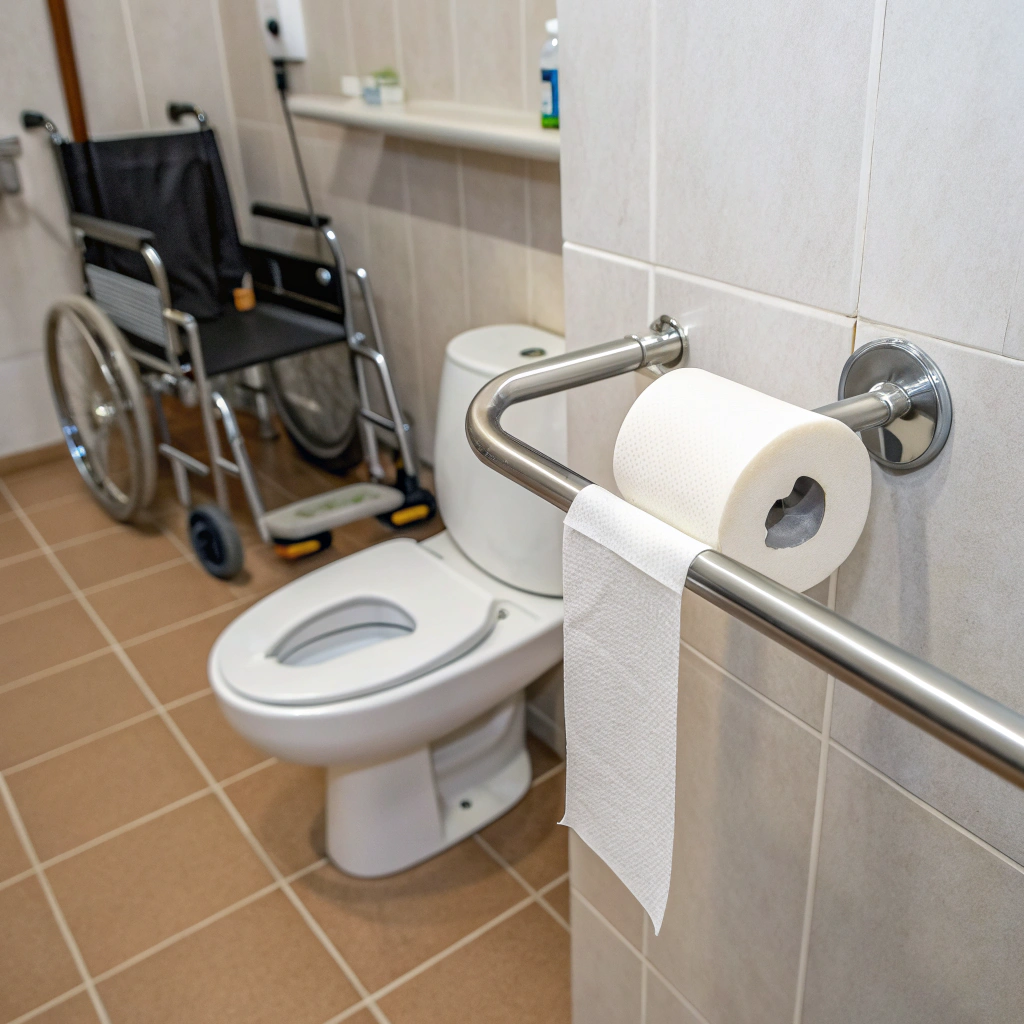
These guidelines aim to support wheelchair users and people with limited strength or range of motion. The focus is not only height but also reach distance and ease of use.
Key ADA placement principles
ADA guidelines emphasize side reach. The holder should be located on the side wall closest to the toilet, not behind it. This allows users to reach without twisting.
The roll should also allow paper to be pulled with one hand. Resistance should be minimal.
Why the ADA range is wider
The ADA range is broader than typical residential advice. This allows flexibility across different toilet heights and user needs. It also accounts for grab bars, which often share wall space.
In accessible bathrooms, placement must work together with other fixtures. Height choices should never block grab bar access.
ADA vs residential comfort
Residential bathrooms often prioritize aesthetics. ADA design prioritizes function. While the two can overlap, ADA placement may feel slightly different from standard home placement.
Here is a comparison table:
| Design Type | Height Range | Main Focus |
|---|---|---|
| Residential | 26–30 inches | Daily comfort |
| Child-friendly | 18–22 inches | Easy reach |
| ADA compliant | 19–36 inches | Accessibility |
Applying ADA ideas at home
Even if ADA compliance is not required, these guidelines are useful. Homes with aging users or guests benefit from accessible design. Planning for future needs adds long-term value.
I often suggest borrowing ADA principles even in private homes. They reduce strain and increase usability without hurting style.
Accessibility is not just about rules. It is about respecting different bodies and needs. A well-placed toilet paper holder supports that goal quietly and effectively.
Conclusion
The right toilet paper holder height improves comfort, safety, and daily ease. By considering user height, toilet height, and accessibility needs, this small detail becomes a smart design choice that supports better bathroom use.