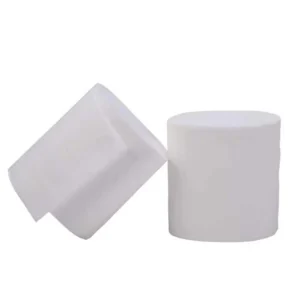
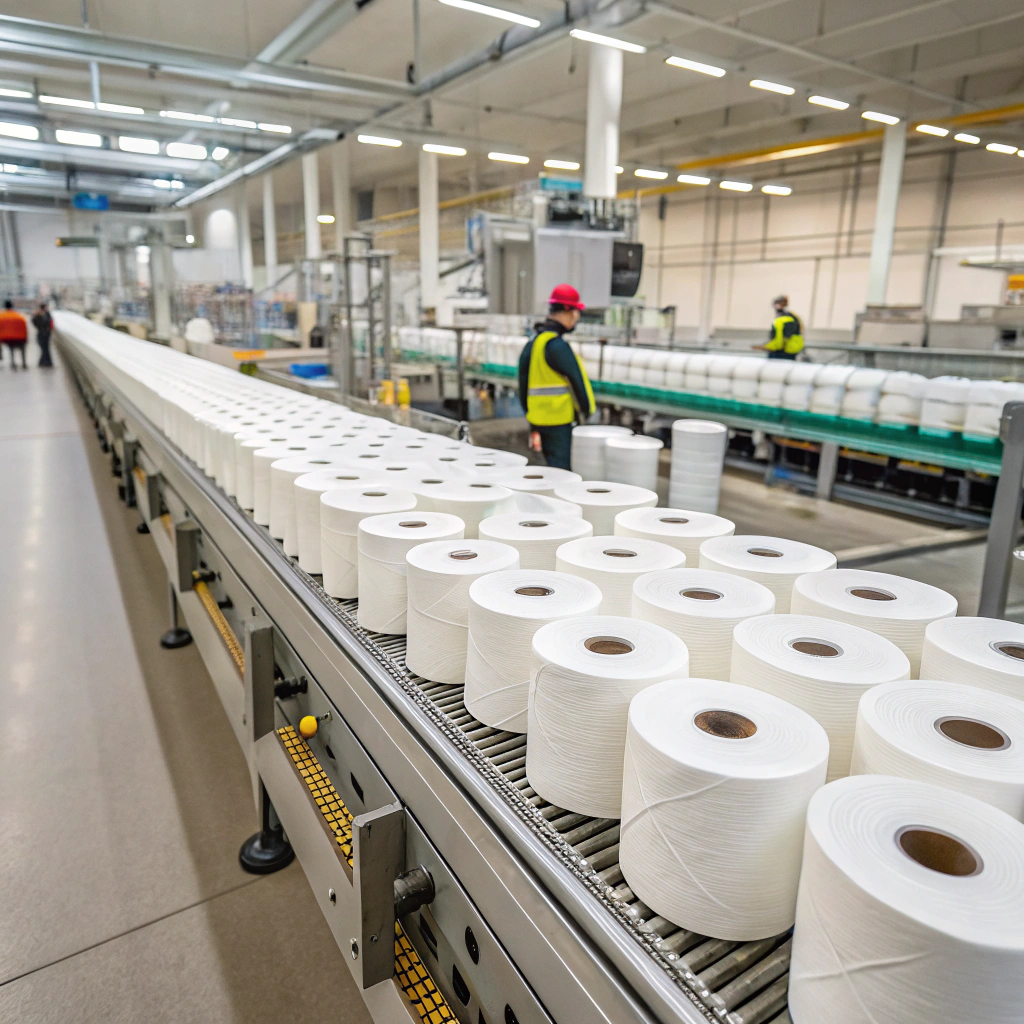
Toilet paper looks simple, but its origin often stays hidden. Many buyers do not know where it comes from or why supply and quality change so much.
Toilet paper is made in many countries around the world, mostly close to pulp sources and large consumer markets. China, the United States, and parts of Europe lead global production, while many regions rely on imports for stable supply.
Most people never ask this question until prices rise, shelves go empty, or quality drops. At that point, understanding where toilet paper is made becomes a real business issue, not a small detail.
Which countries produce the most toilet paper?
Many buyers assume toilet paper comes from one or two countries. That idea is wrong. Production is spread across regions, but volume is not equal.
China, the United States, and Western Europe produce the largest share of toilet paper globally, driven by strong manufacturing bases, access to pulp, and advanced machines.
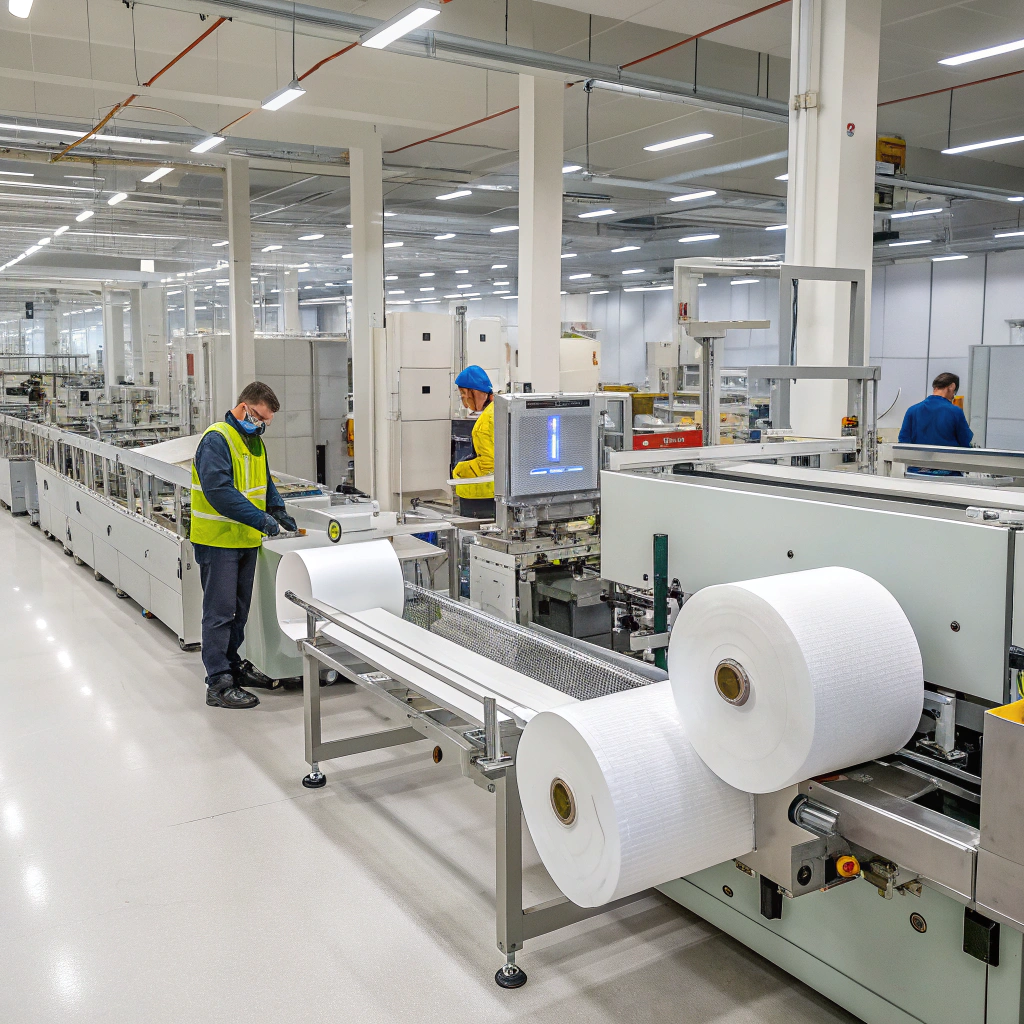
To understand this clearly, it helps to look at the industry from three angles: raw materials, machines, and demand.
Global leaders by production volume
Some countries dominate because they combine forests, capital, and scale.
| Country | Main Advantage | Production Focus |
|---|---|---|
| China | Massive factories, low unit cost | Export + domestic |
| United States | High automation, stable quality | Domestic market |
| Germany | Precision machines, strict standards | Premium tissue |
| Brazil | Strong pulp resources | Regional supply |
| Indonesia | Fast-growing capacity | Export markets |
China leads because factories are large and flexible. Lines can switch between toilet paper, jumbo rolls, and kitchen towels. This matters for importers who want one supplier for many SKUs.
The United States focuses more on domestic use. Transport cost inside the country is lower than shipping overseas. Most U.S. mills serve local brands and retailers.
Europe produces less volume but keeps high standards. Buyers there care more about softness, safety, and paper dust control.
Why Africa imports more than it produces
Many African countries consume large volumes of toilet paper but produce little locally. There are three main reasons.
First, pulp supply is limited. Second, machines are expensive. Third, power and water costs are unstable in some regions.
Because of this, importers in Nigeria, Ghana, Kenya, and Senegal rely on overseas factories. They focus on container loading, roll size, and price per sheet, not brand name.
In real trade, the country of origin matters less than consistency. Buyers want stable quality, fast lead time, and full container efficiency.
Are there eco-friendly toilet paper manufacturers?
Sustainability is no longer a marketing word. For many buyers, it is now a rule from governments or retailers.
Yes, many manufacturers now produce eco-friendly toilet paper using recycled paper, bamboo pulp, and low-chemical processes, mainly in China, Europe, and Southeast Asia.
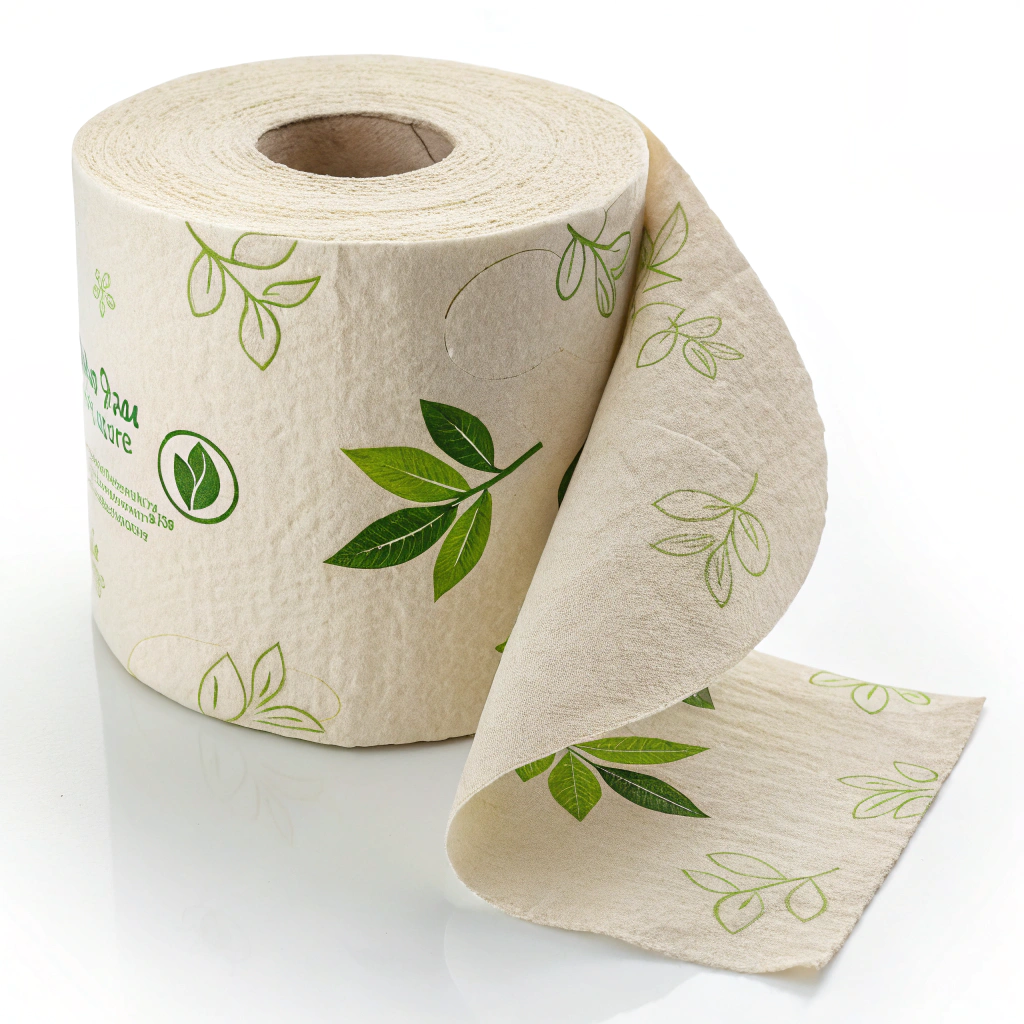
Eco-friendly does not mean one thing. It covers materials, energy use, and waste control.
Common eco-friendly materials
Factories usually follow three main paths.
| Material | Source | Key Benefit |
|---|---|---|
| Recycled paper | Post-consumer waste | Lower forest use |
| Bamboo pulp | Fast-growing bamboo | Renewable resource |
| Mixed pulp | Wood + recycled | Balanced cost |
Bamboo pulp grows fast and needs less water. This makes it explainable to buyers and easy to promote. Recycled paper saves trees but needs strict cleaning steps to meet hygiene rules.
What buyers should watch for
Some suppliers claim eco-friendly status without proof. This creates risk for importers.
When checking a factory, buyers should look for:
- FSC or similar forest certifications
- Clear pulp source statements
- Stable paper strength despite lower weight
- Low dust and odor control
Eco paper should not tear easily or feel rough. If it does, the process is not mature.
In practice, many eco-friendly lines still cost more. However, bulk buyers can balance this by using larger rolls or lower ply counts.
Eco manufacturing is growing fast, but it still requires careful factory selection.
What materials are used in toilet paper production?
Most people think toilet paper is only made from trees. This is only partly true.
Toilet paper is made from virgin wood pulp, recycled paper, bamboo pulp, or blended fibers, depending on cost, market rules, and quality goals.
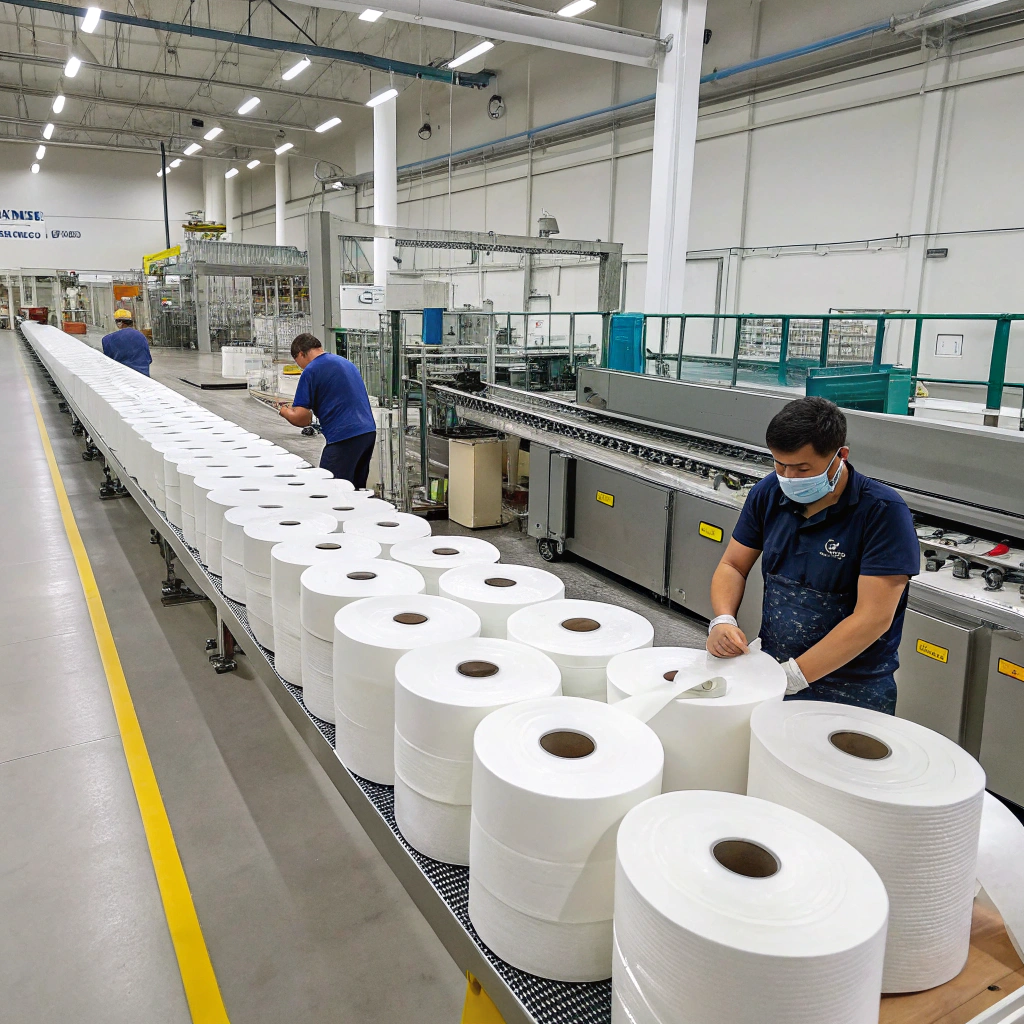
Material choice decides softness, strength, and price.
Main material types explained
Virgin wood pulp comes from trees like pine or eucalyptus. It gives soft texture and good absorbency. It is common in premium tissue.
Recycled paper uses old cartons, books, or office waste. It reduces cost but needs strong cleaning systems.
Bamboo pulp sits between the two. It offers strength and sustainability but requires special processing.
How material affects final use
Different markets prefer different materials.
| Market | Preferred Material | Reason |
|---|---|---|
| Supermarkets | Mixed pulp | Cost control |
| Hotels | Virgin pulp | Softness |
| Public toilets | Recycled pulp | Low cost |
| Eco brands | Bamboo pulp | Green image |
Material choice also affects machine speed. Recycled pulp runs slower. Virgin pulp allows higher output.
This is why some factories offer many grades under one line. They adjust pulp mix instead of changing machines.
For buyers, the key is not material alone. It is how the factory controls pulp ratio and paper weight.
Is toilet paper made locally or imported?
This is one of the most common questions from wholesalers and retailers.
In many regions, toilet paper is both locally made and imported, but imports dominate where factories are limited or costs are high.
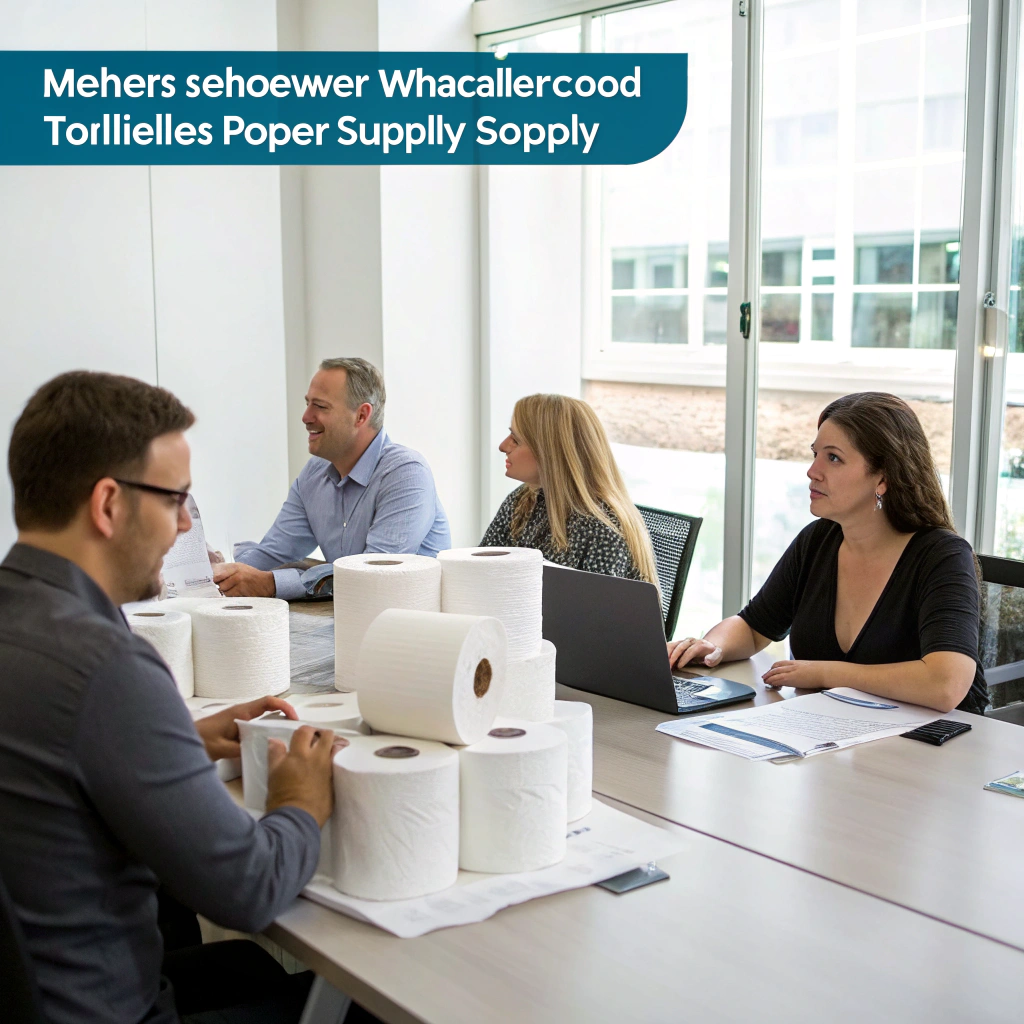
The answer depends on location, volume, and price sensitivity.
When local production makes sense
Local factories work well when demand is stable and raw materials are nearby. Transport cost is lower. Delivery is faster.
However, local factories often have fewer machines. They may struggle during peak seasons.
Why imports remain strong
Imported toilet paper offers three main advantages.
- Lower unit cost due to scale
- Better container loading options
- More product choices
For example, jumbo rolls, long meters, and custom packaging are easier to source overseas.
Importers often plan stock two or three months ahead. This reduces risk from shipping delays.
Cost comparison overview
| Source | Unit Cost | Lead Time | Flexibility |
|---|---|---|---|
| Local factory | Medium | Short | Low |
| Imported | Low | Longer | High |
In real trade, many buyers use both. They rely on imports for base volume and local supply for emergencies.
This mixed strategy helps control cash flow and shelf stability.
Conclusion
Toilet paper is made around the world, shaped by pulp supply, machines, and market needs. Understanding where it comes from helps buyers manage cost, quality, and risk in daily trade.