Skip to content
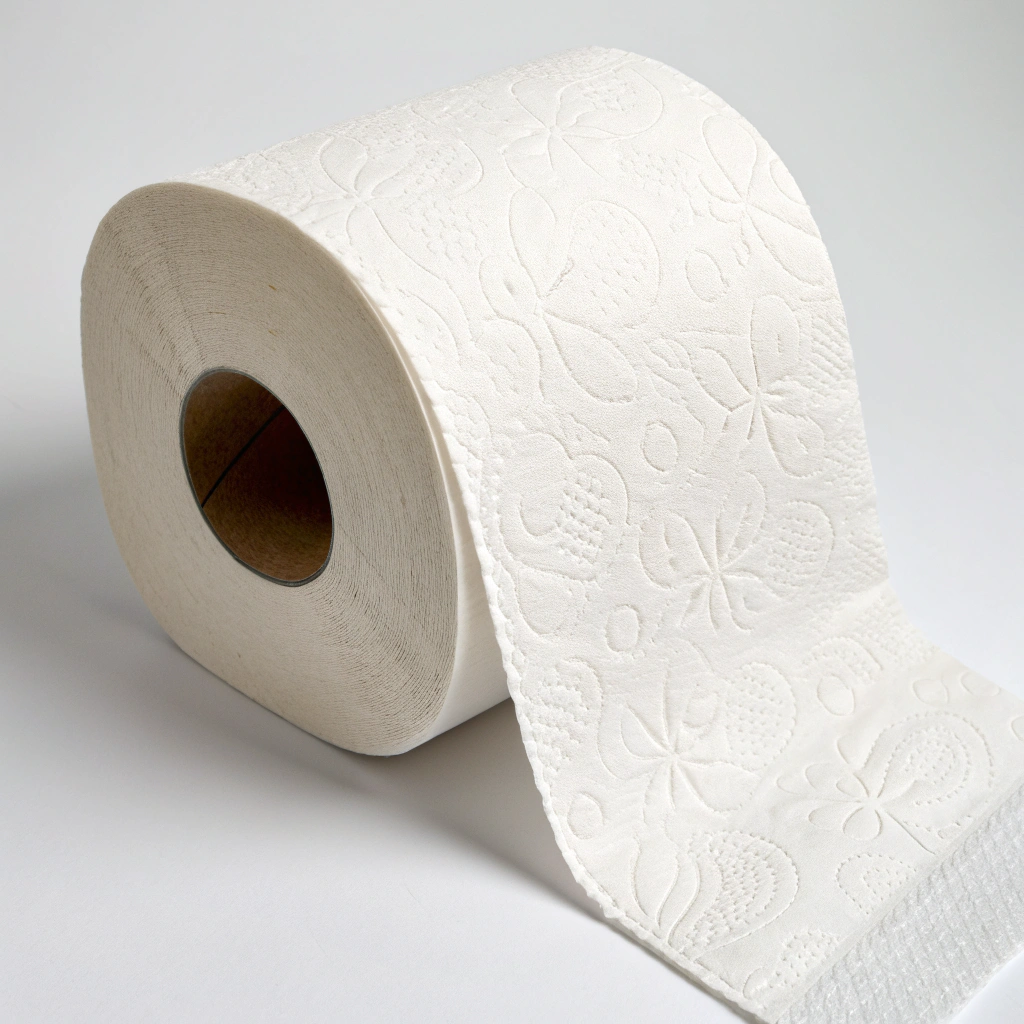
Most buyers think toilet paper is simple. Then they compare rolls, prices, and packs, and confusion starts. Roll length sounds basic, but it hides many details. If you buy for home, retail, or wholesale, this detail affects cost, storage, and usage more than expected.
The length of a toilet paper roll is the total paper length when fully unrolled, usually ranging from 15 to over 60 meters, depending on sheet count, sheet size, and paper type.
This topic matters because roll length changes value, transport cost, and user experience. Once you understand how length works, many buying decisions become easier.
How many sheets are in a typical toilet paper roll?
A typical toilet paper roll contains between 150 and 400 sheets, depending on whether it is single-ply, two-ply, or designed for home or commercial use.
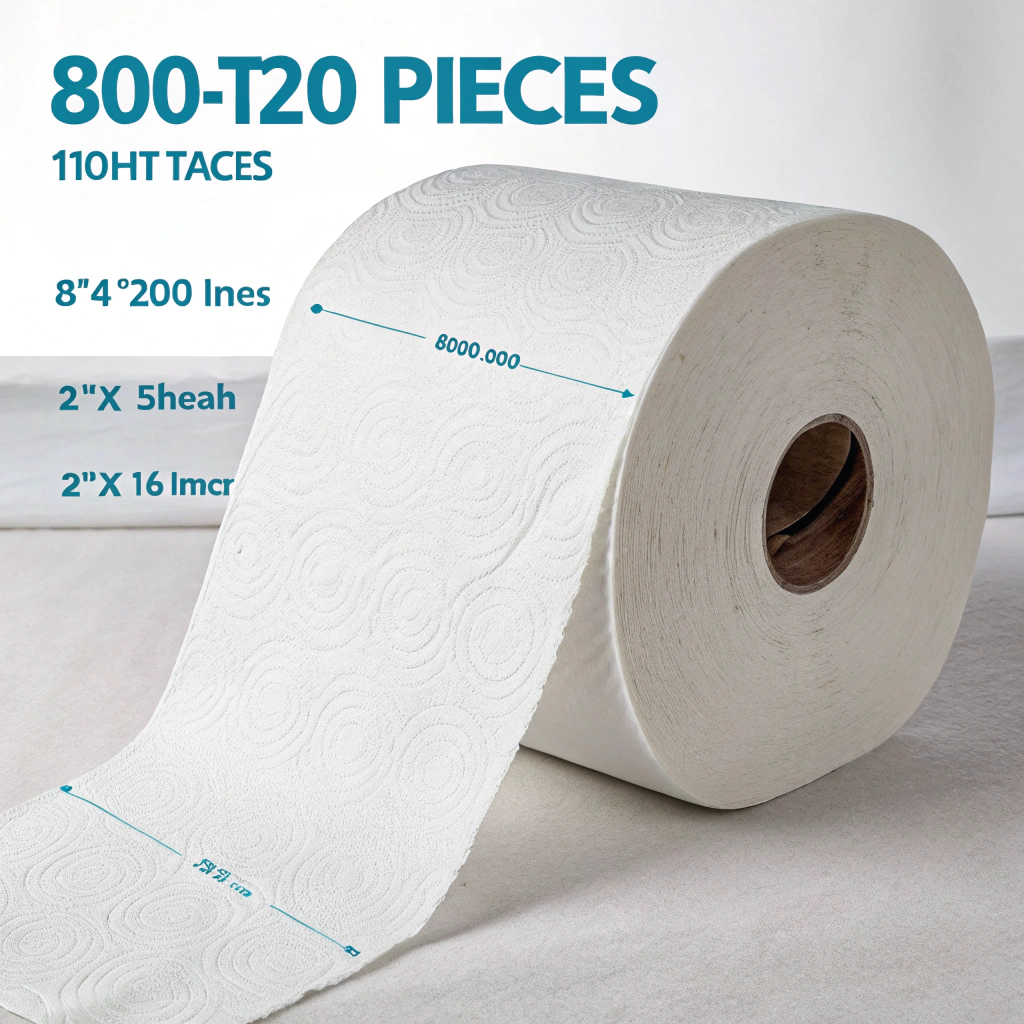
Sheet count is the first number most buyers see on packaging. It looks simple, but it hides several layers of meaning. I learned this early when comparing samples that looked the same size but emptied at very different speeds.
Common sheet counts by use type
For household use, most standard rolls fall into a narrow range. These rolls are designed for comfort, not maximum efficiency. Commercial rolls aim for fewer replacements and lower labor cost.
| Use type | Ply | Typical sheet count | Sheet size (cm) |
|---|---|---|---|
| Home standard | 2-ply | 180–250 | 9.5 × 11 |
| Home large roll | 2-ply | 300–400 | 9.5 × 11 |
| Economy home | 1-ply | 350–500 | 9.5 × 11 |
| Commercial standard | 1-ply | 400–600 | 9.0 × 10 |
| Jumbo roll | 1-ply | 800–1200 | 9.0 × 10 |
Sheet count alone does not tell you roll length. A roll with fewer sheets can still be longer if each sheet is longer. This is why sheet dimensions matter as much as quantity.
Why ply changes sheet numbers
Two-ply paper feels thicker and softer. Because of that, manufacturers reduce sheet count to keep roll diameter reasonable. One-ply paper is thinner, so more sheets fit on the same core.
This matters in real use. In public toilets, one-ply with higher sheet count often reduces clog risk. At home, two-ply gives comfort but may run out faster than expected.
Marketing effects on sheet numbers
Some brands highlight sheet count to look generous. Others highlight “mega” or “double” rolls. These labels often compare only to the brand’s own smaller rolls, not to market standards.
When reading packaging, sheet count must always be read together with sheet size and ply. Ignoring any one of these leads to wrong assumptions.
Does roll length differ by brand?
Yes, toilet paper roll length differs widely by brand because each brand uses different sheet sizes, ply structures, and target markets.
Brand differences are not small. In some cases, one brand’s roll can be twice as long as another’s, even when both are sold as “standard” rolls.
Brand positioning shapes roll length
Premium brands focus on softness and thickness. They use wider embossing and thicker layers. This reduces total length per roll.
Value brands focus on efficiency. They often reduce sheet width slightly or use tighter winding. This increases length without increasing roll size.
Private-label and OEM products vary the most. Length is adjusted to hit a target price, carton size, or container loading plan.
Typical brand-driven length ranges
Here is a simplified comparison based on common market patterns:
| Brand type | Sheet count | Approx. roll length |
|---|---|---|
| Premium retail | 180–220 | 18–22 meters |
| Mid-range retail | 220–300 | 22–30 meters |
| Economy retail | 300–400 | 30–40 meters |
| Commercial standard | 400–600 | 35–55 meters |
| Jumbo commercial | 800–1200 | 60–100 meters |
These ranges exist because brands optimize for different users. A hotel wants fewer roll changes. A home user wants comfort. A wholesaler wants container efficiency.
Hidden differences not shown on packs
Some brands compress paper more tightly. Others use looser winding to make rolls look bigger. The core size can also vary, which changes how much paper fits on a roll.
In some export markets, brands shorten sheet length by a few millimeters. The change is hard to notice but adds up across hundreds of sheets.
This is why two rolls that look identical can behave very differently in use.
Is longer toilet paper always better value?
Longer toilet paper is not always better value, because real value depends on ply, strength, absorbency, and how much paper users actually consume.
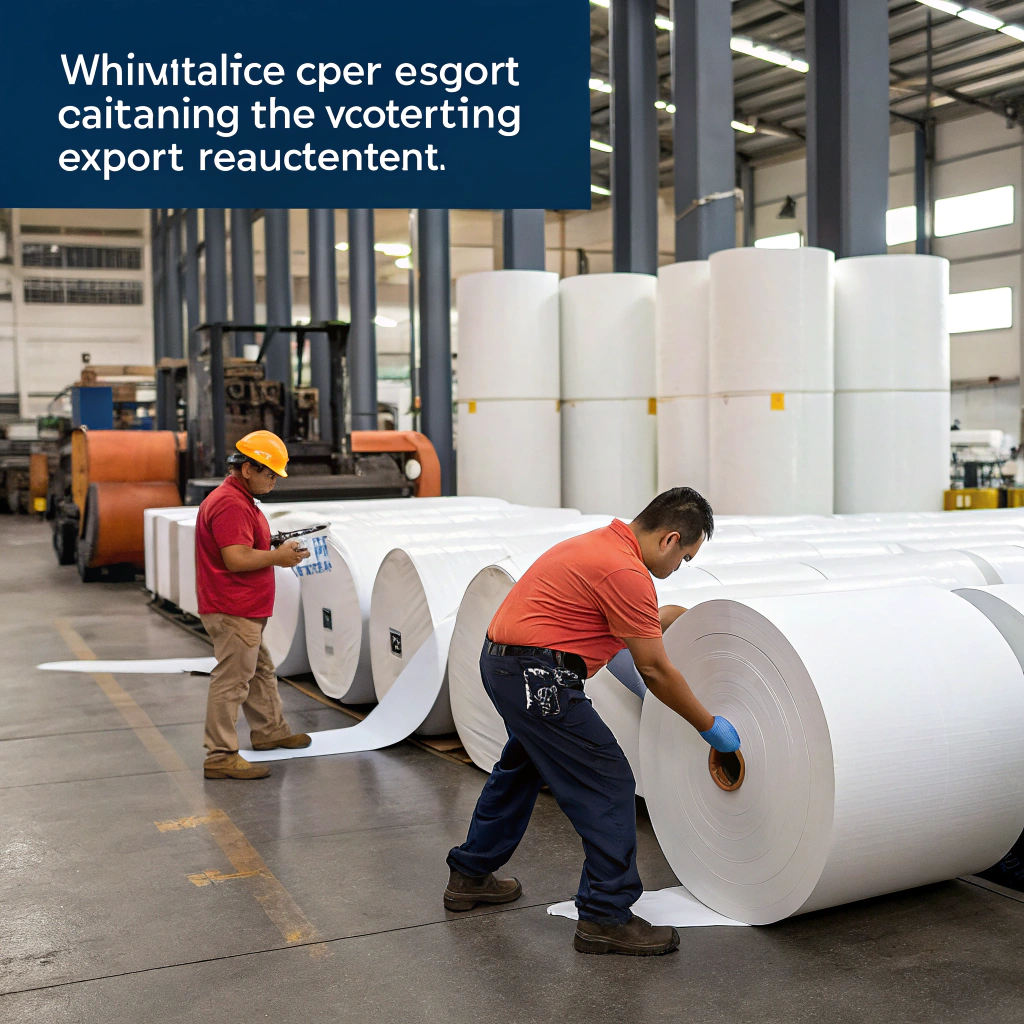
It is tempting to choose the longest roll. On paper, longer length means more usage per roll. In practice, behavior and paper quality change everything.
When longer rolls save money
Longer rolls work best in controlled environments. Offices, schools, airports, and malls benefit from fewer roll changes. Labor cost drops. Storage planning becomes easier.
One-ply long rolls also reduce clog risk. Users take more sheets, but each sheet breaks down faster in water.
In wholesale and export business, longer rolls improve container efficiency. More meters per roll mean fewer rolls per pallet and better freight cost per meter.
When longer rolls waste paper
At home, longer one-ply rolls can lead to overuse. Users pull more sheets to feel clean. This cancels out the length advantage.
Soft two-ply rolls, even if shorter, may need fewer sheets per use. This often balances total consumption over time.
There is also perception. If paper feels thin, users do not trust it. They use more.
Cost per meter is the real metric
The best way to judge value is price per meter, not price per roll. Many buyers skip this step because packaging rarely shows total length clearly.
Here is a simple comparison example:
| Product | Roll price | Roll length | Cost per meter |
|---|---|---|---|
| Roll A (2-ply) | $0.60 | 22 m | $0.027 |
| Roll B (1-ply) | $0.50 | 35 m | $0.014 |
| Roll C (soft 2-ply) | $0.75 | 25 m | $0.030 |
Even if Roll B is cheapest per meter, it may not feel best in use. The “better value” depends on context, not just numbers.
Personal use patterns matter
In families with children, softer paper reduces usage. In high-traffic toilets, durability matters more than comfort.
Value is never universal. It changes with user habits, plumbing, and environment.
How is toilet paper roll length measured?
Toilet paper roll length is measured by multiplying the number of sheets by the length of each sheet, then confirming by machine or manual testing.

Roll length measurement sounds simple, but accuracy requires strict process control. Small errors repeat across millions of rolls.
Basic length calculation method
The standard formula is direct:
Roll length = Sheet count × Sheet length
If a roll has 300 sheets and each sheet is 11 cm long, the total length is 33 meters.
This number assumes perfect cutting and no stretch or shrink during production.
Production measurement steps
In modern factories, length control happens in several stages:
- Paper is produced in large parent reels.
- Rewinding machines cut sheets at fixed intervals.
- Sensors count rotations and cuts.
- Random rolls are sampled and unrolled for verification.
If sheet length shifts by even 1 mm, total roll length changes by 0.3 meters in a 300-sheet roll.
Factors that affect accuracy
Humidity changes paper size. High moisture can stretch paper slightly. Dry air can cause shrinkage.
Paper tension during rewinding also matters. Tight winding compresses sheets more, but does not change true length. Loose winding makes rolls look bigger.
Blade wear can affect cut precision. This is why regular calibration is critical.
Why labeled length may differ from real use
Some labels round numbers. A roll listed as 30 meters may actually be 29.2 meters. This is often within allowed tolerance.
Different countries allow different measurement tolerances. Export products must match local standards.
For buyers, the safest approach is to request technical specs, not just retail packaging claims.
Conclusion
Toilet paper roll length depends on sheet count, sheet size, ply, and brand strategy. Longer rolls are not always better. Real value comes from matching length, quality, and use scenario. Understanding these details leads to smarter buying decisions.