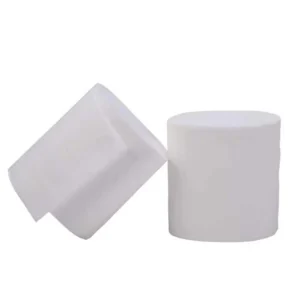
A clogged toilet often starts with one small mistake. Many people flush paper towels thinking they will break down like toilet paper, only to face costly plumbing problems later.
No, paper towels should not go down the toilet. Unlike toilet paper, paper towels are designed to stay strong when wet. They break down much more slowly and can cause blockages in pipes, sewer lines, and septic systems.
Many households, offices, hotels, and public facilities deal with plumbing issues caused by improper paper disposal. The confusion often comes from the fact that both products are made from paper. Yet their design, strength, and purpose are very different. Understanding these differences can help prevent expensive repairs and keep plumbing systems running smoothly.
Do Paper Towels Dissolve Like Toilet Paper?
Many people assume that all paper products dissolve in water. This belief creates a problem because paper towels and toilet paper are engineered for completely different purposes.
Paper towels do not dissolve like toilet paper. Toilet paper is specifically designed to break apart quickly after flushing, while paper towels are made to remain strong and absorbent even when soaked with water.
Why Toilet Paper Breaks Down Faster
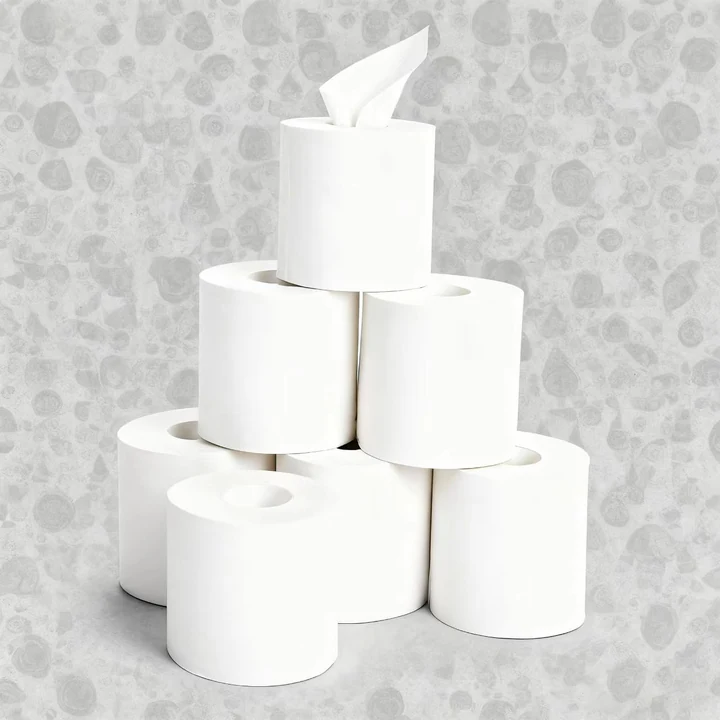
Toilet paper manufacturers design their products to disintegrate rapidly in water. The fibers separate easily when exposed to moisture and movement. This allows the paper to travel through plumbing systems without creating major blockages.
When toilet paper enters a toilet and moves through pipes, it starts losing its structure almost immediately. Within a short period, it turns into small fibers that continue flowing with wastewater.
Why Paper Towels Stay Intact
Paper towels serve a different purpose. They must remain durable while cleaning spills, drying hands, and wiping surfaces.
Manufacturers use stronger fiber bonding methods to create this durability. As a result, paper towels can absorb large amounts of liquid without falling apart.
This strength becomes a problem inside plumbing systems.
Comparison Between Paper Towels and Toilet Paper
| Feature | Toilet Paper | Paper Towels |
|---|---|---|
| Designed for flushing | Yes | No |
| Breaks down in water | Quickly | Very slowly |
| Wet strength | Low | High |
| Risk of pipe blockage | Low | High |
| Septic-safe design | Usually | Generally no |
A Simple Home Test
A quick experiment demonstrates the difference.
Place one sheet of toilet paper and one sheet of paper towel into separate glasses of water. Stir both glasses for a few seconds.
The toilet paper will usually begin breaking apart almost immediately. The paper towel often remains largely intact, even after vigorous stirring.
Why This Matters for Commercial Facilities
Large buildings such as hotels, shopping centers, restaurants, and office complexes process huge volumes of wastewater every day.
A single flushed paper towel may not immediately create a blockage. However, repeated flushing by many users can lead to significant buildup inside pipes. This issue becomes even more serious in facilities that serve hundreds or thousands of people daily.
For facility managers, educating users about proper disposal can save substantial maintenance costs and reduce downtime caused by plumbing failures.
What Happens If You Flush Paper Towels?
Flushing a paper towel may seem harmless at first. The toilet often flushes normally, creating the impression that the material has disappeared safely.
When paper towels are flushed, they can travel through part of the plumbing system but often remain intact. Over time, they may collect inside pipes, trap other debris, and create clogs that require professional removal.
The Journey Through the Plumbing System
After flushing, wastewater moves through several stages:
- Toilet trap
- Household drain pipes
- Main sewer line
- Municipal sewer system or septic tank
Toilet paper usually breaks apart before reaching the later stages. Paper towels often do not.
How Blockages Form
A paper towel can become lodged at:
- Pipe bends
- Narrow drain sections
- Older plumbing joints
- Areas with mineral buildup
- Tree root intrusion points
Once trapped, the paper towel acts like a net.
Hair, grease, food particles, wipes, and other debris begin collecting around it. The blockage gradually grows larger until water can no longer pass efficiently.
Warning Signs of a Developing Clog
Many plumbing issues develop slowly.
Common symptoms include:
- Slow toilet flushing
- Gurgling sounds
- Water backing up into fixtures
- Frequent plunging requirements
- Unpleasant sewer odors
Ignoring these signs often leads to larger and more expensive repairs.
Impact on Municipal Sewer Systems
The problem does not stop at individual buildings.
Wastewater treatment facilities regularly remove large quantities of materials that should never have been flushed. Paper towels contribute to equipment damage and increased maintenance requirements.
Cities spend millions each year clearing sewer blockages caused by improper flushing habits.
The Cost Factor
The financial consequences can vary significantly.
| Problem | Potential Result |
|---|---|
| Minor clog | Simple plunging |
| Pipe obstruction | Professional drain cleaning |
| Main sewer blockage | Major repair work |
| Sewage backup | Property damage |
| Septic failure | Costly system restoration |
Many property owners discover that preventing clogs is far cheaper than repairing them.
A Real-World Lesson
Several years ago, a facility manager shared a story about recurring restroom blockages in a commercial building. Maintenance teams repeatedly cleared the same pipes without identifying the root cause.
After a camera inspection, technicians found large masses of paper towels trapped inside the drainage system. Employees had been using paper towels instead of toilet paper and flushing them regularly.
Once proper disposal procedures were introduced, the plumbing issues decreased dramatically.
Are Paper Towels Safe for Septic Systems?
Many homeowners with septic systems pay close attention to what enters their plumbing. Even small mistakes can affect system performance.
Paper towels are generally not safe for septic systems. Their slow decomposition rate increases solid buildup inside the tank, which can reduce efficiency and raise maintenance costs.
How Septic Systems Work
A septic system relies on natural biological processes.
Wastewater enters the tank and separates into three layers:
- Scum layer on top
- Liquid layer in the middle
- Sludge layer at the bottom
Beneficial bacteria help break down organic waste. The treated liquid then flows to the drain field.
The Problem With Paper Towels
Paper towels resist decomposition.
Because of their stronger fiber structure, bacteria require much more time to break them down compared with toilet paper.
As a result, paper towels often accumulate within the sludge layer rather than decomposing efficiently.
Long-Term Effects
Over time, repeated flushing of paper towels can lead to:
- Faster sludge accumulation
- More frequent pumping requirements
- Reduced tank efficiency
- Increased risk of drain field problems
- Higher maintenance expenses
Septic-Friendly vs Non-Septic-Friendly Products
Many products appear similar but behave differently inside septic systems.
| Product | Septic Friendly |
|---|---|
| Standard toilet paper | Usually yes |
| Septic-safe toilet paper | Yes |
| Paper towels | No |
| Baby wipes | No |
| Disinfecting wipes | No |
| Facial tissues | Usually not recommended |
Why Businesses Should Pay Attention
Hotels, resorts, restaurants, schools, and remote facilities often operate private wastewater treatment systems.
In these environments, improper disposal habits can affect hundreds of users simultaneously.
For operators managing large properties, educating staff and guests about what should not be flushed is an important part of facility maintenance.
Environmental Considerations
Septic failures can create environmental challenges.
When systems become overloaded, untreated wastewater may contaminate nearby soil and groundwater. Proper disposal of paper products helps protect both infrastructure and local ecosystems.
The Better Alternative
Even if a paper towel seems small, placing it in a waste bin remains the safest choice.
This simple habit protects:
- Household plumbing
- Septic tanks
- Drain fields
- Municipal sewer systems
- Wastewater treatment facilities
In most cases, a trash bin provides the lowest-risk solution.
How to Dispose of Paper Towels Properly?
Many people know that paper towels should not be flushed. The next question becomes how to dispose of them correctly.
The best way to dispose of paper towels is to place them in a trash bin. Depending on contamination levels, some paper towels may be compostable, while heavily soiled towels should be discarded as general waste.
Basic Disposal Guidelines
The simplest rule is easy to remember:
If it is a paper towel, throw it in the trash rather than the toilet.
This approach eliminates the risk of plumbing blockages.
When Composting May Be Possible
Some paper towels can be composted under appropriate conditions.
Examples include towels used for:
- Water spills
- Hand drying
- Fruit and vegetable cleaning
These towels generally contain biodegradable materials that can break down naturally.
When Composting Is Not Recommended
Avoid composting paper towels contaminated with:
- Chemicals
- Disinfectants
- Oil
- Grease
- Paint
- Human waste
- Pet waste
These materials may introduce harmful substances into compost systems.
Disposal Methods by Usage Type
| Paper Towel Use | Recommended Disposal |
|---|---|
| Drying clean hands | Compost or trash |
| Cleaning water spills | Compost or trash |
| Kitchen grease cleanup | Trash |
| Bathroom cleaning | Trash |
| Disinfectant use | Trash |
| Human waste cleanup | Trash |
Best Practices for Businesses
Commercial facilities can reduce disposal problems by creating clear policies.
Install Visible Waste Bins
Restrooms should provide easily accessible bins near sinks and toilet areas.
When bins are convenient, people are less likely to flush inappropriate items.
Use Clear Signage
Simple signs can reduce maintenance issues significantly.
Examples include:
- "Do Not Flush Paper Towels"
- "Dispose of Paper Towels in Waste Bin"
- "Only Toilet Paper May Be Flushed"
Train Employees
Staff education helps prevent recurring problems.
Maintenance teams, janitorial staff, and facility managers should understand which products belong in toilets and which belong in waste containers.
Consider Product Selection
Organizations can also evaluate the paper products they purchase.
Factors to consider include:
- Absorbency
- Strength
- Environmental impact
- Disposal requirements
- User expectations
Choosing appropriate products for each application supports both hygiene and operational efficiency.
Building Better Habits
Most plumbing issues caused by paper towels result from simple misunderstandings rather than intentional misuse.
Small behavior changes can produce large benefits.
A few seconds spent placing a paper towel into a waste bin can prevent hours of repair work and significant maintenance expenses later.
Conclusion
Paper towels should never be flushed down the toilet. They do not dissolve like toilet paper, can cause serious plumbing blockages, and may create problems for septic systems. Proper disposal in a trash bin remains the safest and most reliable solution for homes, businesses, and public facilities.