Zum Inhalt springen

Buying toilet paper sounds simple. Yet many buyers become confused when suppliers use the word "unit" instead of "roll" or "carton." This small detail can lead to ordering mistakes, shipping problems, and unexpected costs.
A unit of toilet paper is a standard selling package that contains a specific number of toilet paper rolls. The exact number depends on the manufacturer, product type, packaging method, and customer requirements. In wholesale business, one unit often refers to one pack, one carton, or another predefined quantity.
Understanding toilet paper units helps buyers compare prices, estimate shipping space, and place accurate orders. It also makes communication with suppliers much easier, especially when sourcing products from overseas manufacturers.
How Many Rolls Are In A Toilet Paper Unit?
A supplier may say one unit contains 4 rolls, 10 rolls, 48 rolls, or even more. Without asking for details, it is easy to misunderstand the order and receive the wrong quantity.
There is no universal number of rolls in one toilet paper unit. A unit simply means one standard package defined by the manufacturer or buyer. It may contain a few rolls for retail or dozens of rolls for wholesale distribution.

When people first enter the paper products business, they often expect every factory to use the same packaging standard. That is not how the industry works. Every manufacturer designs packaging based on market demand, transportation cost, and customer preference.
Common Unit Sizes
Retail stores usually sell smaller units because they are made for families. Wholesale customers often buy much larger units because they focus on shipping efficiency and lower packaging costs.
| Marktart | Typical Rolls Per Unit | Common Use |
|---|---|---|
| Retail | 4–12 rolls | Supermarkets and convenience stores |
| Club Store | 24–48 rolls | Warehouse clubs and family shopping |
| Wholesale | 48–96 rolls | Distributors and wholesalers |
| Gewerbe | Varies | Hotels, offices, and public facilities |
Why Packaging Differs
Several factors affect how many rolls are placed inside one unit.
Product Size
Large premium rolls take more space than standard household rolls. As a result, fewer rolls fit inside one carton.
Rollendurchmesser
Two products may both contain 48 rolls, but one carton can be much larger because each roll has a bigger diameter.
Papierstärke
Three-ply tissue creates larger rolls than two-ply tissue. This changes both carton size and shipping volume.
Customer Requirements
OEM buyers often request custom packaging. A supermarket chain may prefer 10-roll packs, while an importer may ask for 48-roll cartons with private labels.
This flexibility helps wholesalers create products that fit local markets instead of accepting fixed packaging.
Many experienced buyers always ask suppliers for a packing list before placing an order. The packing list clearly shows rolls per pack, packs per carton, carton size, and loading quantity. This information prevents confusion and makes shipping planning much easier.
Another important point is that larger units usually reduce packaging costs. Fewer plastic bags and cartons mean lower material costs. They also improve container loading efficiency because workers can stack cartons more effectively.
For international buyers, understanding unit size is just as important as understanding product quality. A low product price does not always mean lower total cost. If the packaging wastes container space, transportation costs may become much higher.
How Is Toilet Paper Sold By Units?
Many new buyers focus only on roll price. However, manufacturers usually sell toilet paper through different unit systems instead of individual rolls.
Toilet paper is commonly sold by packs, cartons, pallets, or containers. Each unit represents a fixed quantity that makes storage, transportation, pricing, and inventory management easier for both suppliers and buyers.

The toilet paper industry serves many different customers. Families buy small packs. Supermarkets buy cartons. Importers purchase full containers. Because every customer has different needs, suppliers offer several selling units.
Retail Units
Retail units are designed for consumers.
These usually include:
- 4-roll packs
- 6-roll packs
- 8-roll packs
- 10-roll packs
- 12-roll packs
Retail packaging often includes colorful printing and brand information because appearance influences customer decisions.
Wholesale Units
Wholesale customers care more about efficiency than appearance.
Large cartons reduce labor and simplify warehouse operations.
Common wholesale packaging includes:
- 48 rolls per carton
- 60 rolls per carton
- 72 rolls per carton
- 96 rolls per carton
Many wholesalers later divide these cartons into smaller retail packs after import.
Pallet Units
Some buyers order by pallet instead of carton.
A pallet may contain dozens of cartons depending on carton size and pallet dimensions.
Buying by pallet makes warehouse handling much faster because forklifts can move large quantities at once.
Container Units
International trade often uses containers as the largest selling unit.
A supplier may quote prices based on:
- 20-foot container
- 40-foot container
- 40-foot high cube container
Container loading is very important because shipping costs continue to increase around the world.
Unit Comparison
| Selling Unit | Best For | Main Advantage |
|---|---|---|
| Pack | Retail stores | Easy consumer purchase |
| Carton | Wholesalers | Simple storage and shipping |
| Pallet | Distribution centers | Fast warehouse handling |
| Container | International importers | Lowest shipping cost per roll |
Different countries also have different buying habits. Some African markets prefer large commercial packaging because local distributors separate products later. Many European retailers request attractive branded retail packs that can go directly onto store shelves.
A good supplier usually offers flexible packaging instead of forcing buyers to accept one standard unit. This flexibility becomes especially valuable for private label business. Buyers can design packaging that matches their own market instead of copying competitors.
The selling unit also affects customs documentation, warehouse inventory, and transportation planning. Clear unit definitions reduce mistakes throughout the supply chain.
Why Do Buyers Need Toilet Paper Units?
Without standard units, buying toilet paper becomes difficult. Buyers cannot compare quotations accurately or calculate shipping costs correctly.
Toilet paper units help buyers manage purchasing, compare supplier prices, estimate transportation costs, control inventory, and improve communication throughout the supply chain.

Every purchasing decision involves much more than product quality. Quantity, packaging, transportation, storage, and inventory all affect total business cost.
Easier Price Comparison
Imagine two suppliers.
Supplier A offers:
- $0.28 per roll
Supplier B offers:
- $12 per unit
Without knowing how many rolls are inside the unit, the prices cannot be compared.
Clear unit definitions eliminate this problem.
Better Shipping Planning
International buyers usually pay thousands of dollars for ocean freight.
Container space has real value.
Knowing unit dimensions allows buyers to estimate:
- Number of cartons
- Number of rolls
- Shipping cost per roll
- Warehouse space
This information helps improve profit margins.
Inventory Management
Warehouse managers rarely count individual rolls.
Instead, they count cartons or pallets.
Standard units simplify inventory records and reduce counting errors.
For example, instead of counting 48,000 rolls, workers may count only 1,000 cartons.
This saves time every month.
Easier Communication
Different countries often use different measurement habits.
Some buyers talk about cartons.
Others mention packs.
Some only discuss rolls.
When both supplier and buyer define the unit clearly, misunderstandings almost disappear.
Better Cost Control
Many hidden costs depend on packaging.
These include:
Packaging Material
More plastic bags increase production cost.
Labor
Smaller retail packs require more workers.
Loading Time
Large cartons usually load faster.
Warehouse Cost
Large units often reduce storage handling.
Understanding these costs allows buyers to negotiate more effectively.
One lesson many experienced importers learn is that the cheapest quotation does not always produce the lowest total cost. A slightly higher product price with better packaging may reduce freight expenses enough to save money overall.
Professional buyers usually request complete packing specifications before confirming production. This habit avoids expensive surprises after the goods arrive at the destination port.
As businesses grow, purchasing decisions become more data-driven. Standard units provide the foundation for accurate planning, budgeting, forecasting, and long-term supplier relationships.
How To Calculate Toilet Paper Quantity?
Estimating toilet paper quantity becomes much easier once the unit size is known. Accurate calculations help buyers avoid shortages, overstock, and shipping waste.
Calculate toilet paper quantity by multiplying the number of units by the number of rolls in each unit. For international orders, also consider carton size, pallet quantity, container capacity, and expected sales volume.
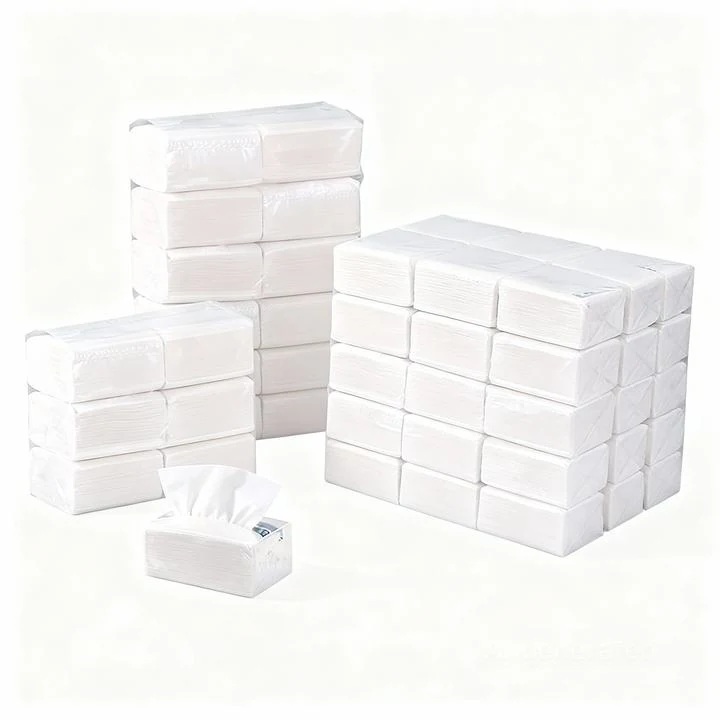
Many purchasing mistakes happen because buyers focus only on total roll numbers. A complete calculation includes several additional factors.
Step 1: Identify Rolls Per Unit
First, confirm the supplier's packaging.
Example:
- 48 rolls per carton
This becomes the basic unit.
Step 2: Count Total Units
Suppose the buyer orders:
- 500 cartons
The total rolls become:
48 × 500 = 24,000 rolls.
Step 3: Calculate Container Capacity
Next, estimate loading quantity.
Example:
- 900 cartons fit inside one container.
Total rolls:
48 × 900 = 43,200 rolls.
This helps calculate shipping cost per roll.
Step 4: Estimate Sales Period
Suppose monthly sales equal:
- 12,000 rolls
Inventory:
24,000 rolls
Expected stock duration:
24,000 ÷ 12,000 = 2 months.
This prevents unnecessary warehouse costs.
Step 5: Consider Safety Stock
Unexpected demand happens.
Many businesses keep extra inventory for emergencies.
A safety stock protects against:
- Shipping delays
- Seasonal demand
- Supplier production delays
- Port congestion
Simple Calculation Example
Suppose one carton contains:
- 48 rolls
Order quantity:
- 1,000 cartons
Total rolls:
48,000 rolls.
If each roll sells for $0.50:
Expected sales revenue:
48,000 × $0.50 = $24,000.
This basic calculation supports purchasing decisions, cash flow planning, and inventory management.
Professional buyers usually combine quantity calculations with container loading reports. They compare product dimensions, pallet layouts, and freight costs before finalizing an order.
Modern suppliers often provide loading simulations that show exactly how many cartons fit into each container type. These reports help buyers maximize shipping efficiency and reduce transportation cost per roll.
The more accurately quantity is calculated before production begins, the fewer problems appear later during shipping, customs clearance, warehousing, and retail distribution. Good planning always saves both time and money.
Fazit
A unit of toilet paper is simply a standard package defined by the supplier or buyer. Once the unit size is clear, it becomes much easier to compare prices, calculate quantities, manage inventory, and plan international shipments with confidence.