Skip to content
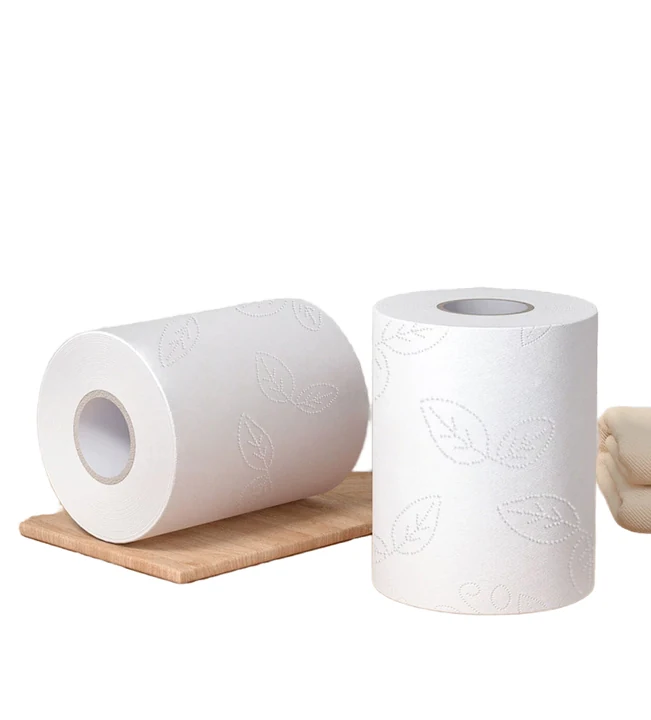
Many RV owners worry about clogged tanks, bad odors, and costly repairs. A simple choice like toilet paper can create problems if the wrong product goes into the system.
Yes, RVs usually work best with toilet paper that dissolves quickly in water. RV toilet paper is made to break down faster than many household brands, which helps reduce the risk of clogs in holding tanks, pipes, and dump systems.
Many people assume all toilet paper behaves the same way once it is flushed. That idea often leads to confusion when buying supplies for an RV. The truth is that RV plumbing systems are very different from residential plumbing. Understanding how RV toilet paper works can help prevent maintenance issues, save money, and keep travel experiences stress-free.
What Makes RV Toilet Paper Different From Standard?
Many RV owners see special RV toilet paper on store shelves and wonder if it is simply a marketing trick. The packaging often looks similar to regular toilet paper, which makes the difference difficult to see.
RV toilet paper is designed to dissolve much faster in water than many standard household toilet papers. This quick breakdown helps prevent waste buildup inside RV holding tanks and narrow plumbing systems.

The main difference between RV toilet paper and regular toilet paper is how quickly the paper breaks apart after flushing. A typical home toilet uses a large amount of water and connects to a municipal sewer system or septic system. An RV does not have that advantage.
How RV Plumbing Systems Work
An RV toilet usually sends waste directly into a holding tank. The plumbing route is shorter than what most homes use. Because the tank stores waste until it is emptied, materials that do not break down easily can collect over time.
When paper remains intact for too long, it can mix with waste and create blockages. These blockages may affect tank sensors, drainage, and even odors inside the RV.
Breakdown Speed Matters
Manufacturers create RV toilet paper with fibers that separate quickly after contact with water. This helps the paper disperse throughout the holding tank instead of forming large clumps.
The following table highlights some common differences:
| Feature | RV Toilet Paper | Standard Toilet Paper |
|---|---|---|
| Dissolving Speed | Very fast | Varies by brand |
| Tank Friendly | Yes | Sometimes |
| Risk of Clogs | Lower | Higher |
| Thickness | Usually thinner | Often thicker |
| Septic Safe Rating | Common | Depends on product |
Softness Versus Performance
Many household toilet papers focus on softness and strength. Premium products often use multiple layers and stronger fibers. These features feel comfortable but may slow down the breakdown process.
RV paper often balances comfort and dissolvability. Some users notice that it feels slightly thinner. That tradeoff exists because quick dissolution is more important than long-term durability inside the holding tank.
Why Manufacturers Recommend It
Most RV manufacturers recommend using rapidly dissolving toilet paper because it lowers maintenance risks. Tank cleaning becomes easier, sensors stay cleaner, and waste dumping is often more efficient.
During conversations with RV travelers, a common pattern appears. Owners who consistently use fast-dissolving paper report fewer plumbing issues. Those who use thick luxury paper sometimes experience buildup that requires extra cleaning or chemical treatments.
For that reason, RV toilet paper is not simply a different label on the same product. Its design serves a specific purpose. The goal is to keep waste moving smoothly through a compact plumbing system where every flush matters.
Can Regular Toilet Paper Damage RV Plumbing?
Many RV users already have household toilet paper at home. It seems convenient to bring those rolls on a trip rather than buy a separate product. This raises an important question about potential damage.
Regular toilet paper does not always damage RV plumbing, but some brands dissolve slowly and can increase the risk of tank buildup, clogs, inaccurate tank readings, and difficult waste removal.

The answer depends largely on the specific toilet paper being used. Not all household toilet paper behaves the same way.
Some Regular Toilet Paper Works Fine
Many modern toilet paper products are labeled as septic-safe. These products often dissolve reasonably well and may perform adequately in RV systems.
Some RV owners conduct a simple jar test. They place a few sheets of toilet paper in a container filled with water and shake it for several seconds. If the paper breaks apart quickly, it is usually considered more RV-friendly.
Problems Caused by Slow-Dissolving Paper
Thicker toilet paper products can create several challenges.
Tank Buildup
Paper that stays intact may collect inside the black water tank. Over time, these deposits become difficult to remove.
Sensor Problems
Most RV holding tanks use sensors to estimate waste levels. Paper buildup can stick to sensors and cause false readings.
Drainage Issues
Waste and paper may combine into larger masses. These masses can slow drainage during tank dumping.
Common Risk Factors
The risk of problems increases when several conditions exist at the same time:
| Condition | Effect on RV System |
|---|---|
| Thick multi-ply paper | Slower breakdown |
| Low water usage | Less movement in tank |
| Infrequent tank dumping | More buildup |
| Poor tank maintenance | Higher clog risk |
| Hot weather storage | Stronger odors |
Water Usage Is Also Important
Toilet paper is only part of the equation. Water plays a major role in keeping waste moving.
Many new RV owners try to conserve water aggressively. While water conservation is important, too little water can create solid waste buildup inside the tank. Even fast-dissolving paper works better when enough water accompanies each flush.
Real-World Experience
Many experienced RV travelers successfully use selected household toilet paper brands without major problems. The key is choosing products that break down quickly and maintaining proper tank care.
Still, RV-specific paper provides an extra margin of safety. For people who travel frequently, store waste for extended periods, or want the lowest maintenance risk, RV toilet paper often remains the safer choice.
The important point is that regular toilet paper is not automatically harmful. The actual concern is whether the paper dissolves quickly enough for the conditions inside an RV holding tank.
Are There Quick-Dissolving Brands for RV Use?
Choosing among dozens of toilet paper brands can feel overwhelming. Packaging often contains claims about softness, strength, and septic safety, but those claims do not always explain RV performance.
Yes, many brands produce quick-dissolving toilet paper specifically for RVs. Several septic-safe household brands also break down rapidly and are commonly used by experienced RV owners.
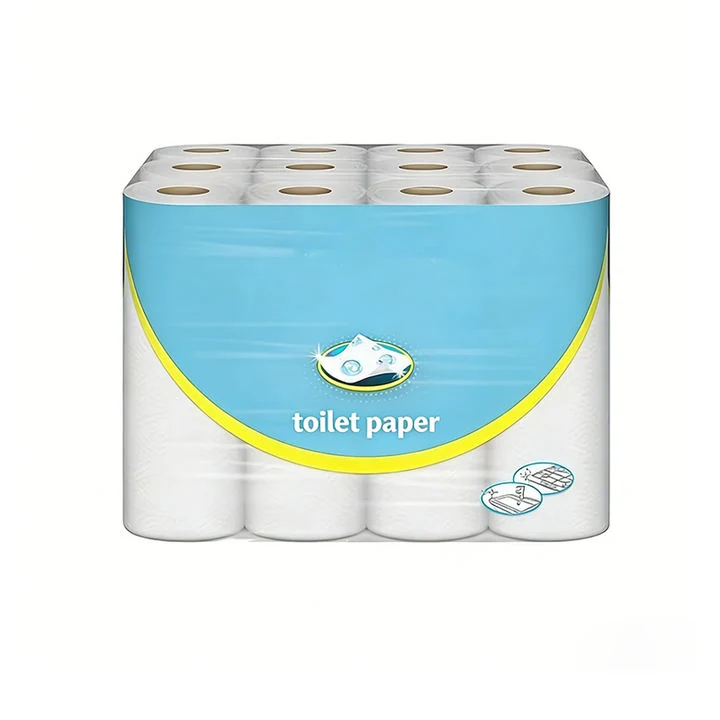
The market now offers many options for RV travelers.
Characteristics of Good RV Toilet Paper
Before focusing on brand names, it helps to understand what features matter most.
A good RV toilet paper should provide:
- Fast breakdown in water
- Low lint production
- Reliable comfort
- Easy flushing
- Consistent availability
The ideal product balances comfort and performance. Extremely thin paper may dissolve well but feel unpleasant. Extremely thick paper may feel luxurious but create maintenance concerns.
Popular RV-Specific Options
Several manufacturers create products specifically for RV use. These products are tested for rapid dissolution and compatibility with holding tanks.
Common categories include:
- RV and marine toilet paper
- Camping toilet paper
- Rapid-dissolving tissue products
- Tank-safe specialty paper
These products are often available through RV dealerships, camping stores, and online retailers.
Septic-Safe Alternatives
Many travelers prefer household brands that have a strong reputation for fast breakdown.
A simple test often helps:
- Fill a clear jar with water.
- Add several sheets of paper.
- Close the lid.
- Shake for ten seconds.
- Observe the results.
Paper that breaks into small fragments quickly tends to perform better in RV systems.
What Frequent RV Users Look For
Long-term RV travelers often evaluate products using several criteria.
Cost Per Roll
Some specialty products cost more. Users compare performance against price.
Storage Space
Bulkier rolls occupy valuable storage areas inside the RV.
Availability
A product that is available nationwide is easier to replace during long trips.
User Comfort
Comfort remains important, especially during extended travel.
Finding the Right Balance
No single brand works perfectly for everyone. Different travelers prioritize different factors.
Some focus on the lowest clog risk and choose RV-specific products every time. Others perform their own testing and identify household brands that dissolve quickly enough for their needs.
The best approach is often practical testing. Products that dissolve rapidly in water generally perform better in holding tanks. Once a suitable product is found, consistency usually helps simplify RV maintenance and supply planning.
Is RV Toilet Paper More Expensive Than Normal?
Cost is often one of the first concerns RV owners raise when comparing products. Specialty items usually carry higher prices, and RV toilet paper is no exception.
RV toilet paper is often more expensive per roll than standard household toilet paper because it is manufactured for rapid dissolution and sold to a more specialized market.
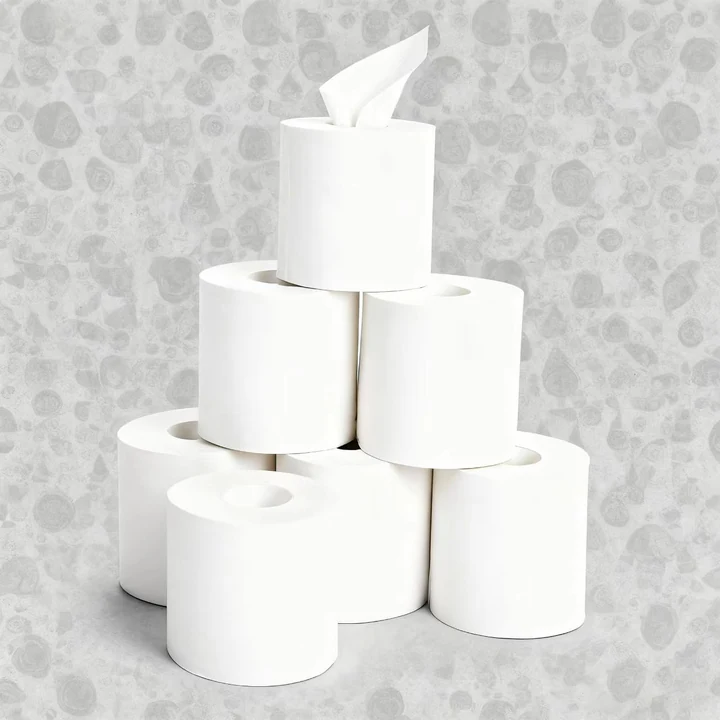
The price difference can vary widely depending on the brand, package size, and retail location.
Why RV Toilet Paper Costs More
Several factors influence pricing.
Smaller Market Size
Household toilet paper serves millions of consumers daily. RV toilet paper targets a much smaller audience. Lower production volumes often increase costs.
Specialized Manufacturing
Manufacturers design RV paper to break down quickly while still maintaining reasonable strength and comfort. This specialized balance may require different production processes.
Distribution Channels
RV products are commonly sold through camping stores, RV dealers, and specialty retailers. These channels may have higher operating costs than large supermarkets.
Comparing Long-Term Costs
At first glance, RV toilet paper appears more expensive. However, the comparison should include potential maintenance expenses.
Consider the following:
| Expense Type | Lower-Risk Scenario | Higher-Risk Scenario |
|---|---|---|
| Toilet Paper Cost | Slightly higher | Lower |
| Tank Cleaning | Less frequent | More frequent |
| Sensor Maintenance | Lower risk | Higher risk |
| Plumbing Repairs | Less likely | More likely |
| Convenience | Higher | Lower |
The Hidden Cost of Clogs
A clogged RV system can become expensive quickly. Repair visits, cleaning products, replacement parts, and lost travel time all carry costs.
Many RV owners view specialty toilet paper as preventive maintenance. Spending a little more on supplies may help avoid larger expenses later.
Bulk Purchasing Can Reduce Cost
Travelers who use RV toilet paper regularly often buy larger quantities. Bulk purchases can significantly reduce the cost per roll.
Some wholesalers and manufacturers also provide private-label and commercial packaging options for campgrounds, rental fleets, hotels, and RV supply distributors.
Is the Extra Cost Worth It?
The answer depends on how the RV is used.
For occasional weekend trips, a rapidly dissolving septic-safe household paper may work well. For full-time RV living, long-distance travel, or commercial RV operations, many users prefer dedicated RV toilet paper because of its consistency and lower maintenance risk.
In practical terms, the cost difference per trip is often small. The convenience of knowing the paper will break down properly can provide peace of mind during travel.
Conclusion
RV toilet paper is designed to dissolve faster and reduce the risk of tank buildup and clogs. While some household toilet papers can work well, RV-specific products offer greater protection for holding tanks and plumbing systems. Choosing the right paper often means fewer maintenance issues and a smoother RV experience.