Skip to content
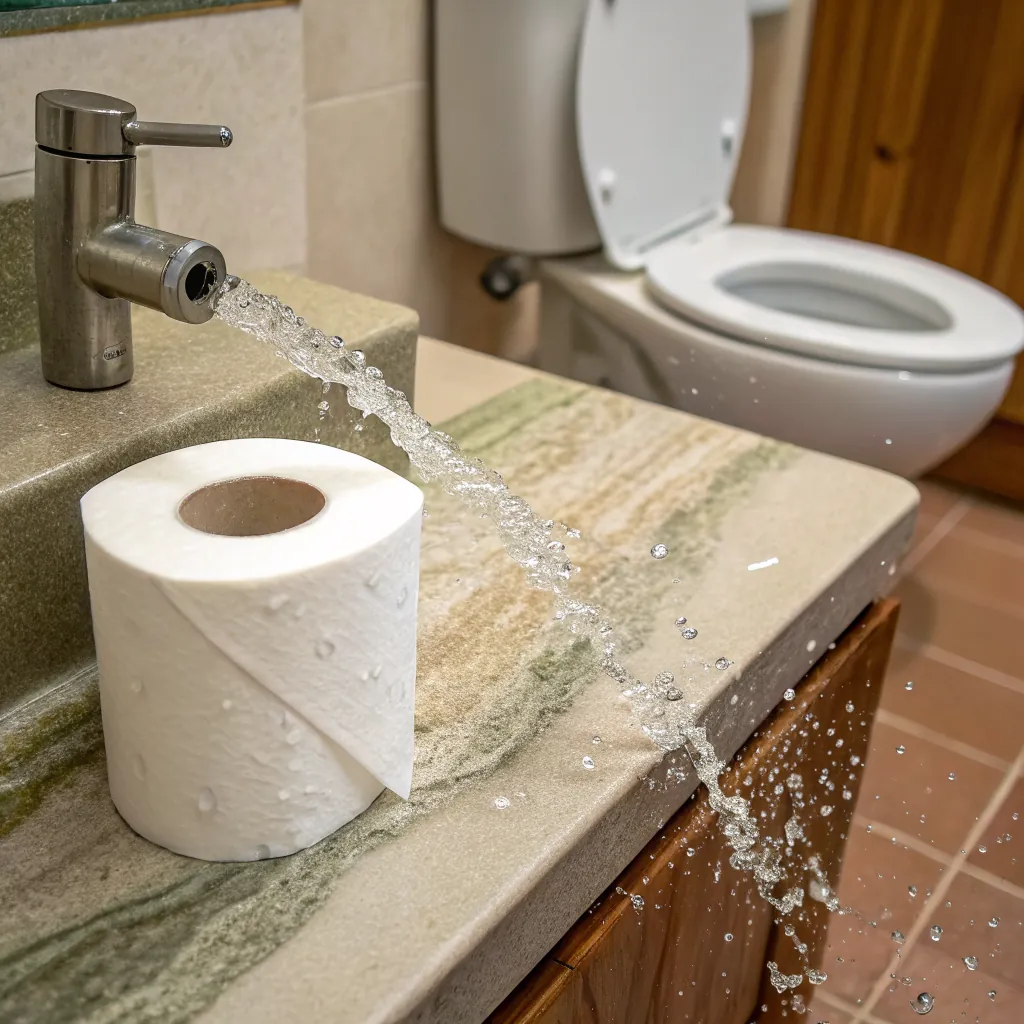
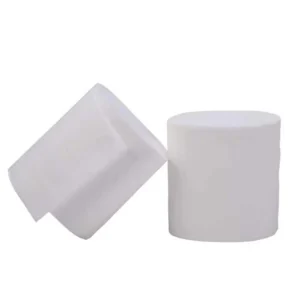
Bamboo toilet paper is growing in popularity, but many people worry if it really breaks down or causes plumbing issues.
Bamboo toilet paper is designed to be biodegradable and flushable. Most brands break down quickly in water and are safe for normal sewer systems.
If you are curious about its performance, keep reading. We will cover septic safety, dissolution speed, and why bamboo is more eco-friendly than regular tree pulp.
Is bamboo toilet paper safe for septic systems?
Bamboo toilet paper seems eco-friendly, but will it harm septic systems? Many people hesitate to switch because of this worry.
Yes, bamboo toilet paper is generally safe for septic tanks. Its fibers are softer and break down more easily than traditional paper. This helps prevent clogs and septic buildup.
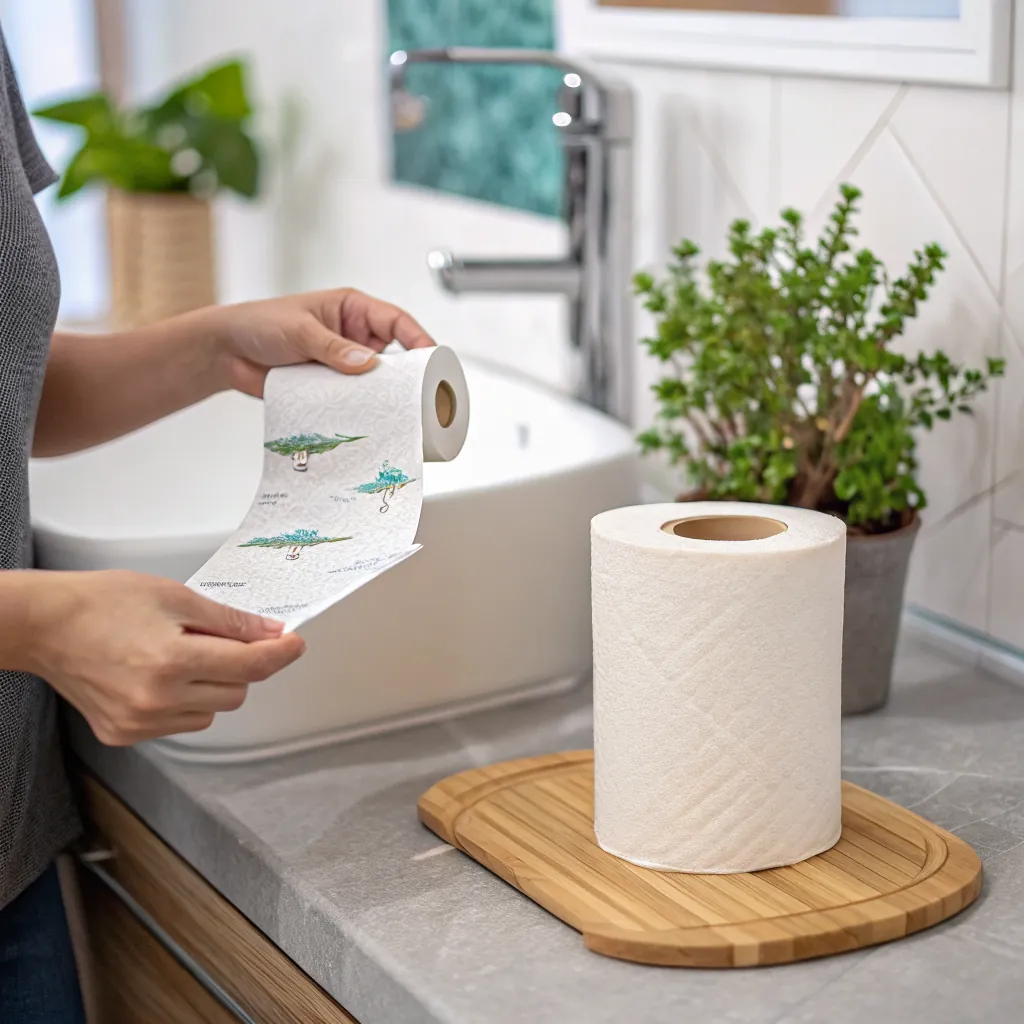
Septic systems rely on bacteria to break down waste. Harsh or thick papers can slow this process and cause blockages. Bamboo toilet paper contains long fibers that dissolve faster and are less dense. This allows bacteria to process waste more efficiently.
Why septic-safe matters
Many homeowners underestimate how paper affects septic systems. Hard, thick paper or large rolls can sit in tanks for weeks. Bamboo's natural softness and short manufacturing process minimize this risk.
Comparison with regular paper
| Feature | Bamboo Toilet Paper | Tree Pulp Toilet Paper |
|---|---|---|
| Fiber length | Short and soft | Longer and denser |
| Dissolution in water | Fast | Slower |
| Impact on septic | Minimal | Can cause buildup |
| Eco-friendliness | High | Medium |
Switching to bamboo can reduce maintenance costs. Some brands even advertise septic-safe certification. It's best to choose unbleached or lightly processed bamboo paper for the safest option.
Practical tips
- Do not flush excessive amounts at once
- Avoid combined use with non-degradable wipes
- Monitor septic performance after first use
Overall, bamboo toilet paper is one of the most septic-friendly options on the market. It allows households to stay eco-conscious without risking plumbing problems.
How fast does bamboo toilet paper dissolve?
People often ask how quickly bamboo toilet paper breaks down once it hits water. This is key for plumbing safety.
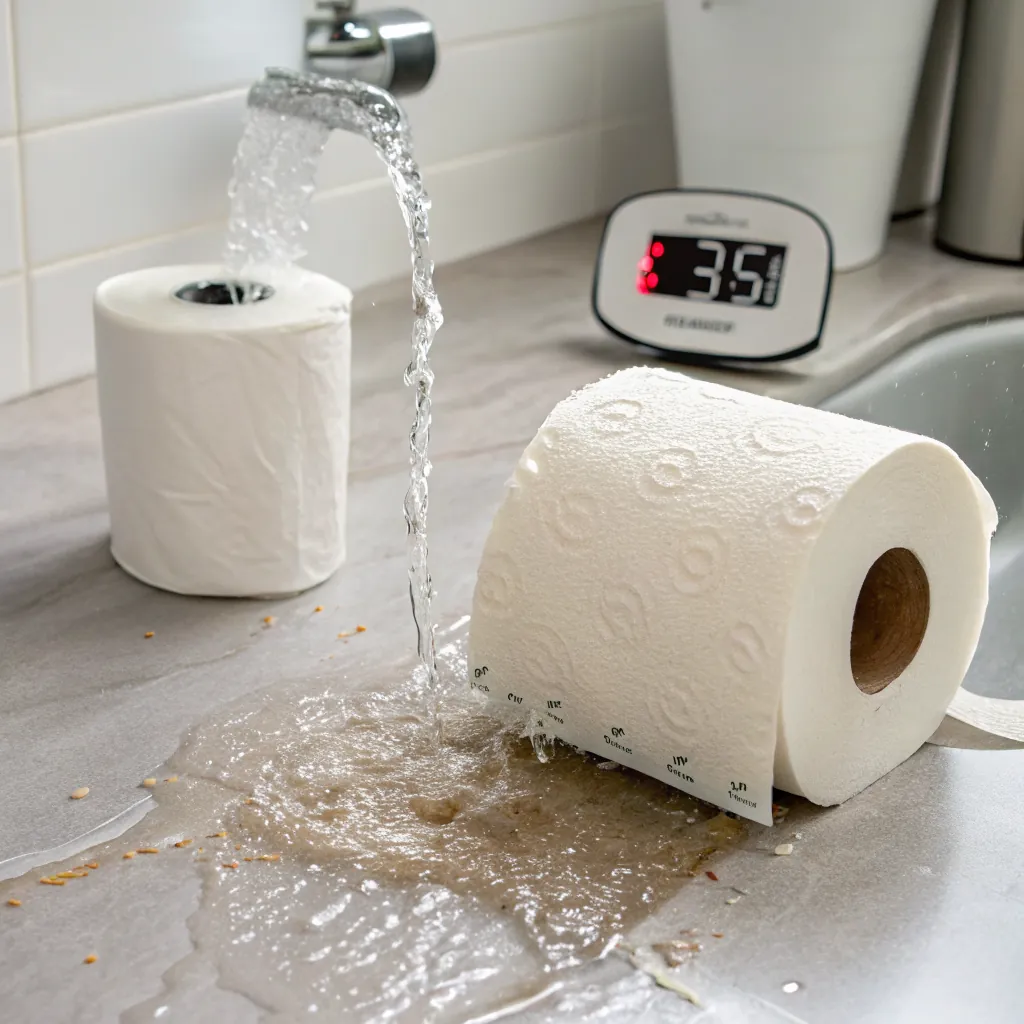
Bamboo toilet paper dissolves faster than most traditional toilet paper, often within minutes in running water, which reduces clogging risks.
Dissolution speed explained
Bamboo fibers are naturally softer and thinner than tree pulp fibers. In water, they swell, separate, and disintegrate faster. This is especially important in low-flow toilets or older plumbing systems.
Lab tests and household experience
| Test Type | Bamboo Paper | Tree Pulp Paper |
|---|---|---|
| Running water test | 3–5 minutes | 10–15 minutes |
| Static water test | 10–15 minutes | 20–30 minutes |
| Septic tank simulation | Breaks down fully | Partial breakdown |
In households, bamboo toilet paper generally does not leave residue in pipes. Users often notice less clogging, especially when switching from ultra-thick or quilted tree pulp brands.
Factors affecting speed
- Paper thickness: Single-ply dissolves faster than multi-ply
- Water quality: Hard water slows breakdown slightly
- Roll size: Jumbo rolls take longer per sheet
For frequent users, dissolving speed means less plumbing maintenance and more peace of mind. Bamboo’s fast dissolution is a major reason it is popular among eco-conscious consumers.
Does bamboo decompose faster than tree pulp?
Bamboo is often called eco-friendly, but does it really decompose faster than tree pulp? Many assume all paper is the same.
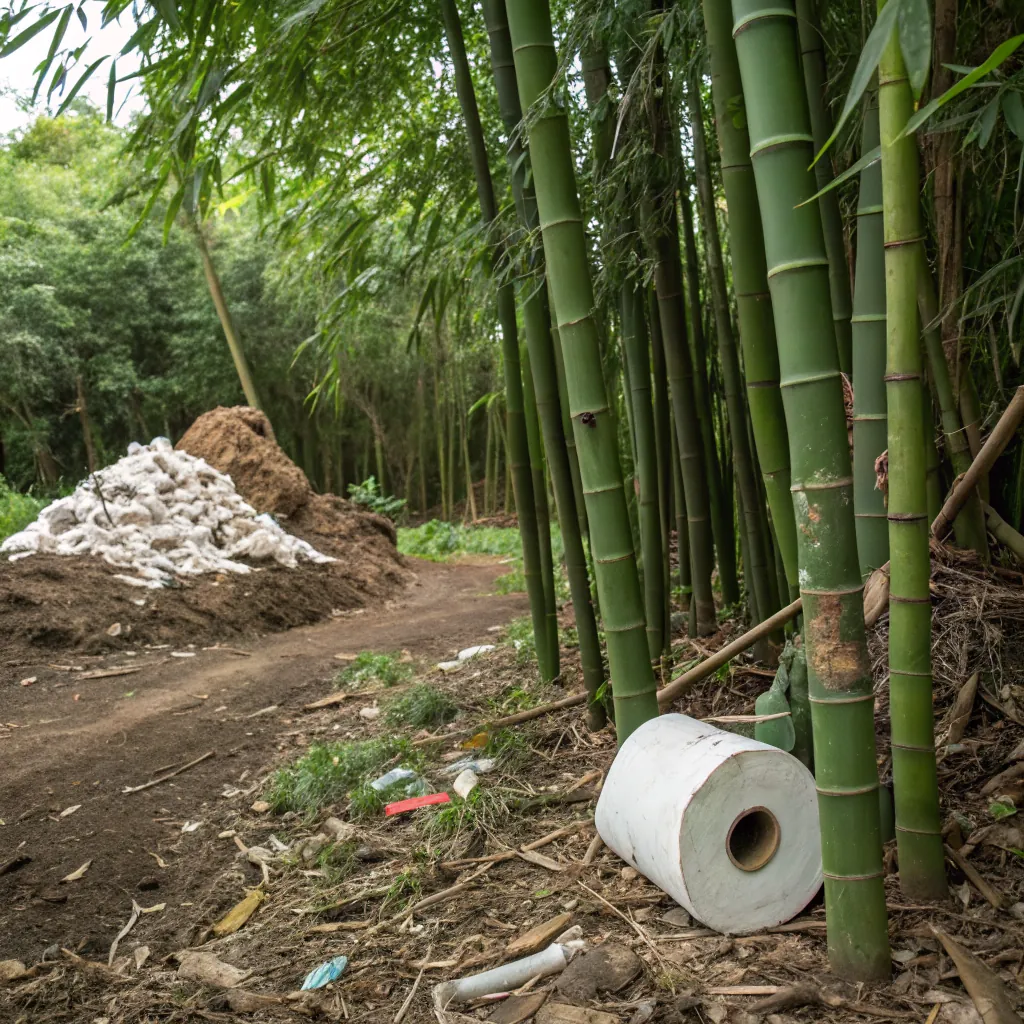
Yes, bamboo decomposes faster because it contains fewer chemicals and has softer fibers than conventional tree pulp, which reduces environmental impact.
Decomposition in nature
Bamboo fibers naturally break down in soil and water more quickly. Tree pulp often undergoes chemical processing, like bleaching and binding, which slows decomposition.
Environmental impact
When bamboo toilet paper decomposes, it releases less pollution and organic residue. This makes it ideal for composting in small amounts. It also reduces landfill accumulation, a problem with conventional tree pulp paper.
Speed comparison
| Material | Time to Decompose (weeks) | Notes |
|---|---|---|
| Bamboo toilet paper | 4–6 | Faster in moist soil |
| Recycled tree pulp | 6–8 | Depends on chemical additives |
| Bleached tree pulp | 8–12 | Slower, more chemicals |
Composting enthusiasts and zero-waste advocates favor bamboo. Its rapid decomposition allows it to return nutrients to the soil quickly.
Why faster decomposition matters
Faster decomposition not only helps reduce landfill waste but also lowers greenhouse gas emissions. Chemicals in tree pulp papers can persist in soil, harming microbes. Bamboo avoids these issues.
Bamboo toilet paper’s eco-advantages make it a better choice for both home and environment.
What makes bamboo toilet paper more biodegradable?
Biodegradability depends on fiber type, chemical treatment, and paper structure. Bamboo has natural properties that enhance this.
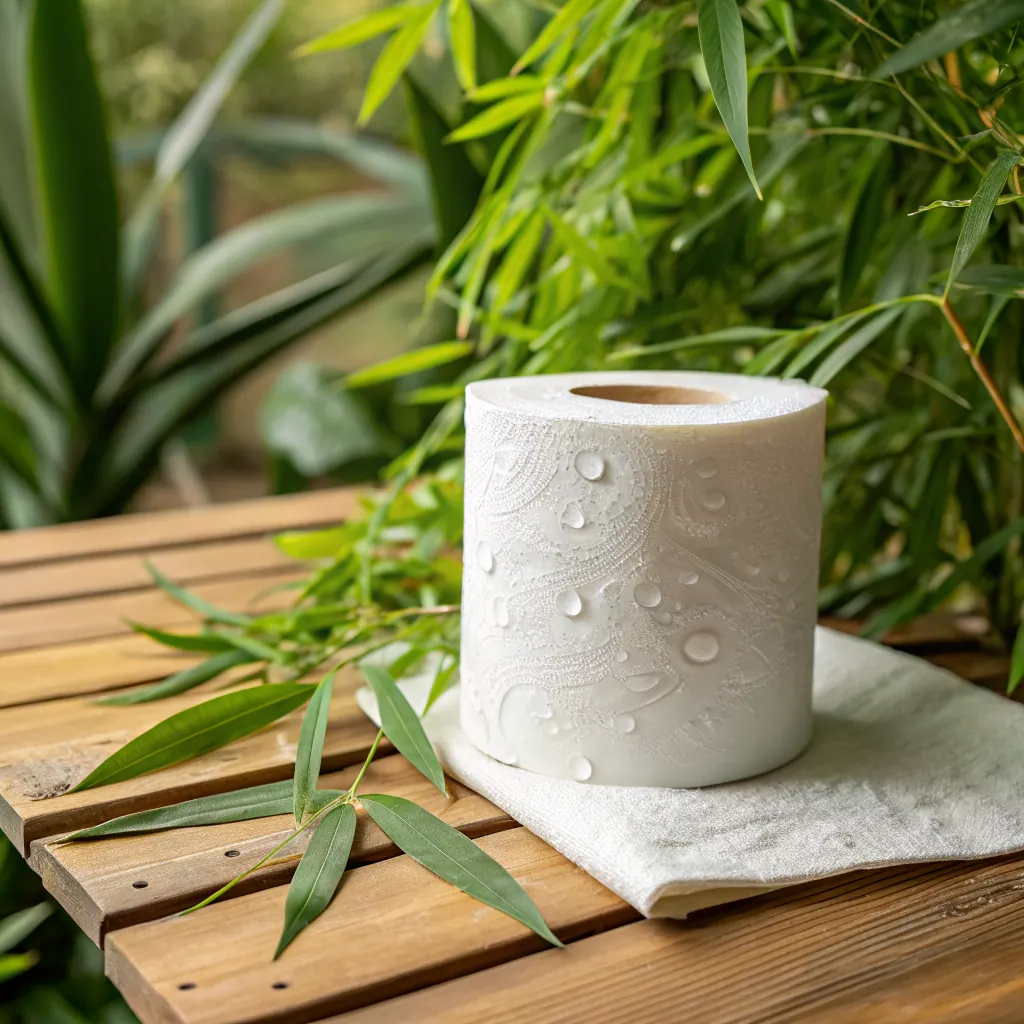
Bamboo is highly biodegradable due to its short fibers, minimal chemical processing, and natural composition that decomposes quickly in water and soil.
Fiber structure
Bamboo fibers are shorter and softer than wood fibers. This allows bacteria and water to penetrate quickly, accelerating the breakdown process.
Minimal chemical processing
Many bamboo toilet papers are unbleached or lightly bleached. This reduces the use of chlorine and other chemicals, which normally slow decomposition in tree pulp papers.
Environmental benefits
- Reduces landfill pressure
- Lowers chemical runoff
- Compatible with septic systems
Comparison table
| Factor | Bamboo Toilet Paper | Tree Pulp Toilet Paper |
|---|---|---|
| Fiber length | Short | Long |
| Bleaching chemicals | Low | High |
| Decomposition rate | Fast | Slower |
| Water safety | Excellent | Moderate |
The combination of soft fibers, low chemical treatment, and natural strength makes bamboo toilet paper one of the most biodegradable options. For households aiming to reduce waste, bamboo is a practical and responsible choice.
Practical considerations
- Opt for unbleached bamboo for highest biodegradability
- Avoid extra-strong chemical additives
- Combine with responsible disposal practices
By choosing bamboo toilet paper, you support faster natural decomposition while keeping plumbing safe.
Conclusion
Bamboo toilet paper breaks down quickly, is safe for septic systems, decomposes faster than tree pulp, and is highly biodegradable. It is a smart eco-friendly choice for modern households.