Skip to content
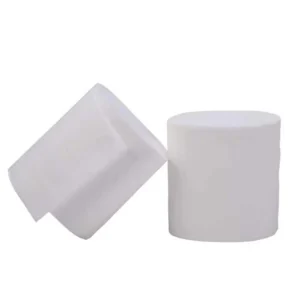
Many people worry about toilet paper lint because small paper fibers can affect comfort and cleanliness. Bamboo toilet paper is often seen as a better choice, but users still ask if it leaves unwanted fibers.
Bamboo toilet paper usually leaves less lint than many low-quality paper products because bamboo fibers are strong and smooth. However, lint levels depend on fiber quality, production methods, and paper structure.
When choosing toilet paper, I look beyond the material name. Bamboo sounds natural, but the final product quality depends on how the bamboo pulp is processed. This article explains why lint appears, how bamboo toilet paper performs, and how users can reduce lint problems.
Why Does Bamboo Toilet Paper Shed Lint?
Bamboo toilet paper can shed lint because all paper products contain natural fibers that can separate during use. The amount of lint depends on fiber strength, softness, and manufacturing quality.
Lint is a common concern for many toilet paper buyers. I often see customers compare bamboo toilet paper with traditional wood pulp paper because they want a cleaner and more comfortable experience. The reason behind lint is simple. Toilet paper is made from many small fibers. When people rub, tear, or use the paper, some loose fibers can break away.
Bamboo fibers have a different structure from some traditional paper fibers. Bamboo is naturally strong, so bamboo pulp can create paper with good strength and lower fiber loss when the production process is controlled well. However, bamboo toilet paper is not completely lint-free. No soft toilet paper can avoid all fiber release because softness requires a certain level of looseness in the paper structure.
Main Factors That Cause Toilet Paper Lint
The amount of lint usually comes from several parts of production:
| Factor | How It Influences Lint |
|---|---|
| Fiber quality | Strong fibers usually create less loose dust and lint |
| Pulp processing | Better processing helps keep fibers connected |
| Paper softness | Very soft paper may release more small fibers |
| Production pressure | Poor control can create weak paper layers |
| Storage conditions | Moisture can reduce paper strength |
The first important factor is the quality of bamboo pulp. High-quality bamboo pulp creates longer and stronger fibers. These fibers hold together better during daily use. Low-quality pulp may contain more short fibers, which can separate easily.
The second factor is the paper-making process. Modern production lines control pressure, drying temperature, and embossing patterns. These steps help balance softness and strength. If the paper is made too loose, users may notice more lint. If it is made too dense, the paper may feel rough.
Another point is that lint does not always mean poor quality. Some premium tissues use a softer structure because users prefer a gentle feeling. A small amount of fiber release can happen even in high-end products.
I also pay attention to packaging and storage. Toilet paper that absorbs moisture during transportation may become weaker. This can increase lint during use. Good packaging protects the product before it reaches customers.
Bamboo toilet paper performs well when manufacturers use proper materials and quality control. The material itself helps reduce lint, but the complete manufacturing process decides the final result.
Is Bamboo Toilet Paper Low Lint?
Yes, bamboo toilet paper is usually a low-lint option when it is produced with high-quality bamboo pulp and proper manufacturing methods. It offers strong fibers while maintaining softness for daily use.
Many buyers choose bamboo toilet paper because they want a product that feels clean and produces less paper dust. From my experience, bamboo toilet paper can provide a good balance between softness, strength, and low lint performance. However, users should understand that different bamboo toilet paper products can have very different results.
Bamboo itself is a fast-growing plant with strong natural fibers. These fibers help create a stable paper structure. When the fibers stay connected, fewer particles fall away during use. This is why many bamboo toilet paper products show lower lint levels compared with some cheaper recycled papers.
Bamboo Toilet Paper Compared With Other Types
The following table shows a general comparison:
| Toilet Paper Type | Lint Level | Common Features |
|---|---|---|
| Premium bamboo toilet paper | Low | Strong fibers, soft touch, stable structure |
| Standard wood pulp toilet paper | Medium | Balanced softness and strength |
| Low-cost recycled toilet paper | Medium to high | More visible fiber dust in some cases |
The quality of bamboo toilet paper also depends on whether the manufacturer uses pure bamboo pulp or mixes bamboo with other materials. Pure bamboo pulp often provides a more consistent fiber structure. Mixed materials can also perform well, but the final quality depends on the formula.
Another important point is embossing. Many toilet paper brands add patterns to improve softness and thickness. Good embossing can increase comfort without damaging fiber strength. Poor embossing may weaken the paper surface and create more lint.
I also consider the number of layers. Two-ply and three-ply toilet paper usually have better strength because multiple layers support each other. Single-ply paper may release more fibers because each layer carries more pressure during use.
What Makes Bamboo Toilet Paper Low Lint?
A low-lint bamboo toilet paper product usually has these features:
- Strong bamboo pulp fibers
- Even paper thickness
- Controlled moisture level
- Good bonding between fibers
- Stable production quality
- Proper packaging protection
Consumers should not only look at the word "bamboo" on the package. The production standard matters more. A well-made bamboo toilet paper product can reduce lint while keeping a soft feeling.
Bamboo toilet paper is not perfect, but it is a strong choice for people who want lower lint and a more natural material option. Good manufacturing turns bamboo fibers into a reliable daily paper product.
How Can You Reduce Toilet Paper Lint?
People can reduce toilet paper lint by choosing higher-quality paper, storing it correctly, and using the right amount during daily use. Product quality and handling methods both affect lint levels.
Toilet paper lint is not only related to the paper itself. The way people store and use toilet paper also changes the amount of visible fiber. I often recommend looking at the complete user experience instead of focusing on only one feature.
Choose Quality Before Price
Low-price toilet paper may save money at first, but some products use weaker fibers or lower production standards. These products may create more dust and lint. A better-quality toilet paper usually has stronger fiber bonding and better surface control.
Store Toilet Paper in a Dry Place
Humidity affects paper performance. When toilet paper absorbs water from the environment, the fibers can become weaker. This makes the surface easier to break.
Good storage practices include:
- Keeping rolls away from direct water
- Using sealed packaging when possible
- Avoiding long exposure to humid areas
- Keeping extra rolls in clean storage spaces
Use the Right Amount
Using too much toilet paper at one time can create more friction. More friction means more fiber movement. A reasonable amount can provide enough protection while reducing unnecessary paper damage.
| Method | Expected Result |
|---|---|
| Buy strong fiber toilet paper | Less loose fiber during use |
| Keep paper dry | Better paper strength |
| Avoid excessive rubbing | Lower lint release |
| Select suitable paper layers | Better comfort and durability |
Check Product Information
I also suggest checking product details before buying. Important information includes:
- Material type
- Number of layers
- Paper thickness
- Manufacturing quality
- Certifications and testing standards
For business buyers, product testing is even more important. Large retailers, hotels, and distributors need stable quality across many shipments. A supplier with consistent production control can help reduce customer complaints about lint, softness, and strength.
Lint reduction is not only about removing fibers. It is about creating a better balance between softness and durability. Very hard paper may have low lint but poor comfort. Very soft paper may feel good but release more fibers. The best products find a middle point.
Does Lint Affect Toilet Paper Quality?
Lint can affect toilet paper quality, but it is only one part of overall performance. A high-quality toilet paper product should balance lint control, softness, strength, absorbency, and user comfort.

When people judge toilet paper quality, lint is often one of the first things they notice. However, a complete evaluation needs more factors. In my view, good toilet paper is not simply the paper with the least lint. It is the paper that performs well in real daily situations.
Lint and User Experience
Too much lint can create several problems. Users may feel that the paper is dusty or weak. Some people may also feel uncomfortable when small fibers remain after use. These experiences can influence how customers view a brand.
However, a small amount of lint is normal. Toilet paper needs to be soft and flexible. If manufacturers remove all loose fibers by making the paper very dense, the product may become rough and uncomfortable.
Other Important Quality Factors
A complete quality check should include:
| Quality Feature | Why It Matters |
|---|---|
| Absorbency | Helps the paper perform better with less usage |
| Strength | Prevents tearing during use |
| Softness | Improves comfort |
| Lint control | Creates a cleaner experience |
| Size consistency | Provides reliable product performance |
Bamboo toilet paper often performs well because bamboo fibers provide natural strength. This allows manufacturers to create soft paper without making the structure too weak.
For commercial buyers, quality consistency is especially important. A supermarket chain or hotel cannot accept large differences between batches. Stable raw materials, controlled production, and inspection systems help maintain the same customer experience.
A Balanced View of Lint
I believe lint should be viewed as a quality indicator, not the only quality standard. A good toilet paper product needs a smart balance. It should be soft enough for comfort, strong enough for daily use, and clean enough to avoid unnecessary fiber release.
Bamboo toilet paper has become popular because it can achieve this balance. With good materials and careful production, bamboo toilet paper can offer low lint performance while keeping the softness that customers expect.
Conclusion
Bamboo toilet paper usually creates less lint because bamboo fibers are strong and stable. Quality production, proper storage, and balanced paper design help create a cleaner and more comfortable experience.