The demand for bamboo toilet paper is growing fast. Many Canadian buyers now look for eco-friendly products, but they still ask where these products come from and how the supply chain works.
Bamboo toilet paper is imported into Canada mainly from countries with strong bamboo resources and mature paper manufacturing industries, especially China. Canadian importers choose overseas suppliers because they can offer stable production, competitive prices, and different product options.
The global bathroom tissue market is changing. More consumers care about sustainability, and bamboo toilet paper has become one of the products that receives more attention. Canada has a large market for environmentally friendly household products, so importers, retailers, and distributors are exploring reliable bamboo toilet paper suppliers.
Where Does Canada Import Bamboo Toilet Paper From?
Canada imports bamboo toilet paper from countries that have bamboo materials, advanced manufacturing technology, and export experience. China is one of the main sources because Chinese manufacturers have strong production capacity and can provide private label and OEM services.

Bamboo toilet paper production needs more than just bamboo resources. Suppliers need modern factories, quality control systems, packaging ability, and international shipping experience. These factors make some countries more competitive in the Canadian market.
China has become an important supplier because many factories have developed complete bamboo tissue production systems. Manufacturers can control the process from raw bamboo materials to finished rolls. This helps exporters provide consistent quality and large-volume orders for Canadian buyers.
Other countries also produce bamboo toilet paper, including Vietnam, India, and some Southeast Asian countries. However, the scale, factory experience, and export network are different. Canadian importers usually compare several factors before choosing a supplier.
Main Factors That Influence Import Sources
Canadian buyers usually consider the following points:
| Factor | Why It Matters |
|---|---|
| Production capacity | Large factories can support stable long-term orders |
| Product quality | Buyers need safe and reliable bathroom tissue products |
| Price level | Competitive prices help brands grow in local markets |
| Export experience | Experienced suppliers understand international shipping |
| Custom packaging | Private brands need special designs and packaging |
Bamboo toilet paper suppliers also need to meet different market requirements. Canada has strict expectations for product safety, packaging information, and environmental claims. Professional suppliers usually prepare product documents and quality reports before exporting.
Many Canadian companies do not only buy finished products. They also work with manufacturers to create their own brands. OEM cooperation allows retailers and distributors to sell bamboo toilet paper under their own names. This business model is common in the sustainable household product market.
The relationship between Canadian importers and overseas suppliers is usually long-term. Importers need suppliers that can maintain stable quality and delivery schedules. A supplier with good communication skills and export experience can reduce business risks.
The location of suppliers also affects shipping costs. Asian suppliers have strong container shipping connections to North America. Although transportation takes time, large-volume orders can reduce the average shipping cost per unit.
Canadian companies often visit factories, attend trade shows, or search through B2B platforms to find suppliers. They usually check factory background, production ability, customer reviews, and previous export records before making decisions.
For this reason, Canada does import bamboo toilet paper, and overseas manufacturers play an important role in meeting the increasing demand for sustainable bathroom products.
How Much Bamboo Toilet Paper Does Canada Import?
Canada imports a growing amount of bamboo toilet paper because consumer interest in sustainable products continues to increase. However, bamboo toilet paper is still a smaller market compared with traditional wood pulp toilet paper.
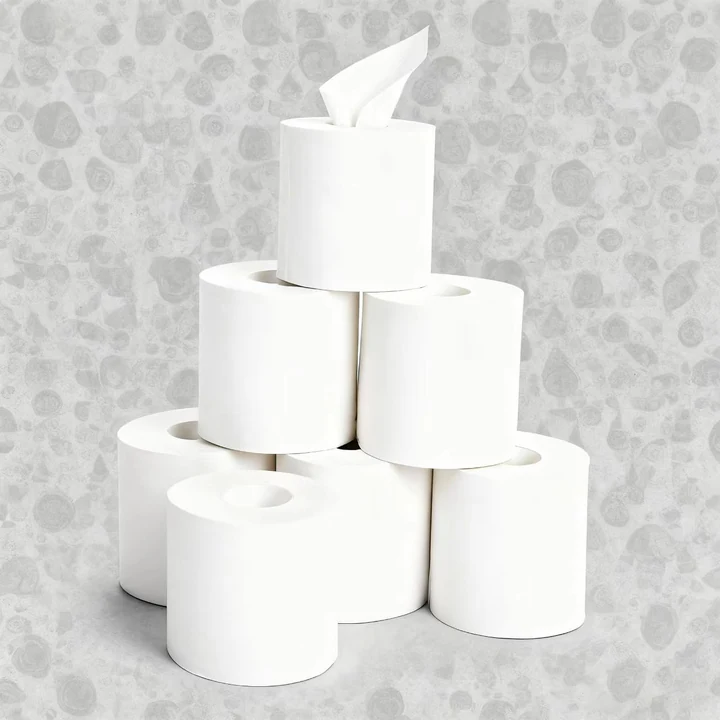
The exact import volume changes every year because bamboo toilet paper is usually included in broader tissue product categories. Import numbers depend on consumer demand, retail expansion, environmental awareness, and global supply conditions.
The Canadian market is moving toward greener household products. Many families now consider the environmental impact of daily items. Toilet paper is a regular purchase, so consumers are interested in alternatives that can reduce pressure on forests.
The following table shows the main reasons behind the growth of bamboo toilet paper imports.
| Market Driver | Impact on Imports |
|---|---|
| Environmental awareness | More consumers choose sustainable products |
| Retail expansion | More stores introduce bamboo tissue brands |
| Online shopping | Customers can easily discover new brands |
| Brand innovation | Companies create new eco-friendly product lines |
Bamboo toilet paper usually attracts middle-income and environmentally conscious customers. These customers may accept a slightly higher price because they believe the product creates less environmental damage.
Canadian importers often start with smaller test orders before increasing purchase volume. They study customer feedback, sales speed, and market response. When a product performs well, companies may place larger container orders.
The import volume also depends on product types. Some buyers import standard bamboo toilet paper rolls, while others choose premium products such as plastic-free packaging, ultra-soft tissue, or customized private-label products.
Why Import Volume Continues To Increase
The growth of bamboo toilet paper imports is connected to several changes in consumer behavior.
First, consumers have become more aware of sustainability. Many people want products that match their environmental values. Bamboo grows quickly and is often promoted as a renewable material, which makes bamboo tissue attractive.
Second, retailers are expanding their green product categories. Supermarkets, online stores, and specialty eco-friendly shops are adding more sustainable household products. This creates more opportunities for bamboo toilet paper brands.
Third, international suppliers are improving their products. Modern factories can produce softer, stronger, and more comfortable bamboo toilet paper. Better product quality helps bamboo tissue compete with traditional toilet paper.
Canadian importers also pay attention to packaging. Many customers prefer simple packaging with less plastic. Suppliers that can provide recyclable packaging solutions have an advantage.
The future import volume depends on market education. Some consumers still do not know the difference between bamboo toilet paper and traditional tissue. Brands need to explain product benefits clearly.
Price is another important factor. Bamboo toilet paper often costs more than regular toilet paper because production and supply chains are different. Suppliers need to balance quality and price to attract more customers.
As more Canadian businesses enter the sustainable household market, bamboo toilet paper imports are expected to continue growing. The market is not only about selling a product. It is also about creating a better connection between consumers, brands, and environmental goals.
Why Is Bamboo Toilet Paper Popular In Canada?
Bamboo toilet paper is popular in Canada because many consumers want products that support a more sustainable lifestyle. The product combines daily usefulness with environmental considerations.

Canadian customers often look for products that reduce environmental impact. Bamboo toilet paper provides an alternative choice compared with traditional toilet paper made from common wood pulp.
One important reason is the fast growth of bamboo. Bamboo can grow quickly and can be harvested more frequently than many traditional trees. Because of this, many brands market bamboo toilet paper as a more renewable option.
Another reason is changing consumer values. Many Canadian shoppers check product information before buying. They care about materials, packaging, production methods, and company responsibility.
Benefits That Attract Canadian Buyers
Bamboo toilet paper has several features that make it attractive:
- It supports sustainable product choices.
- It offers a different material option from traditional tissue.
- It fits the growing eco-friendly lifestyle trend.
- It is suitable for homes, offices, hotels, and commercial spaces.
The popularity of bamboo toilet paper also comes from stronger brand marketing. Many companies use online platforms to educate customers about sustainability. Social media, e-commerce websites, and environmental communities help introduce bamboo products to more people.
Retailers also influence buying decisions. When customers see bamboo toilet paper in stores, they become more familiar with the product. Product availability helps move bamboo tissue from a niche item to a regular household choice.
However, bamboo toilet paper still faces challenges. Some customers compare the price with traditional products and choose cheaper options. Brands need to show clear value instead of only focusing on environmental messages.
Quality is another important issue. Customers expect toilet paper to be soft, strong, and comfortable. Sustainable features cannot replace basic product performance.
Professional manufacturers understand this balance. They invest in technology to improve softness, strength, and appearance. They also develop different product lines for different customer groups.
For example, premium customers may prefer luxury bamboo tissue with elegant packaging. Family customers may focus on value packs and affordable prices. Commercial buyers may care more about stable supply and cost control.
The Canadian market also provides opportunities for private brands. Many retailers want unique products that separate them from competitors. Working with experienced suppliers allows them to create customized bamboo toilet paper products.
Bamboo toilet paper is becoming popular because it matches several market trends at the same time. It supports sustainability, responds to consumer concerns, and gives businesses a chance to create new product categories.
Who Supplies Bamboo Toilet Paper In Canada?
Bamboo toilet paper in Canada is supplied by a mix of local brands, international manufacturers, importers, and distributors. Many Canadian companies work with overseas factories to produce products for their own markets.
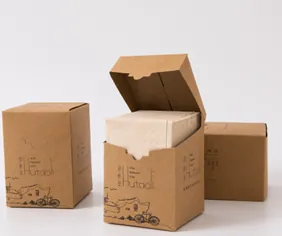
The supply chain usually includes several steps. Manufacturers produce bamboo toilet paper, exporters arrange international shipping, Canadian importers manage distribution, and retailers sell products to final customers.
International manufacturers play an important role because they provide production experience and flexible solutions. Many factories can support different order sizes, packaging designs, and brand requirements.
Common Supplier Types In The Canadian Market
| Supplier Type | Main Role |
|---|---|
| International manufacturers | Produce bamboo toilet paper at large scale |
| Import companies | Bring products into Canada and manage distribution |
| Retail brands | Sell products directly to consumers |
| Online sellers | Reach customers through e-commerce platforms |
Canadian businesses often search for suppliers through trade shows, B2B platforms, online research, and industry recommendations. They usually compare supplier information before starting cooperation.
A good supplier needs strong production ability. Large buyers need stable monthly supply because empty shelves can affect customer trust. Manufacturers with modern equipment and experienced teams can support long-term partnerships.
Communication is also important. International trade requires clear information about product specifications, packaging, shipping schedules, and payment terms. Suppliers that respond quickly can build stronger relationships with Canadian buyers.
OEM and ODM services are becoming more important. Many Canadian brands want customized bamboo toilet paper products instead of selling the same products as competitors. Suppliers that offer design support and flexible production options have more opportunities.
Quality control is another key requirement. Professional suppliers check raw materials, production processes, packaging, and final products. They understand that consistent quality helps brands maintain customer trust.
Shipping experience also matters. Bamboo toilet paper is a volume product, so container loading and logistics planning affect the final cost. Experienced exporters know how to prepare documents and organize transportation efficiently.
The future of bamboo toilet paper supply in Canada will depend on cooperation between manufacturers and local businesses. Suppliers need to understand Canadian customer needs, while importers need to choose partners that can provide reliable products.
A successful supplier relationship is not only about low prices. It requires quality, communication, stable delivery, and the ability to grow together in the market.
Conclusion
Canada imports bamboo toilet paper mainly because consumer demand for sustainable products is increasing. International suppliers, especially experienced manufacturers, help Canadian brands provide eco-friendly choices for modern households.