Skip to content

Many people assume the United States makes all the toilet paper it needs. That idea sounds reasonable, but global trade tells a different story.
Yes, the United States imports toilet paper, although most toilet paper used in the country is produced domestically. Imports help fill supply gaps, support regional demand, provide specialty products, and improve supply chain flexibility when market conditions change.
The US has one of the largest paper industries in the world. At the same time, international trade remains an important part of the toilet paper market. Importers, wholesalers, retailers, and manufacturers all play a role in balancing supply and demand. Understanding where imported toilet paper comes from and why it enters the market helps explain how this everyday product reaches consumers across the country.
What Countries Supply Toilet Paper to the US?
Many buyers assume toilet paper imports come from only one country. The market is much broader than that, and several nations help support the US supply chain.
Canada is the largest foreign supplier of toilet paper and tissue products to the United States. Other suppliers include Mexico, China, and several countries in Europe and Latin America. Their roles vary based on product type, pricing, logistics, and customer demand.

The United States has strong trade relationships with several countries that produce tissue products. These relationships help businesses maintain inventory, control costs, and offer more product choices to consumers.
Why Canada Is the Largest Supplier
Canada plays a major role in supplying tissue products to the US market. The country has a well-developed forestry industry and abundant wood pulp resources. Since wood pulp is one of the main raw materials used to manufacture toilet paper, Canadian producers have a natural advantage.
The shared border between the United States and Canada also reduces transportation time and logistics costs.
| Advantage | Impact on US Buyers |
|---|---|
| Shared border | Faster delivery |
| Strong pulp industry | Stable raw material supply |
| Lower transportation costs | Better landed cost |
| Trade agreements | Easier cross-border movement |
Canadian suppliers are often viewed as reliable long-term partners because they can maintain consistent quality and delivery schedules.
Mexico's Growing Importance
Mexico continues to expand its role in supplying tissue products to the United States. Many manufacturers are located close to major transportation routes, making shipments efficient.
US buyers often source products from Mexico because of:
- Competitive labor costs
- Short transit times
- Regional trade advantages
- Flexible production capacity
These advantages help retailers and distributors maintain healthy inventory levels.
China's Role in Tissue Imports
China remains one of the world's largest manufacturing centers. Many tissue products imported into the United States originate from Chinese factories.
Chinese manufacturers often attract buyers because they provide:
- OEM production
- Private label manufacturing
- Custom packaging
- Large-scale production
- Competitive pricing
Many importers work with Chinese suppliers when they need custom specifications or large-volume orders.
European and Latin American Suppliers
Several European manufacturers focus on premium tissue products. These products often emphasize softness, sustainability, and advanced manufacturing technology.
Some Latin American countries also export tissue products to the US market. These suppliers may serve specific regional markets or niche product categories.
Why Buyers Use Multiple Countries
Many importers avoid relying on a single supplier country. Diversification reduces risk and improves supply chain stability.
When buyers source from several countries, they can:
- Reduce supply disruptions
- Compare pricing options
- Improve inventory planning
- Access different product categories
This strategy becomes especially important during periods of transportation delays or market uncertainty.
As global trade continues to evolve, supplier rankings may change. Exchange rates, freight costs, environmental regulations, and manufacturing investments all influence which countries become the most competitive suppliers in the future.
Why Does the US Import Toilet Paper?
Some people wonder why the United States imports toilet paper when domestic factories already produce billions of rolls every year.
The United States imports toilet paper to improve supply chain flexibility, support product variety, reduce sourcing risks, maintain competitive pricing, and supplement domestic production when market conditions require additional supply.
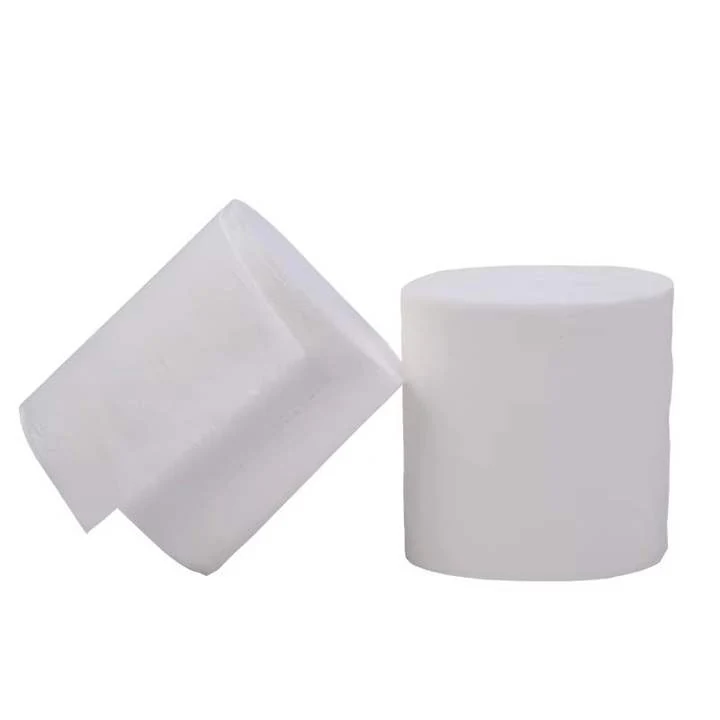
The answer is not simply about production capacity. Modern supply chains focus on efficiency, reliability, and flexibility. Imports help achieve all three goals.
Supply and Demand Are Not Always Balanced
Consumer demand changes throughout the year. Population growth, seasonal travel, weather events, and economic trends can all influence purchasing patterns.
When demand rises unexpectedly, imported products can help fill the gap.
Factories cannot instantly increase production overnight. As a result, import channels provide valuable support during periods of increased consumption.
Managing Supply Chain Risks
Every manufacturing industry faces risks.
Some common challenges include:
- Equipment breakdowns
- Labor shortages
- Raw material shortages
- Transportation delays
- Natural disasters
When companies rely entirely on one source, these risks become more serious.
Imports help create backup supply options. If one region experiences disruption, products from another region can help maintain inventory.
Transportation Economics
Many people assume domestic products are always cheaper than imported products. That is not always true.
Toilet paper is lightweight but bulky. Transportation costs often have a significant impact on the final price.
| Cost Factor | Influence on Final Cost |
|---|---|
| Factory production cost | Determines base pricing |
| Ocean freight | Impacts overseas imports |
| Truck transportation | Affects domestic delivery |
| Customs duties | Changes import expenses |
| Warehousing costs | Influences inventory management |
In some cases, imported products may offer competitive pricing despite longer shipping distances.
Supporting Private Label Growth
Private label products have become increasingly popular in the retail sector.
Many retailers want products sold under their own brand names. Overseas manufacturers often specialize in producing these custom products.
Services commonly include:
- Custom packaging
- Brand logo printing
- Customized roll sizes
- Retail-ready labeling
This flexibility makes imports attractive for retailers looking to differentiate their products.
Expanding Consumer Choice
Consumers do not all want the same type of toilet paper.
Some prefer:
- Bamboo toilet paper
- Recycled tissue
- Premium soft tissue
- Commercial jumbo rolls
- Sustainable products
Imports expand the number of available options and help retailers meet changing customer preferences.
Competition Benefits the Market
Competition encourages innovation and efficiency.
When manufacturers compete globally, they often invest in:
- Better technology
- Improved quality control
- Faster production
- New product development
Consumers benefit through better products and more competitive pricing.
For these reasons, imports are not necessarily a sign of insufficient domestic production. Instead, they are part of a broader strategy that helps create a more resilient and flexible market.
Which Toilet Paper Types Are Commonly Imported?
Many consumers think imported toilet paper refers only to standard bathroom tissue. The reality is much more diverse.
The United States imports a wide range of toilet paper products, including household rolls, jumbo rolls, bamboo tissue, recycled tissue, private-label products, and commercial tissue solutions for hotels, offices, and public facilities.

Different industries require different tissue products. Imports help satisfy these varied requirements.
Standard Household Toilet Paper
Household toilet paper remains one of the largest import categories.
Products vary in several ways:
- Roll length
- Sheet size
- Ply count
- Embossing design
- Packaging style
Many retailers use imported products for store-brand programs.
Jumbo Roll Toilet Paper
Commercial users often prefer jumbo roll tissue because it lasts longer and reduces maintenance requirements.
Common users include:
- Airports
- Schools
- Shopping malls
- Office buildings
- Hotels
These customers prioritize efficiency and cost control.
Recycled Toilet Paper
Environmental concerns have increased demand for recycled tissue products.
Many organizations seek products that support sustainability goals.
Benefits often include:
- Reduced virgin fiber consumption
- Lower environmental impact
- Improved resource utilization
- Support for sustainability initiatives
As environmental awareness grows, recycled tissue products continue gaining popularity.
Bamboo Toilet Paper
Bamboo tissue has become a growing segment within the tissue market.
Bamboo offers several advantages:
- Rapid growth cycle
- Renewable raw material
- Alternative fiber source
- Strong environmental appeal
Many consumers interested in eco-friendly products choose bamboo-based options.
Private Label Tissue Products
Private label production continues to expand across the retail industry.
Retailers can launch their own brands without investing in manufacturing facilities.
| Private Label Feature | Benefit |
|---|---|
| Custom packaging | Better shelf presence |
| Brand logos | Stronger customer recognition |
| Flexible specifications | Product differentiation |
| Bulk production | Consistent supply |
Private label imports have become a major business opportunity for retailers and wholesalers.
Commercial and Institutional Tissue
Commercial customers often require different specifications than household users.
Key priorities include:
- Cost efficiency
- Roll length
- Strength
- Absorbency
- Dispenser compatibility
Hotels, hospitals, office buildings, and public facilities frequently purchase these products in large quantities.
Premium Tissue Products
Premium products represent another growing import segment.
These products may offer:
- Enhanced softness
- Luxury packaging
- High-end branding
- Specialty materials
Although premium products represent a smaller share of total market volume, they contribute to market diversity and higher consumer choice.
The imported toilet paper market serves a wide variety of industries and consumer groups. This diversity helps businesses offer products that meet different budgets, preferences, and operational requirements.
Can Domestic Production Meet US Demand?
The United States has one of the largest tissue manufacturing industries in the world. This naturally leads to questions about whether imports are truly necessary.
Domestic production supplies most toilet paper used in the United States. However, imports continue to play an important supporting role by providing product diversity, supply chain flexibility, and additional capacity during periods of unusual demand.

Domestic manufacturers produce enormous quantities of tissue products every year. The industry has invested heavily in modern equipment, automation, and distribution networks.
The Strength of Domestic Manufacturing
Several factors support strong domestic production:
- Large manufacturing base
- Advanced technology
- Skilled workforce
- Extensive transportation networks
- Access to raw materials
These advantages allow domestic factories to meet most national demand.
Demand Surges Create Challenges
Even a large manufacturing system can experience stress during unusual demand spikes.
Periods of panic buying have demonstrated how quickly shelves can empty.
The challenge is often not total production volume. Instead, problems may occur in:
- Distribution systems
- Transportation networks
- Packaging operations
- Retail inventory management
Imports can help reduce pressure during these situations.
Capacity and Flexibility Are Different
High production capacity does not automatically mean complete flexibility.
A factory designed for one product type cannot immediately switch to producing every format demanded by the market.
For example:
- Household rolls
- Jumbo rolls
- Premium tissue
- Eco-friendly products
- Institutional tissue
Each category may require different production processes and packaging systems.
Imports help fill these specialized market needs.
Diversified Sourcing Improves Stability
Large retailers and distributors increasingly use diversified sourcing strategies.
Their objectives include:
- Reducing risk
- Improving supply security
- Expanding supplier options
- Supporting long-term stability
A balanced supply strategy often combines domestic and imported products.
Economic Considerations Matter
Business decisions involve more than manufacturing capability alone.
Companies also evaluate:
- Production costs
- Transportation expenses
- Inventory costs
- Customer demand
- Supplier reliability
The most efficient solution often includes both domestic and international suppliers.
Future Outlook for the US Market
Domestic manufacturing will likely remain the primary source of toilet paper for the US market.
At the same time, imports will continue serving important functions.
Growing demand for:
- Sustainable products
- Bamboo tissue
- Private-label brands
- Commercial tissue solutions
will likely support ongoing import activity.
The future market will probably remain a combination of strong domestic production and strategic imports. This balance provides flexibility, stability, and a wider range of product choices for businesses and consumers.
Conclusion
The United States produces most of its toilet paper domestically, but imports remain an important part of the supply chain. Countries such as Canada, Mexico, and China help support market stability, increase product variety, and provide additional flexibility when demand, logistics, or sourcing conditions change.