Skip to content
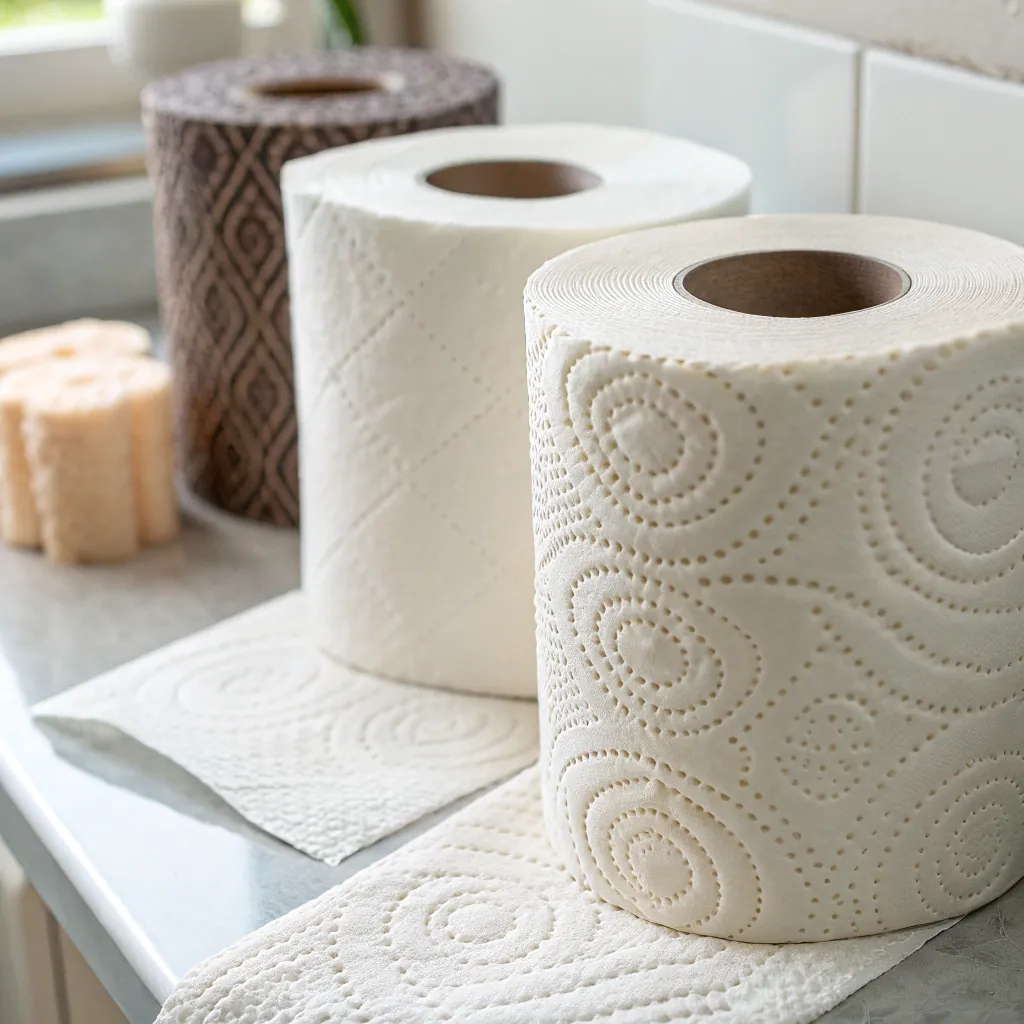
Toilet paper looks harmless, but many people worry about pipes, tanks, and hidden clogs. This fear grows after one bad plumbing problem that costs time and money.
Yes, toilet paper does dissolve in water, but not all toilet paper dissolves at the same speed or in the same way. Its dissolving ability depends on fiber type, paper structure, water movement, and how the paper is used.
Many people never think about toilet paper until something goes wrong. A slow drain or a blocked toilet often starts with simple questions. This article explains what really happens when toilet paper meets water and why dissolvability matters more than most people think.
How long does toilet paper take to dissolve in water?
Toilet paper does not vanish the moment it touches water. Many users expect it to disappear like sugar, but the real process is slower and depends on conditions.
Most standard toilet paper begins to break apart within seconds and fully disperses within minutes when exposed to moving water. In still water, the process can take much longer.
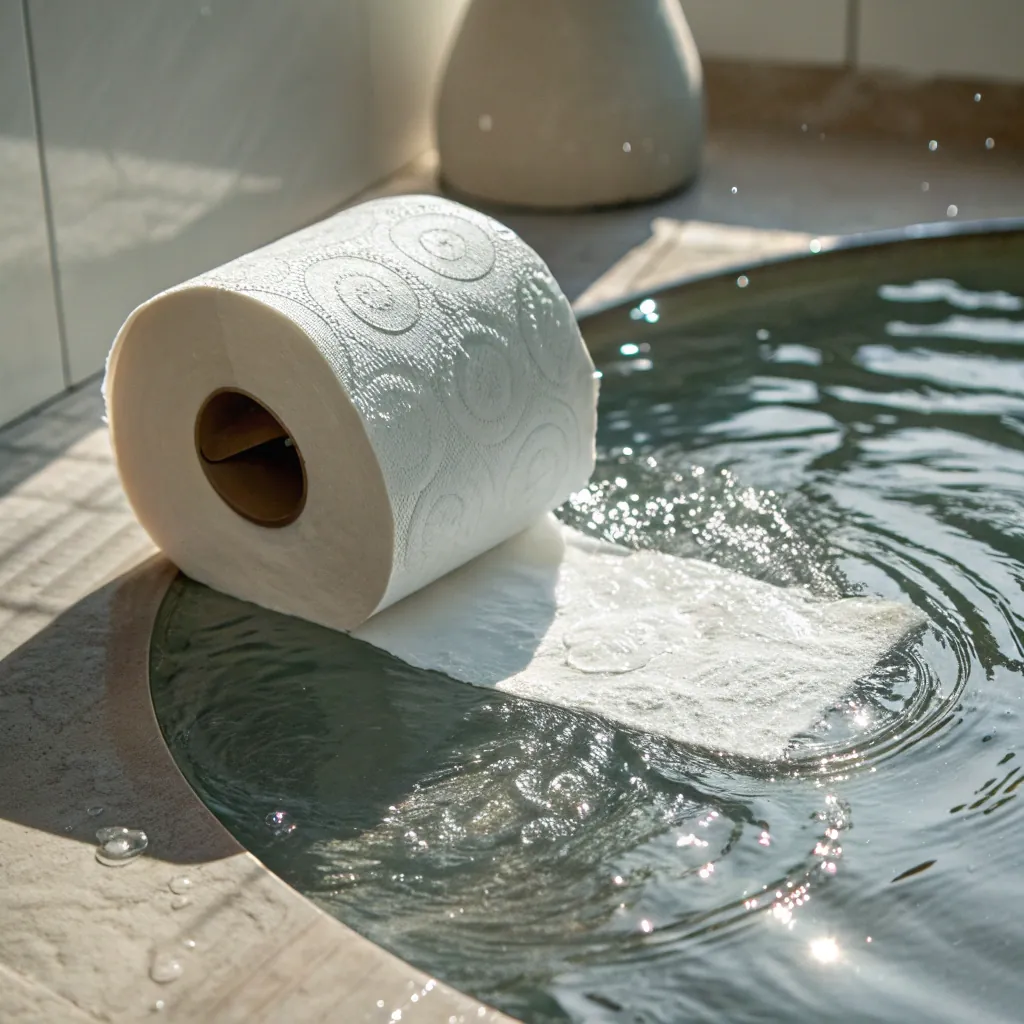
Water movement plays a key role. In a flushing toilet, pressure and swirling motion pull fibers apart fast. In a bucket or tank, paper may stay mostly whole for several minutes.
Factors that affect dissolving time
Several basic factors decide how fast toilet paper breaks down:
- Fiber length and type
- Paper thickness
- Number of plies
- Water temperature
- Water flow and pressure
Paper made for home toilets is designed to lose strength when wet. Once water enters the fiber bonds, the paper starts to fall apart.
Still water vs flowing water
In still water, toilet paper absorbs water first. It swells and becomes soft. Only later does it begin to break. This can mislead people during simple tests.
In flowing water, the paper faces pulling force. Fibers separate faster. This is closer to what happens in real plumbing systems.
Simple time comparison
| Condition | Visible Breakdown | Full Dispersal |
|---|---|---|
| Still cold water | 2–5 minutes | 10–30 minutes |
| Still warm water | 1–3 minutes | 5–15 minutes |
| Flowing water | Seconds | 1–3 minutes |
This table shows why lab tests and home tests may give different results. Plumbing systems always involve movement.
What makes toilet paper more dissolvable?
Not all toilet paper is made the same. Some rolls dissolve fast. Others hold together longer and create risk in weak plumbing systems.
Toilet paper dissolves better when it uses short fibers, low wet strength, and loose layering. These design choices help paper break apart after use.
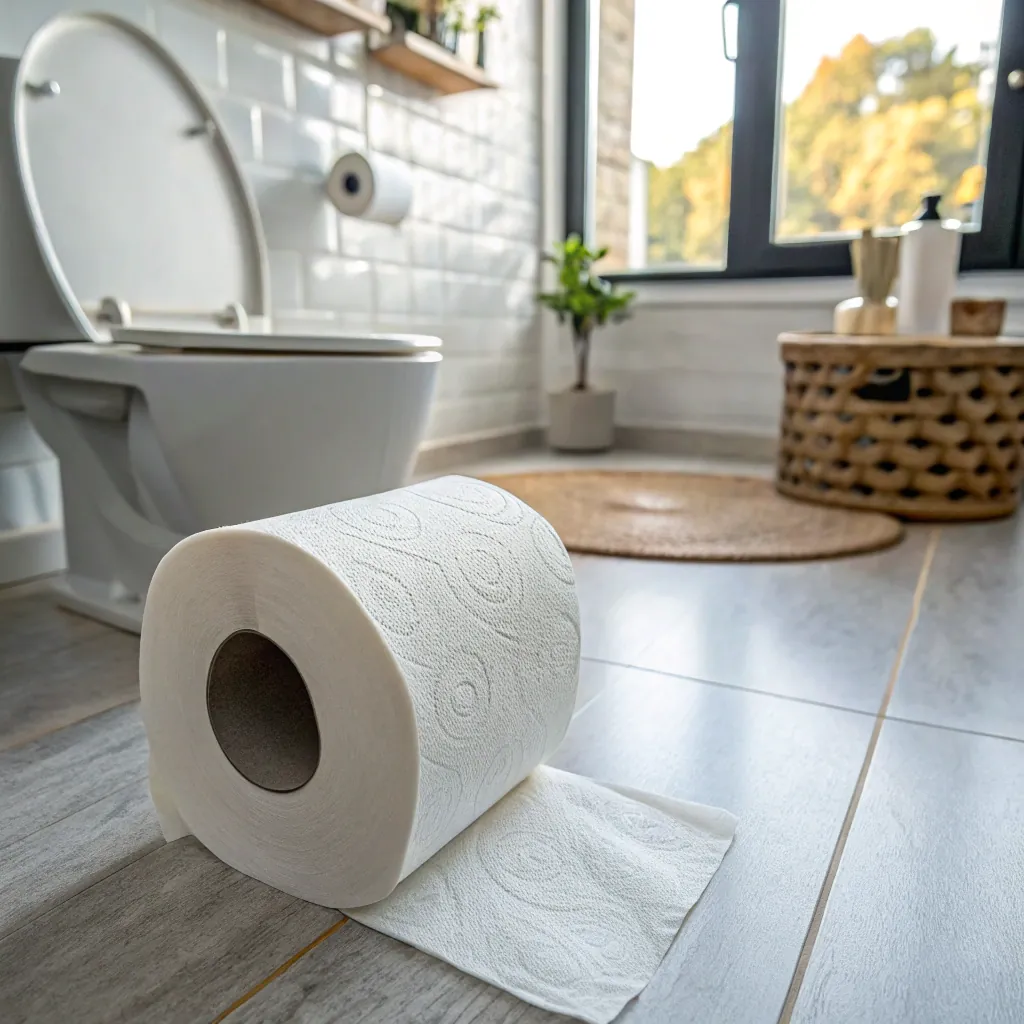
Manufacturers balance softness, strength, and dissolvability. Improving one feature often weakens another.
Fiber type matters most
Most toilet paper uses one of these fibers:
- Virgin wood pulp
- Recycled paper pulp
- Bamboo pulp
Short fibers break apart faster. Long fibers create stronger sheets but dissolve slower. Bamboo pulp often sits between wood and recycled pulp in behavior.
Wet strength is a key concept
Wet strength is how well paper holds together when wet. High wet strength is good for towels but bad for toilets.
Toilet paper is made with low wet strength on purpose. Once wet, the bonds weaken fast. This is very different from kitchen towels or wipes.
Ply count and embossing
More plies mean more layers. More layers mean more time to break apart.
Embossing creates air gaps. These gaps let water enter faster. This helps dissolving even in thicker paper.
Additives and treatments
Some paper uses lotions or softeners. These can slow water absorption slightly. The effect is small, but it matters in old pipes or septic tanks.
Design trade-offs
| Design Feature | Improves Comfort | Improves Dissolving |
|---|---|---|
| More plies | Yes | No |
| Short fibers | No | Yes |
| Loose embossing | Yes | Yes |
| High wet strength | Yes | No |
This balance explains why some soft toilet paper causes more plumbing trouble.
Can non-dissolvable toilet paper cause clogs?
Many clogs blamed on plumbing are actually caused by paper behavior, not pipe size. When paper fails to break down, it becomes a trap for waste.
Yes, poorly dissolving toilet paper can cause clogs, especially in low-flow or older plumbing systems.
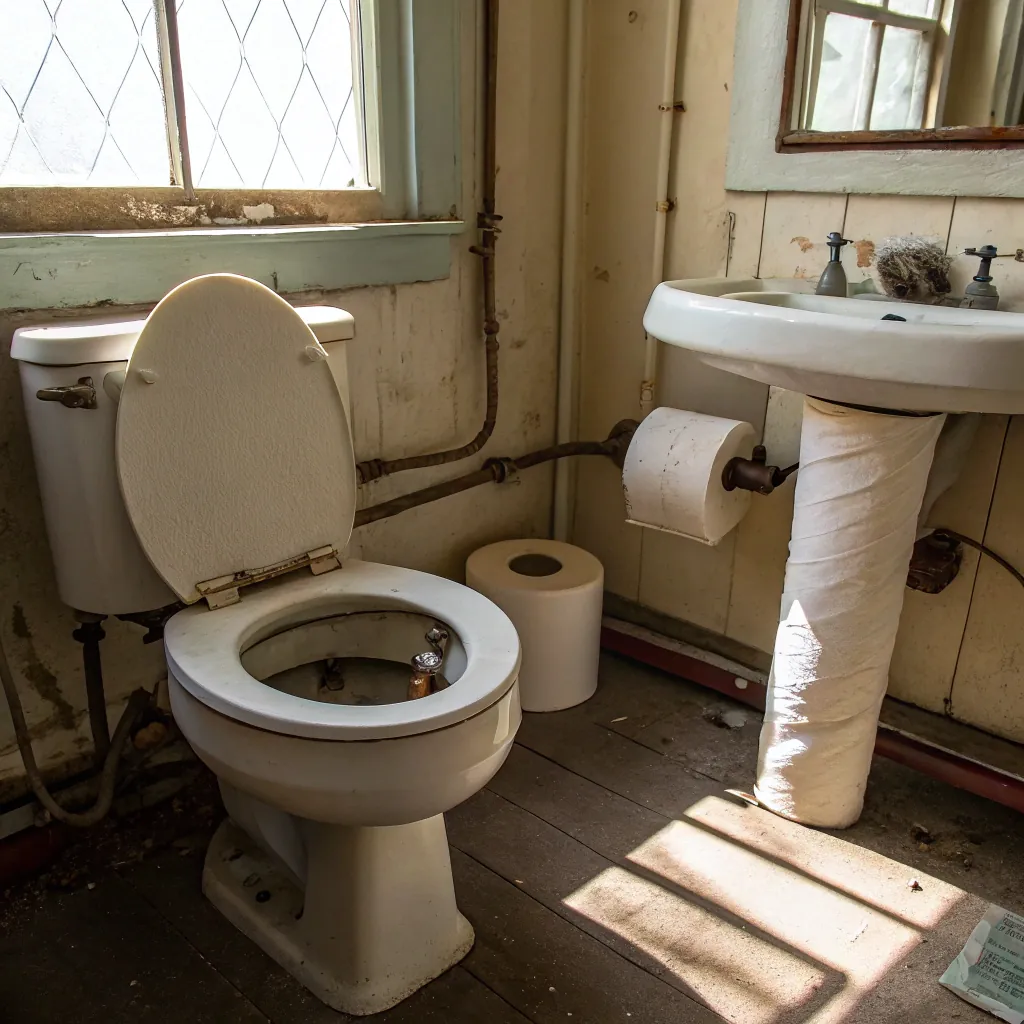
Toilet paper alone rarely causes a blockage. The problem starts when paper stays intact long enough to catch other materials.
How clogs really form
A clog forms in stages:
- Paper stays in large pieces
- Paper catches solid waste
- The mass slows water flow
- New paper sticks to it
- A full blockage forms
Once this starts, flushing more water often makes it worse.
High-risk systems
Some systems face higher risk:
- Old homes with narrow pipes
- Septic tanks
- RV and marine toilets
- Low-water flush toilets
These systems rely on fast breakdown of waste and paper.
Common user mistakes
Many users think all paper is safe. Problems often come from habits, not products.
Common mistakes include:
- Using too much paper at once
- Flushing thick multi-ply paper
- Mixing paper with wipes
- Ignoring slow drain signs
Even paper labeled “flushable” can cause trouble if it is not real toilet paper.
Real-world pattern
In many service cases, plumbers find paper wrapped around other debris. The paper acts like string. It binds waste together.
This is why dissolvability matters even when paper feels soft and clean.
Is fast-dissolving paper better for plumbing?
Many buyers assume that faster dissolving is always better. This is mostly true, but there are limits.
Fast-dissolving toilet paper is better for plumbing safety, but it must still meet basic comfort and strength needs.
If paper dissolves too fast, it can tear during use. This creates a poor user experience.
Plumbing-first vs user-first design
There are two main design goals:
- User-first: soft, thick, strong
- Plumbing-first: thin, fast breakdown
The best products find a middle ground.
When fast dissolving matters most
Fast dissolving paper is especially useful in:
- Septic systems
- RV toilets
- Public restrooms
- Hotels and airports
In these places, paper must disappear quickly to avoid buildup.
Testing dissolvability
Manufacturers use simple tests:
- Shake tests in water jars
- Agitation tests
- Dispersal time checks
Paper that breaks into small pieces under light shaking performs better in real pipes.
Comfort does not mean danger
Modern production allows soft paper that still dissolves well. This is done by:
- Better embossing
- Balanced fiber blends
- Controlled ply bonding
The idea that safe paper must feel cheap is outdated.
Practical buying guide
| Use Case | Recommended Paper Type |
|---|---|
| Home with new pipes | Mid-ply, balanced |
| Old building | Low-ply, fast dissolve |
| Septic tank | Fast-dissolving, low wet strength |
| Commercial restroom | Industrial-grade, fast disperse |
Choosing paper based on system type reduces long-term risk.
Conclusion
Toilet paper does dissolve, but design and use decide how safe it is. Fast breakdown protects pipes, tanks, and systems. Choosing the right paper and using it wisely prevents most clogs before they start.