Ir al contenido
Bamboo fiber is becoming more popular in many industries, but many people still do not fully understand this material. Choosing the wrong fiber can affect comfort, product quality, and customer satisfaction.
Bamboo fiber is a textile material made from bamboo plants. It is known for its softness, moisture absorption, smooth feeling, and natural origin. However, the real value of bamboo fiber depends on how manufacturers produce and use it.
Bamboo fiber has attracted attention from textile brands, manufacturers, and customers around the world. Many people are looking for materials that provide comfort while also offering a more natural choice. When I study different textile materials, I find that bamboo fiber creates interesting discussions because it combines traditional plant resources with modern manufacturing technology.
Bamboo has been used for many years in different industries because it grows quickly and has strong natural properties. Today, bamboo is not only used for furniture or construction materials. It has also become an important source for textile production.
The popularity of bamboo fiber comes from several reasons. It can create soft fabrics, it can absorb moisture well, and it can provide a comfortable feeling when used in clothing and home products. At the same time, people also want to know if bamboo fiber is truly sustainable and if it can replace traditional materials like cotton.
To understand bamboo fiber better, I need to look at its production process, environmental value, common applications, and comparison with other fibers. These points help buyers and manufacturers make better decisions.
How Is Bamboo Fiber Made?
Bamboo fiber is made by transforming bamboo plants into textile fibers through different processing methods. The process changes hard bamboo materials into soft fibers that can be used for fabrics, clothing, and household products.
Bamboo fiber is usually produced through bamboo harvesting, bamboo processing, cellulose extraction, fiber creation, and yarn production. Most commercial bamboo fiber today is regenerated bamboo fiber because this method creates softer and more flexible materials.
The production method directly affects the quality of bamboo fiber. Natural bamboo fiber and regenerated bamboo fiber are not the same. Natural bamboo fiber uses mechanical methods to separate fibers from bamboo, while regenerated bamboo fiber uses chemical methods to turn bamboo pulp into new textile fibers.
Main Steps Of Bamboo Fiber Production
| Fase de producción | Explicación |
|---|---|
| Bamboo selection | Manufacturers choose mature bamboo plants with suitable quality |
| Preparación del bambú | Bamboo is cleaned and processed into smaller pieces |
| Cellulose extraction | Bamboo materials are changed into usable cellulose |
| Fiber production | Cellulose is processed into textile fibers |
| Yarn spinning | Fibers are spun into yarn for fabric production |
The first step is selecting the right bamboo. Mature bamboo usually provides better material quality. After harvesting, manufacturers remove unwanted parts and prepare the bamboo for further processing.
The next step is extracting cellulose from bamboo. Cellulose is the main material used to create textile fibers. During this stage, manufacturers need to control the process carefully because the treatment method affects the final product.
Different Bamboo Fiber Production Methods
There are mainly two production methods:
Mechanical Bamboo Fiber Production
Mechanical production keeps more of the natural bamboo structure. The bamboo is crushed and processed to separate fibers. This method creates a more natural product, but it is slower and more expensive.
Chemical Bamboo Fiber Production
Chemical production is more common in large-scale manufacturing. Bamboo is turned into pulp and processed into regenerated fibers. This method allows manufacturers to produce large quantities with consistent quality.
When I look at bamboo fiber products, I do not only focus on the word “bamboo.” The production method is also important. A bamboo label does not always mean the product has the same quality or environmental value.
Manufacturers need to balance production efficiency, product performance, and environmental responsibility. A good production process can create bamboo fiber products with excellent softness and durability.
The future development of bamboo fiber depends on better technology. Cleaner production methods and improved recycling systems can help bamboo fiber become a stronger choice in the global textile market.
Is Bamboo Fiber Eco Friendly?
Bamboo fiber is often considered an eco friendly material because bamboo grows quickly and requires fewer resources compared with some traditional crops. However, the environmental value of bamboo fiber depends on the complete production process.
Bamboo fiber can be eco friendly when manufacturers use responsible farming methods and better production technology. The environmental performance is not only decided by the bamboo plant itself but also by how factories process and manage the material.
Many people believe bamboo fiber is automatically sustainable because bamboo is a natural plant. However, this idea is too simple. The production process can change the final environmental impact.
Ventajas medioambientales del bambú
Bamboo has several natural benefits:
- Bamboo grows very quickly.
- Bamboo can be harvested regularly.
- Bamboo usually needs less water than some crops.
- Bamboo can grow in different environments.
- Bamboo can provide a renewable source of raw material.
These advantages make bamboo attractive for companies that want alternative materials. However, sustainability includes more than the raw material.
Factories also need to consider energy use, chemical management, waste treatment, and transportation. A responsible production system can improve the environmental value of bamboo fiber.
Bamboo Fiber Compared With Other Materials
| Material | Ventaja | Reto |
|---|---|---|
| Bamboo Fiber | Renewable raw material and soft texture | Some production methods use chemicals |
| Algodón | Natural, familiar, and durable | Requires more water during farming |
| Polyester | Strong and affordable | Uses petroleum-based resources |
I believe bamboo fiber should be viewed as a material with potential instead of a perfect solution. Every material has strengths and weaknesses. The important point is how companies manage the entire production chain.
For buyers, understanding the source and manufacturing process is very important. A product with a natural label does not always mean it has the lowest environmental impact.
Bamboo fiber has a positive direction because technology continues improving. Better chemical recovery systems and cleaner production methods can help reduce environmental problems.
The textile market is changing because customers are paying more attention to sustainability. Bamboo fiber gives brands another option to create products that combine comfort, design, and environmental awareness.
What Are The Uses Of Bamboo Fiber?
Bamboo fiber is used in many products because it provides softness, moisture absorption, and comfort. Today, manufacturers use bamboo fiber in clothing, home textiles, and other daily products.
Bamboo fiber is commonly found in products such as shirts, towels, bedding, socks, underwear, and baby products. Its smooth surface makes it suitable for items that directly touch human skin.
The textile industry continues exploring bamboo fiber because customers want materials that feel comfortable and have natural features. Many brands use bamboo fiber to create products with a premium feeling.
Common Uses Of Bamboo Fiber
| Application Area | Product Examples |
|---|---|
| Clothing | T-shirts, underwear, socks, sportswear |
| Home textiles | Towels, bed sheets, blankets |
| Baby products | Baby clothes and soft fabrics |
| Personal products | Reusable fabric items |
Bamboo fiber works well in clothing because it feels soft and lightweight. Many customers like bamboo fabrics because they provide a comfortable experience, especially in warm weather.
Bamboo fiber is also popular in bedding products. Bamboo sheets and blankets are often chosen by customers who want smooth and breathable materials.
Why Companies Use Bamboo Fiber
Companies choose bamboo fiber because:
- It creates a different product story.
- It offers a soft and comfortable feeling.
- It attracts customers interested in natural materials.
- It provides an alternative to traditional fibers.
When I analyze market changes, I notice that customers care more about product background. They want to know where materials come from and how products are made.
Bamboo fiber helps brands explain product value beyond appearance. However, marketing alone cannot create a successful product. Manufacturers still need to focus on quality, durability, and customer experience.
Bamboo fiber products need proper testing before entering the market. Strength, color stability, shrinkage, and washing performance are important factors.
The best results often come from choosing the correct fiber combination. Some manufacturers blend bamboo fiber with cotton or other materials to improve strength and control production costs.
Is Bamboo Fiber Better Than Cotton?
Bamboo fiber and cotton are both popular materials, but they have different features. The better choice depends on product requirements, customer expectations, and market goals.
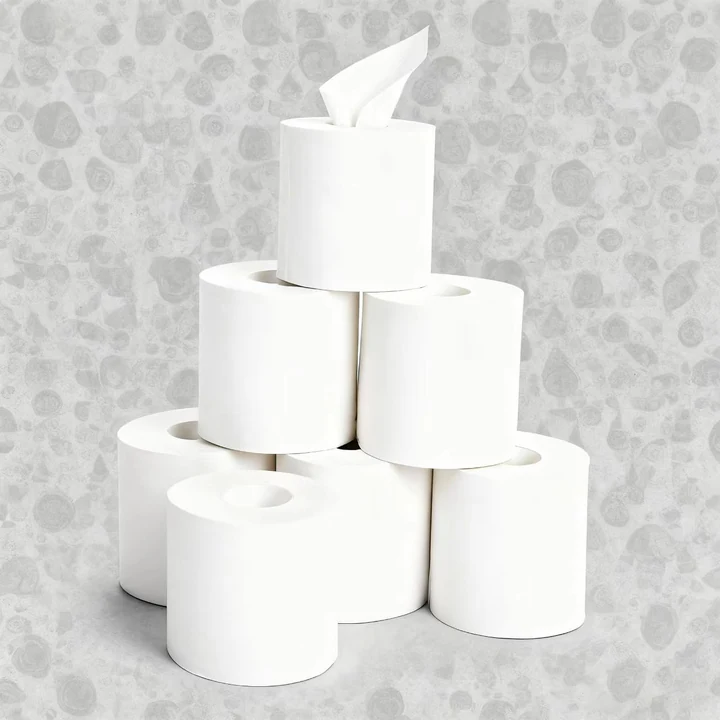
Bamboo fiber is often softer and has better moisture absorption, while cotton has a longer history and a stronger global supply chain. Neither material is always better because each one has different advantages.
Bamboo Fiber And Cotton Comparison
| Característica | Bamboo Fiber | Algodón |
|---|---|---|
| Suavidad | Very soft and smooth | Soft and comfortable |
| Absorción de humedad | Excelente | Bien |
| Durabilidad | Depends on processing quality | Normalmente fuerte |
| Market experience | Growing market | Very mature market |
Cotton remains one of the most important textile materials in the world. Many manufacturers understand cotton production well, and customers already trust cotton products.
Bamboo fiber is newer in many markets, but it has gained attention because of its special feeling and natural image.
Choosing The Right Material
The choice between bamboo fiber and cotton depends on:
- Product purpose
- Grupo de clientes
- Price range
- Performance needs
- Objetivos medioambientales
For luxury bedding, bamboo fiber may provide a softer experience. For products requiring long-term durability, cotton may be a better option.
I do not think bamboo fiber needs to replace cotton completely. Instead, bamboo fiber creates another choice for manufacturers and customers.
The textile industry needs different materials because customer needs are different. Some buyers want softness, some want durability, and some want sustainable options.
Bamboo fiber has strong future potential because it combines natural resources with modern technology. With better manufacturing methods, it can continue growing as an important textile material.
Conclusión
Bamboo fiber is a modern material made from bamboo plants. It offers softness, comfort, and many useful applications. Its future depends on responsible production, better technology, and suitable use.