Aller directement au contenu

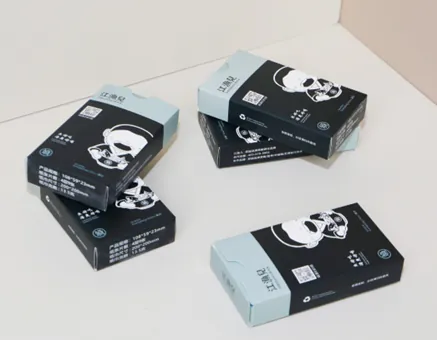
Le papier toilette peut paraître anodin, mais ses matières premières, sa fabrication, son conditionnement et son transport peuvent entraîner des coûts environnementaux que de nombreux consommateurs ne prennent pas en compte lorsqu'ils comparent les produits.
Le papier toilette en bambou peut être plus respectueux de l'environnement lorsque le bambou est issu d'une exploitation responsable et que la production est bien gérée. Le bambou pousse rapidement, se régénère après la récolte et peut réduire la dépendance vis-à-vis de la fibre de bois vierge. Toutefois, son impact environnemental global dépend également de la fabrication de la pâte à papier, de la consommation d'énergie, des produits chimiques utilisés, de l'emballage, du transport et des pratiques en usine.
Pour les acheteurs en gros et les marques de distributeur, le simple mot " bambou " ne suffit pas à prouver la durabilité. Il faut prendre en compte l'ensemble du cycle de vie du produit. L'approvisionnement en matières premières est important, mais l'efficacité de la fabrication, le traitement des fibres, les choix d'emballage, la distance de transport, les certifications et la qualité du produit le sont tout autant. Comprendre ces facteurs aide les acheteurs à formuler des allégations environnementales plus précises et plus faciles à étayer.
Pourquoi le papier toilette en bambou est-il plus durable ?
De nombreuses marques commercialisent du papier toilette en bambou en le présentant comme une alternative écologique, mais la présence d'une image de bambou sur l'emballage ne garantit pas automatiquement que le produit fini soit durable. Les consommateurs doivent comprendre ce qui explique cet avantage environnemental.
Le papier toilette en bambou peut être plus durable, car le bambou pousse rapidement, peut se régénérer à partir de son système racinaire existant et constitue une source renouvelable de fibres. Lorsque le bambou provient de terres gérées de manière responsable et d’usines performantes, il permet de réduire la pression sur les ressources en bois tout en produisant un papier doux, résistant et absorbant.
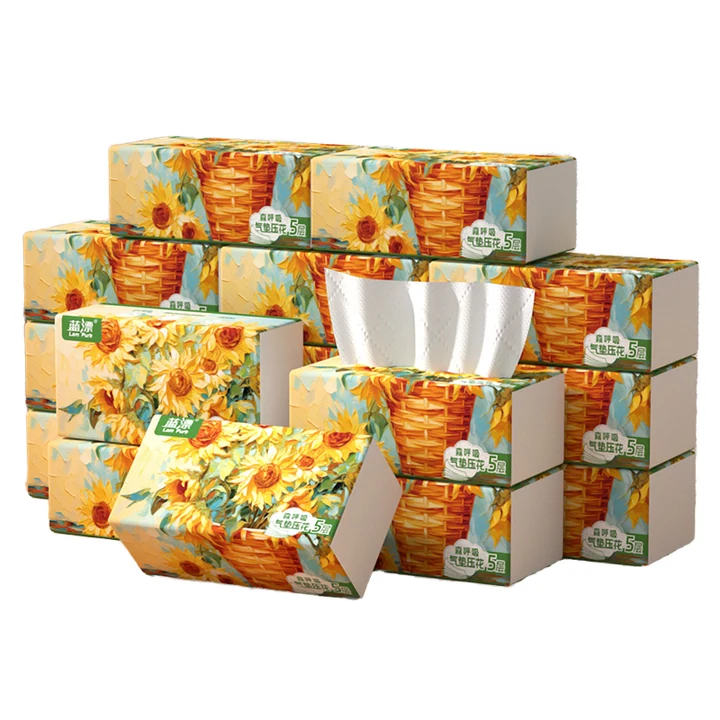
Le bambou pousse très vite
L'un des principaux avantages du bambou réside dans son mode de croissance.
Le bambou est une graminée et non un arbre. De nombreuses espèces de bambou poussent beaucoup plus vite que les arbres utilisés pour la production commerciale de pâte à papier. Une fois les tiges de bambou matures récoltées, le système racinaire souterrain peut rester en vie et produire de nouvelles pousses.
Cela confère au bambou une propriété intéressante en tant que source de fibres.
Une forêt exploitée pour la production de pâte à papier a besoin de temps pour régénérer les arbres abattus. La durée exacte dépend de l'essence, du climat, de la localisation et du mode d'exploitation forestière. Le bambou peut avoir un cycle de croissance beaucoup plus court dans des conditions favorables.
Une croissance rapide ne signifie pas pour autant que toutes les plantations de bambou soient automatiquement durables. La gestion des terres reste un enjeu important. De mauvaises pratiques agricoles peuvent endommager les sols, réduire la biodiversité locale ou engendrer d’autres problèmes environnementaux. Un acheteur responsable devrait donc s’informer de la provenance du bambou plutôt que de se contenter d’une simple allégation générale selon laquelle il s’agit d’un " bambou respectueux de l’environnement ".
Le bambou peut se régénérer après la récolte
Le bambou peut généralement repousser sans qu'il soit nécessaire de replanter chaque tige récoltée.
Son système de rhizomes souterrains permet l'apparition de nouvelles pousses. Cela peut réduire la nécessité de replantations répétées et rendre le bambou utile pour la production de fibres à long terme.
Cet avantage prend tout son sens lorsque le bambou est géré correctement.
Une ressource de bambou bien gérée peut fournir de la matière première au fil de cycles de récolte successifs. Cela permet de disposer d'une source stable de fibres pour la production de pâte à papier. Pour les commandes B2B importantes, la stabilité de l'approvisionnement en matière première présente également un avantage commercial, car les fabricants ont besoin d'un approvisionnement prévisible en fibres pour maintenir leur production.
Pour autant, la durabilité ne devrait jamais être évaluée uniquement à l'aune de la croissance des plantes.
La pâte à papier doit être traitée. Le papier hygiénique doit être formé et séché. Les gros rouleaux mères doivent être découpés. Les rouleaux de papier toilette finis doivent être emballés et transportés.
Chaque étape mobilise des ressources.
La durabilité dépend de l'ensemble de la chaîne d'approvisionnement
En matière d'approvisionnement B2B, nous devons généralement prendre en compte plusieurs facteurs simultanément.
| Facteur | Avantage potentiel du bambou | Ce que les acheteurs doivent vérifier |
|---|---|---|
| Taux de croissance | Le bambou peut pousser rapidement | Espèces de bambou et provenance |
| Régénération | De nouvelles pousses peuvent se développer à partir des racines existantes | Pratiques de gestion des terres |
| Source de fibres | Peut réduire la dépendance vis-à-vis de la pâte à papier | Teneur réelle en fibres de bambou |
| Fabrication | Des lignes modernes peuvent améliorer l'efficacité | Gestion de l'énergie, de l'eau et des déchets |
| Emballage | Il est possible de réduire l'utilisation du plastique | Matériaux d'emballage et conception des emballages |
| Livraison | Une densité de chargement élevée peut réduire le coût de transport par unité | Dimensions des cartons et chargement des conteneurs |
| Certification | Permet d'étayer les allégations relatives à l'approvisionnement responsable | Champ d'application et documents en vigueur |
Ce tableau montre pourquoi la matière première doit être considérée comme un élément d'un système plus vaste.
Un rouleau de papier toilette en bambou de mauvaise qualité peut avoir un impact environnemental plus important que ne le pensent les consommateurs. Un produit performant, issu d’un approvisionnement responsable en matières premières, d’un processus de fabrication contrôlé, d’un emballage adapté et d’un chargement efficace des conteneurs, peut constituer un argument de durabilité plus convaincant.
Pour les marques, cette différence est importante. Les clients sont de plus en plus sensibles aux arguments environnementaux. Un simple emballage écologique peut attirer l'attention, mais les acheteurs ont besoin de données concrètes pour étayer ce message.
Le papier toilette en bambou contribue-t-il à réduire la déforestation ?
Les consommateurs choisissent souvent des produits en bambou parce qu'ils souhaitent protéger les forêts. Le principe semble simple : utiliser du bambou à la place des arbres. Dans la pratique, le lien entre le papier toilette et la déforestation mérite d'être examiné de plus près.
Le papier toilette à base de bambou peut contribuer à réduire la demande en pâte de bois vierge, car le bambou constitue une source alternative de fibres de cellulose. Cependant, cela ne met pas automatiquement fin à la déforestation. Son véritable intérêt dépend du lieu de culture du bambou, de la manière dont les terres sont gérées, du type de fibres contenues dans le papier toilette et du respect ou non de pratiques d'approvisionnement responsables.
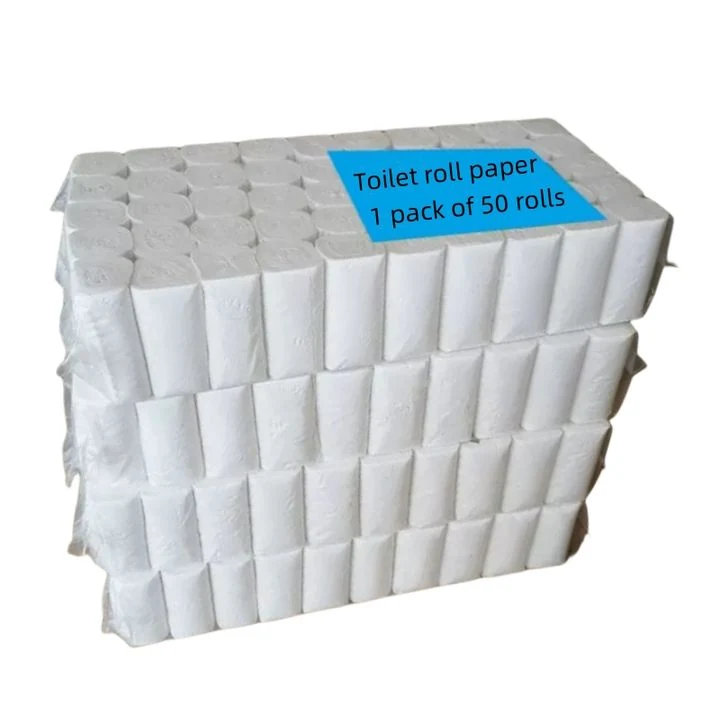
Le bambou offre aux fabricants une nouvelle option en matière de fibres
Le papier toilette nécessite des fibres de cellulose.
Le papier toilette traditionnel « vierge » est généralement fabriqué à partir de pâte de bois. Le papier toilette recyclé est quant à lui fabriqué à partir de fibres de papier récupérées. Le papier toilette en bambou est fabriqué à partir de fibres issues du bambou, bien que certains produits puissent contenir des mélanges de fibres.
Using bamboo creates another raw material option.
If a manufacturer replaces virgin wood pulp with responsibly sourced bamboo pulp, demand for wood fiber for that specific product can fall. When this happens across large production volumes, bamboo can reduce dependence on forest-based raw materials.
But the word "can" is important.
A product labeled as bamboo should be checked carefully. Buyers should confirm whether it uses 100% bamboo pulp or a blend. If it is a blend, the other fiber source should also be identified.
For wholesale and private-label projects, fiber composition should be written clearly in the product specification and purchase documents.
Deforestation Is More Complex Than Cutting Trees
Cutting a tree does not always equal deforestation.
Commercial forestry can involve managed forests where trees are harvested and replanted. Deforestation usually involves forest land being cleared or converted to another long-term use.
This distinction matters because sustainability comparisons can become too simple.
A responsibly managed wood source can have different environmental effects from wood taken from a poorly managed forest. In the same way, bamboo grown responsibly can have different effects from bamboo produced through harmful land conversion.
So buyers should avoid a simple claim that "bamboo saves trees, therefore bamboo is always better."
A more useful question is whether the fiber source reduces pressure on sensitive forests while avoiding new environmental damage.
Bamboo Production Also Needs Responsible Land Use
Bamboo farming needs land.
If natural ecosystems are cleared to create large bamboo plantations, some of the environmental advantage can disappear. Monoculture production can also affect biodiversity if it is managed poorly.
This is why traceability matters.
Buyers can ask suppliers about raw material origin, chain-of-custody systems, and relevant forestry or fiber certifications. Documents should match the actual product and supply chain rather than simply appearing in a supplier's marketing materials.
Recycled Fiber Adds Another Option
The environmental discussion should also include recycled toilet paper.
Recycled fiber reduces the need for new plant fiber because it gives existing paper another useful life. However, recycled tissue also requires collection, sorting, cleaning, processing, and sometimes de-inking.
So there are at least three broad fiber choices:
Virgin Wood, Bamboo, And Recycled Fiber
| Type de fibre | Main Strength | Principale préoccupation | Important Buyer Question |
|---|---|---|---|
| Pâte de bois vierge | Soft and consistent | Depends on forest sourcing | Is the wood responsibly sourced? |
| Pâte de bambou | Fast-growing renewable fiber | Land use and processing still matter | Where does the bamboo come from? |
| Fibre recyclée | Reuses existing paper resources | Cleaning and processing are required | What is the recycled fiber source? |
No single fiber wins every environmental comparison in every market.
Bamboo becomes especially interesting when buyers want a rapidly renewable plant fiber while maintaining the softness and appearance expected from household tissue.
The best result comes when responsible raw material sourcing is combined with efficient manufacturing.
How Does Bamboo Paper Impact The Environment?
A fast-growing plant sounds environmentally friendly, but toilet paper does not travel directly from a bamboo field into a bathroom. Manufacturing creates several environmental impacts between those two points.
Bamboo paper affects the environment through bamboo cultivation, pulping, water and energy use, tissue production, converting, packaging, and transportation. Bamboo's rapid growth can provide environmental benefits, but responsible sourcing and efficient manufacturing are needed to keep those benefits through the complete supply chain.
Pulping Is An Important Part Of The Environmental Impact
Bamboo must be broken down into usable cellulose fiber before it can become soft tissue.
This pulping stage needs industrial processing. Depending on the production method, factories may use water, heat, energy, and chemicals to separate and clean the fiber.
So bamboo toilet paper should not be described as impact-free.
No mass-produced tissue product is impact-free.
The more useful question is how efficiently a factory controls its resources and waste.
Modern production equipment can help manufacturers manage paper weight, water use, energy use, and production waste more consistently. Wastewater treatment and chemical management are also important parts of responsible industrial production.
For B2B buyers, these factory-level factors can be difficult to judge from a product sample. A soft roll does not show how its pulp was produced.
That is why supplier checks and supporting documents matter.
Energy Use Continues During Tissue Production
After pulping, the fiber is turned into tissue.
The process includes forming a wet sheet and removing water. Drying paper can require significant energy. The tissue is then wound into large parent rolls.
Those parent rolls still are not finished toilet paper.
Converting machines unwind the parent roll, emboss the tissue, perforate sheets, rewind the paper around a core when required, cut the long log into individual rolls, and send the rolls into packaging.
Every stage needs equipment and energy.
Production efficiency therefore affects both cost and environmental performance.
A stable automated line can reduce waste caused by incorrect dimensions, poor cutting, broken paper, or packaging errors. Less production waste means more of the purchased raw material becomes a saleable product.
Packaging Can Change The Environmental Profile
Packaging is another area buyers can control directly.
Toilet paper is often sold in plastic film because the film is light, inexpensive, and protects tissue from moisture and dirt. Some brands choose paper-based packaging or reduce the amount of plastic used.
Neither choice should be judged by appearance alone.
Packaging must protect the product during storage and international transport. If weak packaging causes damage, contamination, or unsellable goods, the environmental cost of replacing those products also matters.
Good packaging design tries to use enough material for protection without adding unnecessary layers.
Shipping Efficiency Matters For Bulky Products
Toilet paper is light but takes up a lot of space.
This makes container loading important.
Imagine two products with similar paper quality. One has oversized rolls and inefficient cartons. The other uses carefully designed dimensions that allow more saleable paper to fit into the same container.
The second product may use transport capacity more efficiently.
This is especially important for international wholesale orders.
Buyers should ask for carton dimensions and estimated container quantities before approving packaging. Small changes in roll diameter, compression, pack arrangement, and carton dimensions can change how many units fit into a 40-foot container.
Environmental performance therefore connects with commercial efficiency. Better loading can lower freight cost per roll and reduce transport requirements per saleable unit.
The Product Life Cycle Gives A Better View
When comparing suppliers, buyers should think from the bamboo source to the finished shipment:
Bamboo sourcing → pulping → tissue production → converting → packaging → inland transport → export shipping → distribution → consumer use → disposal.
Looking at only one step can create misleading conclusions.
Bamboo's fast growth is valuable. But the strongest environmental case comes when that raw material advantage continues through responsible processing, low waste, suitable packaging, and efficient logistics.
Is Bamboo Paper Better Than Regular Toilet Paper?
Bamboo toilet paper is often sold as a better alternative to regular toilet paper. Yet "better" can mean greener, softer, stronger, cheaper, or easier to source, so buyers need clear comparison points.
Bamboo toilet paper can be better than regular virgin wood toilet paper when buyers value rapidly renewable fiber and reduced dependence on wood pulp. However, the best choice depends on fiber sourcing, manufacturing efficiency, product quality, packaging, transport, certifications, price, and the requirements of the target market.
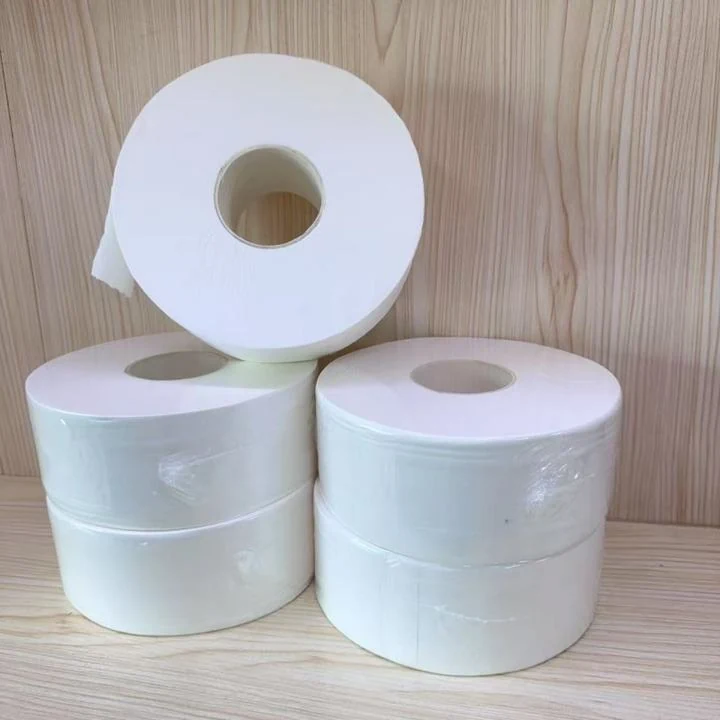
Environmental Performance Is Only One Buying Factor
For consumers, buying one pack of toilet paper is a small decision.
For an importer, supermarket chain, hotel supplier, or private-label brand, the decision can involve thousands or millions of rolls.
Product performance matters just as much as the environmental story.
Toilet paper needs enough strength for normal use. It needs acceptable softness. It should have consistent perforation and dimensions. It should also meet the expectations of the local market.
A sustainable product that performs poorly can be difficult to sell repeatedly.
This is why buyers should compare bamboo and regular toilet paper with the same product specifications.
For example, compare products with similar ply, sheet size, sheet count, GSM, roll weight, and packaging format. Without matching specifications, the comparison becomes unfair.
A very small bamboo roll should not be compared with a large premium wood-pulp roll only by price per roll.
Bamboo Can Support Product Differentiation
Bamboo also has a marketing advantage.
The raw material gives brands a clear product story. Packaging can explain the use of bamboo fiber and the product's sourcing features. This can help private-label products stand apart from standard tissue products.
However, environmental marketing needs care.
Claims should match the actual product specification and available evidence. Words such as "eco-friendly," "sustainable," "plastic-free," or "100% bamboo" can have different legal and commercial requirements in different markets.
Buyers should make sure their packaging claims are accurate and can be supported.
Regular Toilet Paper Still Has Advantages
Traditional wood-pulp toilet paper has a mature global supply chain.
Manufacturers have spent many years improving softness, strength, embossing, production speed, and cost. Large volumes are widely available, and buyers can choose from many grades.
This means bamboo is not automatically the best commercial choice for every project.
Price-sensitive wholesale markets may focus heavily on cost per roll. Premium retail markets may care more about material story and packaging. Hotels may focus on strength and roll size. E-commerce brands may place more value on differentiation and direct-to-consumer presentation.
The target customer should guide the product design.
Buyers Should Compare The Finished Products
When sourcing bamboo toilet paper, we should request physical samples and detailed specifications.
A practical comparison can include paper weight, sheets per roll, GSM, softness, tensile strength, absorbency, dust level, roll diameter, core size, packaging, carton size, and container loading quantity.
Buyers should also compare MOQ and lead time.
The lowest product price is not always the lowest purchasing cost. Poor container loading can increase freight cost. Weak cartons can increase damage. Unstable quality can create customer complaints. Long lead times can increase inventory pressure.
The same logic applies to environmental performance.
A bamboo product with excessive packaging, inefficient production, and poor loading should not receive a free pass simply because bamboo appears on the label.
A strong bamboo toilet paper program combines several things: responsible fiber sourcing, efficient manufacturing, reliable quality, practical packaging, good logistics, and clear product information.
When these parts work together, bamboo can offer a strong alternative to conventional virgin wood toilet paper. It gives buyers a fast-growing fiber source and a clear way to build a different product line.
For wholesale and private-label buyers, that is the key point. We should not ask whether every bamboo roll is automatically greener. We should ask whether the specific bamboo product and the supply chain behind it create a meaningful improvement for the target market.
Conclusion
Bamboo toilet paper can be better for the environment because bamboo grows quickly, regenerates after harvesting, and can reduce dependence on virgin wood fiber. Still, the final impact depends on responsible sourcing, pulping, energy use, packaging, manufacturing efficiency, and transport. Buyers should evaluate the complete supply chain before making environmental claims.