Aller directement au contenu
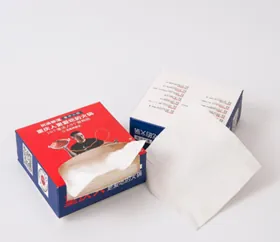
Many people want a greener choice for daily life. Then they see the price of bamboo toilet paper and wonder why it costs much more than regular toilet paper.
Bamboo toilet paper is more expensive because bamboo pulp costs more to process, production volumes are smaller, eco-friendly certifications add costs, and demand is still growing. Even so, many buyers believe the higher quality, sustainability, and premium market value make the extra cost worthwhile.
The price tag often tells only part of the story. Raw materials, manufacturing, transportation, branding, and market demand all play a part. Once these factors become clear, it is much easier to understand why bamboo toilet paper has become a premium product and whether it makes sense for different buyers.
What Makes Bamboo Toilet Paper More Expensive?
Many buyers compare bamboo toilet paper with regular toilet paper and expect similar prices. The difference often creates confusion because both products seem simple on the surface.
Bamboo toilet paper costs more because producing high-quality bamboo pulp requires extra processing, specialized equipment, sustainable sourcing, and lower production volumes than traditional wood pulp products.

The biggest cost starts with the raw material. Bamboo grows quickly, but turning bamboo into soft and strong tissue paper is not as simple as cutting trees into pulp. Bamboo fibers are naturally harder than wood fibers. Manufacturers must remove lignin and separate the fibers before they can produce soft tissue. This process uses advanced equipment and careful quality control.
Raw Material Processing
The bamboo plant itself grows very fast. Some species can reach full maturity in only three to five years. That sounds like a major advantage. Still, harvesting is only the beginning.
The pulp must go through several production steps before it becomes toilet paper. Every step requires machines, energy, water, chemicals that meet environmental standards, and skilled workers. These costs are much higher than many people expect.
Production Scale
Another important reason is production volume.
Traditional toilet paper factories have produced wood pulp products for decades. Their production lines are large, efficient, and highly optimized. Many factories produce millions of rolls every month.
Bamboo toilet paper is still a smaller market. Lower production volume means manufacturers cannot spread fixed costs across as many products.
| Cost Factor | Papier toilette classique | Papier toilette en bambou |
|---|---|---|
| Raw material supply | Very mature | Still developing |
| Production volume | Very high | Inférieur |
| Processing difficulty | Inférieur | Plus élevé |
| Equipment investment | Already optimized | Often specialized |
| Average production cost | Inférieur | Plus élevé |
Environmental Certifications
Many bamboo toilet paper manufacturers also invest in certifications.
These may include:
- Certification FSC
- ISO quality systems
- SGS testing
- FDA compliance for some markets
- Environmental management systems
These certifications build trust with international buyers. They also require audits, documentation, testing, and ongoing management.
Premium Packaging
Many bamboo toilet paper brands position themselves as premium household products.
That often means:
- Better printing
- Plastic-free packaging
- Recyclable cartons
- Attractive retail presentation
- Customized branding
These features improve customer experience, but they also increase manufacturing costs.
Supply Chain Costs
Transportation also affects pricing.
Most bamboo is grown in Asia. Products shipped to North America, Europe, Africa, or the Middle East must travel long distances by sea freight. Shipping costs, import duties, warehouse expenses, and local distribution all increase the final retail price.
When looking at the full supply chain instead of only the bamboo itself, the higher selling price becomes much easier to understand.
Is Bamboo Toilet Paper Worth The Price?
Many shoppers ask the same question after seeing the higher price. Paying more only makes sense if the product delivers better value.
For many consumers and wholesale buyers, bamboo toilet paper is worth the price because it offers sustainability, softness, strength, and strong brand value that many traditional products cannot match.
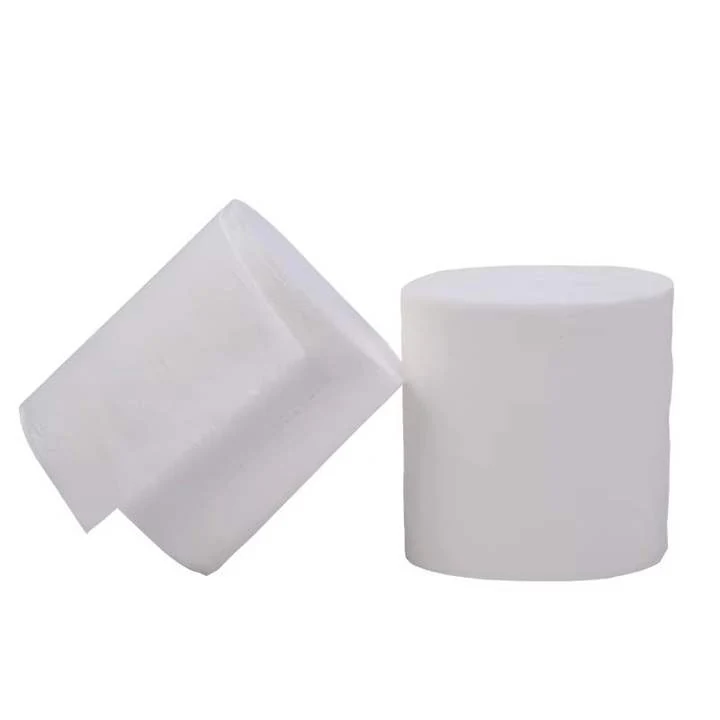
Value is different from price. Two products may cost different amounts, but the more expensive one may actually provide greater long-term benefits.
Better Sustainability
One of the biggest advantages is environmental impact.
Bamboo grows much faster than hardwood forests. It regenerates naturally after harvesting without replanting in many cases. This makes bamboo one of the fastest renewable plant resources in the world.
Many environmentally conscious consumers are willing to pay extra for products that support sustainable sourcing.
Premium Product Positioning
Retailers also see bamboo toilet paper as a premium category.
Instead of competing only on price, stores can offer bamboo tissue as an upgraded product with higher profit margins.
Consumers often associate bamboo products with:
- Better quality
- Eco-friendly living
- Modern lifestyles
- Premium household products
This perception helps brands build stronger customer loyalty.
Softness and Strength
Technology has improved significantly over the past decade.
Early bamboo toilet paper sometimes felt rough because manufacturers had limited experience processing bamboo fibers.
Modern production methods now create tissue that is both soft and durable.
Many customers find little difference between premium bamboo paper and premium virgin wood pulp tissue.
Business Opportunities
For wholesalers and distributors, bamboo toilet paper can open new market segments.
Growing consumer awareness creates demand from:
- Supermarkets
- Hotels
- Restaurants
- Office buildings
- Eco-friendly retail stores
- Online marketplaces
Offering bamboo products allows distributors to diversify their product lines instead of relying only on traditional tissue.
| Avantage | Business Value |
|---|---|
| Eco-friendly image | Attracts sustainability-focused customers |
| Premium pricing | Higher profit margins |
| Product differentiation | Less direct price competition |
| Growing demand | Expanding market opportunities |
| Strong branding | Better customer loyalty |
Long-Term Market Growth
Global demand for environmentally friendly paper products continues to grow.
Governments, retailers, and consumers are placing greater focus on sustainable products. Many companies now include environmental goals in their purchasing decisions.
Because of this trend, bamboo toilet paper is becoming more than a niche product. It is gradually becoming a mainstream option in many international markets.
For many buyers, the higher purchase price is balanced by stronger consumer demand and better market positioning.
How Much Does Bamboo Toilet Paper Cost?
Price is one of the first questions buyers ask, but there is no single answer. Costs vary by quality, country, packaging, and order size.
Bamboo toilet paper usually costs 20% to 100% more than regular toilet paper at retail. Wholesale prices depend on roll size, pulp quality, packaging, customization, and container quantity.

Retail shoppers often compare products by pack price. Professional buyers usually compare by container cost, production cost, or price per roll.
Retail Prices
Premium bamboo toilet paper brands generally sell at higher prices than traditional tissue.
Several factors affect retail pricing:
- Number of rolls
- Ply count
- Sheet count
- Packaging style
- Brand reputation
- Country of sale
Some premium brands also include subscription services, which may lower the price for repeat customers.
Wholesale Prices
Wholesale pricing follows different rules.
Large buyers usually negotiate based on:
- Quantité minimale de commande
- Container quantity
- Paper weight
- Diamètre du rouleau
- Diamètre du noyau
- Conception d'emballages
- Printing requirements
OEM and ODM production can significantly change the final price.
For example, custom packaging, private labels, embossed logos, or special roll sizes all increase production costs.
Cost Breakdown
Many people assume the paper itself represents most of the price. In reality, several cost categories contribute to the final selling price.
Typical production expenses include:
- Pâte de bambou
- Manufacturing
- Emballage
- Labor
- Quality inspection
- Shipping
- Warehousing
- Marketing
- Retail margins
Each step adds a small amount until the final consumer price is reached.
Price Differences Between Markets
Prices also vary around the world.
Countries with strong environmental awareness often accept higher retail prices.
In emerging markets, affordability remains a larger concern. Manufacturers may adjust packaging sizes or product specifications to reach local price targets.
Bulk buyers usually receive much lower prices than retail consumers because transportation and marketing costs are spread across much larger quantities.
Understanding these pricing differences helps buyers compare products more fairly instead of looking only at shelf prices.
Can Bamboo Toilet Paper Become Cheaper?
Many buyers hope bamboo toilet paper will become more affordable as demand continues to grow.
Yes. Bamboo toilet paper will likely become cheaper over time as production scales increase, technology improves, supply chains mature, and global demand supports larger manufacturing volumes.
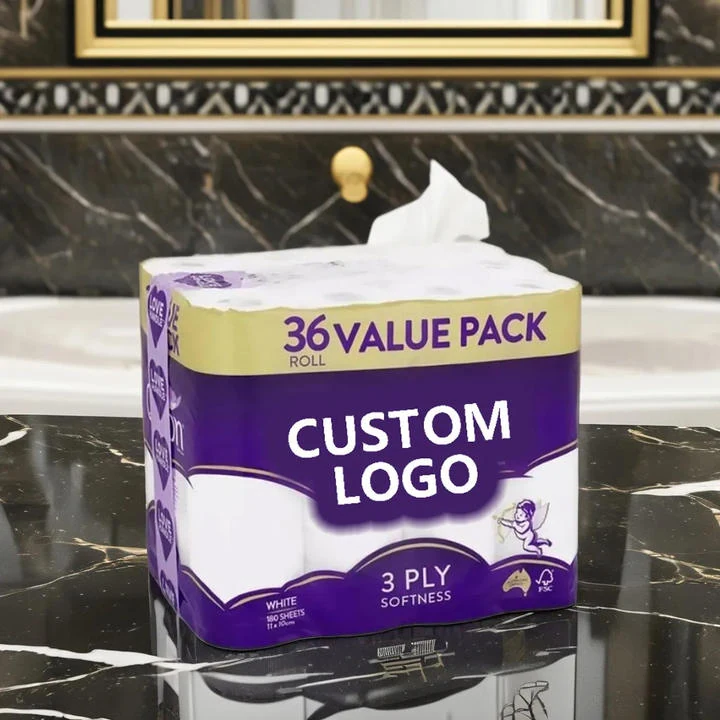
History shows that many premium products become more affordable after production expands.
The same trend is already beginning in the bamboo tissue industry.
Larger Manufacturing Capacity
As more factories invest in bamboo production lines, manufacturing efficiency improves.
Higher production volumes allow companies to lower unit costs.
Large factories can purchase raw materials in greater quantities, negotiate better shipping rates, and maximize machine utilization.
These savings often reduce production costs.
Better Technology
Production equipment continues to improve every year.
New machinery can:
- Process bamboo fibers faster
- Reduce waste
- Save energy
- Improve softness
- Increase production speed
Automation also lowers labor costs while improving product consistency.
More Competition
The bamboo tissue market has become much more competitive.
More manufacturers now offer:
- Private label production
- OEM services
- ODM development
- Flexible packaging
- Lower minimum order quantities
Competition encourages companies to improve efficiency instead of simply increasing prices.
Growing Consumer Demand
As more consumers choose sustainable products, production volumes continue to rise.
Higher demand encourages manufacturers to invest in larger factories, better logistics, and stronger supply chains.
These improvements gradually lower manufacturing costs.
Challenges That Will Remain
Even if prices decrease, bamboo toilet paper may never become as cheap as the lowest-cost recycled tissue.
Several costs will probably remain higher:
- Sustainable sourcing
- Environmental certification
- Premium positioning
- Quality control
- Advanced processing
Many consumers actually expect premium bamboo products to maintain higher quality rather than compete only on price.
The market will likely move toward better value instead of simply lower prices.
Conclusion
Bamboo toilet paper costs more because its raw materials, processing, certifications, and production scale all require greater investment. Even so, better sustainability, premium quality, and growing consumer demand continue to increase its value. As technology advances and production expands, prices will likely become more competitive while maintaining the environmental benefits that make bamboo toilet paper attractive.