Skip to content
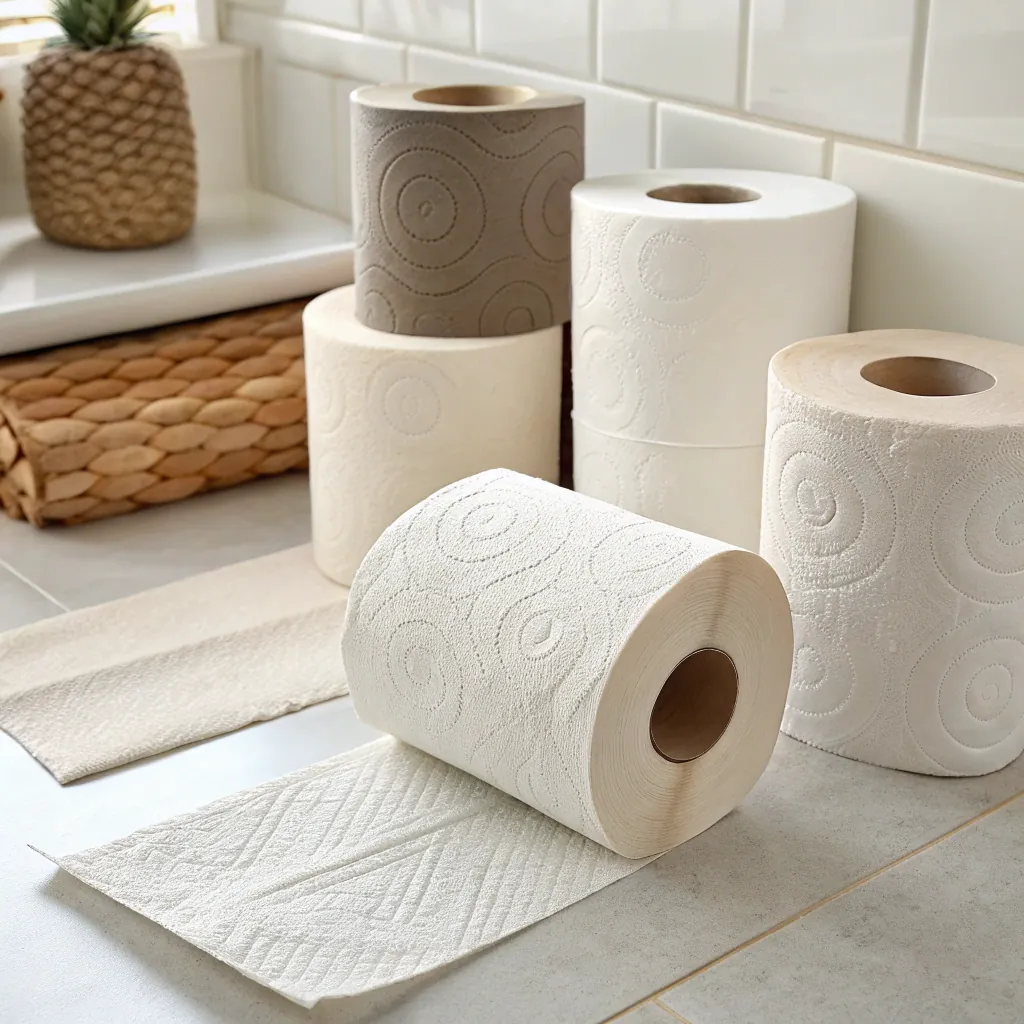
The problem starts small. One sheet feels too short. Another feels too wide. This makes buyers, importers, and even brand owners unsure what they are really selling.
A toilet paper square is usually about 95–115 mm wide and 95–120 mm long, but there is no single global standard. Most factories adjust sheet size based on market habits, roll diameter, ply count, and cost targets.
Many readers stop at this point. Some want to know if size is fixed. Others want to compare countries. This is where the details start to matter, especially for wholesale and OEM buyers.
Is the size of a sheet standardized?
The short answer is no. There is no global rule that forces all toilet paper sheets to be the same size. This surprises many buyers at first.
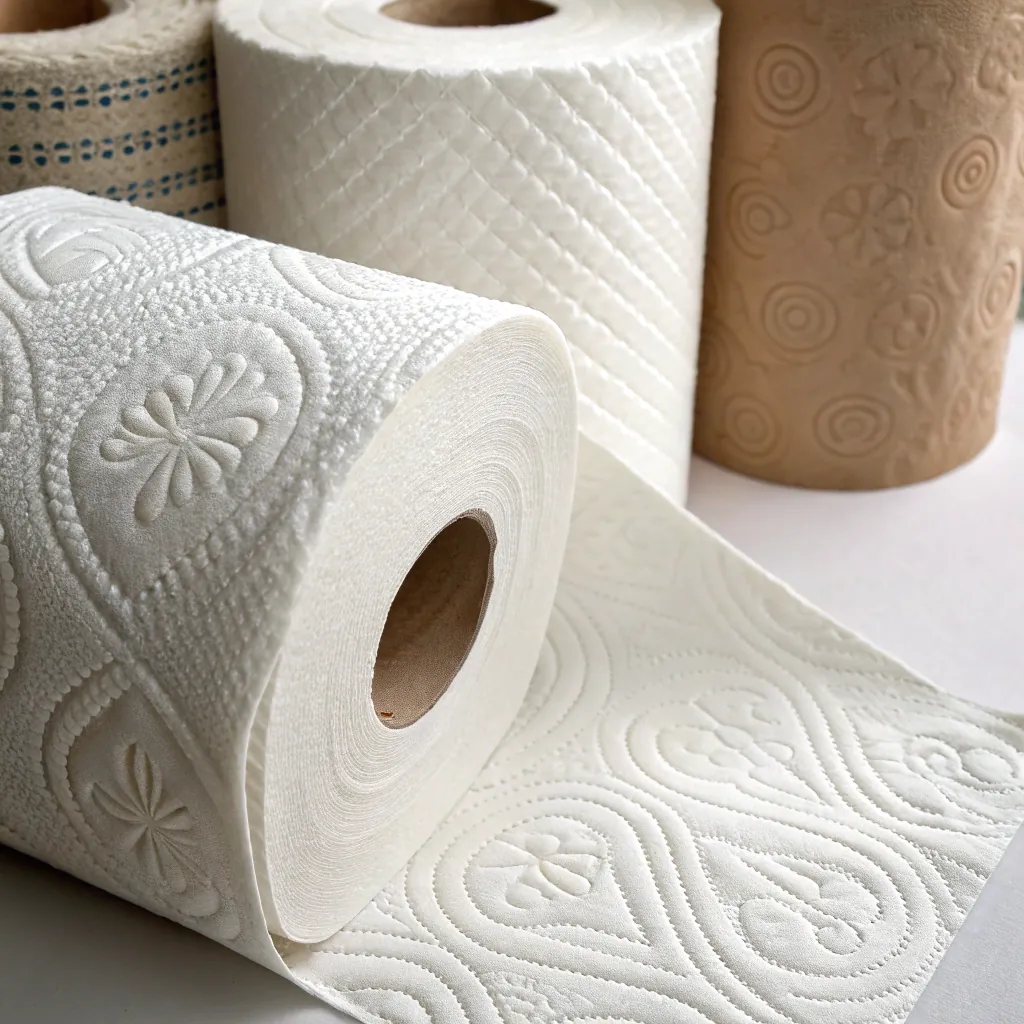
Toilet paper sheet size is not standardized worldwide. Manufacturers choose dimensions based on machine settings, market habits, cost control, and packaging needs.
This lack of standard comes from how toilet paper evolved. Early paper mills focused on roll diameter and sheet count, not exact sheet length. Over time, brands kept what worked in their markets.
Why no global standard exists
Several reasons explain this.
First, toilet paper is not regulated like medical paper or food packaging. Governments care more about safety and hygiene than size.
Second, production lines differ. Each converting machine has fixed perforation settings. Changing sheet length means changing gears, blades, and speed. Many factories prefer stable settings.
Third, buyers often focus on price per roll, not size per sheet. As long as the roll looks full, small changes in sheet length go unnoticed by end users.
Common sheet size ranges used by factories
Most factories work within a safe range that balances comfort and cost.
| Market Type | Common Width (mm) | Common Length (mm) |
|---|---|---|
| Retail household | 95–110 | 100–115 |
| Commercial jumbo | 90–105 | 95–110 |
| Premium brands | 105–115 | 110–120 |
These numbers are not strict rules. They are habits formed by years of market feedback.
How factories decide the final size
Factories usually start from three questions.
- What size do local buyers expect?
- How many sheets should fit on one roll?
- What is the target cost per roll?
From there, engineers adjust perforation length. A shorter sheet means more sheets per roll. A longer sheet means higher paper use per pull.
In OEM projects, sheet size is often negotiated. Buyers may request a custom length to stand out or to match competitor products.
Why sheet size still matters
Sheet size affects user behavior. Larger sheets reduce the number of pulls. Smaller sheets increase sheet count but may feel thin or short.
For wholesalers, sheet size also affects shipping. Shorter sheets often allow tighter winding, which improves container loading.
In practice, standardization is less important than consistency. Buyers care more that every roll matches the approved sample.
Do sheet sizes differ by country?
Yes, and the differences are clearer than many expect. Sheet size follows habits, not borders, but habits often align by region.
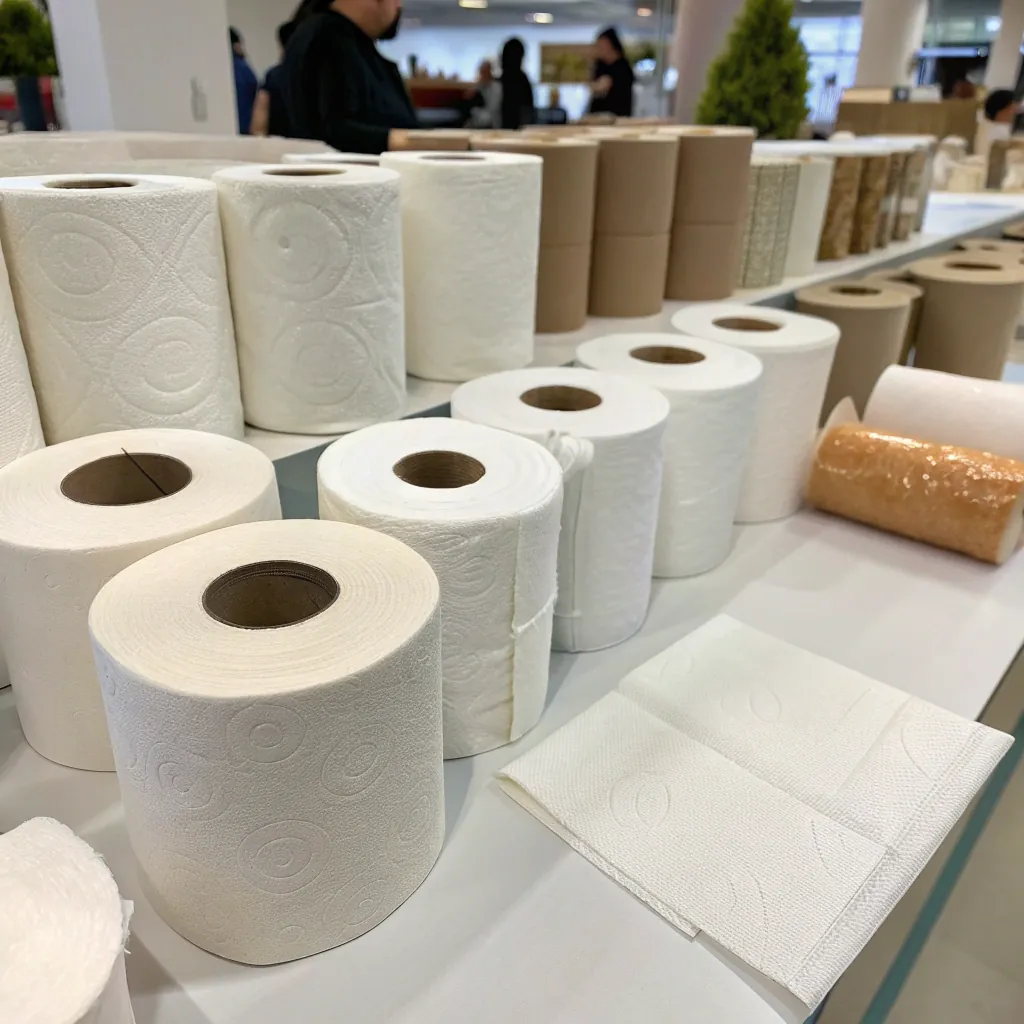
Sheet sizes differ by country and region, shaped by user habits, bathroom culture, and price sensitivity. North America, Europe, and Africa all show clear patterns.
North America
In the United States and Canada, sheets are often longer. Many rolls use sheet lengths around 110–115 mm.
This comes from a comfort-first mindset. Users expect a soft, large sheet. Brands compete on feel and thickness, not just price.
Longer sheets also match multi-ply products. A two-ply or three-ply sheet feels stronger when it covers more area.
Europe
Europe shows more variation.
Western Europe often uses medium sheet sizes, around 100–110 mm. Northern Europe sometimes prefers shorter sheets to reduce waste.
Eastern Europe and Southern Europe often follow price-driven models. Sheet lengths closer to 95–100 mm are common.
Environmental awareness also plays a role. Shorter sheets support “use less” messaging.
Africa
Many African markets prefer shorter sheets with higher grammage. A typical sheet may be around 95–100 mm.
The focus is durability. Users want paper that does not break easily. Sheet size matters less than strength.
Shorter sheets allow more sheets per roll. This helps wholesalers sell competitive prices while keeping rolls visually full.
Asia and the Middle East
Asia shows wide variation. Japan and Korea often use smaller sheets with high quality control. Southeast Asia mixes both short and medium sizes.
The Middle East often prefers medium sheets, around 100–110 mm, especially for imported brands.
Country differences in practice
Here is a simplified view.
| Region | Typical Sheet Length | Main Reason |
|---|---|---|
| North America | 110–115 mm | Comfort and premium feel |
| Western Europe | 100–110 mm | Balance of comfort and waste |
| Africa | 95–100 mm | Price and strength |
| East Asia | 90–105 mm | Efficiency and quality |
These are patterns, not rules. Local brands may differ.
What this means for importers
Importers should not assume one size fits all. A roll that sells well in one country may feel “wrong” in another.
In OEM orders, matching local expectations often matters more than copying global brands.
How many squares are in a typical roll?
This question sounds simple, but the answer depends on several hidden factors.
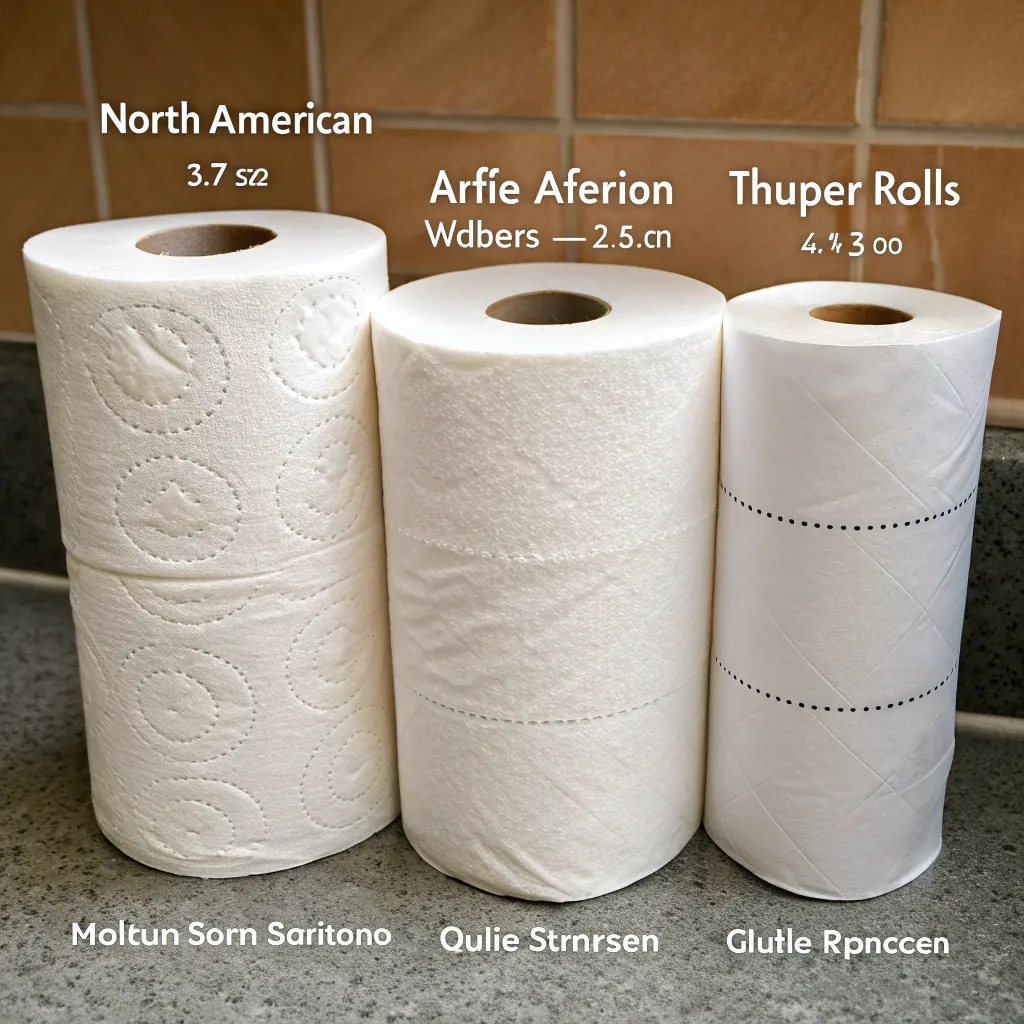
A typical toilet paper roll contains between 150 and 400 squares, depending on sheet size, roll diameter, paper thickness, and ply count.
The four factors that control sheet count
Sheet count is not random. It is controlled by four main elements.
- Sheet length
- Roll diameter
- Core size
- Paper thickness and ply
Changing one factor changes the final number.
Typical sheet counts by roll type
Here are common ranges seen in the market.
| Roll Type | Sheet Length | Typical Sheet Count |
|---|---|---|
| Standard household | 100–110 mm | 180–250 |
| Compact roll | 95–100 mm | 250–300 |
| Jumbo roll | 90–105 mm | 300–400+ |
Jumbo rolls used in malls and offices focus on high sheet count. Household rolls focus on comfort.
Why brands advertise sheet count
Sheet count is easy to understand. Consumers may not know grammage or ply weight, but they understand “more sheets.”
Shorter sheets help boost this number. A roll with 300 short sheets may use the same paper as one with 200 long sheets.
This is why two rolls of similar size can feel very different in use.
Sheet count and user behavior
Users do not pull the same number of sheets every time. Larger sheets reduce pulls. Smaller sheets increase pulls.
This affects real usage. A roll with fewer large sheets may last longer than one with many small sheets.
This is rarely explained on packaging.
Why sheet count alone is misleading
Sheet count ignores thickness and strength. A thin two-ply sheet may require more pulls than a thick two-ply sheet.
For B2B buyers, focusing only on sheet count can lead to complaints later. End users care about how the paper performs, not the printed number.
Practical advice for buyers
When comparing rolls, always check:
- Sheet length
- Ply and grammage
- Roll diameter
Sheet count should be read together with these factors, not alone.
Is square size related to ply strength?
Many people assume bigger sheets are stronger. This is only partly true.
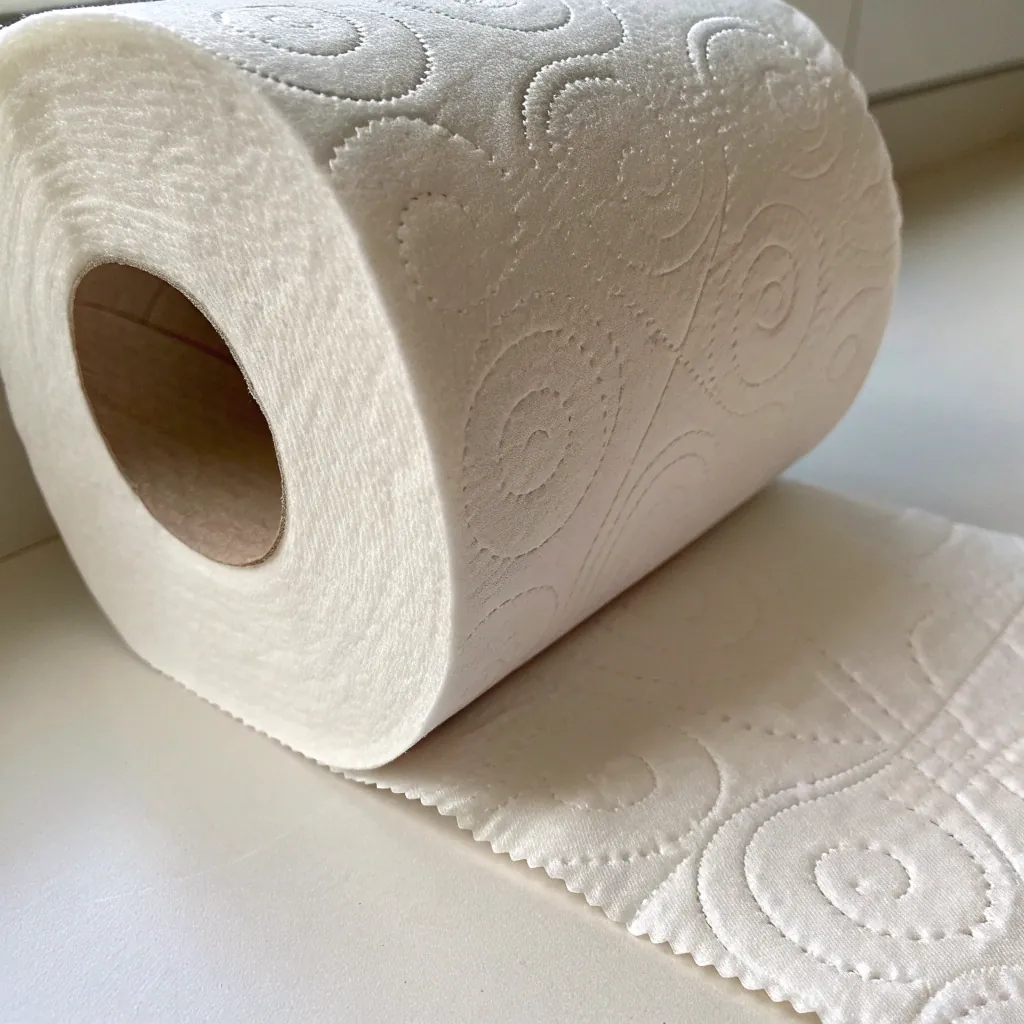
Sheet size does not directly determine ply strength. Strength depends on fiber quality, grammage, ply bonding, and embossing, not just square dimensions.
What actually defines ply strength
Ply strength comes from structure, not size.
Key factors include:
- Virgin pulp or recycled pulp
- Fiber length
- Grammage per ply
- Bonding between plies
- Embossing pattern
A small sheet made with strong fibers can outperform a large weak sheet.
The role of sheet size in perceived strength
Sheet size affects how users feel strength, not actual strength.
A larger sheet spreads force over a wider area. This can feel stronger during use.
A smaller sheet concentrates force. If the paper is weak, tearing happens faster.
This is why sheet size and strength are often discussed together, even though they are separate variables.
Ply count versus sheet size
A three-ply small sheet may feel stronger than a two-ply large sheet.
However, larger sheets give users more coverage. This reduces folding and pulling, which improves comfort.
Factories balance these factors based on target markets.
Embossing and bonding matter more
Embossing improves water absorption and bonding. Strong embossing patterns lock plies together.
Poor embossing causes ply separation, no matter how large the sheet is.
In quality control, tensile strength tests matter more than size checks.
Common misconceptions in the market
Many buyers believe:
- Bigger sheet equals higher quality
- More sheets equals better value
These ideas are easy to market but not always true.
Quality comes from raw material and process control. Size is only one part of the picture.
How factories optimize both
Experienced factories test combinations.
- Short sheet + high grammage
- Medium sheet + strong embossing
- Long sheet + lower grammage
The goal is stable strength, acceptable cost, and good user feel.
What buyers should ask instead
Instead of only asking sheet size, buyers should ask for:
- Tensile strength data
- Wet strength performance
- Ply bonding test results
These numbers reveal more than dimensions alone.
Conclusion
Toilet paper square size is flexible, market-driven, and deeply tied to habit and cost. There is no global standard. Understanding size, sheet count, and strength together helps buyers choose better products and avoid simple comparisons.