Skip to content
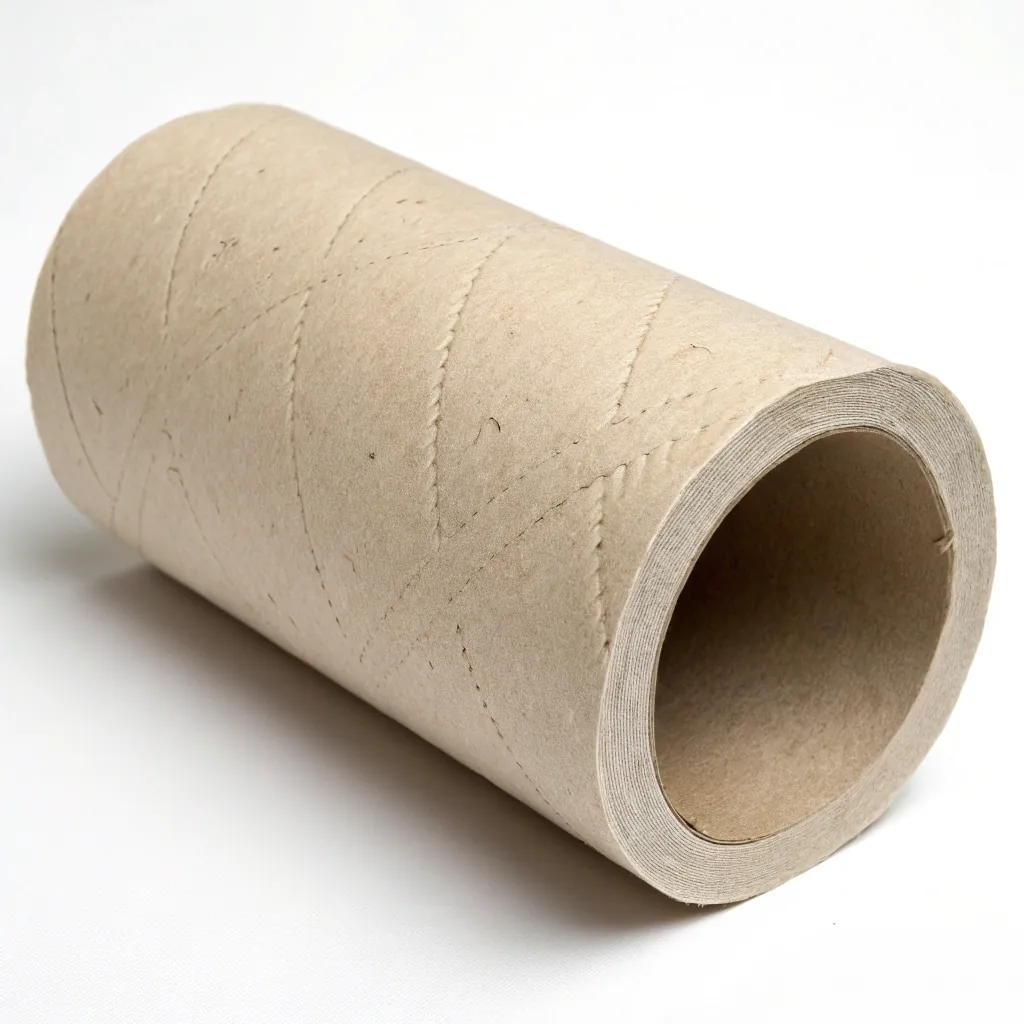
Most people never think about the toilet paper tube until something goes wrong. A roll does not fit a holder. A dispenser jams. A craft idea fails because the tube is not the size expected. These small problems add up and cause real frustration.
A standard toilet paper tube is usually about 4 inches (10–10.2 cm) long, with an inner diameter of around 1.6 inches (40–41 mm). This size works for most household holders and commercial systems.
Once the basic number is clear, the real story begins. Tube size affects storage, shipping, dispenser design, and even recycling. Understanding this detail helps buyers, importers, and brands avoid hidden costs and bad user experiences.
What is the diameter of a standard toilet paper tube?
Most buyers ask this question first because diameter decides whether a roll fits a holder or dispenser.
Many people assume the tube size changes often. In reality, the industry follows a narrow range.
The inner diameter of a standard toilet paper tube is about 1.6 inches (40–41 mm), while the outer diameter depends on paper thickness.
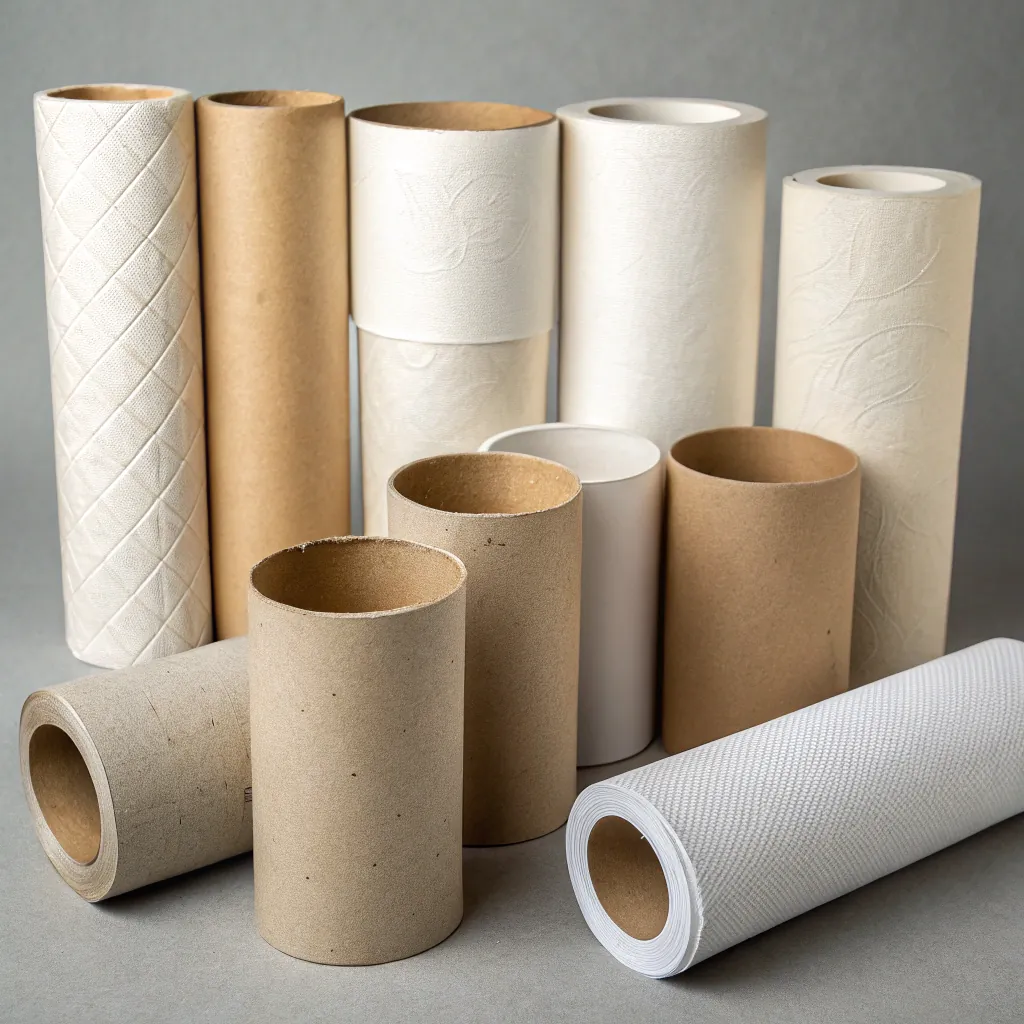
Inner diameter vs outer diameter
The inner diameter is the open space in the center. This is the key measurement for holders and dispensers.
The outer diameter includes the cardboard wall. This changes with tube thickness.
Most standard tubes have:
- Inner diameter: 40–41 mm
- Wall thickness: 1.5–2.5 mm
- Outer diameter: about 43–46 mm
This range works for most homes and public washrooms.
Why the inner diameter matters most
When a tube does not fit a holder, the issue is almost always the inner diameter. If the hole is too small, the roll cannot slide onto the holder. If it is too large, the roll slips and feels loose.
In commercial bathrooms, this problem is bigger. A loose roll spins too fast and causes waste. A tight roll does not turn and leads to tearing.
Typical dimensions used worldwide
Even though toilet paper looks simple, manufacturers follow shared standards.
| Measurement type | Common size range |
|---|---|
| Tube length | 100–102 mm |
| Inner diameter | 40–41 mm |
| Wall thickness | 1.5–2.5 mm |
| Outer diameter | 43–46 mm |
These numbers stay stable because changing them causes problems across the supply chain.
Personal experience from production
In early production tests, a small change of 1 mm in inner diameter caused dispenser complaints from hotel buyers. That experience showed how sensitive this size really is. Since then, strict control on tube diameter became a basic quality rule.
Are toilet paper tubes the same size across brands?
This is where things become less simple.
Most household toilet paper tubes are similar in size, but small differences exist across brands, regions, and product types.
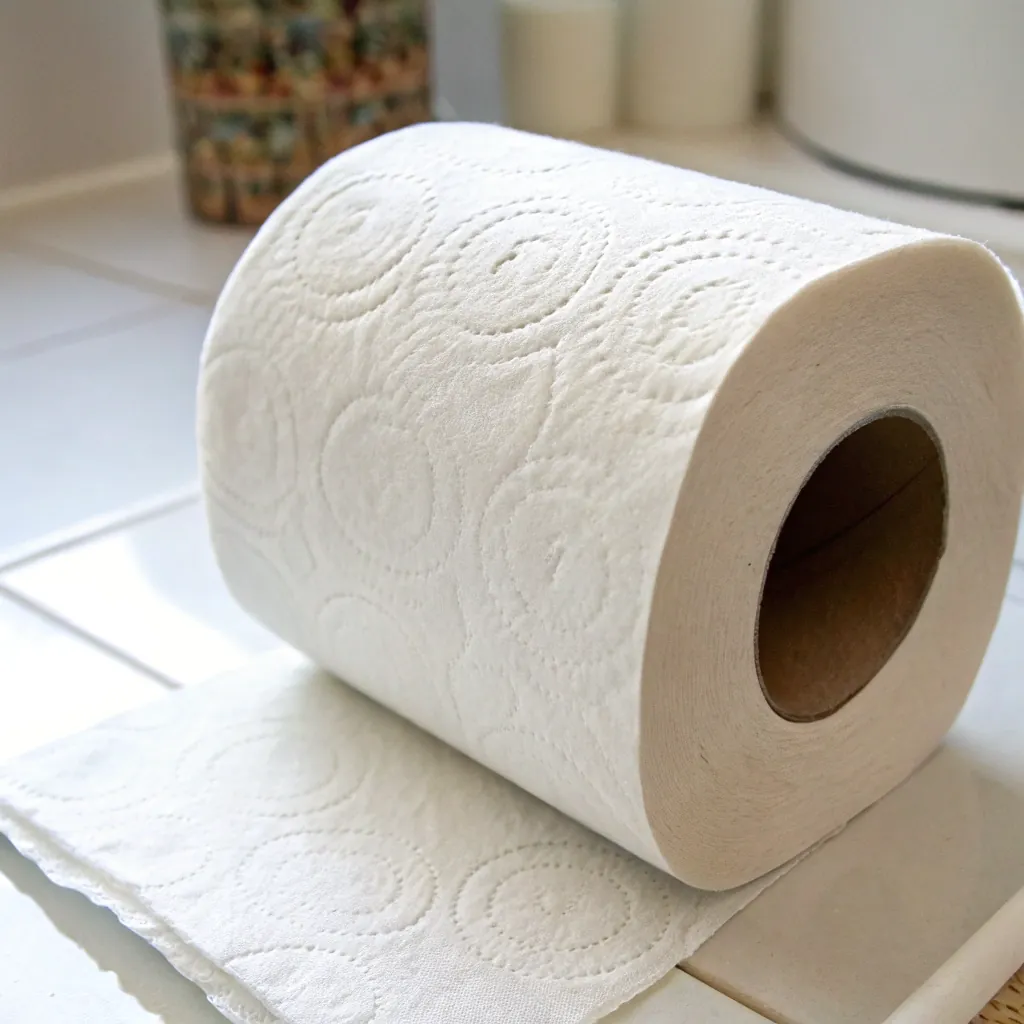
Household vs commercial rolls
Household rolls aim to fit common wall-mounted holders. Commercial rolls focus on dispensers.
Commercial systems may use:
- Smaller inner diameters to reduce free spin
- Thicker tubes for strength
- Custom sizes tied to dispenser brands
Regional differences
Different markets have different habits.
- North America prefers standard core sizes.
- Some Asian markets use slightly smaller cores.
- African and Middle East markets often request stronger tubes due to transport stress.
These differences are small, but they matter in bulk orders.
Brand-level adjustments
Brands may change tube thickness or glue layers to reduce cost or improve strength. This does not always change the inner diameter, but it affects outer size and weight.
Below is a simple comparison.
| Brand type | Inner diameter | Tube strength |
|---|---|---|
| Economy | 40 mm | Low to medium |
| Mid-range | 40–41 mm | Medium |
| Premium | 41 mm | High |
OEM and private label reality
In OEM production, tube size is often negotiable. Buyers may ask for:
- Smaller cores to use less cardboard
- Thicker cores for jumbo rolls
- Custom sizes to lock users into one dispenser
This flexibility is useful, but it increases risk if not documented clearly.
Why full consistency is rare
Perfect consistency across brands is hard because:
- Different paper weights change pressure on the tube
- Shipping humidity affects cardboard behavior
- Cost targets push material changes
This is why clear specifications matter more than brand names.
Is tube size important for dispensers?
This question is often ignored until a project fails.
Yes, tube size is critical for dispensers because even small size errors can cause jamming, free spinning, or roll collapse.
How dispensers interact with tubes
Dispensers rely on the tube to:
- Hold the roll in position
- Control rotation speed
- Support roll weight
If the tube is too weak or too large, the dispenser cannot do its job.
Common dispenser problems linked to tube size
Problems seen in real projects include:
- Rolls falling out
- Paper tearing unevenly
- Excess paper waste
- User complaints and refills wasted
Most of these trace back to tube size or strength.
Jumbo rolls and industrial systems
Jumbo rolls put much more stress on the tube. A weak core can collapse during use.
For jumbo systems:
- Inner diameter may be smaller
- Wall thickness is higher
- Cardboard density matters more than size
Matching tube size with dispenser design
Dispenser suppliers design products around a fixed core size. When buyers source paper separately, mismatch happens.
A safe process includes:
- Measure dispenser spindle diameter
- Confirm acceptable tolerance
- Match tube inner diameter exactly
- Test full rolls under real use
Skipping step four causes most failures.
Cost impact of wrong tube size
Replacing paper due to dispenser issues costs more than the paper itself. Labor, complaints, and downtime add hidden cost.
From past projects, correcting tube size reduced waste by over 10% in high-traffic bathrooms. That saving alone justified tighter specs.
Can toilet paper tubes be reused for crafts?
This question seems unrelated, but it matters more than people think.
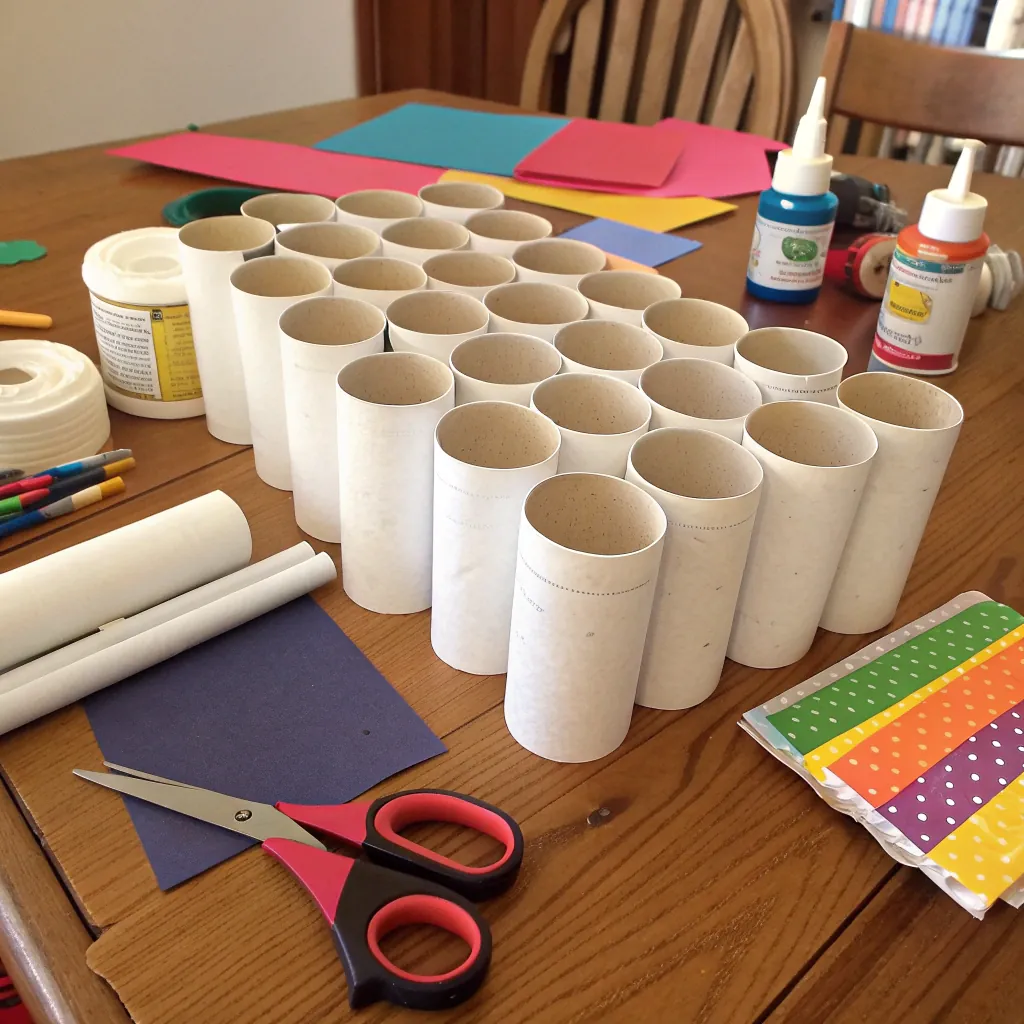
Yes, toilet paper tubes can be reused for crafts, storage, and learning projects, thanks to their stable size and shape.
Why tubes are good for reuse
Toilet paper tubes have several advantages:
- Light weight
- Easy to cut
- Safe edges
- Uniform shape
Their size makes them easy to plan around.
Popular craft uses
Common uses include:
- Kids art projects
- Desk cable organizers
- Seed starters for gardens
- Paint rollers for patterns
Because the diameter is stable, many guides rely on it.
Tube size and craft planning
Most craft instructions assume:
- Inner diameter around 40 mm
- Length around 100 mm
If a tube is shorter or narrower, designs fail. This is why consistency helps beyond the bathroom.
Educational and recycling value
Teachers often collect tubes for classrooms. Consistent tube size makes lesson planning easier.
From a recycling view:
- Clean cardboard tubes recycle well
- Stronger tubes survive reuse longer
- Thicker walls improve durability
Design lessons from reuse
Craft reuse shows a deeper truth. A small object used daily becomes a design standard. When that standard breaks, many systems feel the impact.
Tube reuse highlights why manufacturers avoid drastic size changes, even when saving a little material seems attractive.
Conclusion
Toilet paper tube size looks simple, but it affects holders, dispensers, logistics, and reuse. A standard inner diameter around 40–41 mm keeps systems working smoothly. Small changes create big problems, so consistency remains the quiet key behind a product everyone depends on.