Skip to content
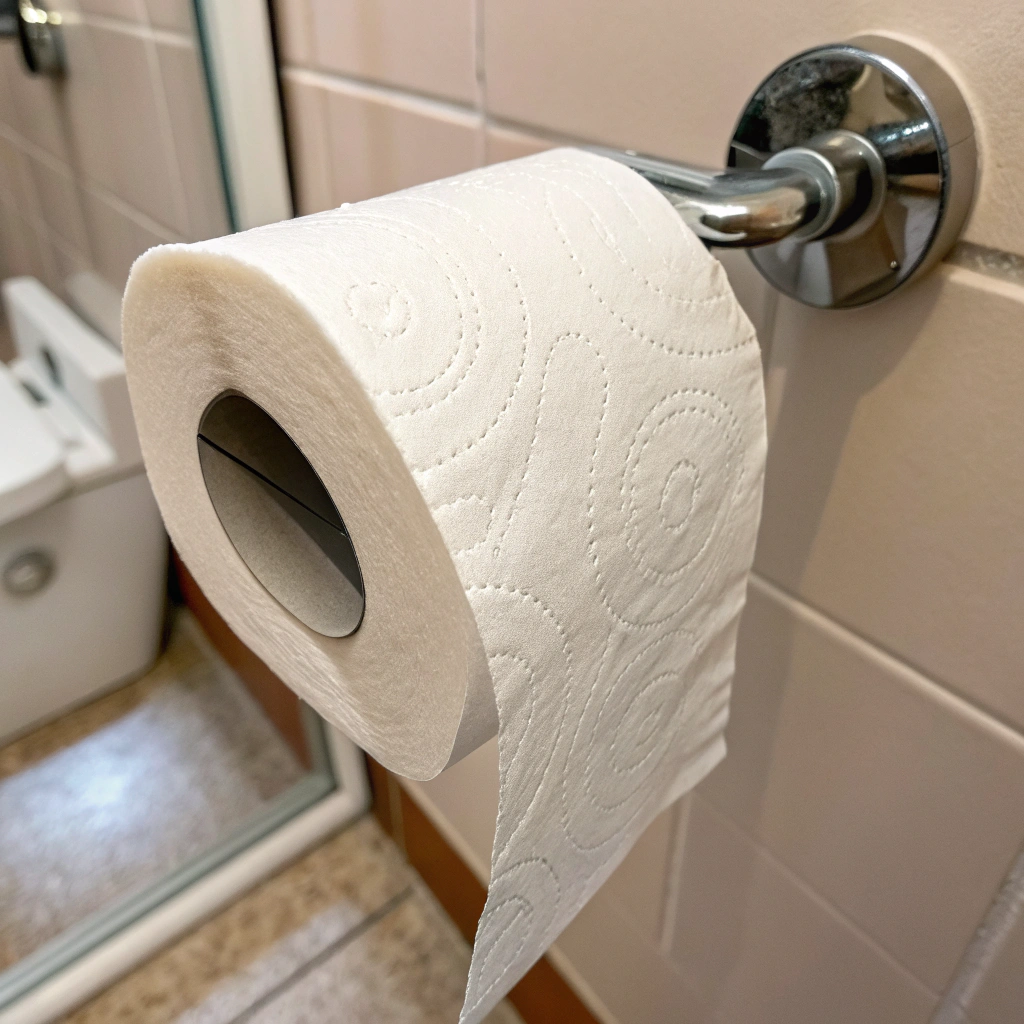
Running out of toilet paper always feels sudden. One day the roll feels full. The next day it is gone. This creates stress, poor planning, and unnecessary extra shopping.
A roll of toilet paper usually lasts between 2 to 7 days for one person, depending on usage habits, roll size, and paper quality. Knowing what affects this helps plan better and reduce waste.
What factors affect toilet paper roll duration?
Many people ask this question because they feel their toilet paper disappears too fast. The truth is that roll duration depends on several small factors that add up.
Toilet paper roll duration depends on paper thickness, roll length, user habits, household size, and bathroom use frequency. Each factor changes how fast a roll is used.
Paper thickness and ply count
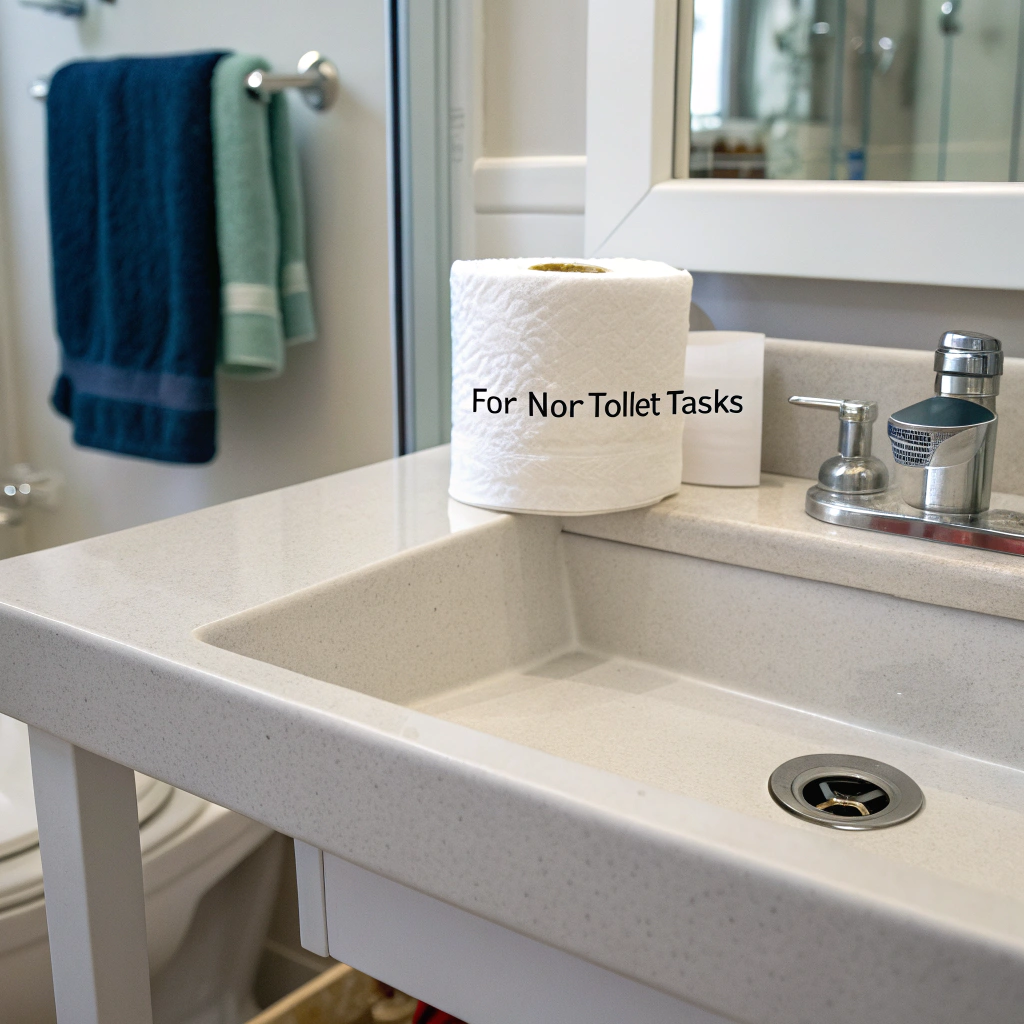
One-ply paper uses more sheets per wipe. Two-ply and three-ply paper feel thicker and need fewer sheets.
- One-ply rolls empty faster
- Two-ply offers balance
- Three-ply lasts longer per sheet but costs more
Thicker paper often reduces total sheet usage, even if the roll feels smaller.
Roll size and sheet count
Not all rolls are equal. Some rolls look large but have fewer sheets. Others are compact but tightly wound.
Key details that matter:
- Total sheet count
- Sheet length
- Core size
A roll with 300 sheets will last longer than one with 180 sheets, even if both look similar.
Personal usage habits
People use toilet paper differently. Some fold neatly. Others wrap multiple times. These habits strongly affect duration.
Habits that shorten roll life include:
- Excessive wrapping
- Pulling large amounts at once
- Using paper for non-toilet tasks
Small behavior changes can double roll life.
Number of users in the household
More people means faster use. A single-user bathroom lasts much longer than a shared one.
Households with:
- Children
- Guests
- Shared bathrooms
often see faster roll depletion.
Bathroom function and location
A guest bathroom may use one roll per month. A main bathroom may use one roll every few days.
High-use bathrooms always consume more paper. Placement matters.
Moisture and storage conditions
Humidity can weaken paper and cause tearing. This leads users to pull more sheets.
Proper storage keeps paper strong and usable.
Below is a simple factor comparison:
| Factor | Impact on Duration | Effect Level |
|---|---|---|
| Ply count | Fewer sheets needed | High |
| Roll size | More sheets available | High |
| User habit | More or less waste | Very High |
| Household size | Shared usage | High |
| Bathroom type | Frequency of use | Medium |
Understanding these factors explains why roll duration varies so much.
How many uses does one toilet paper roll provide?
Many people want a clear number. While exact counts vary, estimates help with planning and buying decisions.
One standard toilet paper roll provides about 70 to 150 uses, depending on sheet count and sheets used per visit. This range covers most households.
Defining one “use”
A single use usually means one bathroom visit that requires wiping. Most adults use between 6 and 12 sheets per visit.
Some use fewer. Some use more. This difference changes total uses dramatically.
Sheet count breakdown
Let’s look at a common example:
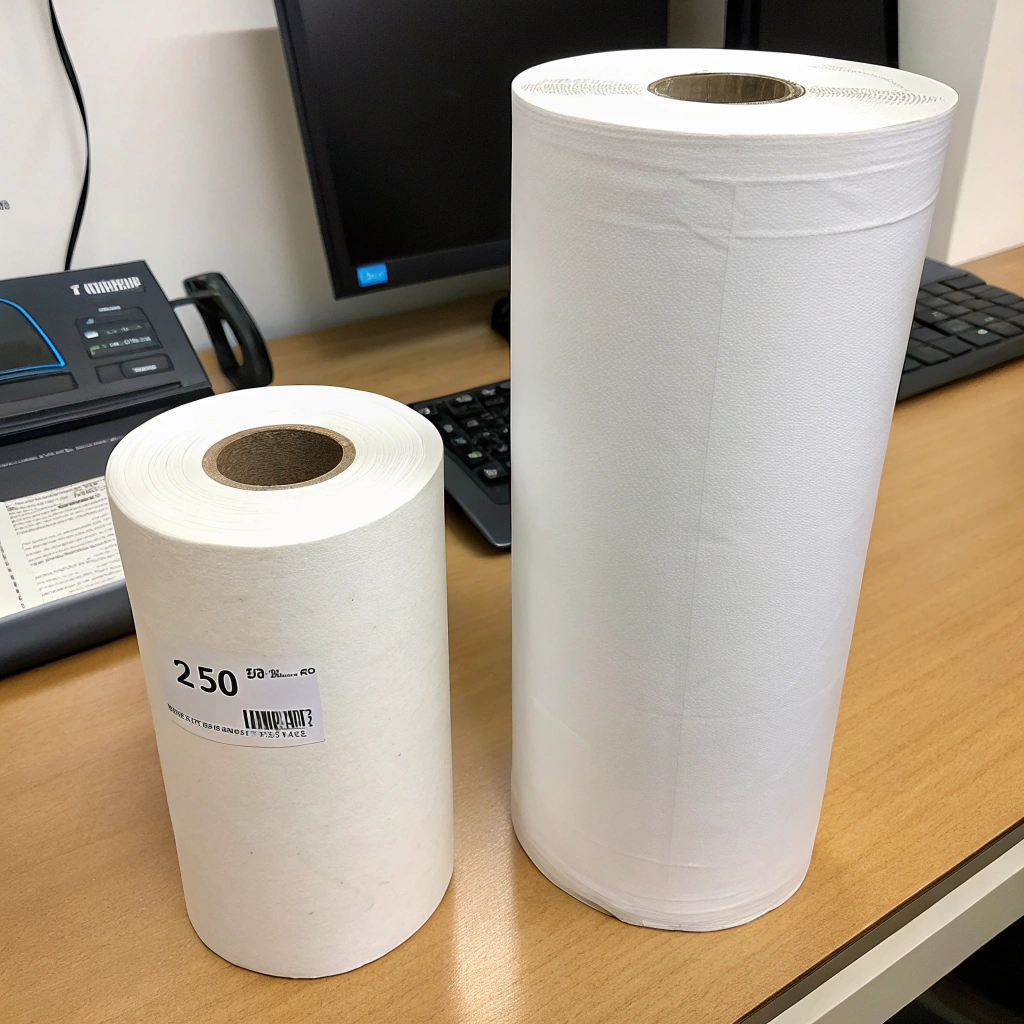
- Standard roll: 200 sheets
- Average use: 8 sheets
200 ÷ 8 = 25 uses
Now compare with:
- Larger roll: 400 sheets
- Same usage: 8 sheets
400 ÷ 8 = 50 uses
This shows why roll size matters more than appearance.
Variation by paper type
Thicker paper reduces sheet count per use.
- One-ply: 10–15 sheets per use
- Two-ply: 6–10 sheets per use
- Three-ply: 4–6 sheets per use
Thicker paper increases total uses per roll.
Adult vs child usage
Children often use more paper. They pull extra sheets due to poor tearing or learning habits.
Homes with young children may see:
- Faster roll use
- More wasted paper
- Uneven tearing
Teaching proper use helps reduce waste.
Public vs home usage
Public restrooms use rolls faster due to:
- High traffic
- Over-pulling
- Low-quality paper
Home usage is more controlled.
Estimating your own usage
A simple method:
- Count how many days a roll lasts
- Divide by number of users
- Track daily bathroom visits
This creates a realistic estimate for your home.
Why “uses per roll” matters
Knowing this helps with:
- Bulk purchasing
- Storage planning
- Emergency backup planning
It also helps identify waste habits early.
Is there a standard usage guideline for toilet paper?
People often look for rules. While there is no strict rule, general guidelines exist to balance hygiene and efficiency.
There is no fixed standard, but most hygiene experts suggest using only what is needed to clean effectively without excess waste. Balance matters more than numbers.
General hygiene guidance
Cleanliness comes first. Using too little paper causes discomfort and hygiene issues. Using too much causes waste.
A common guideline:
- Use enough sheets to clean safely
- Stop once paper comes away clean
This simple rule works across cultures and habits.
Cultural differences in usage
Different regions use toilet paper differently. Some rely more on water. Others rely only on paper.
Where water use is common:
- Paper usage is lower
- Rolls last longer
Where paper is the main method:
- Usage is higher
- Rolls deplete faster
Environmental guidelines
Many environmental groups encourage reduced paper use to save trees and water.
They suggest:
- Choosing efficient paper
- Avoiding unnecessary pulls
- Not using toilet paper for cleaning surfaces
Manufacturer recommendations
Some manufacturers print guidance on packaging. These are usually simple and focus on comfort rather than quantity.
They avoid strict numbers because habits vary.
Household-level standards
Some homes create informal rules, especially with children:
- Limited sheet counts
- Demonstration of proper tearing
- Supervised early use
These habits often carry into adulthood.
Why strict rules do not work
Bathroom needs vary by:
- Health
- Diet
- Age
A strict number creates anxiety rather than improvement.
Practical approach
The best guideline is awareness. When users notice waste, they adjust naturally.
Standard usage is about comfort, cleanliness, and respect for shared resources.
How can I make my toilet paper last longer?
Many households want simple ways to reduce consumption without discomfort.
Toilet paper lasts longer when users choose better paper, adjust habits, store rolls properly, and avoid unnecessary use. Small changes create big savings.
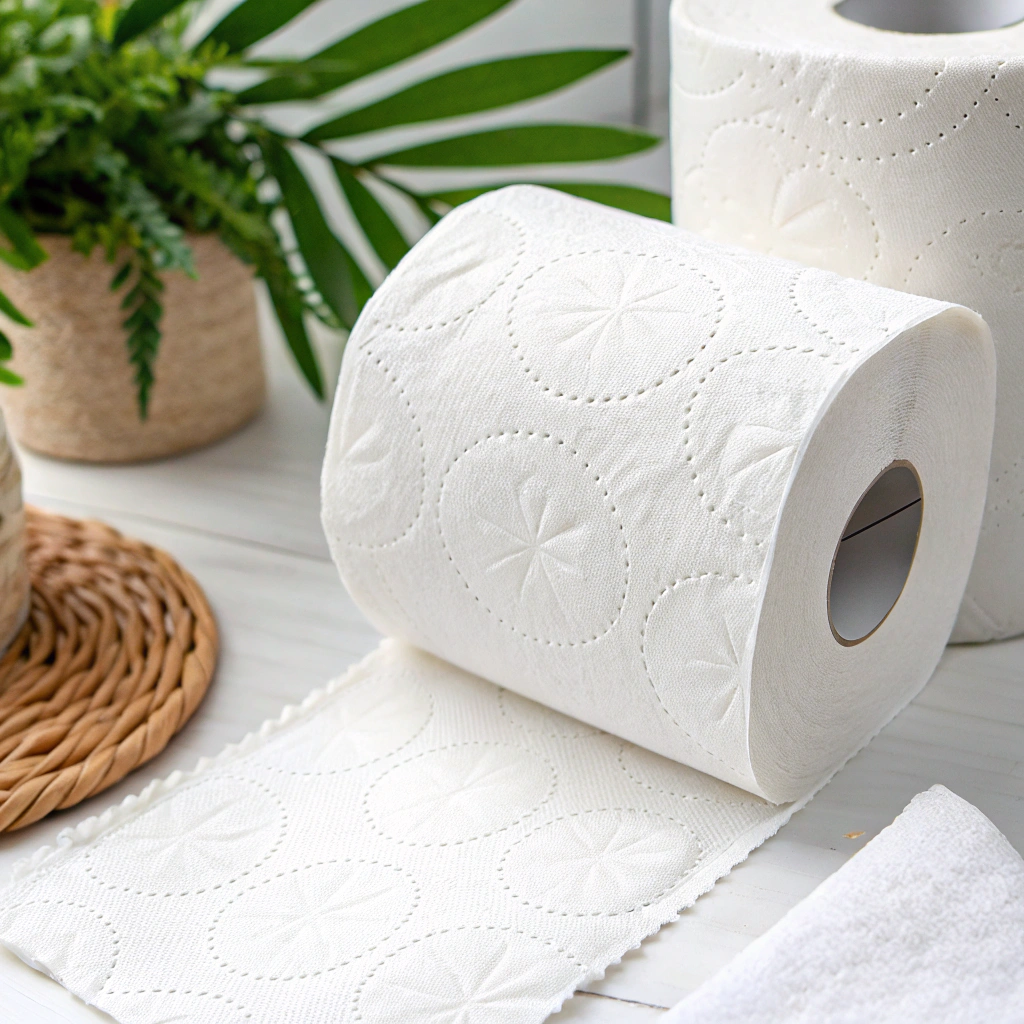
Choose higher-quality paper
Better paper often lasts longer. Thicker paper reduces sheet count per use.
Look for:
- Higher ply count
- Strong wet strength
- Tightly wound rolls
The price per roll may be higher, but cost per use is often lower.
Improve tearing habits
Clean tearing saves sheets. Poor tearing causes users to pull extra paper.
Helpful tips:
- Pull slowly
- Tear at perforation
- Avoid yanking
Children benefit most from this habit training.
Avoid non-toilet use
Many people use toilet paper for:
- Wiping surfaces
- Cleaning mirrors
- Blowing noses
Using proper tissues or towels protects toilet paper supply.
Store rolls properly
Humidity damages paper strength. Weak paper tears easily.
Store rolls:
- In dry areas
- Away from direct moisture
- In closed cabinets if possible
Dry paper uses fewer sheets.
Use bathroom layout wisely
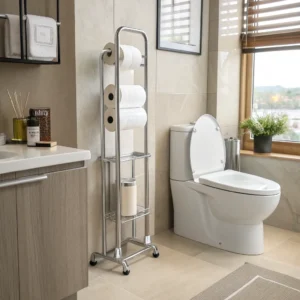
A poorly placed holder causes accidental over-pulling.
Good placement:
- Easy reach
- Smooth roll rotation
- Stable holder
This reduces waste caused by frustration.
Monitor household patterns
Tracking usage for one month reveals patterns.
Ask simple questions:
- Which bathroom uses most paper?
- Are guests increasing use?
- Are certain rolls finishing faster?
This helps target improvements.
Combine habits for best results
No single change solves everything. Combining better paper, better habits, and better storage creates long-term savings.
Below is a summary table:
| Method | Effort Level | Impact |
|---|---|---|
| Better paper | Low | High |
| Habit change | Medium | Very High |
| Storage improvement | Low | Medium |
| Holder placement | Medium | Medium |
Small steps add up quickly.
Conclusion
A toilet paper roll can last days or weeks depending on habits, paper quality, and usage patterns. Understanding these factors helps reduce waste and stress. With small adjustments, households can make toilet paper last longer without sacrificing comfort.