Skip to content
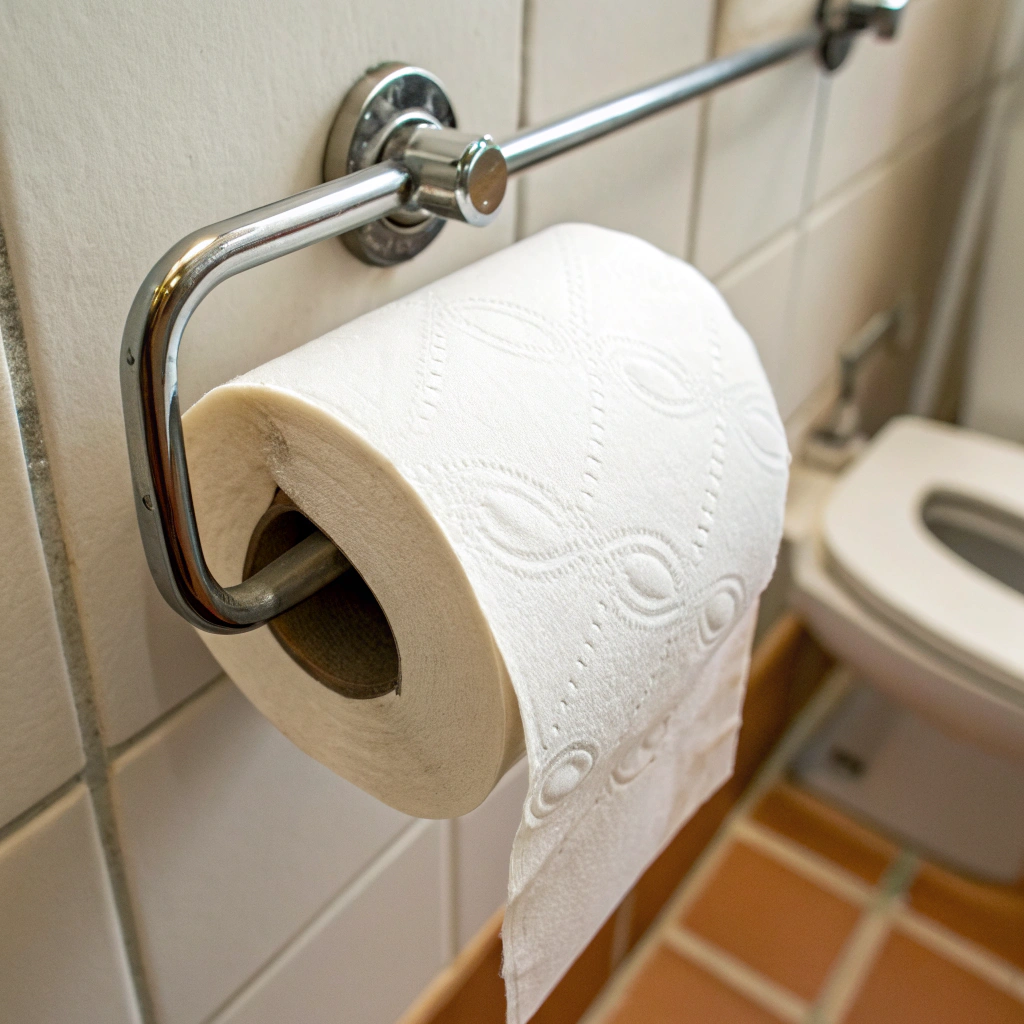
Toilet paper runs out faster than expected. Many people only notice when it is already gone. This small issue can affect comfort, planning, and daily habits.
A toilet paper roll can last from one day to more than a week. It depends on roll size, paper thickness, number of users, and how people use it. There is no single answer that fits everyone.
Most people never calculate this. Still, when you manage a home, hotel, office, or store, this question becomes real. It affects cost, storage, and buying plans. Understanding the logic behind roll usage helps avoid waste and shortages.
Does roll size affect duration of use?
Small rolls disappear fast. Large rolls feel endless. Many buyers focus on price, but roll size quietly controls how long a roll lasts and how often it must be replaced.
Yes, roll size strongly affects how long a toilet paper roll lasts. Larger rolls with more sheets or higher weight last longer and need fewer replacements.
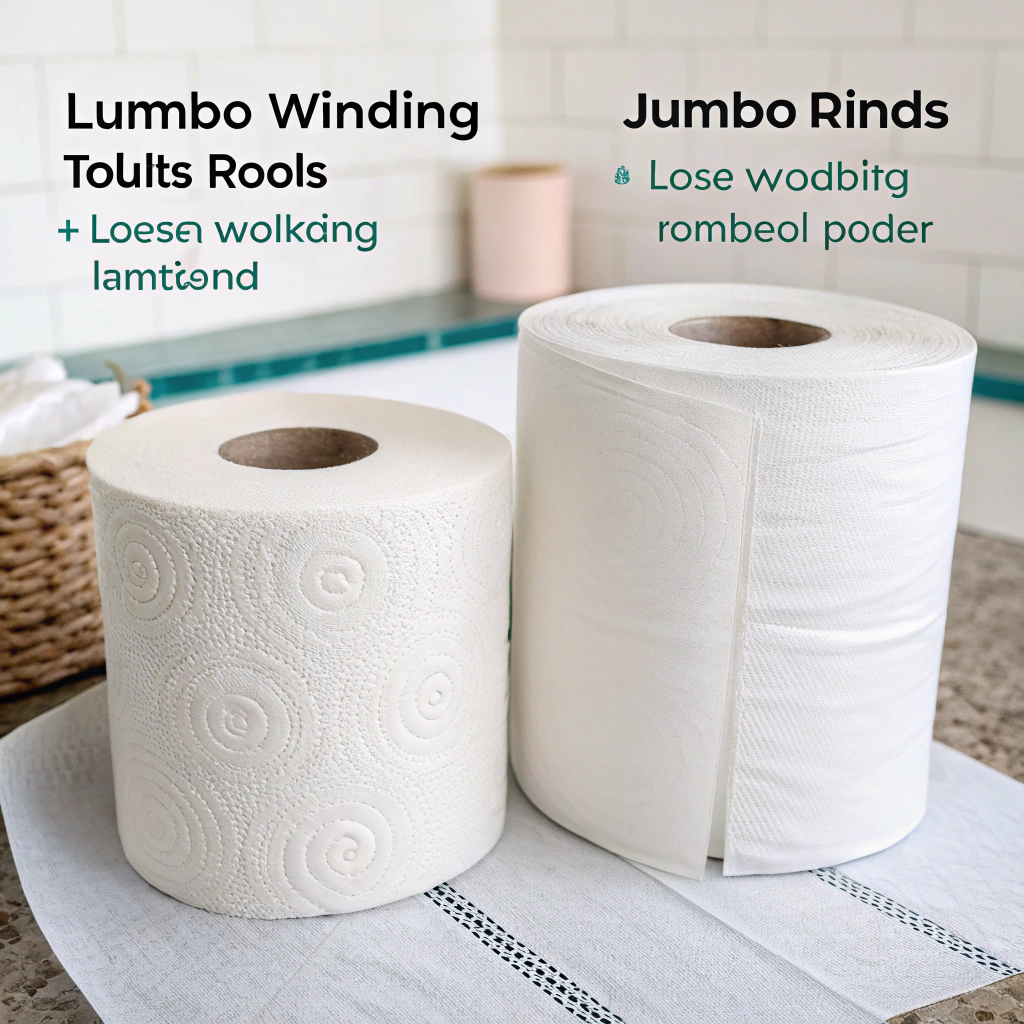
Roll size is not just about diameter. It includes sheet count, paper weight, and core size. A roll that looks big may still finish quickly if the paper is thin or loosely wound.
What defines roll size in real use
Roll size usually includes several hidden factors:
- Total number of sheets
- Sheet length and width
- Paper grammage
- Winding tightness
A roll with 400 sheets clearly lasts longer than one with 150 sheets. Still, sheet length matters too. Short sheets increase pull frequency. Loose winding makes rolls look bigger but finish faster.
Household rolls vs jumbo rolls
Standard household rolls are designed for comfort and storage. Jumbo rolls are designed for long use and low replacement frequency.
| Roll Type | Typical Sheets | Main Use | Replacement Frequency |
|---|---|---|---|
| Standard roll | 150–300 | Home bathrooms | High |
| Large household roll | 300–500 | Family use | Medium |
| Jumbo roll | 800–2000+ | Public restrooms | Low |
Jumbo rolls reduce labor and monitoring. That is why they are common in malls, offices, airports, and hotels. Fewer changes also reduce waste from empty cores and packaging.
The cost illusion of small rolls
Small rolls often look cheaper. But they cost more over time. Frequent replacement means more labor, more packaging, and more storage space. In shared spaces, this cost grows fast.
I once reviewed a supply plan where a building used small rolls. They changed rolls three times more often than needed. Switching roll size solved the issue without changing paper quality.
Roll size does not change comfort alone. It changes efficiency. This is why duration always starts with size.
How often should you replace toilet paper rolls?
Some people replace rolls only when empty. Others replace early to avoid risk. Replacement timing affects waste, hygiene, and user experience.
Most toilet paper rolls should be replaced only when nearly empty. In high-use areas, setting a routine replacement schedule prevents shortages and waste.
Replacement frequency depends on how many people use the toilet and how predictable usage is. At home, habits are stable. In public places, they are not.
Home replacement habits
In most homes, one person uses about half to one roll per day. Families replace rolls every one to three days per bathroom.
Replacing too early creates waste. Small leftover pieces add up over time. Replacing too late causes frustration. Balance matters.
A simple rule works well at home:
- Replace when less than 10 percent remains
- Keep one spare roll visible
- Avoid stacking too many open rolls
Commercial and public spaces
In offices, hotels, and public restrooms, replacement rules must be clear. Staff cannot guess remaining sheets.
| Location | Suggested Check | Replacement Rule |
|---|---|---|
| Office | Daily | Replace under 20% |
| Hotel | After checkout | Replace every stay |
| Mall | Every shift | Replace under 30% |
Frequent checks prevent empty dispensers. They also protect user experience. No one remembers good toilet paper service. Everyone remembers bad service.
Early replacement vs empty replacement
Early replacement reduces complaints but increases waste. Empty replacement saves paper but risks downtime. Jumbo rolls reduce this conflict because they stay usable longer even when partially used.
Replacement frequency is not about paper alone. It is about trust and planning.
Can usage habits extend roll life?
People use toilet paper differently. Some fold neatly. Others pull without thinking. Small habits decide how fast a roll disappears.
Yes, careful usage habits can extend toilet paper roll life by reducing sheet waste and unnecessary pulls.
Usage habits are shaped by culture, comfort, and paper quality. Soft paper encourages more use. Thin paper forces double pulling.
Common habits that shorten roll life
Some habits increase use without people noticing:
- Pulling long strips
- Wrapping paper around the hand
- Using paper for cleaning surfaces
- Overuse due to thin paper
These habits are common in shared toilets where people do not pay attention to supply.
Habits that reduce waste
Better habits do not reduce comfort. They reduce excess.
- Folding instead of wrapping
- Using fewer but stronger sheets
- Avoiding test pulls
- Teaching children simple rules
Paper strength matters here. Strong paper allows fewer sheets. Weak paper forces more layers. This is why paper quality and habits are linked.
The role of dispenser design
Dispenser design also affects habits. Controlled dispensers limit pull length. Center-pull systems release paper slowly. These systems extend roll life without forcing behavior change.
I once observed a restroom switch dispensers. Paper use dropped, even though paper quality stayed the same. Habits follow tools.
Usage habits matter most where many people share one roll. Small savings multiply fast.
Is toilet paper usage predictable?
Many buyers want exact numbers. They want to know how long a roll will last. The truth is mixed. Some patterns are stable. Others change daily.
Toilet paper usage is partly predictable. Daily routines create patterns, but guests, stress, and paper type cause variation.
Predictability depends on environment. Homes are predictable. Public spaces are not.
When usage is predictable
Usage becomes predictable when:
- The same people use the toilet daily
- Paper type stays the same
- Habits do not change
In these cases, averages work well. A family of four may use six to eight rolls per week. An office floor may use one jumbo roll every two days.
Tracking usage for two weeks gives reliable data. After that, planning becomes easier.
When usage changes suddenly
Some factors break patterns:
- Visitors or events
- Illness periods
- Paper softness changes
- Water outages
These events cause spikes. This is why safety stock matters. Predictability does not remove risk.
Simple way to estimate roll duration
A basic estimate works like this:
- One person uses about 20–30 sheets per day
- Divide total sheets by users
- Adjust for quality and habits
This method is not perfect. But it helps with planning and buying.
Usage is never fully fixed. Still, understanding patterns reduces stress and empty shelves.
Conclusion
A toilet paper roll lasts based on size, habits, and users. Bigger rolls last longer. Better habits reduce waste. Usage is partly predictable with simple tracking and planning.