Skip to content
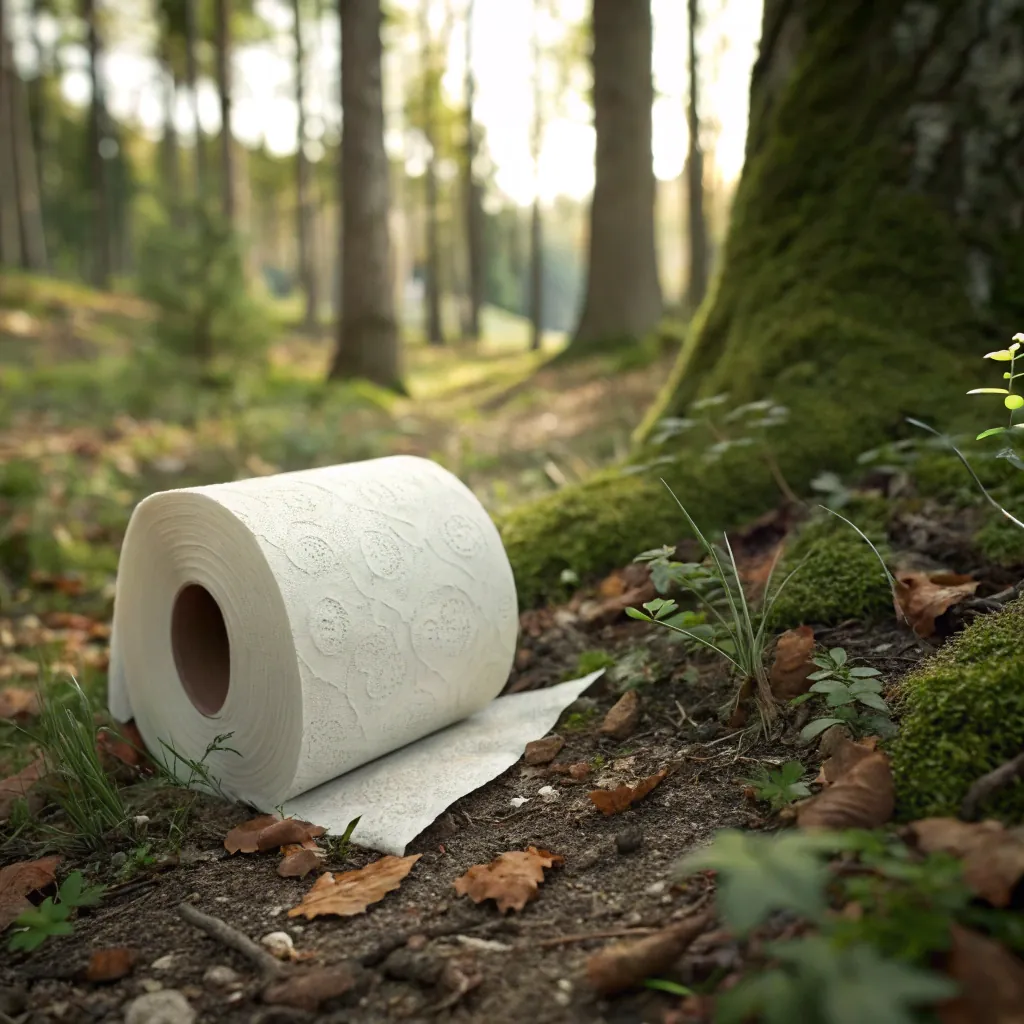
Toilet paper feels harmless, but many people worry about waste and clogs. I often see confusion about how long it stays in nature. This question matters more than it seems.
Toilet paper usually takes a few days to several weeks to decompose, depending on water, microbes, and how it is used. In most sewer systems, it starts breaking down within hours, but the full process changes with conditions.
Many readers stop at this simple answer, but the real story is deeper. The speed of breakdown depends on paper type, system design, and disposal habits. These details affect plumbing, septic tanks, and the environment.
What affects toilet paper decomposition speed?
People often assume all toilet paper breaks down the same way. When clogs or waste issues appear, frustration grows fast. The truth is that several clear factors control how fast toilet paper decomposes.
Decomposition speed depends on fiber type, paper thickness, water flow, and microbial activity. Thin paper with short fibers breaks apart faster, while thick and layered paper takes longer.
Fiber source and paper structure
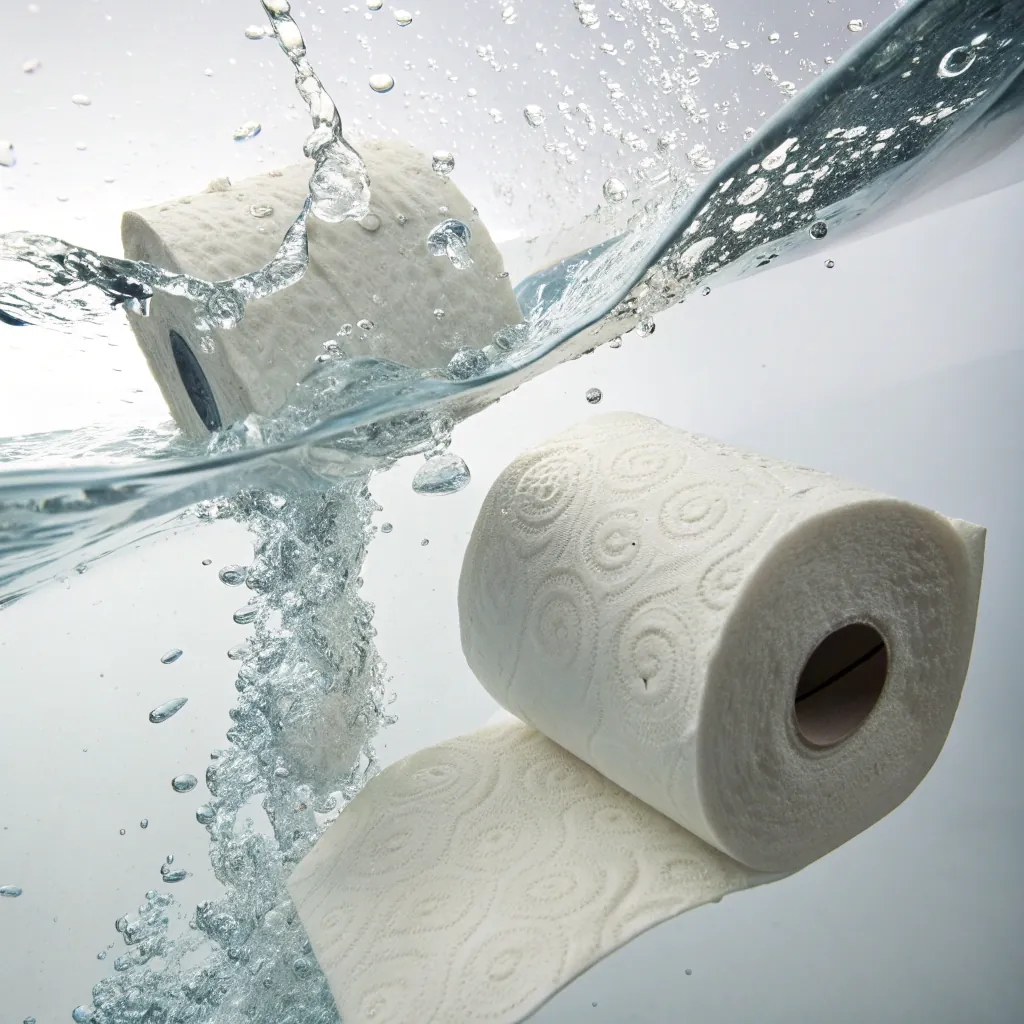
Most toilet paper uses wood pulp fibers. These fibers can be long or short. Short fibers separate easily in water. Long fibers hold together longer. Recycled paper often has weaker fibers, so it breaks down faster. Virgin pulp feels softer, but it may resist tearing in water for a longer time.
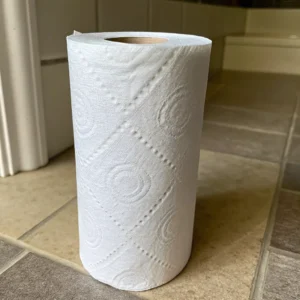
Paper structure also matters. Single-ply paper has fewer layers, so water reaches the fibers quickly. Multi-ply paper traps air and slows water penetration. Embossed patterns add strength and delay breakdown.
Water and moisture levels
Water is the main driver of decomposition. In a flowing sewer, toilet paper absorbs water fast. Fibers swell and separate. In dry places, like landfills, this process slows down. Without enough moisture, microbes cannot work well.
Temperature also plays a role. Warm water supports bacteria growth. Cold water slows activity. This is why decomposition in winter can take longer in outdoor systems.
Microbial activity
Bacteria and fungi digest cellulose, which is the main part of toilet paper. These microbes are common in sewage and soil. If oxygen and nutrients are present, they work faster. In low-oxygen areas, like deep septic tanks, breakdown still happens but at a slower pace.
Additives and treatments
Some toilet papers include lotions, dyes, or scents. These extras can slow decomposition. They do not stop it, but they add resistance. Plain, unscented paper usually breaks down faster.
| Factor | Effect on Decomposition Speed |
|---|---|
| Short fibers | Faster breakdown |
| Multi-ply layers | Slower breakdown |
| High moisture | Faster breakdown |
| Cold temperature | Slower breakdown |
| Added lotions | Slightly slower |
From daily experience, the biggest factor is paper thickness. When users switch from thick luxury paper to simple rolls, plumbing issues often drop fast. This shows how small choices change real outcomes.
Is biodegradable toilet paper faster to break down?
Many buyers see the word “biodegradable” and expect instant results. When problems still happen, trust drops. The label sounds clear, but the reality needs a closer look.
Biodegradable toilet paper usually breaks down faster, but only under the right conditions. It still needs water, microbes, and time to fully decompose.
What “biodegradable” really means
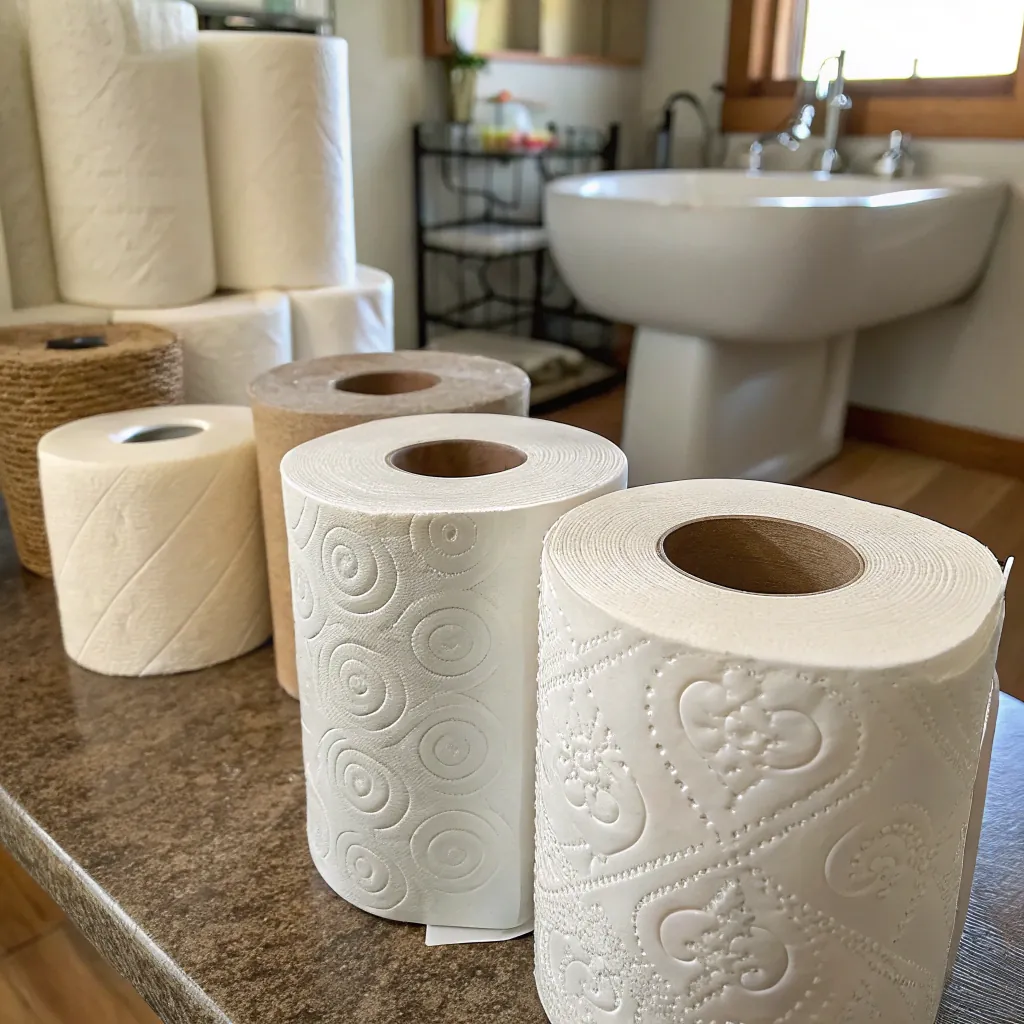
Biodegradable means microbes can break the product into natural parts. Almost all toilet paper fits this definition because it is made from cellulose. The term often signals fewer chemicals, fewer coatings, and simpler fibers.
Some brands use bamboo pulp or recycled fibers. Bamboo fibers are shorter and less processed. This often helps faster separation in water. Recycled paper has already been processed once, so its fibers are weaker.
Marketing claims versus real use
Many tests for biodegradability happen in labs. These labs control heat, moisture, and bacteria levels. Real systems are messy. Pipes vary in length. Septic tanks vary in health. Because of this, a biodegradable label does not guarantee quick breakdown everywhere.
Luxury biodegradable paper can still be thick. Thickness still slows water access. In contrast, basic non-branded paper can break down faster simply because it is thin.
Environmental trade-offs
Biodegradable paper often avoids bleach and dyes. This reduces chemical load in water systems. That is a real benefit. However, the breakdown time difference may only be hours or days, not weeks.
| Type of Toilet Paper | Fiber Source | Typical Breakdown Speed |
|---|---|---|
| Standard virgin pulp | Wood | Medium |
| Recycled paper | Recycled fibers | Fast |
| Bamboo paper | Bamboo pulp | Fast |
| Thick luxury paper | Wood | Slow |
From a practical view, biodegradable paper helps most in sensitive systems. Septic tanks and low-water systems gain the most value. In large city sewers, the difference is smaller but still positive.
How does decomposition vary in septic systems?
Septic users face more risk from slow breakdown. When toilets clog or tanks fill too fast, stress rises quickly. Septic systems work very differently from city sewers.
In septic systems, toilet paper decomposes more slowly due to limited water flow and oxygen. It may take weeks instead of days, depending on tank health.
How septic systems work
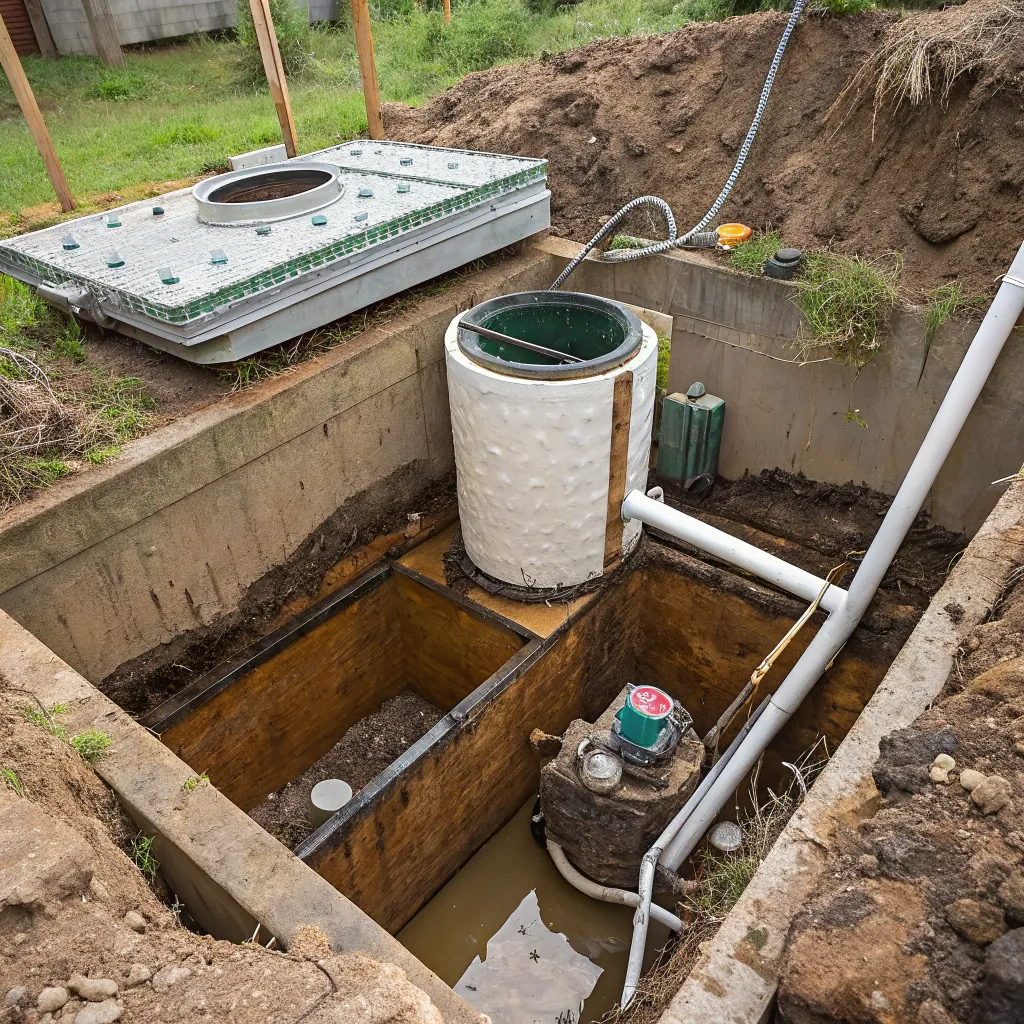
A septic tank holds waste in a closed space. Solids sink, liquids flow out slowly, and bacteria digest organic matter. Oxygen levels are low. This creates an anaerobic environment.
Toilet paper enters as a solid. It must absorb water, sink, and then break apart. If paper stays intact too long, it adds to sludge buildup.
Factors that slow breakdown in septic tanks
Low water use slows movement. Modern low-flush toilets save water, but they also reduce mixing. Thick toilet paper may float longer. If it floats, bacteria reach it less.
Chemicals also matter. Strong cleaners and disinfectants kill helpful bacteria. When bacteria die, decomposition slows for everything, not just paper.
Best paper choices for septic systems
Simple paper works best. Single-ply, unscented, and recycled options break apart faster. Some septic-safe papers are tested to disintegrate in water within seconds.
Users often test paper at home. They shake a sheet in a jar of water. If it falls apart fast, it is a safer choice.
Long-term system health
Slow paper breakdown leads to more pumping needs. It also raises the risk of drain field problems. Over time, this costs more money and effort.
| Septic Condition | Effect on Paper Breakdown |
|---|---|
| Healthy bacteria | Faster |
| Low water flow | Slower |
| Thick paper use | Slower |
| Chemical cleaners | Much slower |
From years of shared stories, septic problems rarely come from one cause. Paper choice, water use, and cleaning habits combine. Small changes often prevent large repairs.
Can toilet paper harm the environment if not disposed properly?
Many people believe toilet paper always disappears without impact. When waste appears in rivers or soil, the surprise is strong. Disposal habits matter more than most expect.
Improper disposal of toilet paper can harm the environment by adding waste, clogging systems, and spreading bacteria. Decomposition still happens, but damage can occur before it finishes.
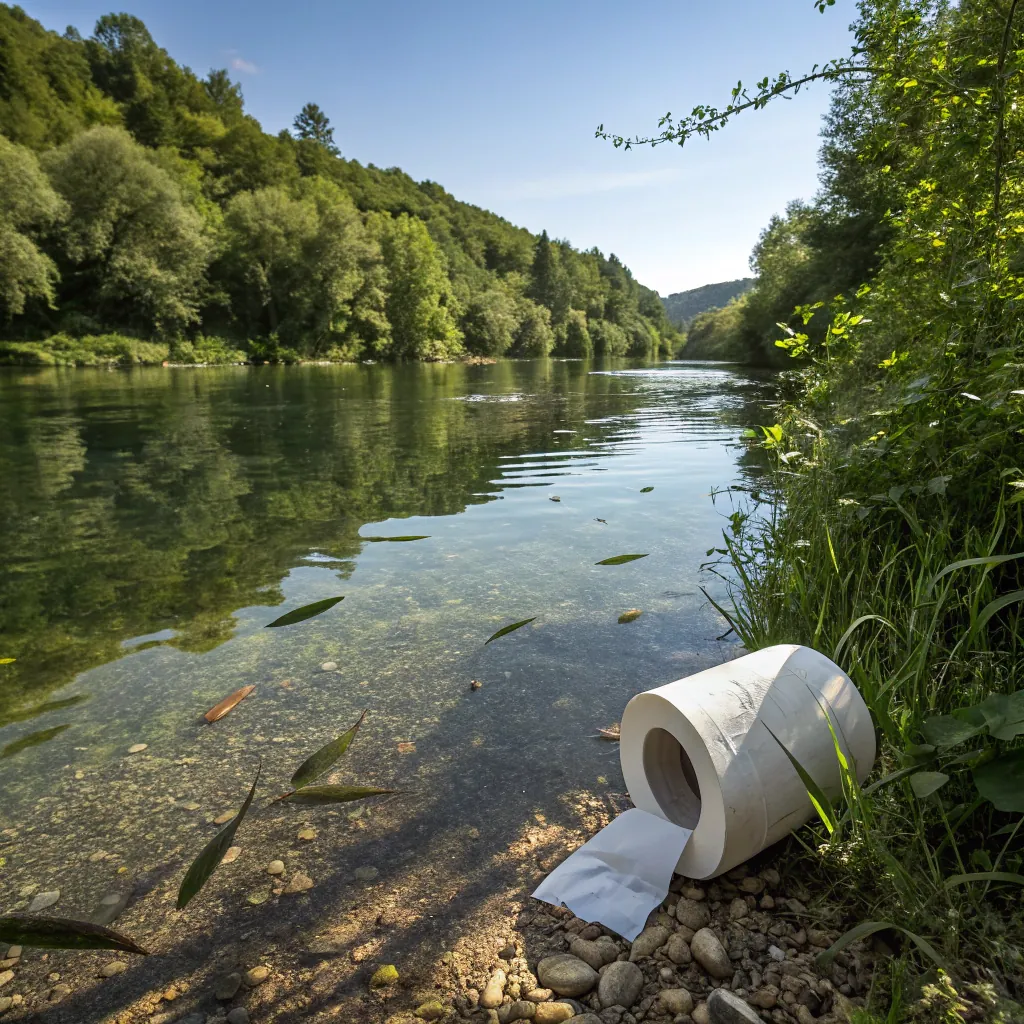
Toilet paper in natural water bodies
When toilet paper enters rivers or oceans, it absorbs water and sinks. It may break apart, but it adds organic waste. This waste uses oxygen as it decomposes. Low oxygen harms fish and plants.
Paper can also carry human waste bacteria. Even small amounts raise health risks near shorelines.
Landfills and open dumping
In landfills, toilet paper often sits in low-oxygen zones. Decomposition slows down a lot. It can take months or even years. During this time, methane gas forms. Methane is a strong greenhouse gas.
Open dumping creates even more problems. Animals may spread waste. Rain can wash fibers into soil and water.
Clogged systems and overflow
When paper does not break down fast enough, it contributes to blockages. Overflows release untreated sewage. This causes real environmental damage in cities and rural areas.
Responsible disposal habits
Flushing only toilet paper helps systems work as designed. Wet wipes, even labeled flushable, cause far more harm. Choosing simpler paper also reduces risk.
Personal habits may feel small, but they add up across millions of users. Clean systems rely on shared care.
Conclusion
Toilet paper decomposes fast, but not instantly. Time depends on paper type, water, and system design. Simple choices, like thinner paper and proper disposal, protect plumbing and the environment.