Skip to content
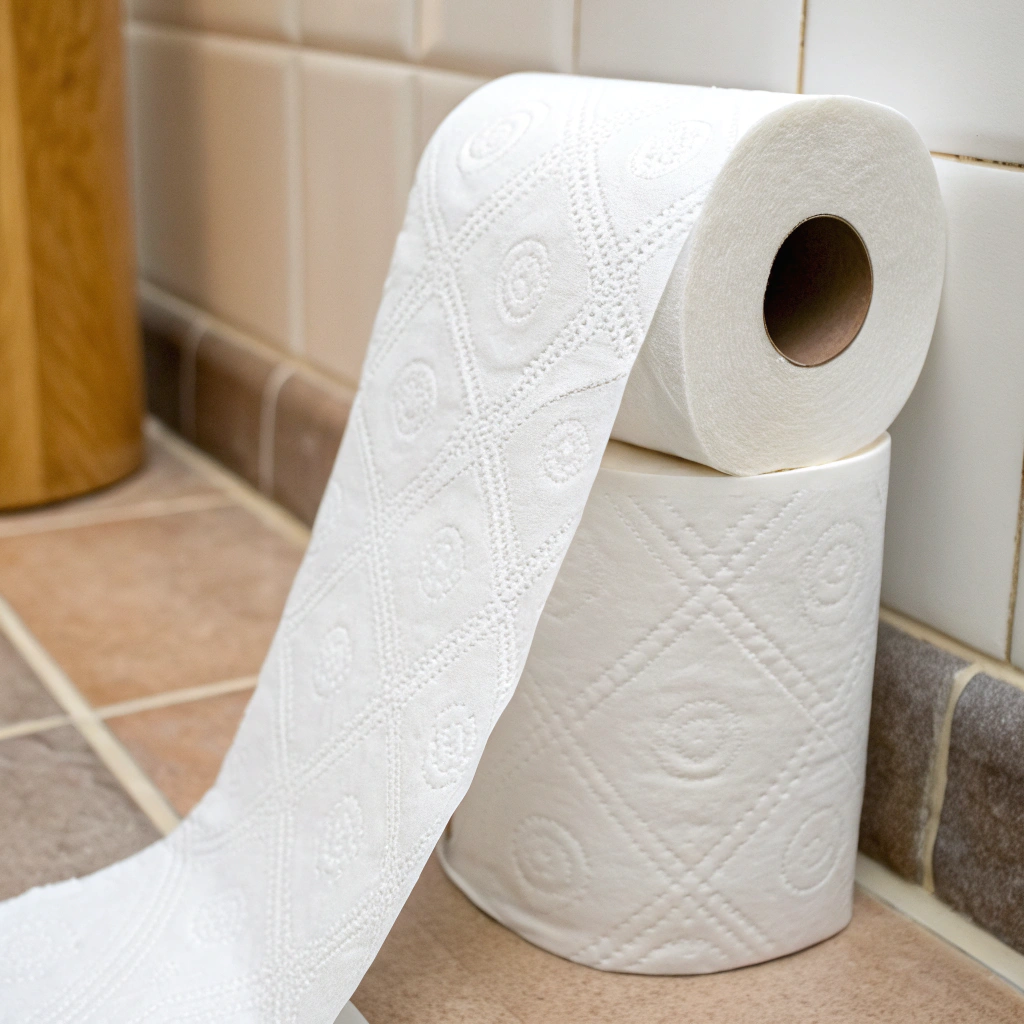
Most people never think about the tube inside a toilet paper roll until it causes a problem. The roll does not fit a holder. A machine jams. A shipment loads poorly. Small details slow big systems.
The toilet paper roll tube is usually about 4 to 4.5 inches long, matching the width of the toilet paper roll itself. This length is not random. It is designed to fit holders, packing machines, and storage systems used worldwide.
This topic looks simple, but it connects to product design, logistics, recycling, and daily use. When we break it down, the tube tells a bigger story about how paper products are made and used at scale.
What is the diameter of a toilet paper core?
The toilet paper core diameter matters more than most buyers expect. When it is wrong, rolls slide off holders, machines stop, and consumers complain. This small circle controls many parts of the supply chain.
Most toilet paper cores have an inner diameter of about 1.6 inches (40–41 mm). This size fits standard toilet paper holders and allows smooth rolling during use. It also matches the shafts used on rewinding machines in factories.
The diameter is measured from the inside wall of the tube, not the outside. The outside diameter changes based on tube thickness. Tube thickness depends on paper layers, glue amount, and winding pressure. That is why buyers should always ask for inner diameter, not just “core size”.
Why this diameter became the standard
The current core diameter did not appear overnight. It evolved over decades of use and manufacturing limits.
Factories needed a size that could:
- Fit common bathroom holders
- Stay strong under pressure
- Work with high-speed machines
- Reduce paper waste
A diameter near 40 mm became the best balance. Smaller cores bent too easily. Larger cores wasted paper and space.
How diameter affects user experience
From a user view, diameter changes how the roll feels. If the core is too small, the roll spins too fast and feels loose. If it is too large, the roll feels stiff and heavy.
Hotels and public buildings care about this. A roll that spins too freely unrolls too much paper. A roll that resists rotation frustrates users.
Manufacturing tolerance and control
Even with a standard target, small differences exist. Most factories control diameter within ±1 mm. This tolerance keeps rolls compatible with holders and machines.
Below is a simple overview of common toilet paper core diameters:
| Application area | Inner diameter (mm) | Notes |
|---|---|---|
| Household toilet paper | 40–41 | Global standard |
| Jumbo roll toilet paper | 45–60 | Commercial use |
| Industrial paper rolls | 70+ | Machine-mounted |
Understanding diameter helps buyers avoid hidden problems later. It is not just a number. It is a system fit.
Does the tube size vary by brand?
At first glance, toilet paper rolls from different brands look the same. But when we line them up, small differences appear. These differences are not accidents. They reflect brand position, cost targets, and market needs.
Yes, tube size can vary by brand, but most stay within a narrow standard range to avoid compatibility issues. Variations usually appear in thickness, strength, and material, not in length or inner diameter.
Brands rarely change tube length. The roll must fit shelves, cartons, and holders. Changing length would break too many systems. Instead, brands adjust what they can without causing trouble.
Where brands actually differ
Most variation appears in three areas:
1. Tube wall thickness
Some brands use thicker tubes to signal quality. A thicker tube feels stronger in hand. It also resists crushing during transport. Budget brands often reduce thickness to save cost.
2. Paper layers in the tube
Tubes are made by winding paperboard layers. Premium brands may use more layers. Economy brands may use fewer layers with tighter glue.
3. Glue type and winding tension
Glue quality affects strength and moisture resistance. Winding tension affects roundness. Both change how the tube behaves during use.
Brand strategy and tube design
Tube design reflects brand goals. A value brand focuses on cost per roll. A premium brand focuses on feel and image. A commercial brand focuses on loading efficiency and durability.
Here is a simplified comparison:
| Brand type | Tube thickness | Strength focus | Cost focus |
|---|---|---|---|
| Premium retail | Thick | High | Medium |
| Mass-market retail | Medium | Balanced | Balanced |
| Economy retail | Thin | Basic | High |
| Commercial jumbo | Very thick | Very high | Low |
Why big changes are rare
If a brand changes tube size too much, returns increase. Holders break. Dispensers jam. Complaints rise. For this reason, brands stay close to the standard even when they want to stand out.
In short, brands compete on softness, ply count, and packaging. The tube stays mostly invisible, doing its job quietly.
Can toilet paper tubes be recycled?
People often ask what to do with the empty tube. It looks like cardboard, but it feels different. Some people recycle it. Others throw it away. The answer depends on local systems.
In most regions, toilet paper tubes can be recycled with paper and cardboard. They are made from paperboard and break down well in recycling processes.
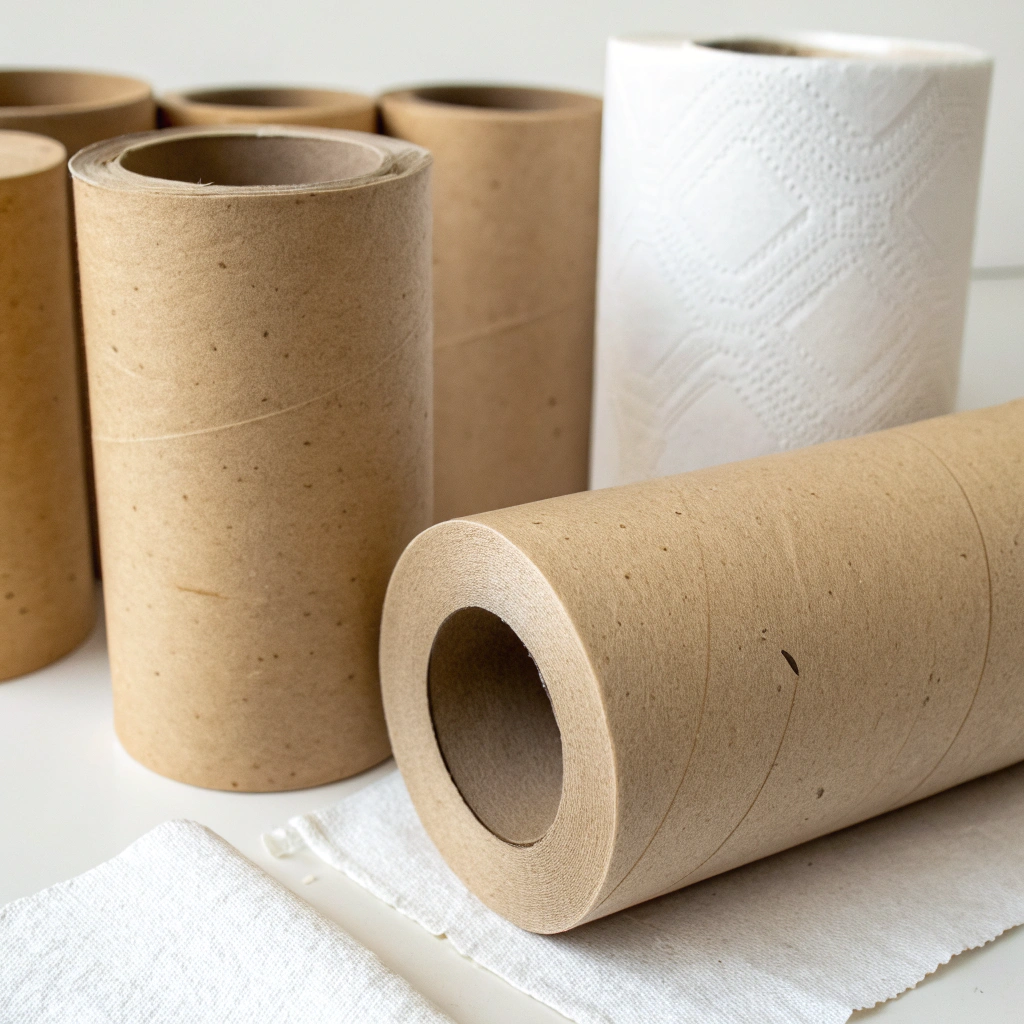
That said, recycling rules are local. Some facilities accept them easily. Others reject small paper items due to sorting limits.
What toilet paper tubes are made of
Toilet paper tubes are made from recycled paper pulp. This pulp is pressed, glued, and dried into strong layers. No plastic is added in standard tubes.
Because the material is already recycled once, fibers are shorter. This is why tubes feel rough and stiff. Short fibers are still recyclable, but only a few more times.
Why some recycling plants reject tubes
Recycling systems are not perfect. Some plants use screens that filter out small items. Tubes can fall through and become waste.
Other plants worry about contamination. Tubes stored in bathrooms may absorb moisture or bacteria. While this is not a real processing issue, perception still matters.
How consumers can recycle correctly
Simple steps improve success:
- Keep tubes dry
- Do not stuff them with trash
- Place them loose in recycling bins
- Follow local rules
If recycling is not available, reuse is an option. Tubes work well for storage, crafts, cable organizers, and seed starters.
Environmental impact at scale
At scale, tubes matter. Billions are produced each year. Reducing tube weight by one gram saves thousands of tons of paper annually. This is why many manufacturers invest in lighter but stronger tube designs.
Here is a quick overview of tube end-of-life options:
| Option | Feasibility | Environmental value |
|---|---|---|
| Recycling | High | High |
| Reuse | Medium | Medium |
| Landfill | Easy | Low |
| Composting | Limited | Low to medium |
Recycling the tube is a small act, but at scale, small acts add up.
Is the roll tube made from cardboard?
Many people call the tube “cardboard,” but this word is not precise. Cardboard covers many materials. The tube is something more specific.
The roll tube is made from paperboard, not corrugated cardboard. Paperboard is dense, layered, and smooth. It is designed for strength, not cushioning.
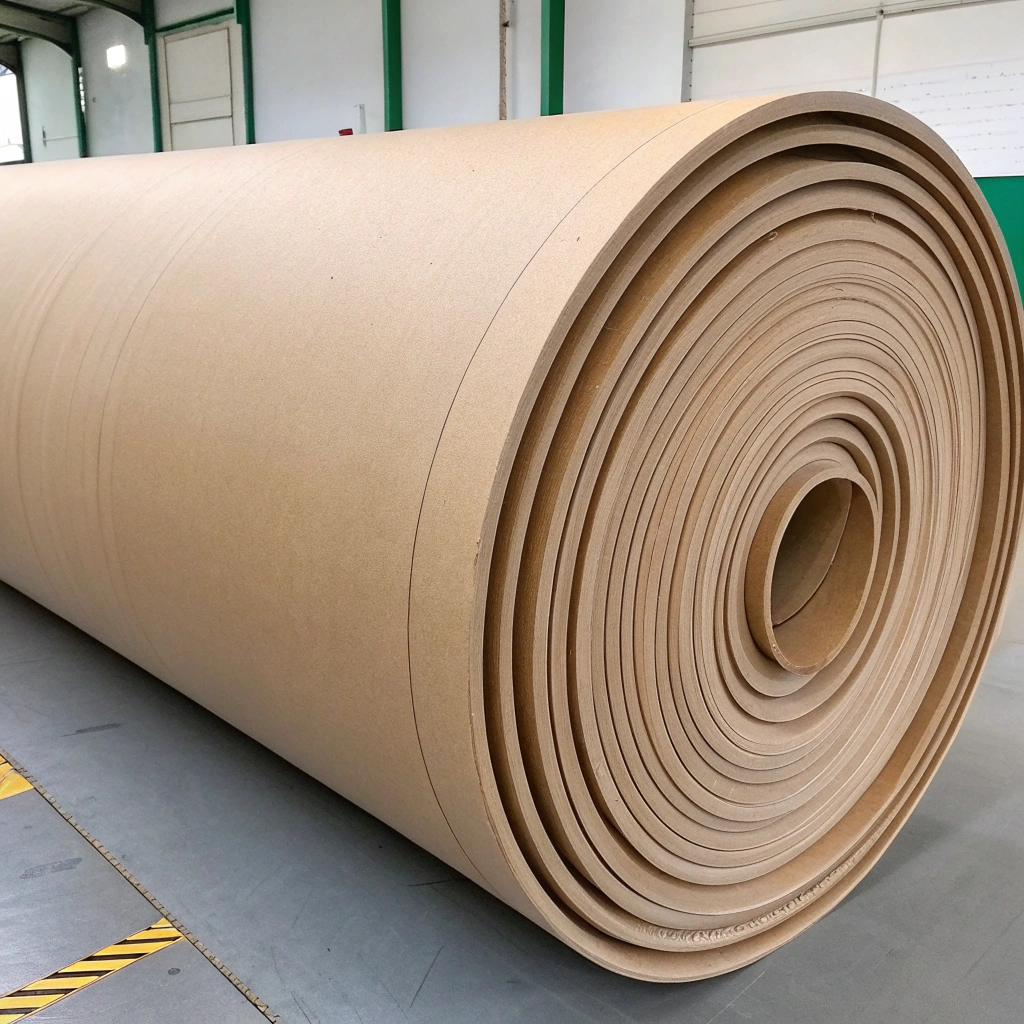
Understanding the material helps buyers, recyclers, and designers choose the right solution.
Difference between paperboard and cardboard
Corrugated cardboard has three layers: a wavy middle and two flat liners. It is used for boxes. Paperboard has no waves. It is solid and compact.
Paperboard is made by pressing recycled pulp into sheets. These sheets are then glued and wound into tubes.
Why paperboard is used for tubes
Paperboard offers key advantages:
- High compression strength
- Smooth winding surface
- Consistent thickness
- Lower dust production
Corrugated cardboard would collapse under winding pressure. It would also create uneven rolls.
Strength versus material use
Tube design is a balance. Too strong means wasted material. Too weak means crushed rolls. Engineers test tubes for radial strength, moisture resistance, and roundness.
Small design changes matter. A slight change in fiber mix or glue can improve strength without adding weight.
Industry trends in tube materials
The industry is moving toward:
- Higher recycled content
- Lower basis weight
- Better glue efficiency
- Cleaner fiber sourcing
Some brands experiment with coreless rolls. These remove the tube entirely. While this reduces waste, it creates new problems in handling and storage. For now, tubes remain the most practical option.
Paperboard tubes are simple, but they are the result of many design decisions. They sit at the center of cost, function, and sustainability.
Conclusion
The toilet paper roll tube is small, but it carries big design choices. Its length, diameter, material, and recyclability all affect daily use and global supply chains. When we understand the tube, we understand the product better.