Skip to content
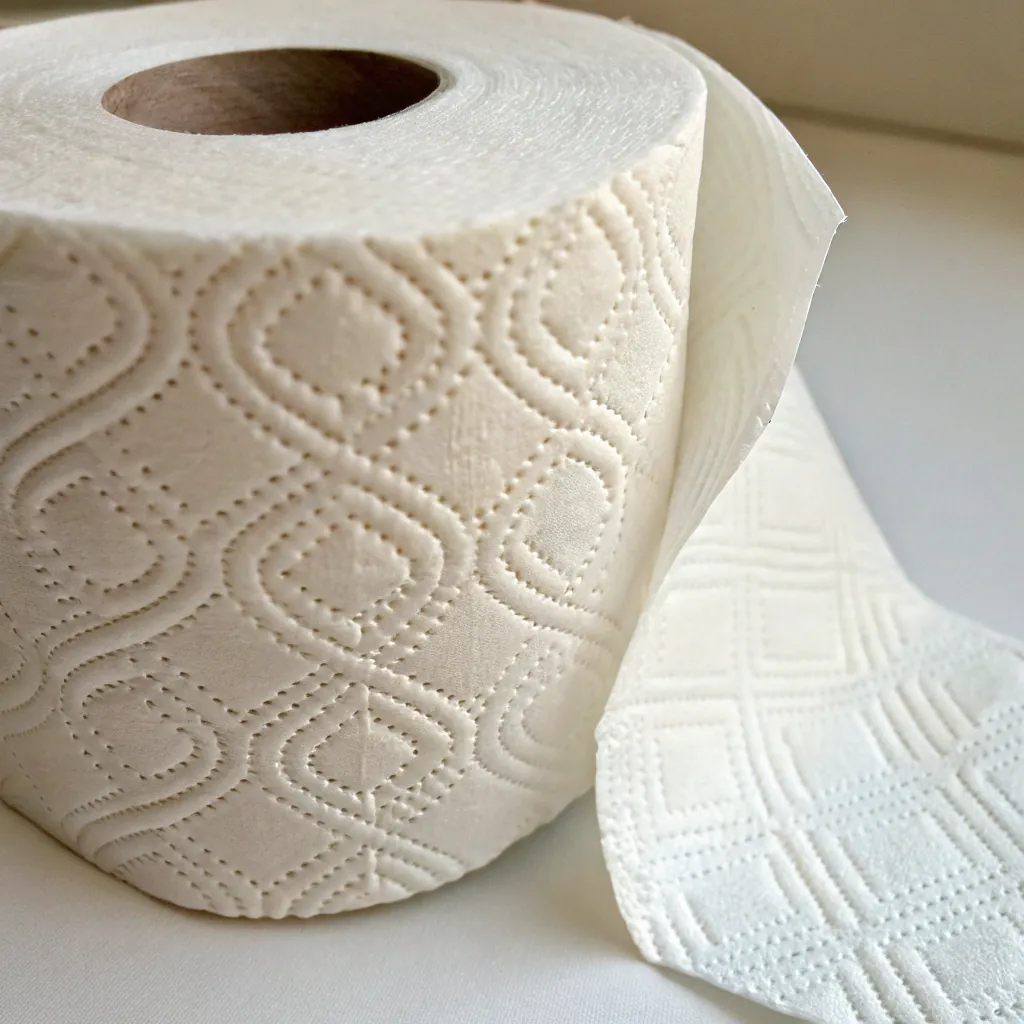
Most people use toilet paper every day, yet few know how many squares are in one roll. This lack of clarity makes it easy to misjudge value and overpay without noticing.
A standard toilet paper roll usually contains between 200 and 500 squares, but the exact number depends on brand, roll size, and paper design. There is no universal standard across the industry.
Once the idea of a “square” is clear, the numbers start to make sense. Understanding this helps buyers compare products fairly and avoid misleading packaging claims.
What defines a "square" of toilet paper?
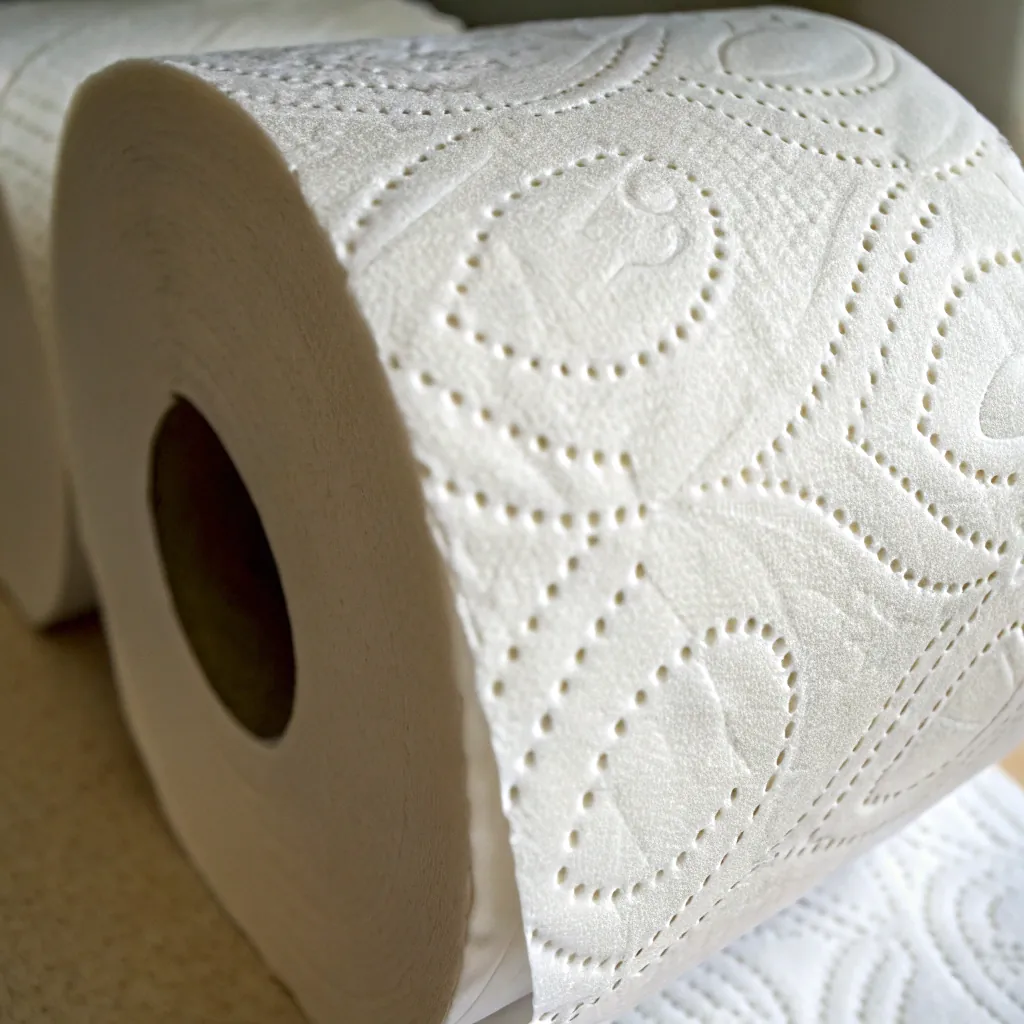
Many people assume a square is a fixed unit. In reality, it is a loose term shaped by manufacturing choices.
A square is meant to guide tearing, not to standardize quantity. This causes confusion when buyers compare rolls from different brands.
A toilet paper square is one perforated segment designed for single use, but its size and sheet area vary widely by manufacturer.
The basic idea of a square
A square is the section between two perforation lines. It is designed so users can tear paper easily and control usage. The name suggests a square shape, but many sheets are actually rectangular.
Common square dimensions range from:
- 9 × 9 inches
- 9 × 10 inches
- 10 × 11 inches
Small changes in size have a large effect on total paper volume.
Why squares are not truly standardized
Manufacturers design squares based on:
- Machine setup
- Target market
- Cost control
- User habits
There is no global rule that defines square size. This allows brands to adjust sheet dimensions while keeping roll counts attractive.
Perforation design matters
Some perforations tear cleanly. Others stretch or pull fibers. This affects how much paper users take per pull. A poorly designed perforation often leads to using more squares than planned.
Square count vs usable paper
Two rolls with the same square count may not deliver the same usage time. Thicker paper, larger sheets, or stronger fibers can change how many squares are used per visit.
Key takeaway for buyers
A square is a tearing guide, not a measurement standard. Understanding this prevents false comparisons and helps buyers look deeper than the label.
Do square counts vary by brand and size?
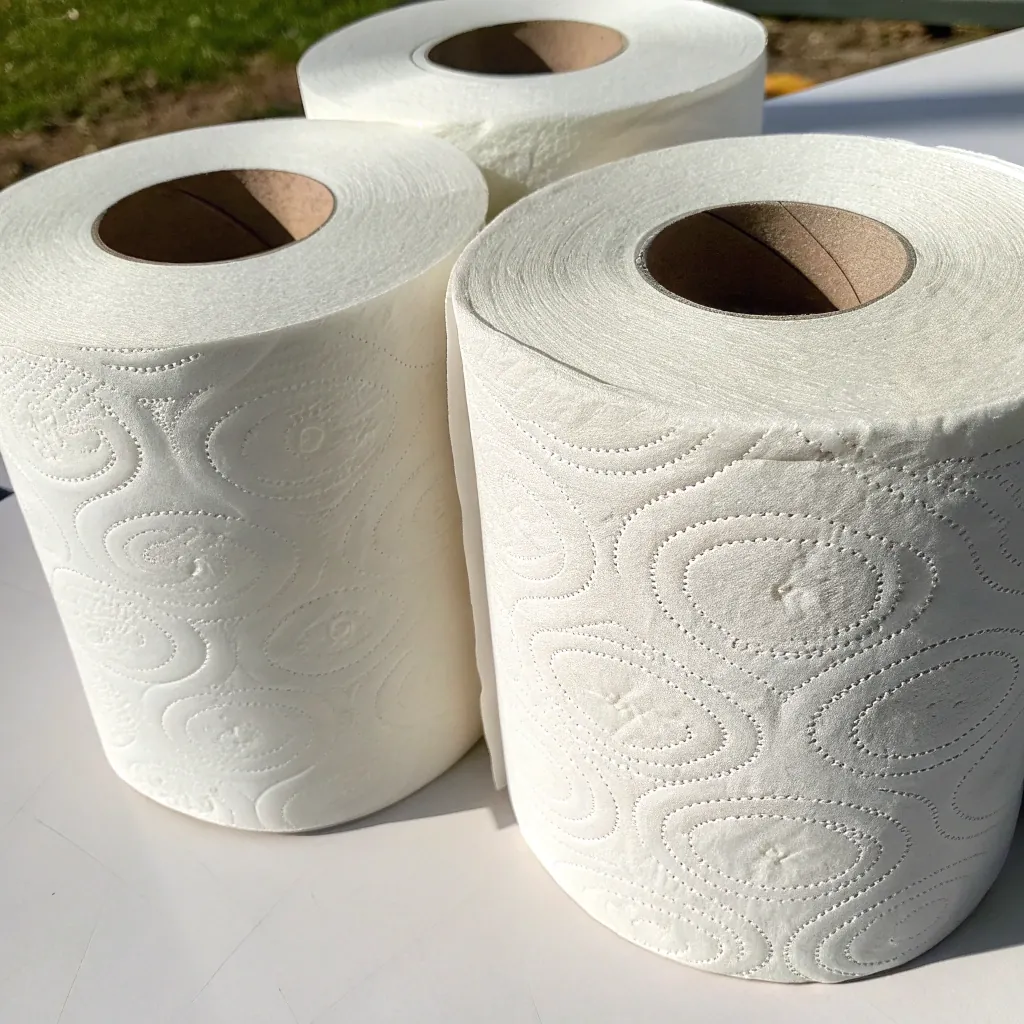
Square counts vary more than most people expect. Brand strategy plays a major role in how numbers are presented.
Some brands highlight high square counts. Others focus on roll length or “mega roll” language. These choices affect perception, not actual value.
Yes, square counts vary widely by brand, roll diameter, and sheet size, even within the same product category.
How brands design square counts
Brands balance several goals:
- Marketing appeal
- Production efficiency
- Cost per roll
- Shelf space limits
A brand may reduce sheet size slightly to raise square count without adding more paper.
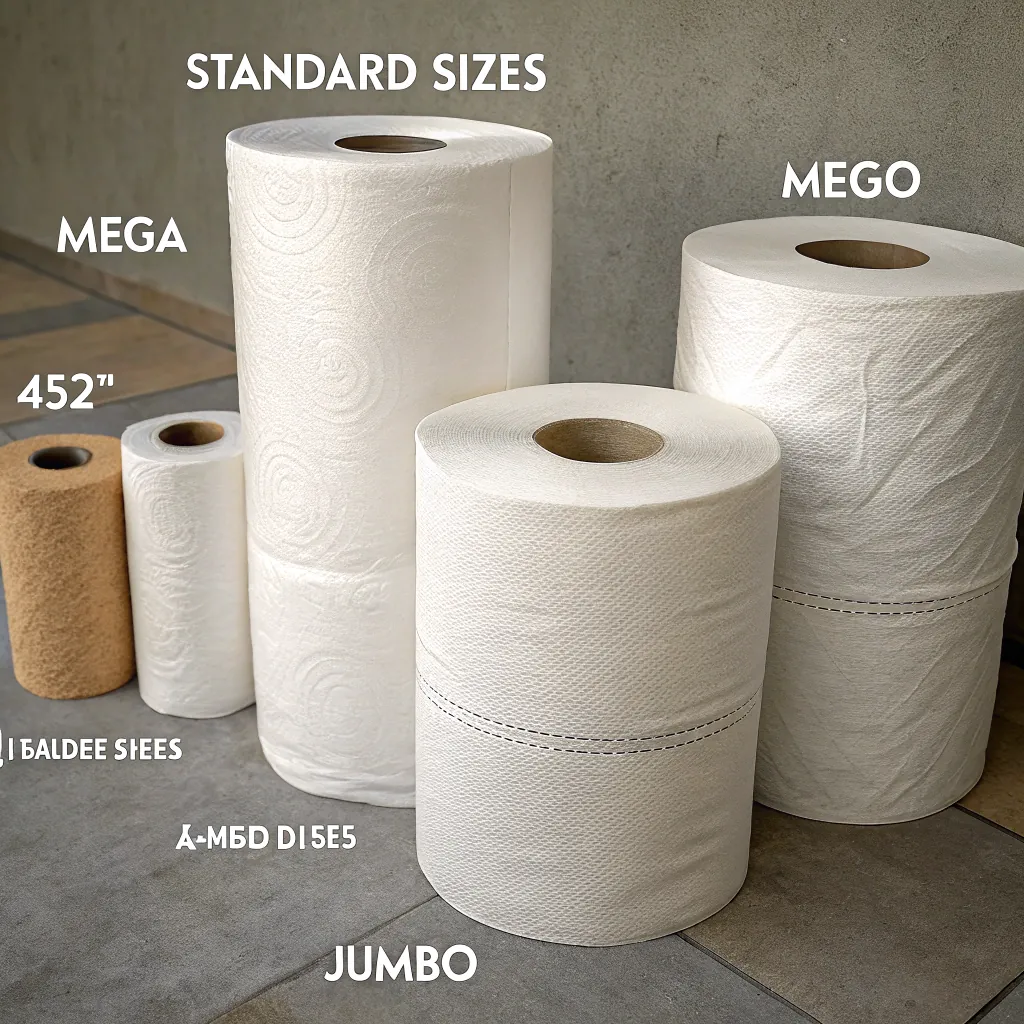
Regular, mega, and jumbo rolls
Labels like “mega” or “jumbo” do not follow fixed rules. One brand’s mega roll may equal another brand’s regular roll.
Table: Typical square counts by roll type
| Roll Type | Common Square Range | Notes |
|---|---|---|
| Small roll | 150–250 | Often budget-focused |
| Standard roll | 200–400 | Most common retail type |
| Mega roll | 400–600 | Larger diameter |
| Jumbo roll | 800–1,200 | Commercial use |
Brand-to-brand comparison issues
Two brands may both claim 400 squares, yet one roll feels smaller. This happens because:
- Sheet width differs
- Sheet length differs
- Paper thickness differs
Square count alone does not reveal total paper mass.
Size inflation over time
Some brands quietly reduce sheet size while keeping square count stable. This lowers material cost but keeps numbers familiar to buyers.
Practical advice
Always compare:
- Sheet dimensions
- Total roll length
- Paper weight
These reveal real value better than square count alone.
Is square count linked to roll ply?
Many buyers assume higher ply means fewer squares. This is not always true, but the link between ply and square count is real.
Ply affects thickness, strength, and absorption. These factors influence how manufacturers set sheet counts.
Square count is not directly tied to ply, but higher-ply rolls often have fewer squares because thicker paper uses more material per sheet.
What ply actually means
Ply refers to the number of paper layers bonded together:
- 1-ply: one thin layer
- 2-ply: two bonded layers
- 3-ply: three bonded layers
More ply usually means more comfort and strength.
How ply affects roll design
Thicker paper takes more space on the roll core. This limits how many sheets fit on a roll of fixed diameter.
Manufacturers must choose between:
- More squares with thinner paper
- Fewer squares with thicker paper
Table: Ply vs square count tendency
| Ply Level | Typical Square Count | Paper Feel |
|---|---|---|
| 1-ply | High | Thin, firm |
| 2-ply | Medium | Balanced |
| 3-ply | Lower | Soft, thick |
Usage behavior matters more
Users often take fewer squares of thick paper. This means a lower square count roll may last just as long as a high-count thin roll.
Marketing and perception
Some brands highlight square count to distract from low ply. Others highlight ply to justify lower counts. Both strategies aim to shape buyer perception.
What buyers should focus on
Instead of asking “How many squares,” ask:
- How many uses per roll?
- How much paper per square?
- How strong is each sheet?
These questions lead to better decisions.
Why is square count rarely printed on packaging?
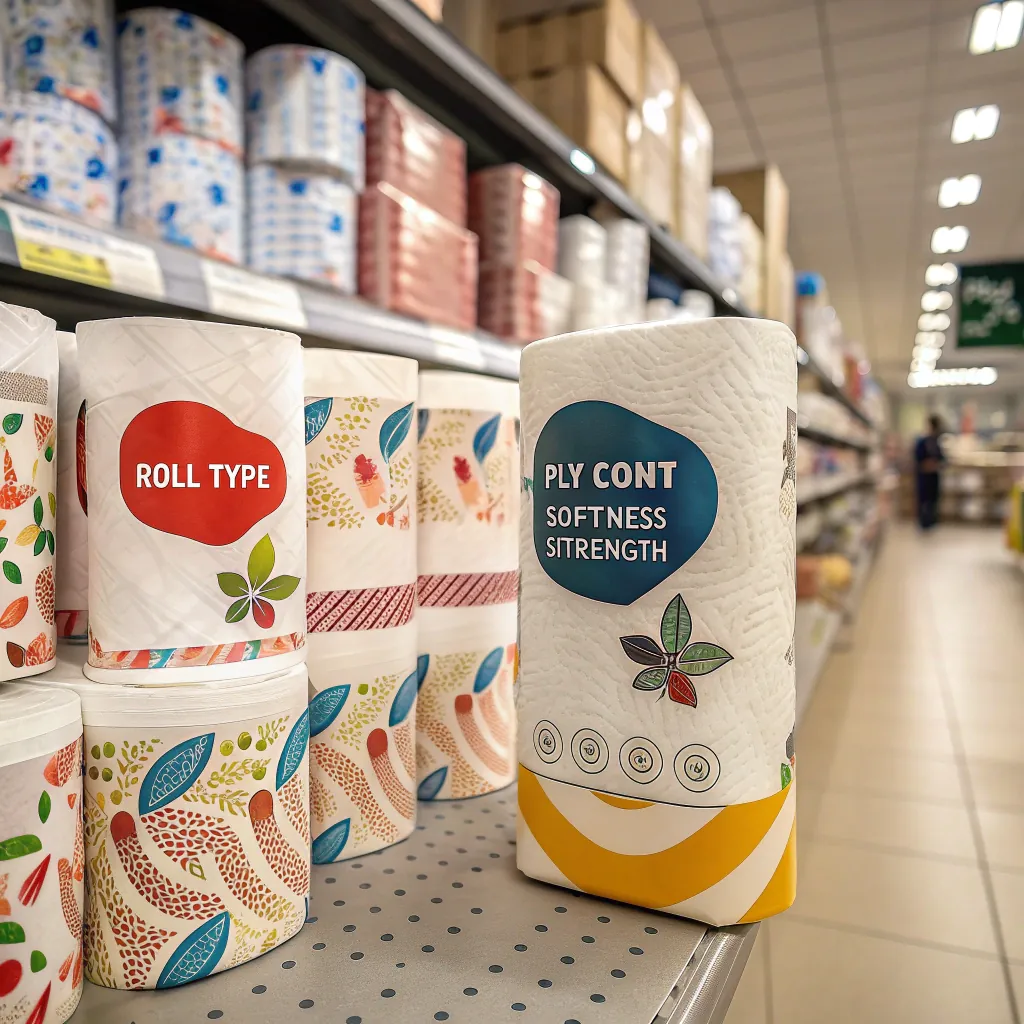
Many buyers search for square count and cannot find it. This is not accidental.
Packaging space is limited, but that is not the main reason. The real reason lies in comparison control.
Square count is rarely printed because it makes direct comparison easier, and easier comparison often works against brand marketing goals.
Packaging priorities
Brands prefer to highlight:
- Roll type labels
- Ply count
- Softness claims
- Strength icons
These features are emotional and easier to market.
Square count invites math
If square count and sheet size were clearly printed, buyers could calculate value quickly. This would reduce brand storytelling power.
Industry labeling flexibility
Most regions do not require square count disclosure. Brands follow minimum rules and choose what supports sales.
Consumer confusion works
Confusion slows comparison. Slower comparison increases impulse buying. This benefits brands with strong shelf presence.
When square count is shown
Square count appears more often in:
- Commercial products
- Institutional packaging
- Wholesale listings
These buyers care more about usage metrics than branding.
How buyers can find square count anyway
Even when not printed, square count can often be found:
- On brand websites
- In product specification sheets
- Through customer service
A few minutes of checking can save money over time.
Conclusion
A toilet paper roll usually contains 200 to 500 squares, but the number varies widely. Square size, ply, and brand strategy matter more than the count alone. Understanding these details helps buyers compare fairly and avoid misleading claims.