Skip to content

Many homes run out of toilet paper faster than expected. This causes stress, last-minute shopping, and wasted money. The real problem is not supply. It is lack of clear usage awareness.
On average, one person uses about 6–9 rolls of toilet paper per week, depending on habits, bathroom access, and paper type. This number changes with lifestyle and household structure.
Once weekly usage becomes visible, planning becomes easier. Cost drops. Storage becomes simple. The rest of this guide breaks the numbers down in a clear and practical way.
What factors affect weekly toilet paper usage?
Toilet paper use is not random. It follows daily habits, routines, and environment. Many people underestimate how many small actions add up over a week.
Weekly toilet paper usage depends on bathroom frequency, paper quality, personal habits, and shared household behavior. Even small changes can double or cut usage in half.
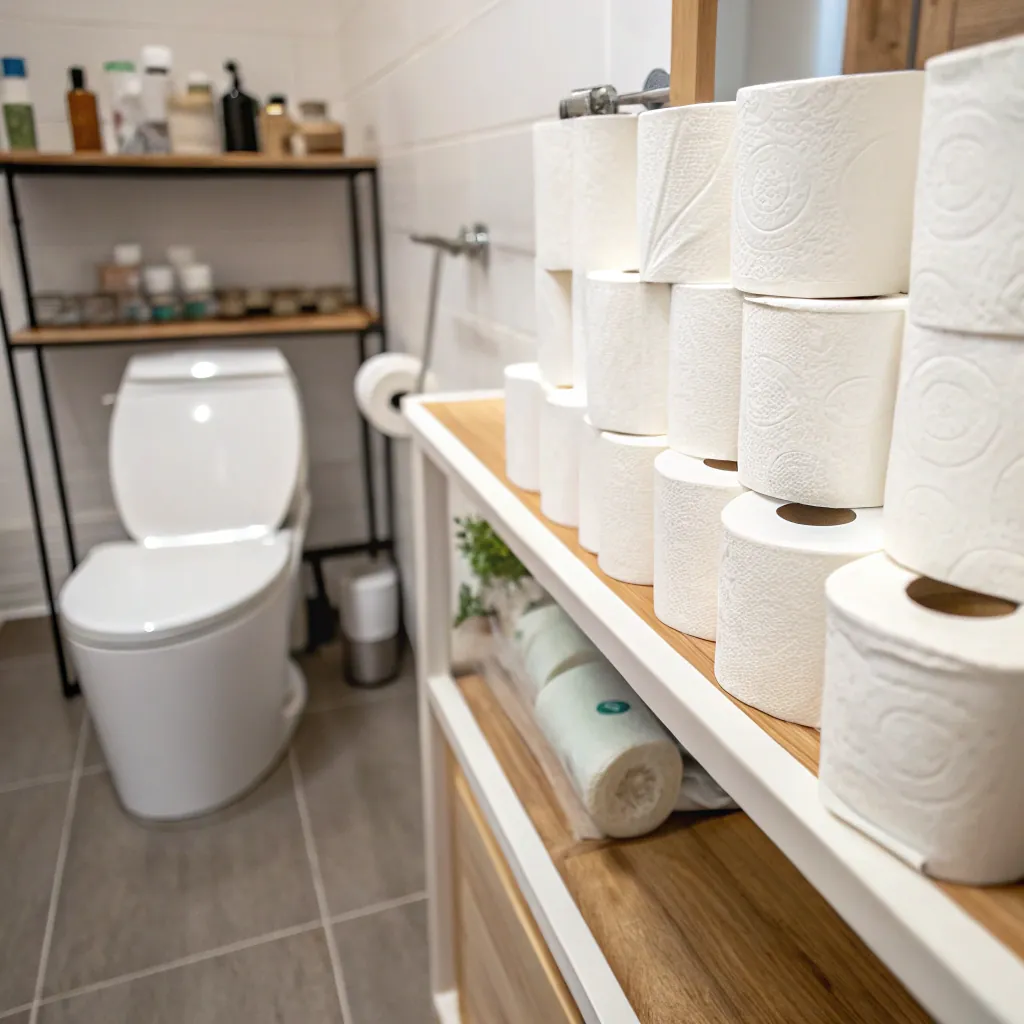
Bathroom frequency and health
The number of bathroom visits per day matters most.
People who:
- Drink more water
- Eat high-fiber diets
- Have digestive conditions
tend to use more toilet paper per day. A difference of just two extra visits daily can add up to one full roll per week.
Paper type and roll size
Not all rolls are equal. This is where many people miscalculate.
Key differences include:
- Sheet count per roll
- Ply thickness
- Sheet size
A “big” roll with fewer sheets may run out faster than a smaller roll with more sheets.
Personal wiping habits
This factor is uncomfortable to discuss, but it matters.
Some people:
- Fold paper multiple times
- Use long pulls
- Prefer extra layers
Others use minimal sheets. These habits often form early and stay fixed.
Shared vs private bathrooms
Usage changes when bathrooms are shared.
In shared bathrooms:
- People use more paper for comfort
- Guests often overuse
- Rolls are replaced less often
Private bathrooms usually show lower weekly usage per person.
Cultural and regional habits
In some regions, toilet paper is the only hygiene method. In others, water is also used.
This alone can reduce usage by:
- 30%
- 50%
- Or more
Summary of key factors
| Factor | Effect on Usage |
|---|---|
| More bathroom visits | Increases |
| Thicker paper | Decreases |
| Larger sheets | Decreases |
| Shared bathrooms | Increases |
| Water use | Decreases |
Understanding these factors helps explain why weekly numbers vary so widely between people.
Is there a usage average by household size?
Household size changes toilet paper usage patterns in clear ways. The more people share space, the more complex the usage becomes.
Average toilet paper usage increases with household size, but per-person usage often drops slightly in larger households. Shared behavior creates efficiency.
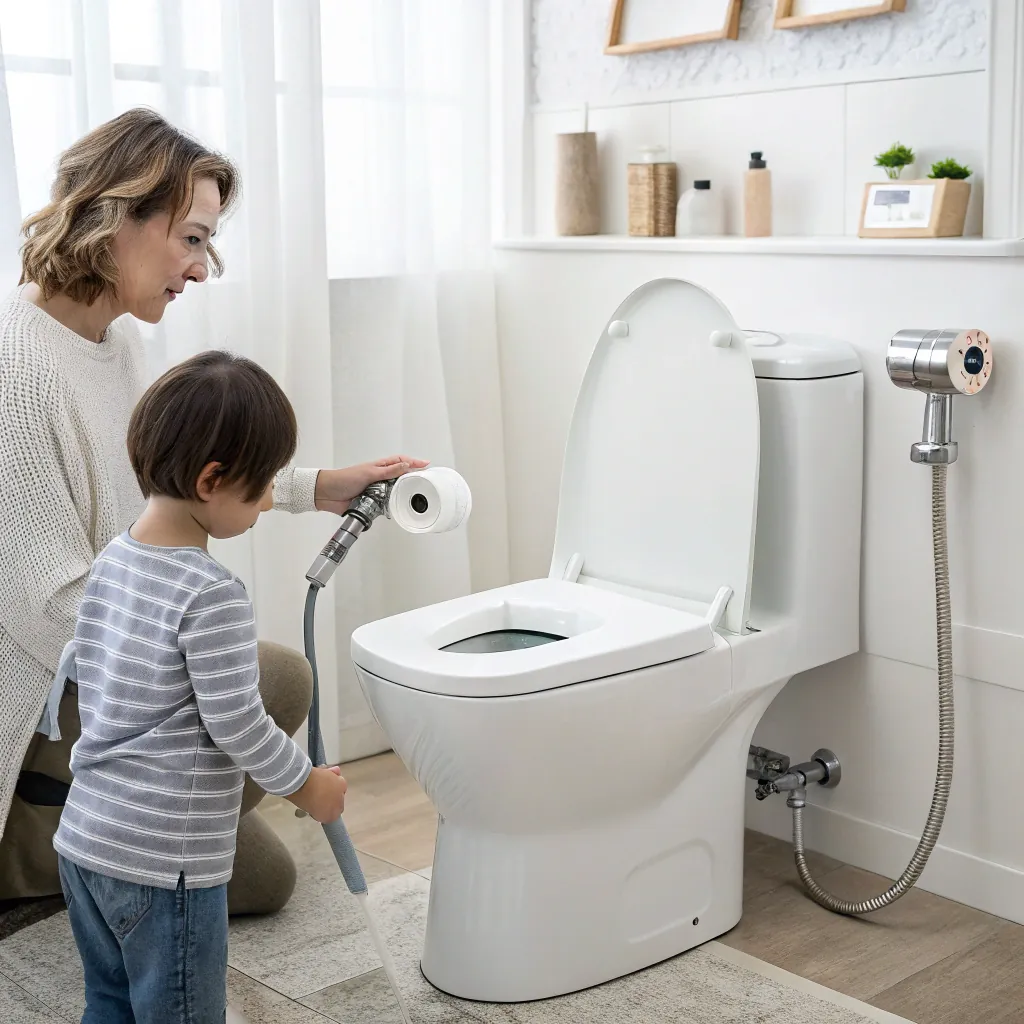
Single-person households
People living alone often use more per person.
Reasons include:
- No sharing pressure
- Less monitoring
- More comfort usage
Average weekly use:
- 7–9 rolls per person
Two-person households
Couples or roommates begin to adjust behavior.
Changes include:
- Shared storage awareness
- More frequent roll replacement
- Slight habit moderation
Average weekly use:
- 6–8 rolls per person
Families with children
Families show mixed patterns.
Adults:
- Often reduce usage slightly
Children:
- Often use more paper per visit
The result balances out.
Average weekly use:
- 5–7 rolls per person
Large households
In homes with many people:
- Rolls disappear fast
- Awareness increases
- Waste becomes visible
People often self-adjust.
Average weekly use:
- 4–6 rolls per person
Usage comparison table
| Household Size | Rolls per Person per Week |
|---|---|
| 1 person | 7–9 |
| 2 people | 6–8 |
| 3–4 people | 5–7 |
| 5+ people | 4–6 |
Why per-person usage drops
This happens for simple reasons:
- Storage space limits
- Cost awareness
- Shared responsibility
When people see rolls run out quickly, habits change naturally.
Household size does not just add people. It changes behavior.
How can I track toilet paper consumption?
Most people guess their usage. Guessing leads to overbuying or shortages. Tracking removes uncertainty.
You can track toilet paper consumption by counting rolls used per week and dividing by household members. No special tools are needed.
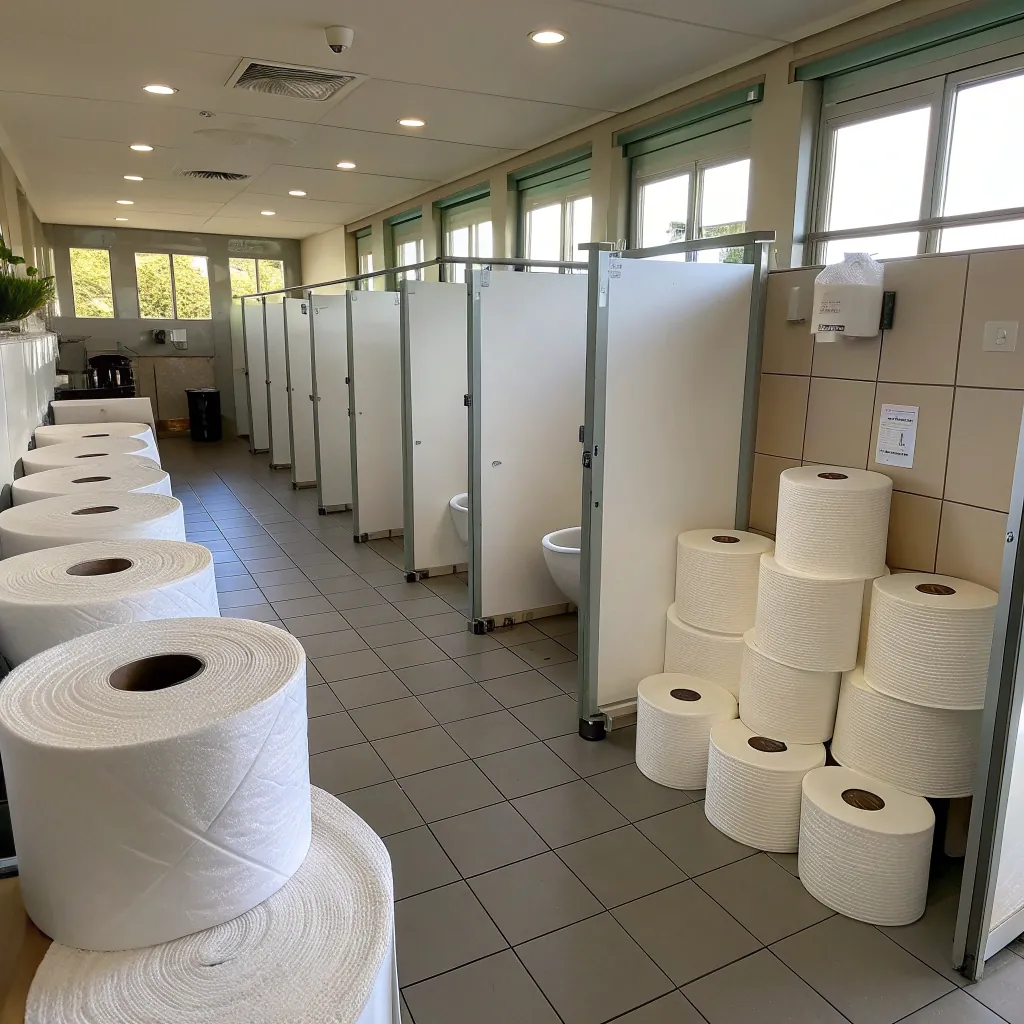
Simple weekly tracking method
This is the easiest approach.
Steps:
- Count full rolls at start of week
- Count rolls left after 7 days
- Subtract to find rolls used
- Divide by number of people
This gives a clear weekly average.
Bathroom-level tracking
For more accuracy, track by bathroom.
- Assign rolls per bathroom
- Refill only when empty
- Record replacement dates
This method shows which bathroom uses more paper.
Monthly tracking for accuracy
Weekly data can fluctuate. Monthly tracking smooths results.
- Track 4 weeks
- Add total rolls used
- Divide by weeks and people
This shows real habits, not short-term changes.
Tracking mistakes to avoid
Common errors include:
- Mixing roll sizes
- Ignoring partial rolls
- Counting guest usage
Always track the same brand and size for clean data.
Simple tracking table example
| Week | Rolls Used | People | Rolls per Person |
|---|---|---|---|
| Week 1 | 28 | 4 | 7 |
| Week 2 | 24 | 4 | 6 |
| Week 3 | 26 | 4 | 6.5 |
| Week 4 | 25 | 4 | 6.25 |
Tracking does not change behavior by itself. But awareness often does.
Once people see numbers, waste becomes visible.
Can toilet paper usage be reduced easily?
Many assume reducing toilet paper use means discomfort. In reality, small changes make a big difference without loss of comfort.
Yes, toilet paper usage can be reduced easily through better paper choice, habit awareness, and simple alternatives. No extreme changes are required.
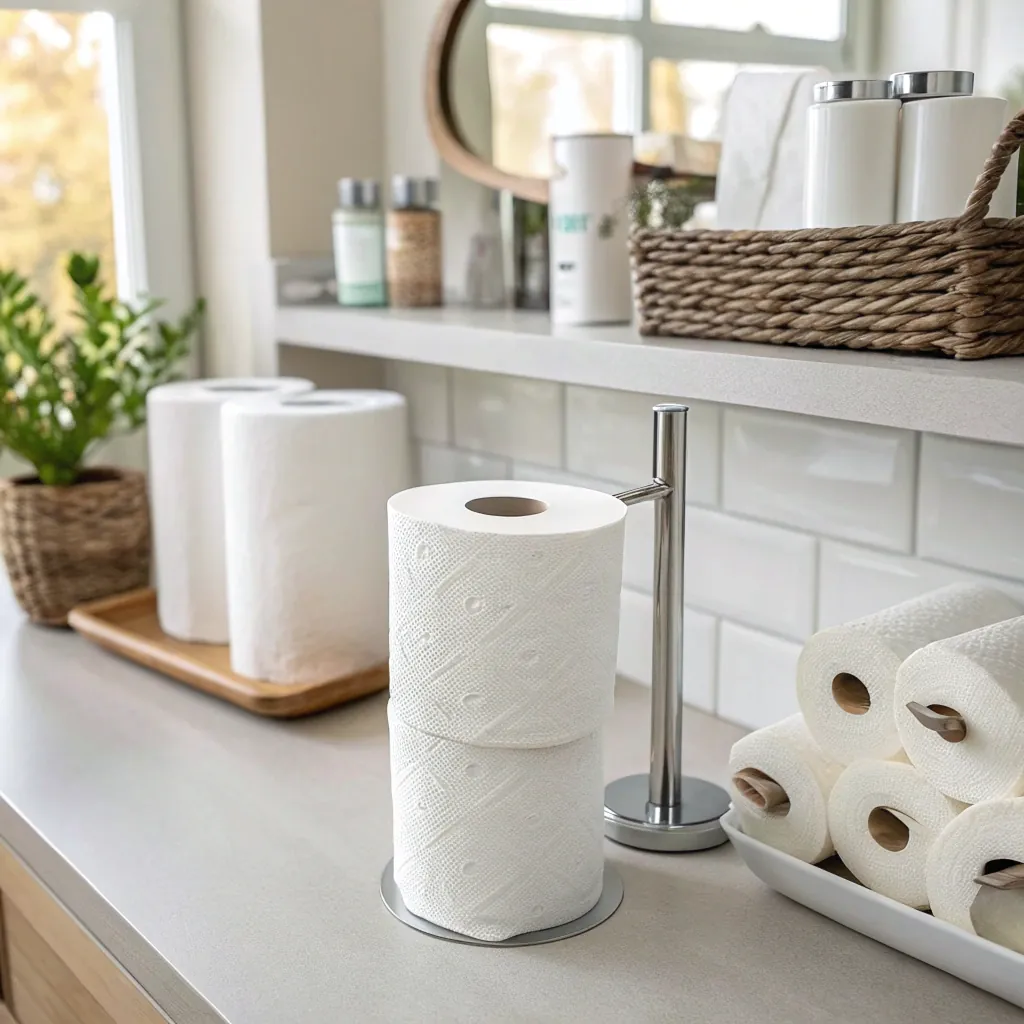
Switch to higher-quality paper
This sounds counterintuitive, but it works.
Higher-quality paper:
- Uses fewer sheets
- Absorbs better
- Feels stronger
Using less paper per visit reduces weekly usage fast.
Adjust pulling habits
Most waste comes from automatic habits.
Try:
- Pulling fewer sheets first
- Adding more only if needed
- Folding instead of bunching
These small changes often cut usage by 20–30%.
Use visible roll limits
Large exposed rolls encourage overuse.
Better options:
- Smaller rolls
- Covered holders
- Slower-spin holders
These add natural friction to over-pulling.
Introduce water-based hygiene
Even partial water use helps.
Options include:
- Handheld sprayers
- Simple bidet attachments
- Wet wipes (used separately)
Water reduces paper needed per visit.
Teach children early
Children often use the most paper.
Simple rules help:
- Count sheets together
- Demonstrate folding
- Praise correct use
Early habits last for years.
Reduction impact table
| Change Made | Expected Reduction |
|---|---|
| Better paper | 15–25% |
| Habit awareness | 20–30% |
| Water use | 30–50% |
| Child guidance | Long-term |
Reducing usage is not about control. It is about awareness. When people understand how much they use, waste naturally drops.
Conclusion
Toilet paper usage per person per week depends on habits, household size, and paper type. With simple tracking and small adjustments, most homes can plan better, reduce waste, and avoid running out.