Skip to content
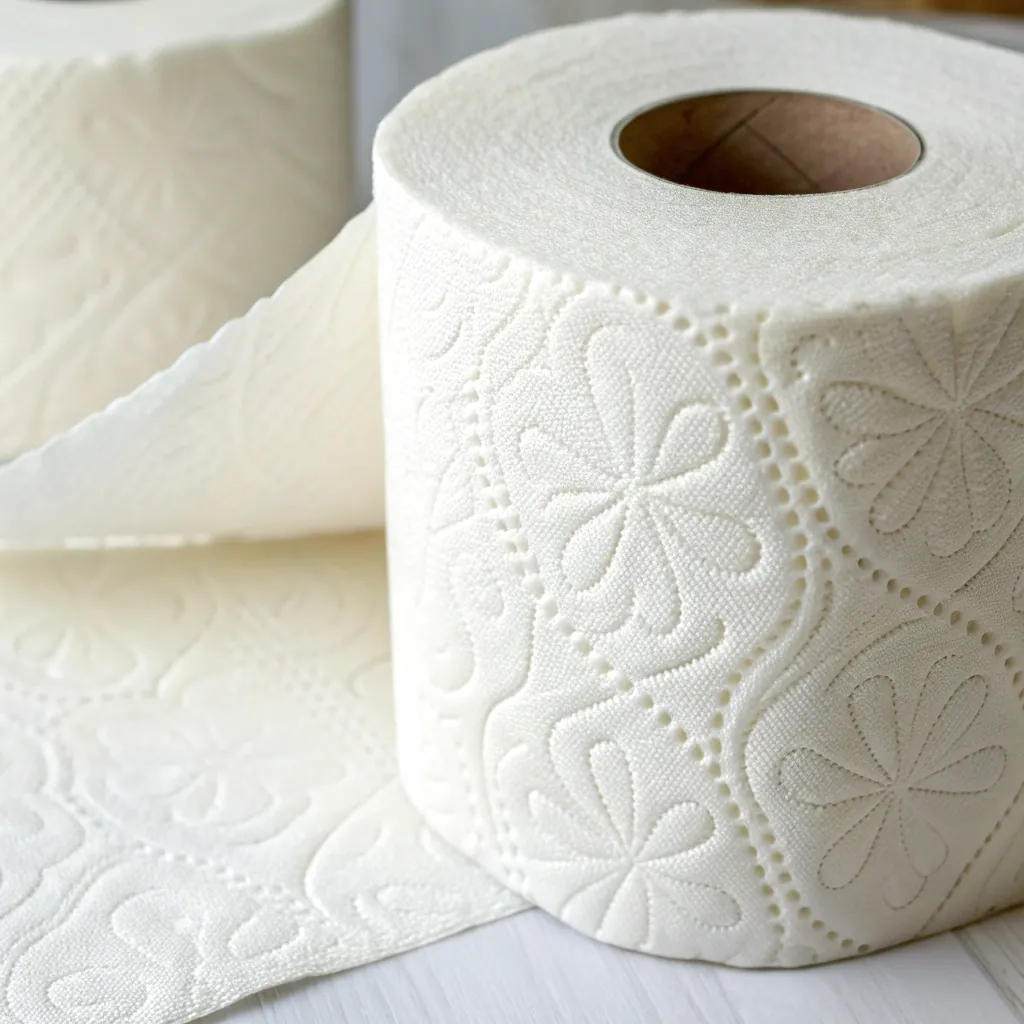
Toilet paper looks simple, but many people feel confused about how it is made. This gap often creates doubt about quality, safety, and softness, especially for buyers and brand owners.
Toilet paper is made by turning plant-based fibers into pulp, then drying, pressing, and converting that pulp into soft, absorbent paper rolls designed for daily hygiene use.
This process combines material choice, fiber control, and machine settings. Each step changes how the paper feels, looks, and performs. Understanding the process helps explain why some toilet paper feels soft while others feel rough.
What raw materials are used in toilet paper production?
Many buyers assume toilet paper comes from one source. That belief causes confusion when quality and price change between suppliers. The truth is more complex, and material choice decides the final result.
Toilet paper is mainly made from virgin wood pulp, recycled paper pulp, or bamboo pulp. Each material affects softness, strength, cost, and environmental impact.
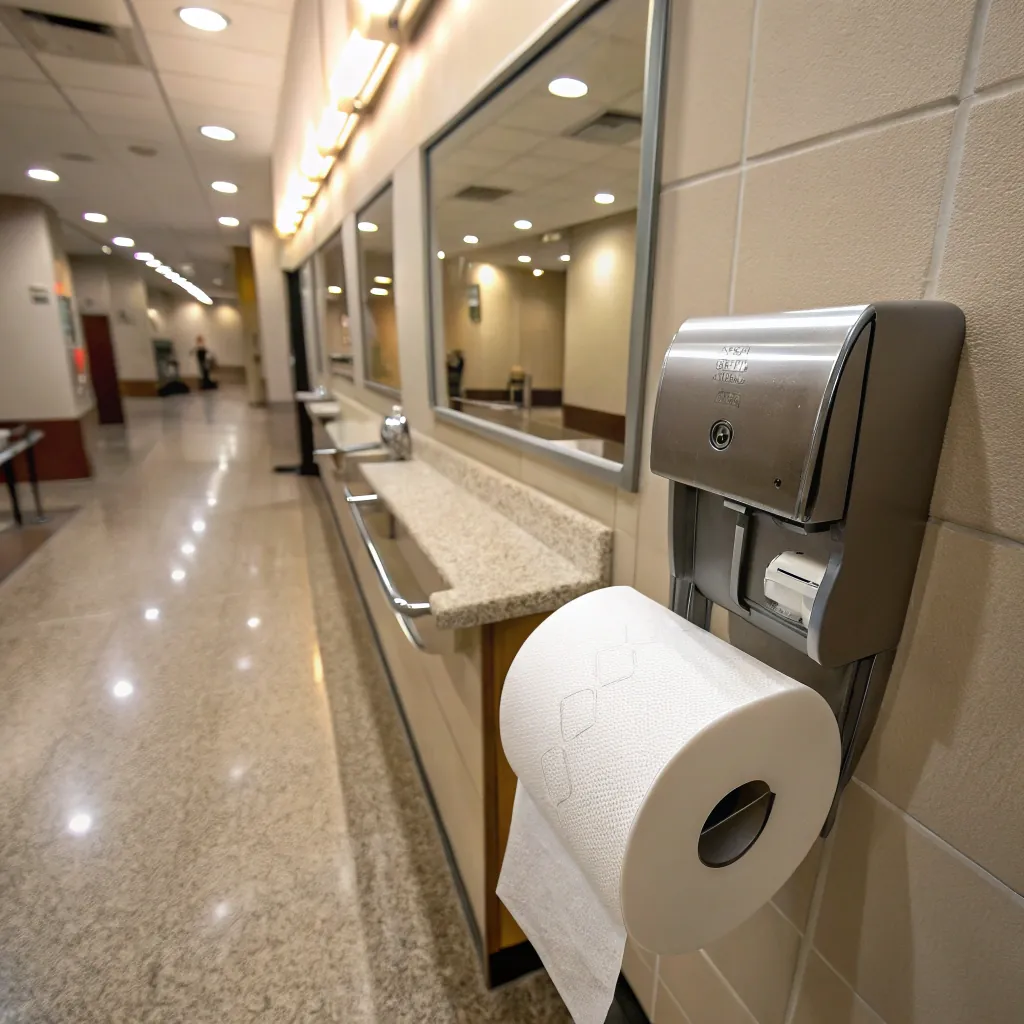
Raw materials are the foundation of toilet paper. If the fibers are weak or short, the paper breaks easily. If the fibers are clean and long, the paper feels smooth and strong. This is why material choice always comes first.
Virgin wood pulp
Virgin wood pulp comes from fresh trees, usually pine or eucalyptus. Pine fibers are long. They add strength. Eucalyptus fibers are short. They add softness. Many manufacturers blend both to balance comfort and durability.
This pulp is clean and bright. It needs fewer chemical steps to reach a white color. Because fibers are not reused, they stay long and flexible. This makes virgin pulp ideal for premium toilet paper and facial tissue.
Recycled paper pulp
Recycled pulp comes from used paper products like cartons, office paper, or printed waste. These fibers are already shorter. They break more easily during use. Extra cleaning is needed to remove ink, glue, and dust.
Recycled pulp helps reduce waste. It often costs less. However, it may feel rougher and look darker unless heavily processed. Many economy toilet papers use this material for price reasons.
Bamboo pulp
Bamboo pulp comes from fast-growing bamboo plants. Bamboo fibers are naturally long and smooth. They grow faster than trees and need less water.
This pulp is often promoted as eco-friendly. It gives good softness and strength. The cost is usually between virgin wood pulp and recycled pulp.
Raw material comparison
| Raw Material | Softness | Strength | Cost Level | Eco Impact |
|---|---|---|---|---|
| Virgin wood pulp | High | High | High | Medium |
| Recycled pulp | Medium | Low | Low | High |
| Bamboo pulp | High | Medium | Medium | High |
Raw material choice sets limits. Machines can adjust texture, but they cannot fix poor fibers. This is why serious manufacturers focus on pulp quality first.
How is pulp turned into soft tissue?
Many people think softness comes from chemicals alone. This idea causes fear about safety. In reality, softness comes mainly from fiber treatment and machine control.
Pulp becomes soft tissue through dilution, fiber bonding, controlled drying, and surface embossing, not by adding harmful chemicals.
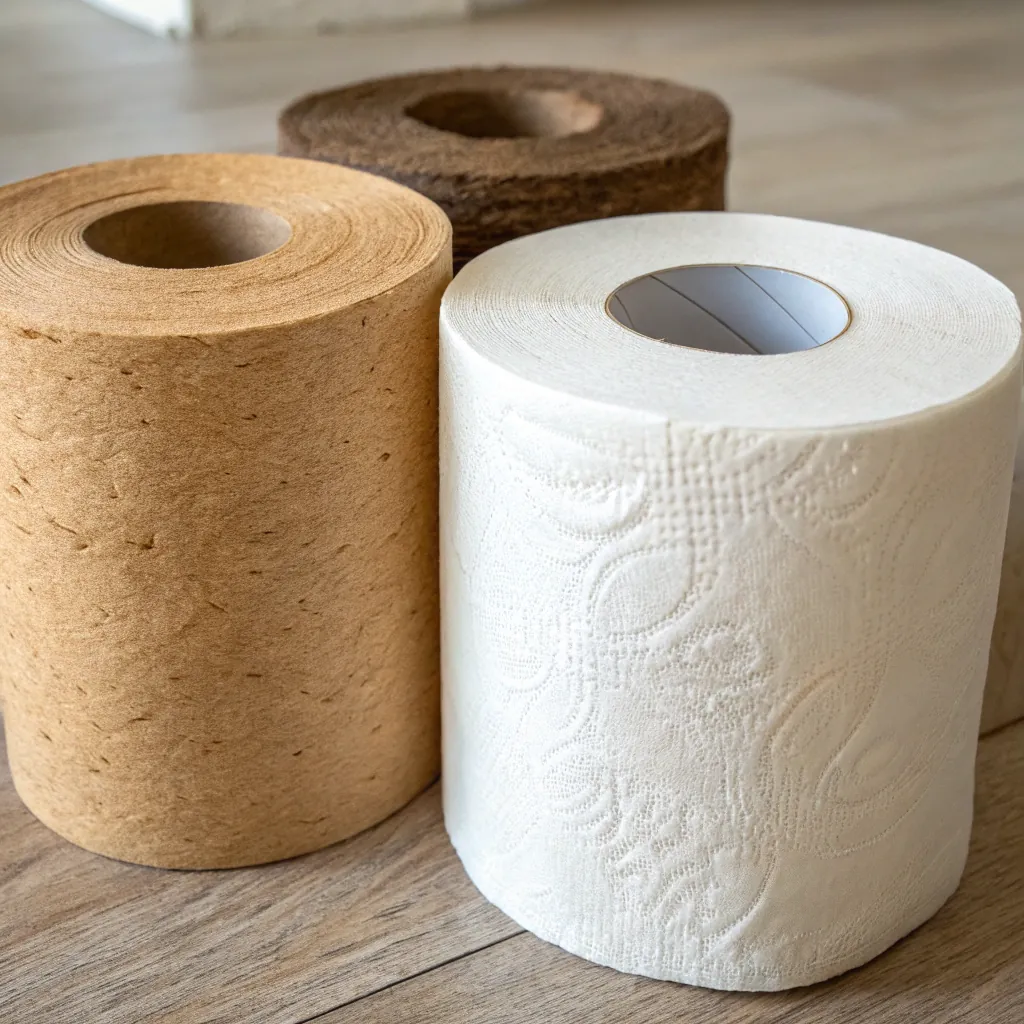
Once pulp is ready, it must be transformed carefully. At this stage, small changes can ruin softness or absorbency.
Pulp dilution and mixing
Pulp starts as thick slurry. Water is added until the mix is more than 99% water. This allows fibers to spread evenly. If fibers clump, the paper becomes uneven.
Mixing also allows blending different pulps. For example, long fibers add strength, and short fibers add softness. Balance is the goal.
Sheet forming on wire screen
The diluted pulp flows onto a moving wire mesh. Water drains through the screen. Fibers stay on top and begin to bond naturally.
This step forms the paper sheet. Speed matters. If the flow is too fast, fibers align poorly. If too slow, production drops and cost rises.
Pressing and drying
The wet sheet moves through press rollers. These rollers squeeze out water without crushing fibers. Then the sheet enters a large heated drum called a dryer.
Controlled heat removes moisture. Too much heat makes paper brittle. Too little heat leaves paper weak. This balance controls softness and strength.
Creping for softness
Creping is a key step. A blade gently scrapes the dried sheet from the drum. This creates tiny folds in the paper.
These folds trap air. Air makes paper feel soft and bulky. Without creping, paper would feel flat and stiff.
Embossing and layering
After drying, sheets may be embossed. Embossing presses patterns into the paper. This adds thickness and helps absorb water faster.
Some toilet paper has two or three layers. Layers are bonded together using pressure or light adhesive. More layers usually mean better comfort.
Softness is not luck. It is controlled through fiber choice, water balance, heat, and pressure.
What are the steps in manufacturing toilet paper?
Many buyers only see the final roll. This makes the process seem simple. In reality, toilet paper production includes many linked steps.
Toilet paper manufacturing includes pulping, cleaning, sheet forming, drying, converting, and packaging, with quality checks at each stage.
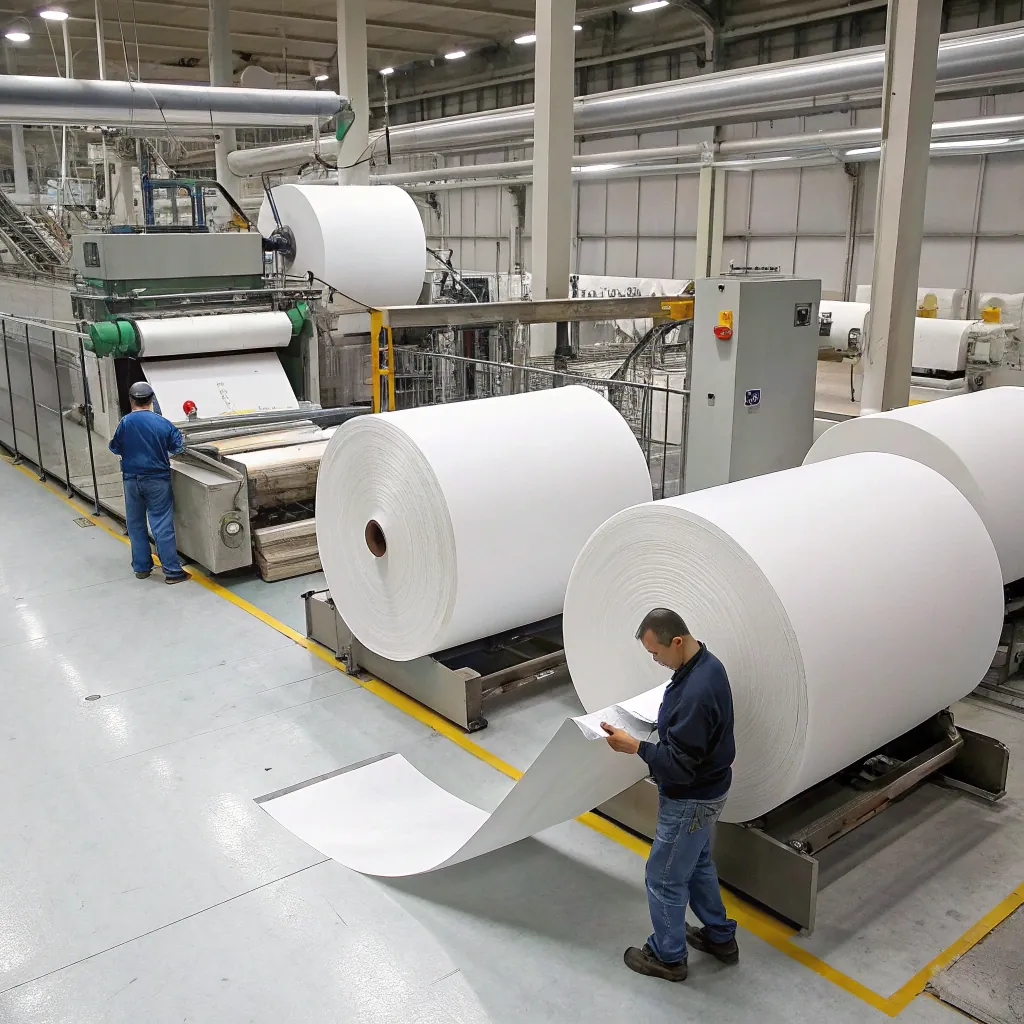
Each step affects the next. A mistake early cannot be fully fixed later.
Step-by-step production flow
| Step | Process Name | Main Purpose |
|---|---|---|
| 1 | Pulping | Separate fibers |
| 2 | Screening & cleaning | Remove dirt and ink |
| 3 | Sheet forming | Create paper web |
| 4 | Pressing & drying | Remove water |
| 5 | Creping | Add softness |
| 6 | Rewinding | Create jumbo rolls |
| 7 | Slitting & cutting | Make final rolls |
| 8 | Packaging | Protect product |
Pulp preparation
Raw pulp enters the system. It is mixed with water and broken into fibers. Screens remove sand, metal, and plastic. Clean pulp protects machines and final quality.
Paper machine operation
The paper machine runs continuously. It forms, presses, dries, and crepes the sheet in one flow. Operators adjust speed, pressure, and heat in real time.
Small changes here affect thickness and strength. This is where experience matters most.
Jumbo roll production
The finished sheet is wound into large rolls called jumbo rolls. These rolls can weigh several tons.
Jumbo rolls allow flexibility. One jumbo roll can later be cut into different sizes for different markets.
Converting process
Converting turns jumbo rolls into consumer rolls. Machines slit, emboss, perforate, and rewind the paper.
Perforation controls tear length. Embossing adds texture. Rewinding controls roll tightness.
Packaging and inspection
Final rolls are wrapped to protect from moisture and dust. Random samples are tested for weight, size, and strength.
Only after inspection does the product move to storage and shipment.
Toilet paper manufacturing is a system. Each step supports the next.
Is recycled paper used in toilet paper making?
Many people worry that recycled toilet paper is unsafe or dirty. This fear often comes from lack of clear information.
Yes, recycled paper is used in toilet paper making, but it goes through strict cleaning, de-inking, and sterilization before use.
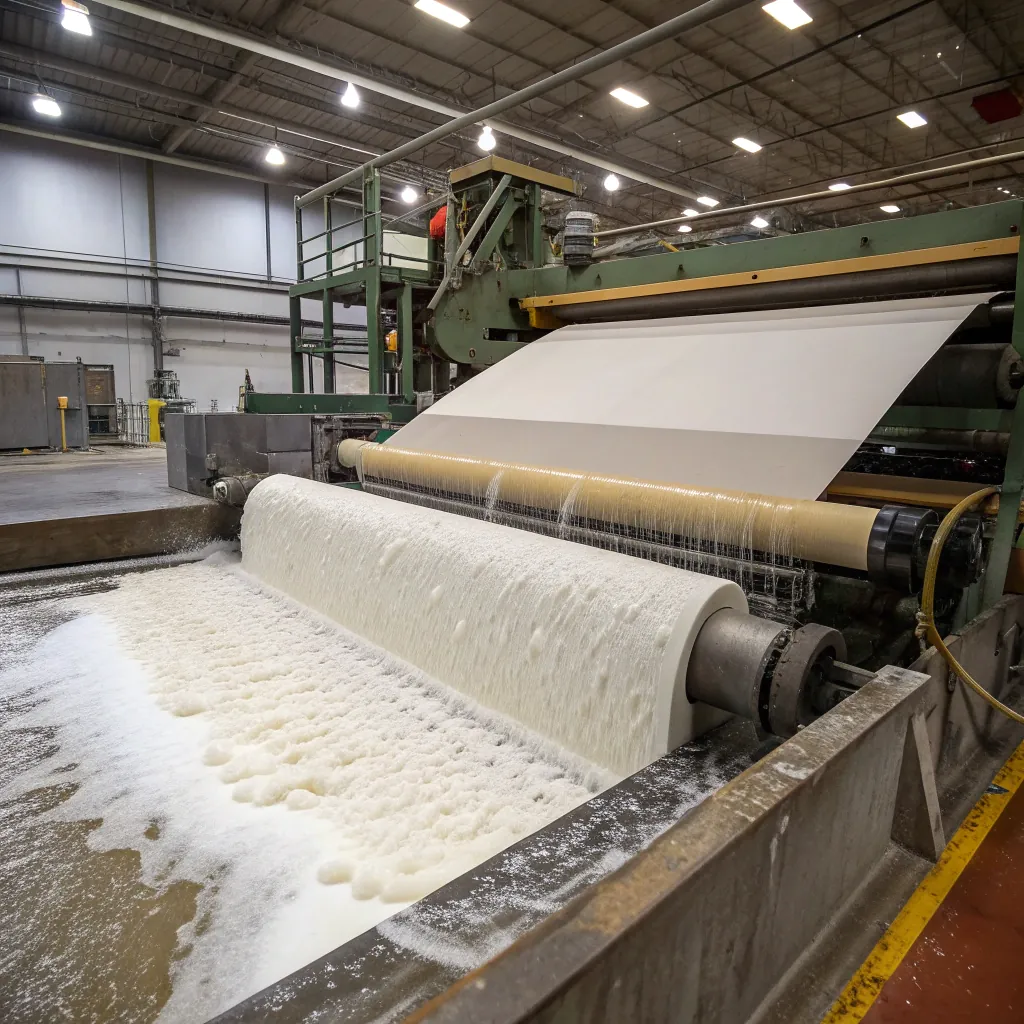
Recycled toilet paper is common in public places and value markets. Its safety depends on processing, not on the source alone.
Sources of recycled paper
Recycled pulp usually comes from office paper, cartons, or printed waste. Food waste paper is avoided.
These materials are sorted before pulping. Sorting reduces contamination at the start.
Cleaning and de-inking
After pulping, the slurry goes through flotation tanks. Air bubbles lift ink and glue to the surface. These impurities are removed.
Screens filter out staples and plastic. Washing cycles reduce ash and odor.
Brightness and safety control
Recycled pulp may look gray at first. Oxygen-based bleaching improves brightness. This process avoids harsh chlorine chemicals.
Heat and time reduce bacteria. Final products meet hygiene standards for their target use.
Where recycled toilet paper is used
Recycled toilet paper is often used in:
- Public toilets
- Offices and schools
- Industrial and commercial buildings
It is less common in premium home brands, where softness matters more.
Pros and limits of recycled toilet paper
Recycled toilet paper reduces waste and saves trees. It usually costs less. However, fibers are shorter. This limits softness and strength.
Manufacturers must balance price, performance, and user expectations.
Recycled paper is not unsafe by default. Quality depends on process control, not marketing claims.
Conclusion
Toilet paper is made through controlled steps that turn plant fibers into soft, absorbent rolls. Raw materials, machine settings, and processing choices all shape the final product. Understanding these steps helps explain quality differences across markets.