Skip to content
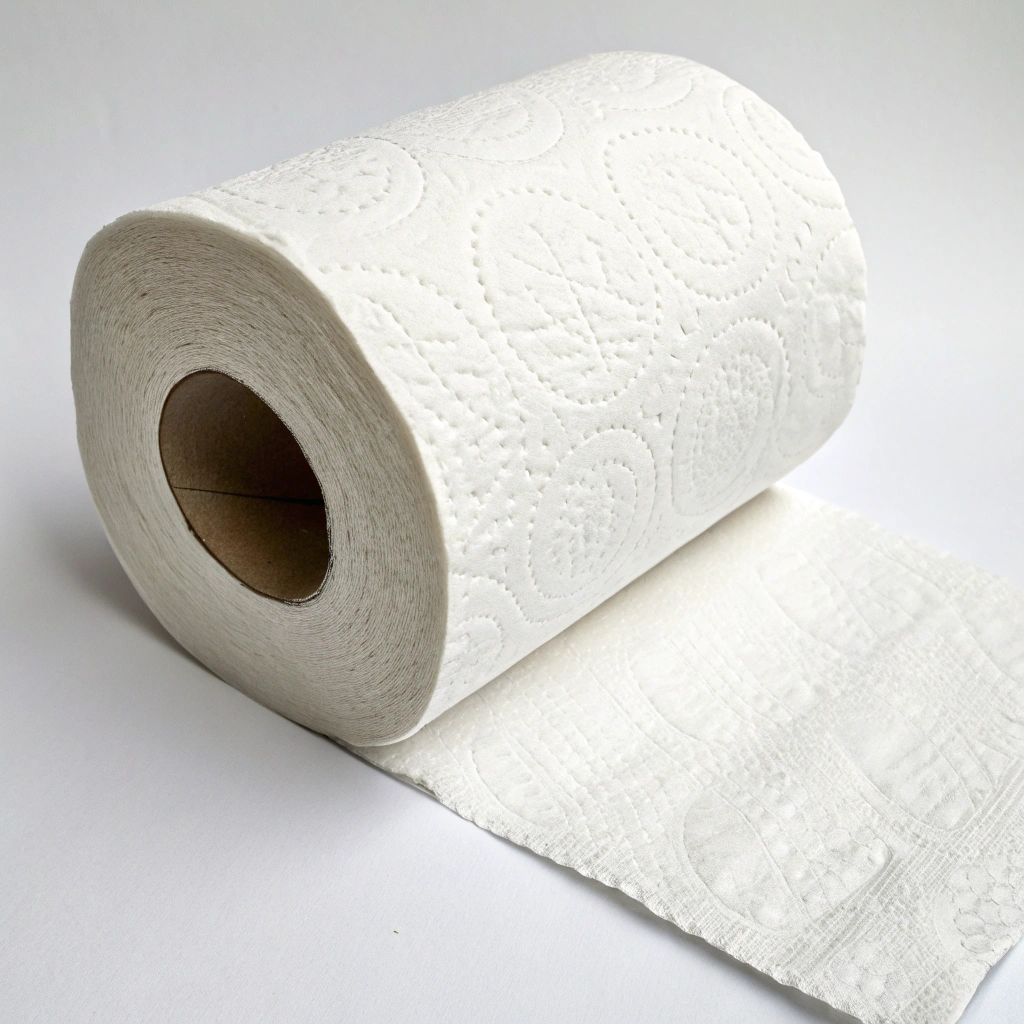
Most buyers think toilet paper is simple, until width becomes a problem. A roll that looks fine on paper can jam a dispenser, waste space, or confuse customers. Width is often ignored, yet it affects storage, use, and buying decisions every day.
Toilet paper rolls are usually between 90 mm and 115 mm wide, depending on whether they are made for home or commercial use. Standard household rolls are narrower, while commercial and jumbo rolls are designed to fit high-traffic dispensers and bulk systems.
Many buyers ask about width only after something goes wrong. A roll does not fit. A dispenser breaks. Users complain. That is why it is worth slowing down and understanding roll width before ordering or sourcing.
Are jumbo rolls wider than standard ones?
Yes, jumbo toilet paper rolls are usually wider than standard household rolls, but the increase is controlled and not extreme. The extra width supports higher paper volume, better tension control, and stable use in commercial dispensers.
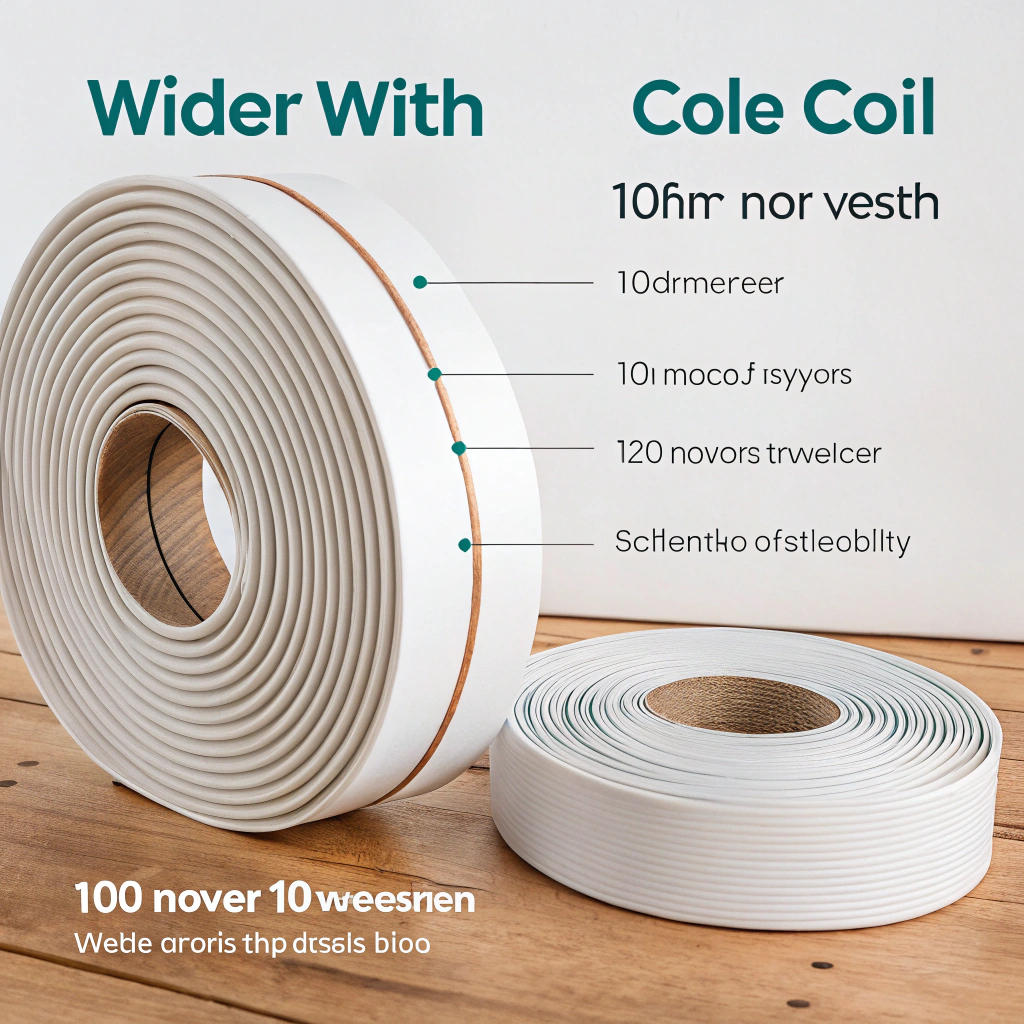
Standard household toilet paper rolls are designed for bathrooms with small wall-mounted holders. Their width stays within a narrow range so they fit most homes worldwide. Jumbo rolls serve a different purpose. They are built for restrooms with heavy foot traffic, such as malls, airports, schools, and offices.
Typical width comparison
| Roll type | Common width range | Main usage |
|---|---|---|
| Standard household roll | 95–100 mm | Homes, small offices |
| Commercial standard roll | 100–105 mm | Offices, restaurants |
| Jumbo roll toilet paper | 105–115 mm | Malls, airports, public restrooms |
The difference looks small on paper. In real use, it matters a lot. A 10 mm increase in width allows more layers, better winding tension, and stronger structure. This helps the roll last longer under constant pulling.
Why jumbo rolls are not much wider
Many buyers assume jumbo means much wider. That is not how factories design them. If a roll becomes too wide, it creates problems:
- Dispensers must be larger and more expensive
- Rolls become harder to install
- Uneven pulling increases tearing
- Transportation efficiency drops
Instead of extreme width, manufacturers increase roll diameter and paper length. Width grows only enough to balance strength and compatibility.
A buyer’s mistake I often see
Some buyers focus only on diameter and total meters. They forget width. Later, they find the roll rubs the dispenser sides. This causes friction and paper dust. Users pull harder. Paper tears more often. Complaints start.
Width is not about size alone. It is about how the roll behaves during use.
Key takeaway on jumbo width
Jumbo rolls are wider than standard rolls, but only within dispenser-safe limits. The goal is stability, not bulk. Buyers who understand this avoid dispenser mismatch and paper waste.
Does width impact toilet paper dispensers?
Yes, toilet paper roll width directly affects dispenser compatibility, performance, and lifespan. Even a small mismatch can cause jams, tearing, or long-term damage to the dispenser.
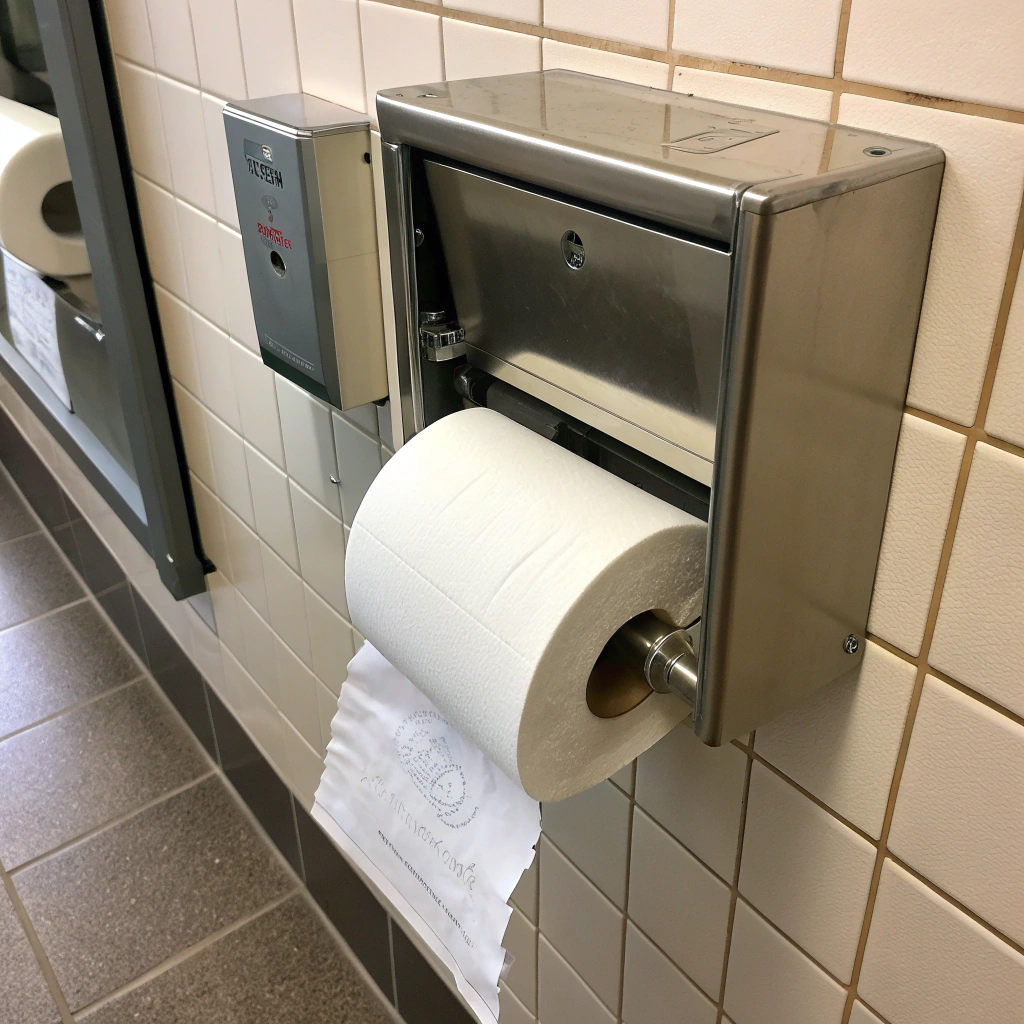
Dispensers are designed around three fixed limits: width, diameter, and core size. Width is often the first limit reached. When a roll is too wide, it presses against side walls. This creates friction.
What happens when width is wrong
When roll width exceeds dispenser tolerance:
- Paper pulls unevenly
- Roll rotation slows down
- Users apply more force
- Paper tears or shreds
- Dispenser springs wear out faster
These problems show up fast in high-traffic restrooms.
Dispenser types and width tolerance
| Dispenser type | Width tolerance | Risk if mismatched |
|---|---|---|
| Household holder | Very low | Roll will not fit |
| Standard commercial | Low to medium | Paper drag |
| Jumbo roll dispenser | Medium | Side friction |
| Auto-cut dispenser | Very low | Sensor failure |
Auto-cut and sensor-based dispensers are the most sensitive. Even 3–5 mm extra width can stop smooth feeding.
Why some dispensers seem flexible
Some metal dispensers allow slight bending or flex. This does not mean they support wider rolls safely. Over time, metal fatigue sets in. Plastic dispensers crack even faster.
A roll that “fits” on day one may cause failure in six months.
Width and maintenance cost
Facility managers often blame dispensers when problems happen. In reality, the roll width is often the hidden cause. Correct width reduces:
- Service calls
- Paper waste
- User complaints
- Dispenser replacement cost
Width control is cheaper than repairs.
Simple rule for buyers
Always confirm dispenser width limits before ordering paper. Do not rely on supplier assumptions. Measure once. Save months of trouble.
Why do commercial rolls differ in width?
Commercial toilet paper rolls differ in width because they are designed around usage speed, dispenser systems, and cost control, not comfort alone. Width is adjusted to balance durability and efficiency.
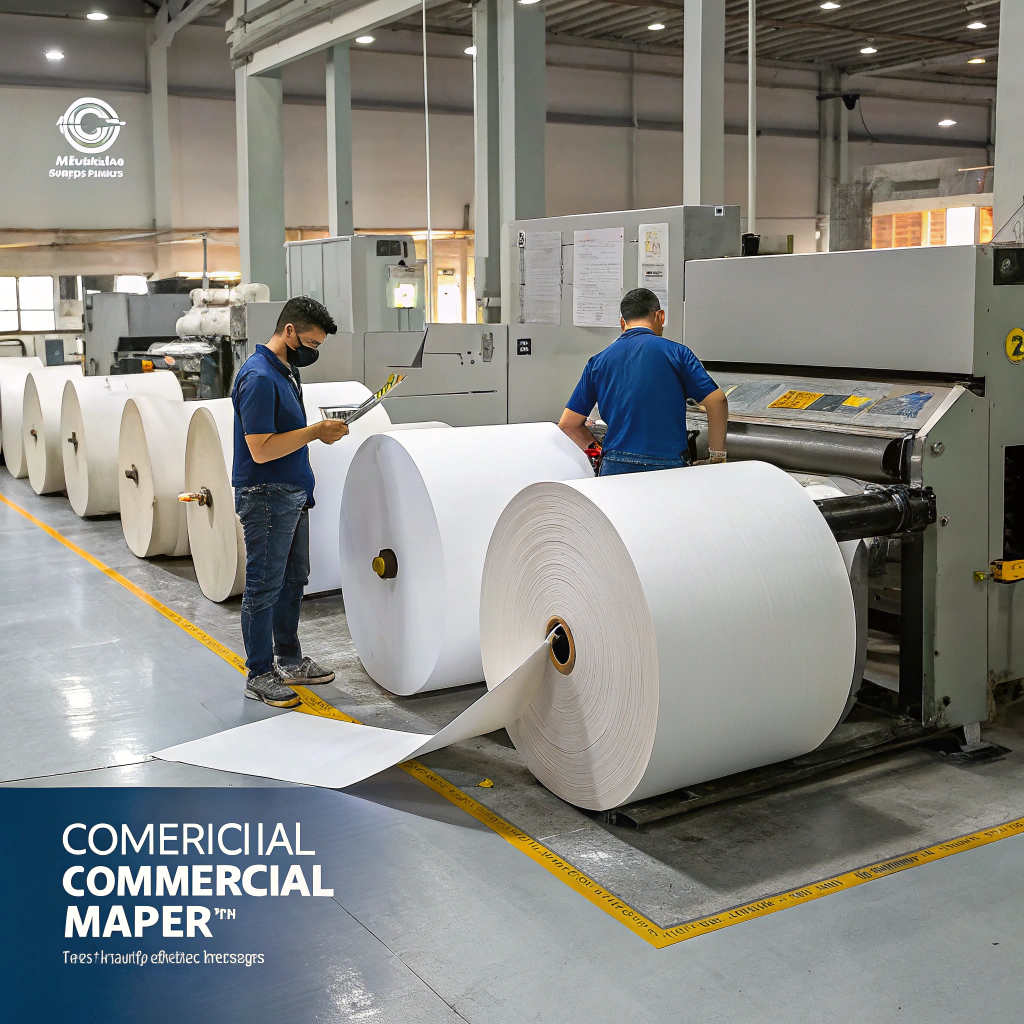
Unlike household paper, commercial paper is not about personal preference. It is about systems. Every millimeter affects material use, machine settings, and logistics.
Manufacturing reasons
From a factory view, width affects:
- Paper web slitting
- Winding stability
- Core strength
- Cutting accuracy
A wider roll allows better edge control during high-speed production. Narrow rolls tear more easily during winding when tension is high.
Usage environment differences
Commercial restrooms face:
- Fast pulling
- One-hand use
- High humidity
- Inconsistent user behavior
Slightly wider rolls handle these conditions better. They stay flat and resist edge collapse.
Cost and material balance
Wider rolls can use:
- Lower ply count
- Lower basis weight
- Longer paper length
This keeps total cost per use low. Narrow rolls often need thicker paper to stay strong, which increases pulp cost.
Regional preferences
Width also changes by market:
- North America prefers wider commercial rolls
- Parts of Africa favor width for durability
- Some Asian markets prefer narrower rolls for compact dispensers
Manufacturers adjust width based on buyer habits and dispenser standards.
Common misunderstanding
Some buyers think wider always means better. That is not true. Over-wide rolls waste space and increase shipping volume. Smart width design uses just enough paper to meet use needs.
System thinking matters
Commercial rolls are part of a system: paper, dispenser, user, and supply chain. Width is one setting in that system. Changing it affects everything else.
Can roll width affect softness perception?
Yes, roll width can affect how users perceive softness, even when paper quality stays the same. This effect is psychological and mechanical, not only material-based.
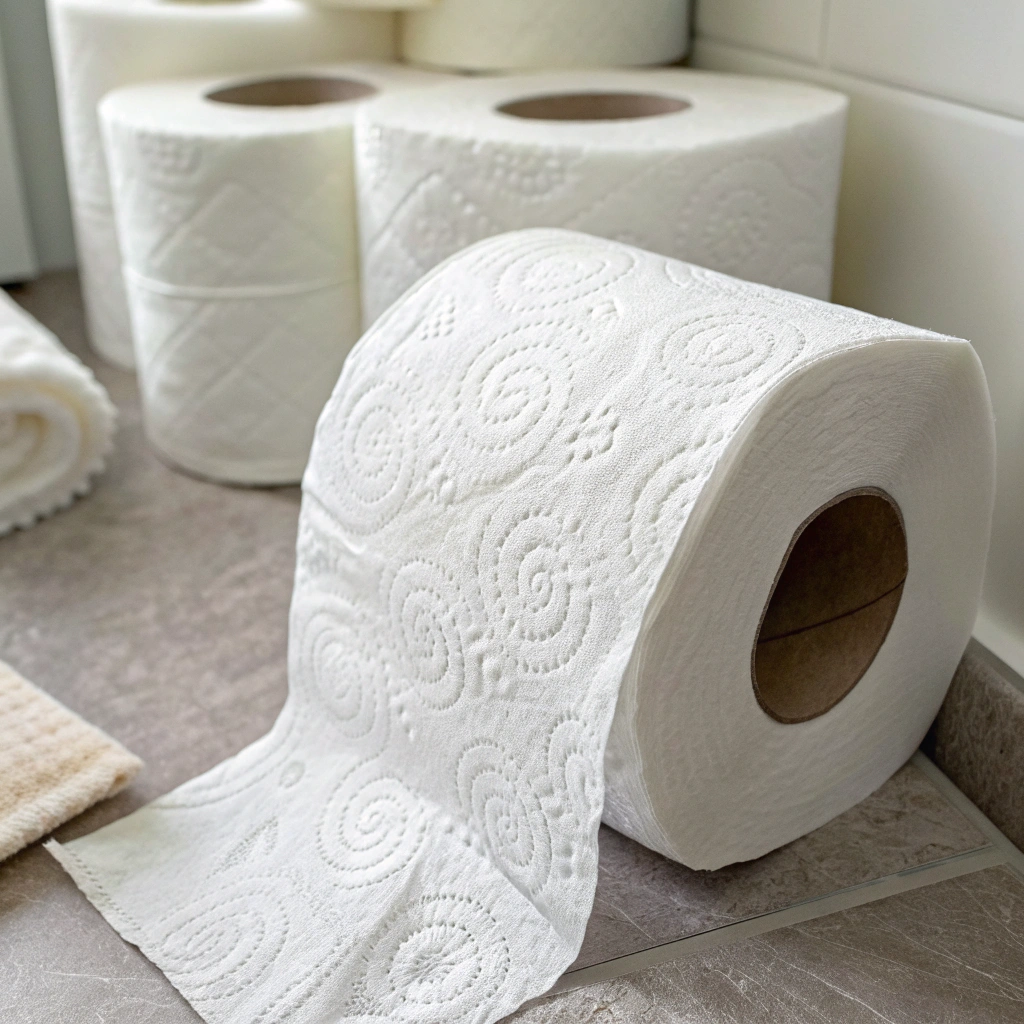
Softness is not just fiber. It is how paper behaves in the hand.
How width changes hand feel
Wider rolls often produce sheets that feel:
- More stable
- Less curled
- More even across the hand
This creates a sense of softness, even if pulp type and ply are unchanged.
Sheet presentation matters
When users pull paper:
- Narrow rolls tend to curl inward
- Wider rolls stay flatter
Flat sheets spread pressure across the skin. This reduces sharp fold points that feel rough.
The role of sheet width vs roll width
Roll width controls sheet width. Wider sheets give users more surface area. Many users associate “more paper” with “softer paper,” even when thickness is the same.
Commercial perception vs home perception
In public restrooms, users expect lower comfort. When a roll feels wider and more stable, it exceeds expectations. This positive contrast improves softness perception.
At home, expectations are higher. Width still matters, but texture and ply matter more.
What softness tests do not show
Lab softness tests measure fiber and surface. They do not measure:
- User grip
- Pull angle
- Sheet spread
Width influences all three. That is why two papers with equal test scores can feel different in real use.
Practical takeaway
If comfort complaints appear despite good material quality, check width. A small adjustment can improve user feedback without changing pulp or ply.
Conclusion
Toilet paper roll width looks minor, but it shapes fit, performance, cost, and comfort. Understanding width helps buyers avoid dispenser issues, reduce waste, and improve user experience with no extra material cost.