Skip to content
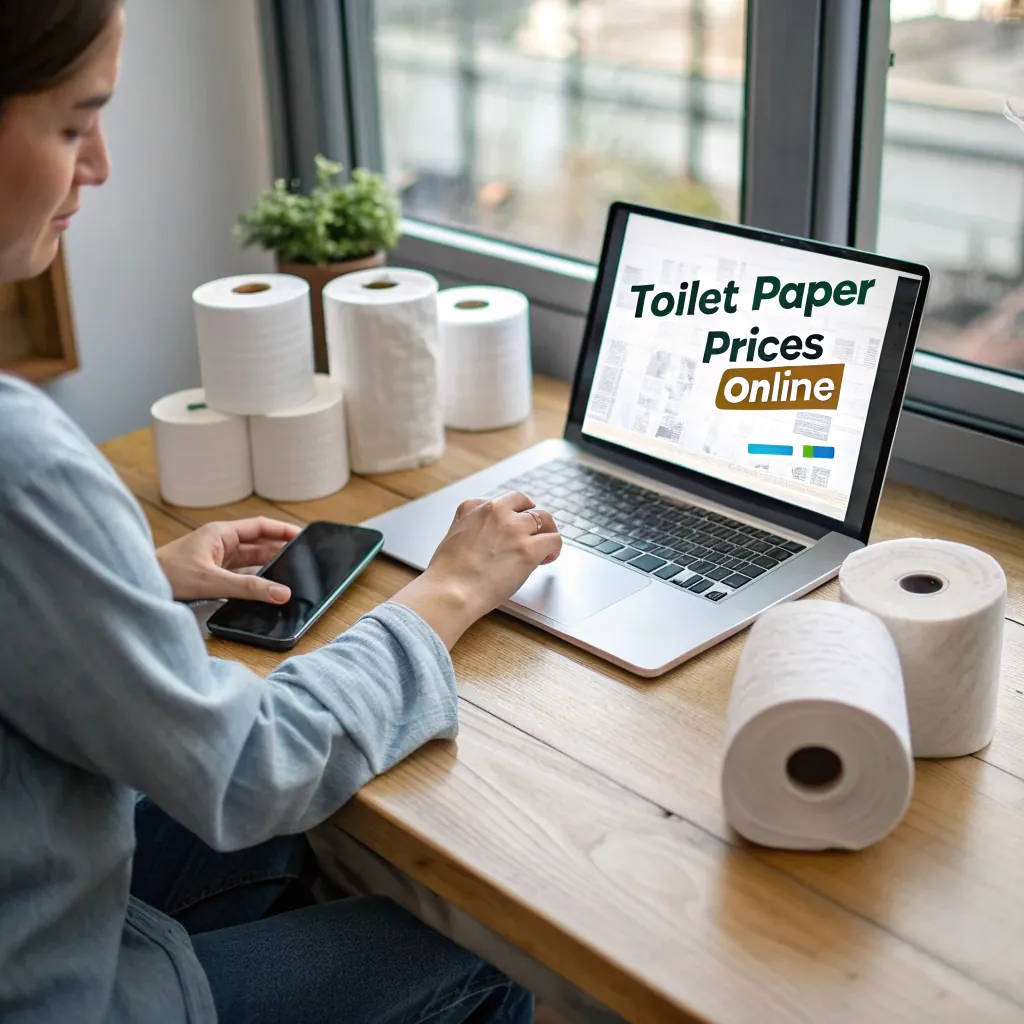
Buying toilet paper feels simple, yet many buyers still overpay. Prices change fast, packs look similar, and small details hide real costs. This confusion pushes many people to guess instead of compare.
In most cases, buying toilet paper online can be cheaper, but only when price, shipping, pack size, and usage are reviewed together. Online channels often win on bulk pricing and transparency, while stores win on speed and no shipping fees.
The real answer depends on how much paper you use, how often you buy, and how well you understand online pricing rules. Once these parts are clear, the cost gap becomes easier to see.
Do online retailers offer better toilet paper prices?
Online prices look lower at first glance, but the real value sits deeper than the sticker price.
Many buyers see a low online number and assume it is a better deal. This often leads to regret when rolls arrive smaller than expected or quality feels weak. Price alone never tells the full story.
Online retailers often offer lower per-roll prices because they cut store costs and sell in large packs, but the savings only exist when sheet count, ply, and roll size are equal.
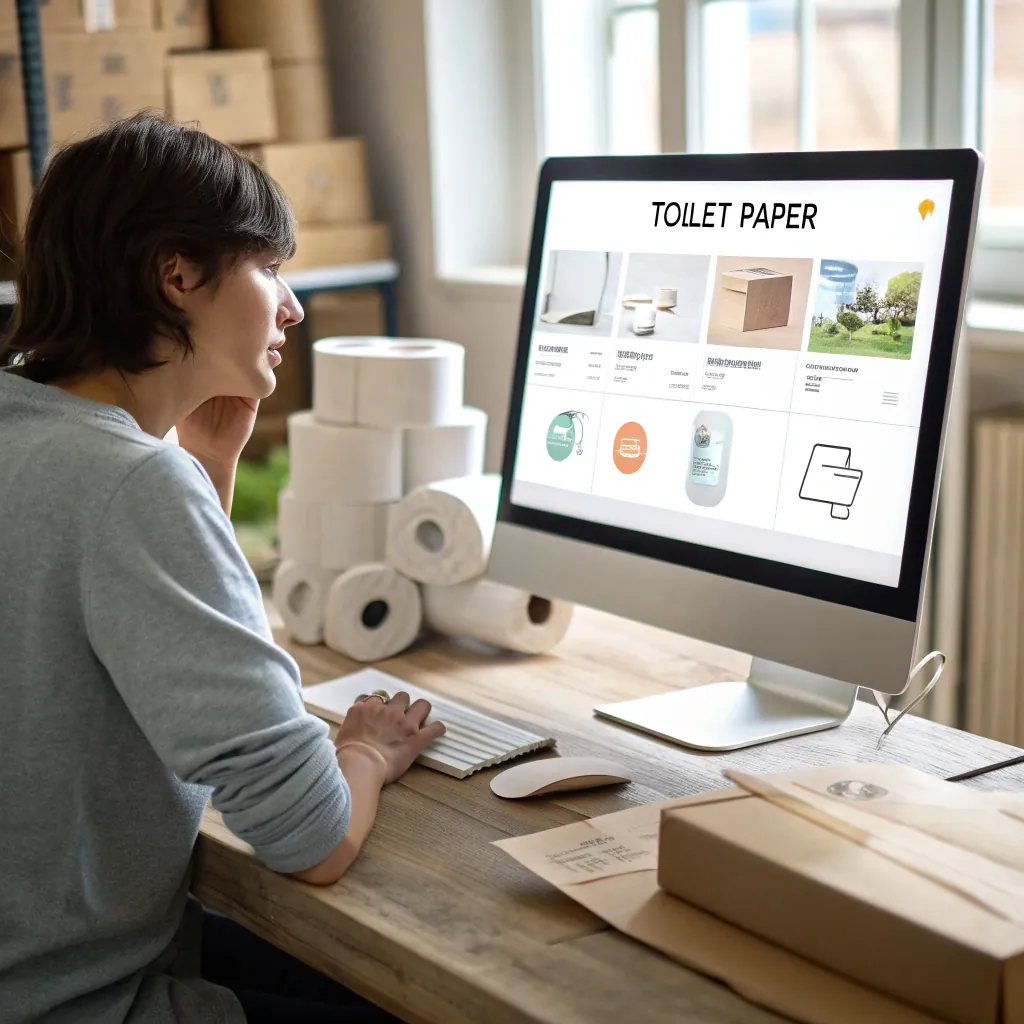
Why online prices look cheaper
Online sellers avoid rent, store staff, and shelf space limits. Because of this, they can list large packs at lower unit prices. Many platforms also push private-label products, which reduces brand costs.
Another key reason is pack size. Online listings often show 24, 36, or even 96 rolls. The price looks high in total, but low when broken down per roll or per sheet.
The hidden differences in online listings
Not all rolls are equal. One online roll may contain fewer sheets or thinner paper. Without checking details, buyers may compare unlike products.
Key specs to review every time:
- Sheets per roll
- Ply count
- Sheet size
- Total paper weight
Table: Online vs in-store toilet paper price structure
| Factor | Online Retailers | Physical Stores |
|---|---|---|
| Pack size | Large, bulk-focused | Small to medium |
| Per-roll price | Often lower | Often higher |
| Brand variety | Mix of known and private | Mostly known brands |
| Price transparency | High if specs checked | Medium |
When online pricing truly wins
Online pricing works best when:
- You buy in bulk
- You know exact specs
- You track price per sheet
- You repeat the same order
For buyers who take time to compare details, online platforms often deliver better value. For buyers who rush, the savings may disappear fast.
How do shipping costs affect online toilet paper deals?
Shipping is the silent cost that decides whether an online deal is real or fake.
Many buyers celebrate a low product price, only to abandon the cart when shipping doubles the cost. Toilet paper is bulky, light, and space-hungry. These traits raise shipping fees fast.
Shipping costs can erase online savings unless free shipping, local warehouses, or bulk orders are used. The larger and lighter the package, the more shipping matters.
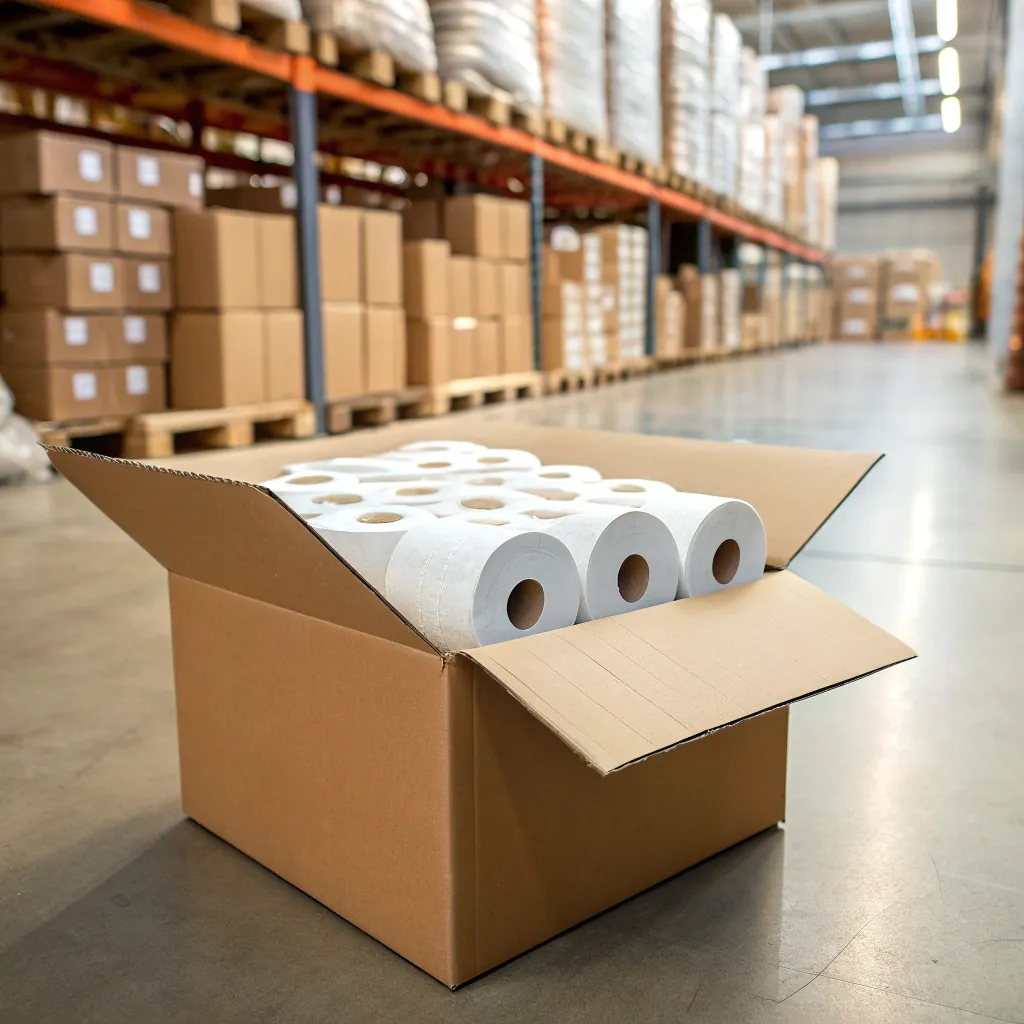
Why toilet paper shipping is expensive
Toilet paper fills boxes with air. Carriers charge by volume, not just weight. This means even light orders can cost a lot to ship.
Common cost drivers include:
- Box size
- Delivery distance
- Fuel surcharges
- Last-mile delivery fees
Free shipping is not always free
Many platforms offer free shipping, but the cost often hides inside the product price. This is not bad, but buyers should still compare unit prices.
Some sellers raise product prices to cover shipping. Others require a minimum order value. Both methods shift how savings appear.
Table: Shipping models and their impact
| Shipping Model | Buyer Impact | Best Use Case |
|---|---|---|
| Paid shipping | Higher total cost | Small orders |
| Free shipping with minimum | Lower per-unit cost | Bulk buyers |
| Subscription delivery | Stable pricing | Regular users |
| Local warehouse delivery | Fast and cheaper | Urban areas |
How to reduce shipping impact
Smart buyers use a few simple rules:
- Order larger quantities less often
- Combine items in one shipment
- Choose sellers with local stock
- Avoid rush delivery options
Shipping does not have to kill online savings. It only does so when ignored.
Are bulk toilet paper deals better online or in-store?
Bulk buying changes the entire cost logic of toilet paper.
Many people fear bulk purchases because of storage space. Others worry about cash flow. Yet bulk buying remains the strongest way to lower long-term cost.
Bulk toilet paper deals are usually better online because of larger pack sizes, stable pricing, and better unit control, while stores win only during short-term promotions.
Understanding bulk beyond roll count
Bulk does not only mean more rolls. True bulk value includes:
- Consistent roll size
- Stable paper quality
- Reliable supply timing
Online sellers design packs for long-term use. Stores often bundle bulk only during sales events.
Online bulk advantages
Online bulk deals often include:
- Factory-direct pricing
- Fewer middle steps
- Clear unit metrics
- Repeat order discounts
This makes budgeting easier over time.
In-store bulk limitations
Warehouse stores offer good deals, but only when:
- Sales are active
- Transport is free
- Stock is available
Once fuel, time, and effort are counted, in-store bulk loses some shine.
Table: Bulk buying comparison
| Aspect | Online Bulk | In-Store Bulk |
|---|---|---|
| Pack consistency | High | Medium |
| Availability | Always listed | Sale-based |
| Transport cost | Included or planned | Buyer pays |
| Long-term pricing | Stable | Fluctuates |
When in-store bulk still makes sense
In-store bulk works if:
- A deep discount is active
- Storage is limited
- Immediate use is needed
For most planned buyers, online bulk remains the stronger option.
What are the best platforms to buy cheap toilet paper?
Choosing the right platform matters more than choosing the lowest number on a screen.
Each platform type has strengths and limits. The best one depends on how often you buy and how much control you want over specs.
The best platforms for cheap toilet paper are those that combine bulk pricing, clear specs, and low or built-in shipping costs. No single platform fits every buyer.
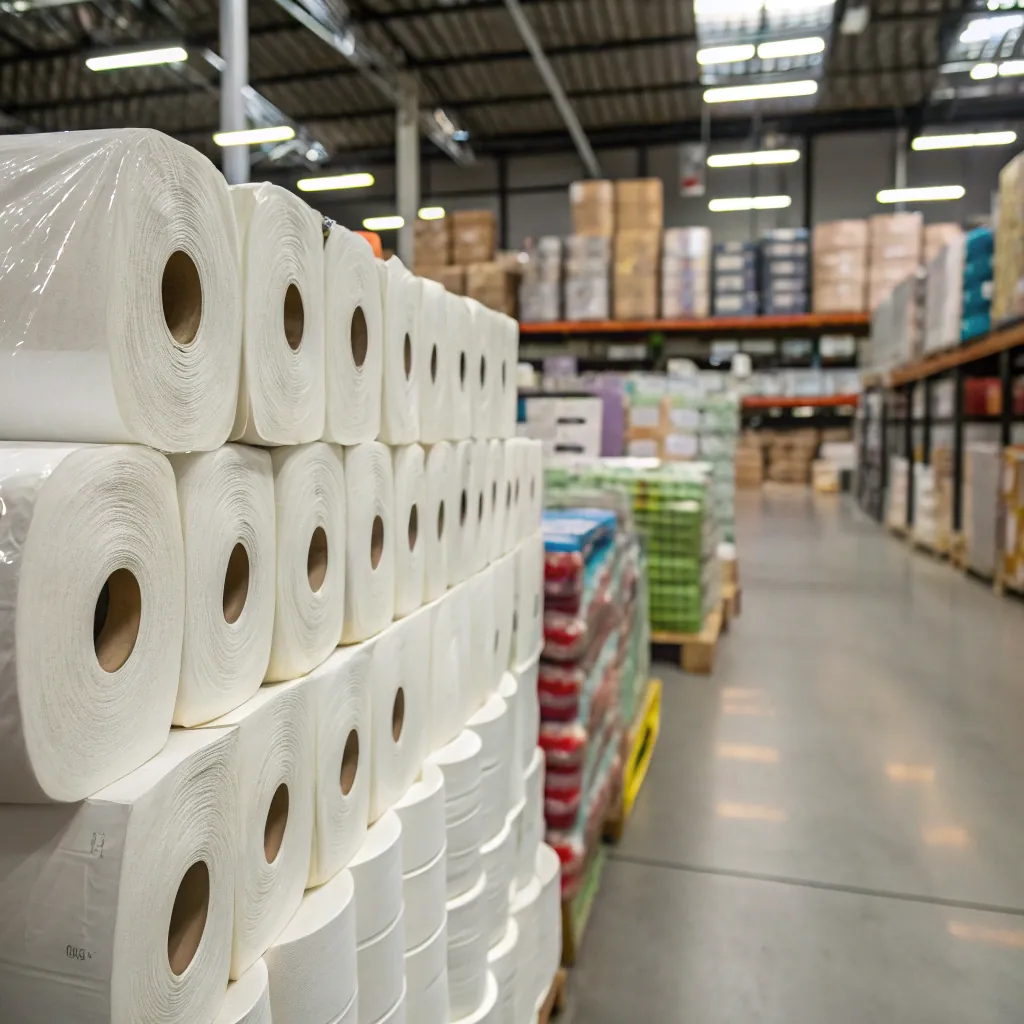
Major platform types explained
Online marketplaces
These offer many sellers and fast comparison. Prices vary widely. Quality control depends on the seller.
Brand direct websites
Prices are stable and specs are clear. Discounts appear through subscriptions or bulk bundles.
Wholesale and B2B platforms
These offer the lowest unit prices but require larger orders. Best for heavy users or group buying.
Subscription services
These smooth costs over time. They reduce impulse buying but may cost more if not reviewed often.
What to check before choosing a platform
Always review:
- Price per sheet
- Shipping policy
- Return rules
- Review patterns
- Pack consistency
Platform choice by buyer type
| Buyer Type | Best Platform | Reason |
|---|---|---|
| Single household | Marketplace or subscription | Small, flexible orders |
| Large family | Brand direct or bulk online | Stable supply |
| Office or business | Wholesale platforms | Lowest unit cost |
| Price trackers | Marketplaces | Fast comparison |
Long-term cost control strategy
The cheapest platform today may not stay cheap. Smart buyers review prices every few months and switch when needed. Loyalty should follow value, not habit.
Conclusion
Buying toilet paper online can be cheaper, but only with careful comparison. Bulk size, shipping, and paper specs decide real value. When buyers focus on unit cost and plan ahead, online deals often win.